

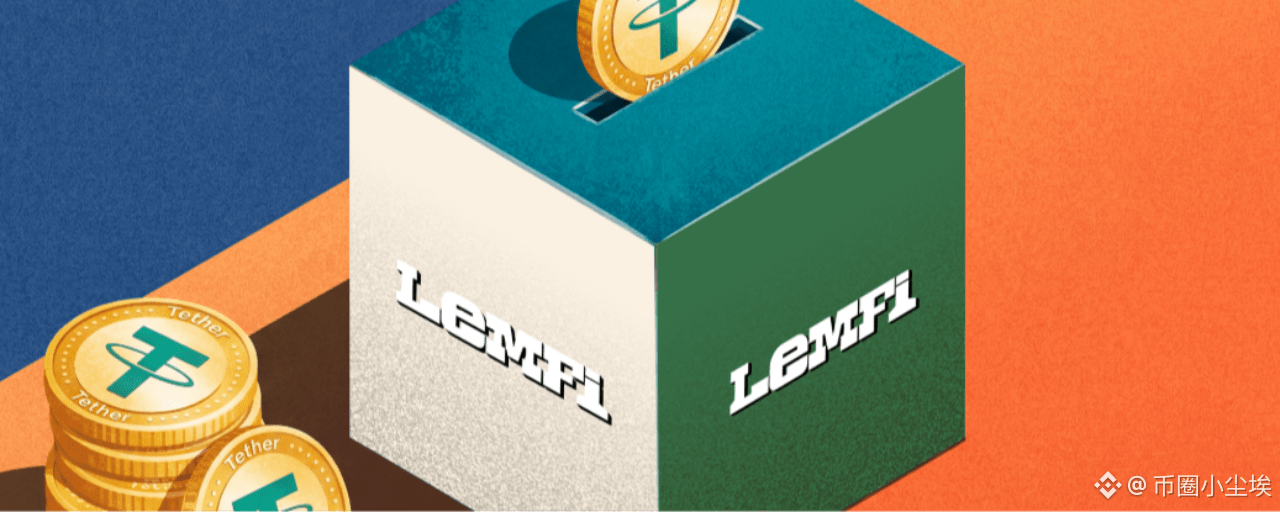

"Tether's investment in LemFi integrates USDT as the core settlement layer for cross-border remittances, enabling near-instant transfers from the UK to Africa and Asia with fees significantly lower than the traditional 8% SWIFT cost. The CEO stated: ‘This validates our direction of reshaping high-cost corridors using blockchain.’"
Tether, the issuer of USDT (the largest stablecoin pegged 1:1 with the dollar), has taken a strategic stake in the fintech firm LemFi, which focuses on providing low-cost international remittance services for immigrant and diaspora communities.
This investment integrates USDT as the core settlement layer of the LemFi remittance platform, aiming for faster and cheaper transfers between recipients in the UK, US, Canada, Europe, and Africa and Asia.
Remittances are international transfers sent by workers living abroad to their families in their home country. The partnership will enable nearly instant settlement, bypassing multiple days of SWIFT and correspondent bank networks. SWIFT is the global messaging network banks traditionally use for international payments. Financial terms, including the size of Tether’s holdings in Tether USDT, whether in equity or convertible notes, any post-remittance valuation, or ownership proportions, were not disclosed.
Stablecoins reshape high-cost corridors
Reportedly, LemFi serves more than 1 million customers and processes about $1 billion in transactions each month. The project focuses on remittance services for diaspora communities in high-remittance markets such as Nigeria, Ghana, India, and Pakistan. The company has previously raised more than $85 million, including a $53 million Series B round in early 2025. According to World Bank data, the average cost of traditional rail transfers in sub-Saharan Africa remains close to 8%, making the region the highest-cost destination for global remittances.
Stablecoin integration promises tangible savings. Industry estimates suggest that blockchain-based transfers could significantly reduce fees across many corridors, cutting waiting times to a matter of minutes while keeping the value of USD protected from local currency fluctuations.
LemFi CEO and co-founder Ridwan Olalere said, “Tether’s investment is an important milestone for LemFi, but more importantly, it validates the direction we’re moving in.”
Tether expands its infrastructure strategy
The move aligns with a broader strategy to deploy stablecoin profits into payment systems and emerging networks. In developing countries, USDT has already been widely used for saving and everyday transactions. Tether CEO Paolo Ardoino said the transaction reflects the shared vision both parties have for cross-border capital flows.
Ardoino said, “Our investment in LemFi reflects our shared vision for the movement of capital across borders, prioritizing speed, cost, and transparency.”
The announcement does not provide a specific implementation timeline for USDT integration, nor does it specify concrete targets for transaction volume, cost reductions, or user adoption rates. It also does not provide LemFi’s latest financial performance metrics, such as current revenue, profitability, or unit economics.
Using USDC (Circle’s dollar stablecoin) and other competing rails is already active in similar remittance corridors across Africa, Asia, and Latin America. The release did not include data on the current market share for USDT remittances versus competitors or the expected increase.
Regulatory considerations remain important in these markets. The announcement does not address details of compliance frameworks, licensing for target African and Asian countries, or plans to mitigate the risks of dollarization—that is, the process by which economies become increasingly dependent on the U.S. dollar rather than local currencies—an issue the IMF and local central banks had previously emphasized. In addition, it does not provide detailed information about Tether’s potential governance rights, such as board seats, veto rights, or long-term strategic involvement.
Tether said it will gradually deploy USDT infrastructure across LemFi’s multi-currency wallets and transfer products, but it did not disclose a specific timeline.