

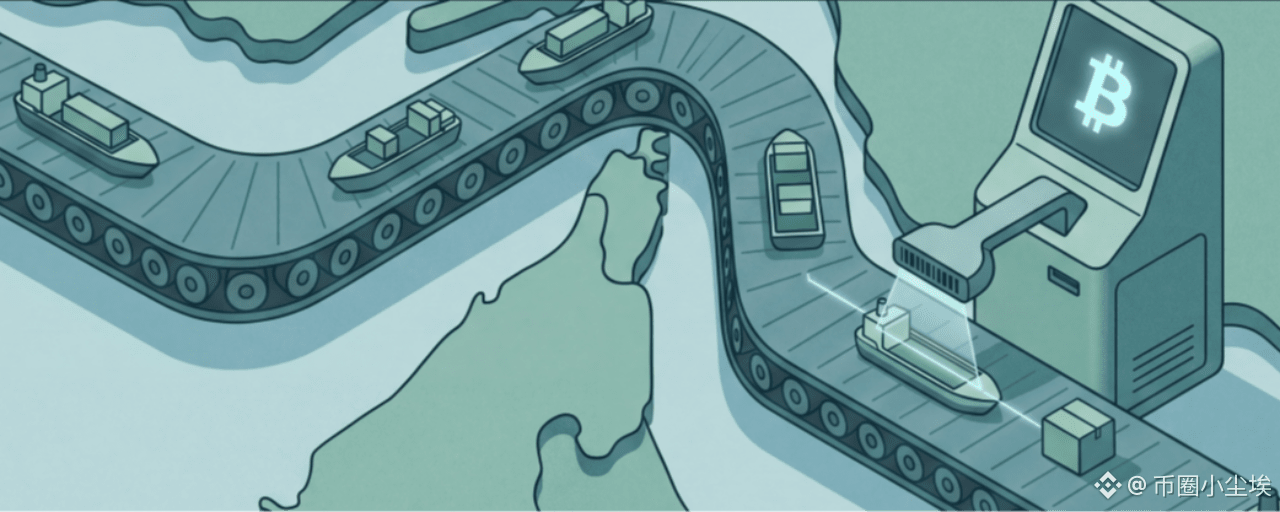

Iran has introduced the Hormuz Safe, a national-supported maritime insurance platform that settles in Bitcoin, designed to bypass Western financial sanctions and generate revenue from transport across the Strait of Hormuz. Initial projections estimate earnings over $10 billion, but it faces dual challenges of technical validation and sanction risks.
Iran has launched the Hormuz Safe Plan, a state-backed maritime insurance platform settling policies in Bitcoin (BTC). Tehran aims to generate revenue through traffic in the Strait of Hormuz while reducing reliance on Western financial systems.
The Iranian Ministry of Economy developed this platform. The state media, Fars News, first reported the details on May 16, and the official website hormuzsafe.ir confirmed the news. The platform issues policies for goods traversing the Persian Gulf, Strait of Hormuz, and nearby waterways, effective after blockchain verification.
Iran’s verification challenges
Reporting on the initiative primarily relies on sources linked to Iran and the state. Due to limited information access within Iran and strict government control over media and economic announcements, independent confirmation of operating status, user adoption, or technical functionality remains limited. Fars News, affiliated with the Islamic Revolutionary Guard Corps, is often used as an initial channel for the government’s such efforts.
Background in Strait of Hormuz traffic
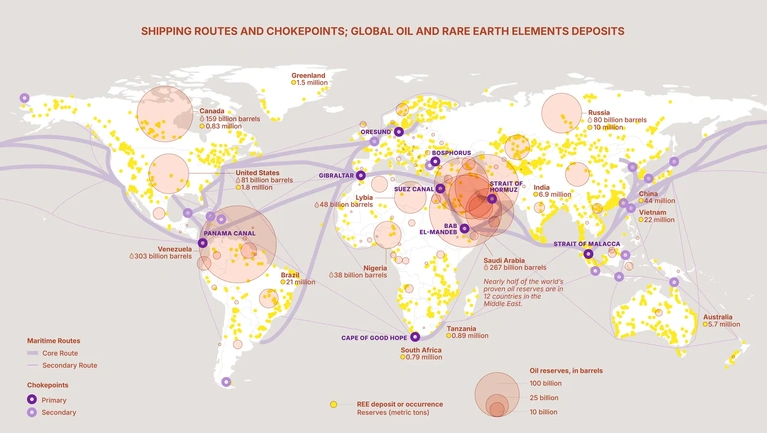
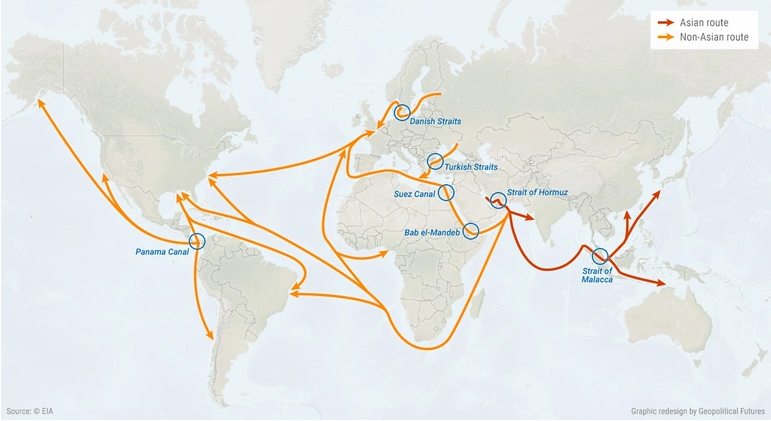
The Strait of Hormuz is a narrow waterway connecting the Persian Gulf and the Gulf of Oman. It is one of the world’s most critical energy chokepoints. Before recent regional conflicts, it transported about 20 million barrels of crude oil and oil products per day—around 20% of global seaborne oil trade. Typical daily vessel throughput exceeds 80 to 130 ships.
Since early 2026, ongoing heightened tensions have significantly reduced transaction volumes; in some periods, transport volume fell to single digits per day, with daily throughput down to roughly 2% of normal levels.
Officials expect Hormuz Safe could generate more than $10 billion in revenue. However, the announcement provides no detailed breakdown, timeline, or potential assumptions. The initial policies do not include war losses. Full technical and legal requirements have not yet been publicly released.
Sanctions risk faced by operators
The Bitcoin settlement function is intended to bypass SWIFT—the Society for Worldwide Interbank Financial Telecommunication, the world’s leading cross-border bank payment system—and traditional dollar-based intermediaries.
Contacting platforms supported by the Iranian state entails significant sanctions risk. The U.S. Office of Foreign Assets Control (OFAC) is responsible for managing and enforcing economic and trade sanctions and has long treated payments to entities associated with the Iranian government as potentially noncompliant conduct. Operators should obtain professional legal and compliance advice before participating.
Aside from official media and the platform’s website, there is currently no report of independent confirmation of early users’ usage rates or pilot project activity. The website states support for the Bitcoin mainnet—the primary public Bitcoin blockchain—and the Lightning Network, a Layer 2 protocol that enables faster, cheaper Bitcoin transactions. Traditional payment options are also listed. On-chain confirmation triggers coverage immediately.
Iran’s crypto strategy, private sector involvement comparison
This aligns with Iran’s practice of continuing to use digital assets to sustain trade under severe sanctions. In recent years, the country has developed one of the more significant state-linked Bitcoin mining operations.
Private-sector blockchain marine insurance projects, such as Insurwave—developed by a consortium including EY (a global professional services firm), Guardtime (a blockchain technology company), and shipping giant A.P. Moller-Maersk—focus on shared ledgers to speed up processes and claims handling. These solutions typically do not directly settle insurance premiums or payments in cryptocurrency.
During periods when traditional insurance has been interrupted, Hormuz Safe offers an on-chain alternative. Its success depends on technical reliability, the enforceability of claims, and the willingness of international operators to manage the associated sanctions compliance burden. The platform could serve as a reference point for other sanctioned economies, such as Russia and Venezuela, to explore crypto tools related to shipping and trade.