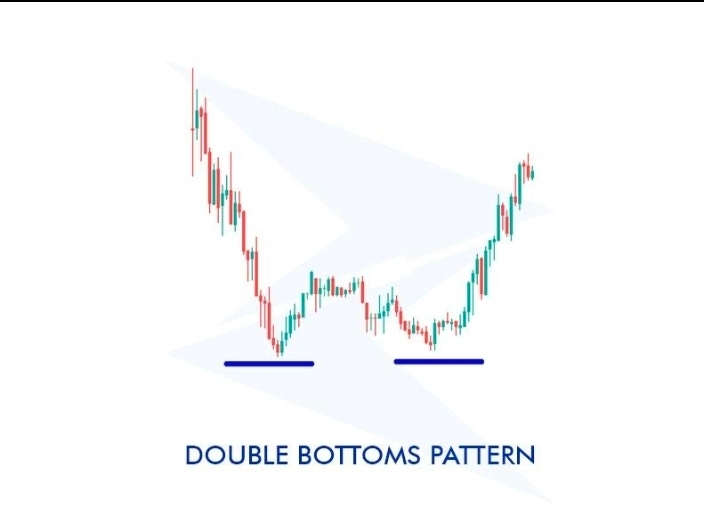
Classical analysis in trading relies on reading price action and historical patterns to predict the next move. Its main components include:
1. Trends (Trends)
Fundamentals of Classical Analysis.
Bullish Trend: Higher highs and higher lows.
Bearish Trend: Lower highs and lower lows.
Sideways Trend: Price moving within a range.
Trend Tools:
Trend Lines
Price Channels
Moving averages
2. Support and resistance
The strongest elements of analysis.
Support: A zone where price is expected to bounce back up.
Resistance: A zone where price is expected to drop.
The more times the price bounces, the stronger the zone.
3. Price patterns (Chart Patterns)
Reversal patterns:
Indicate trend change:
Head and shoulders
Inverted head and shoulders
Double top
Double bottom
Continuation patterns:
Indicate trend continuation:
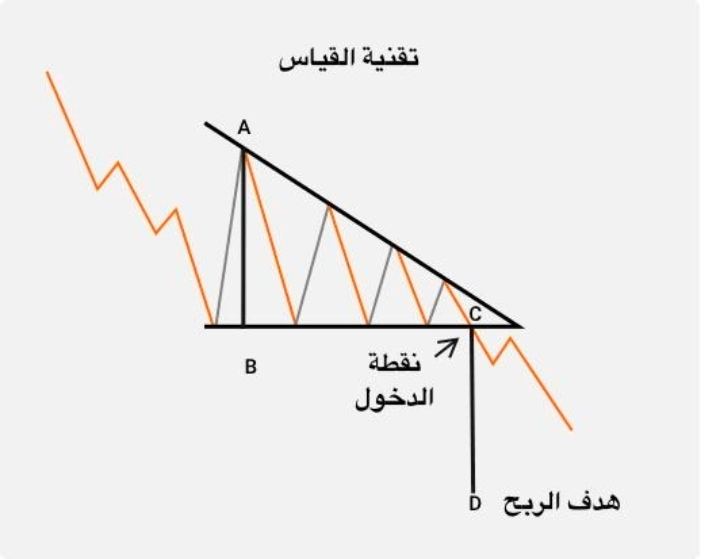
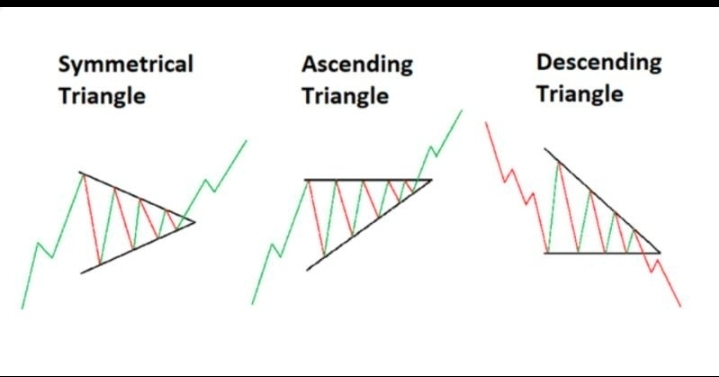
Triangles
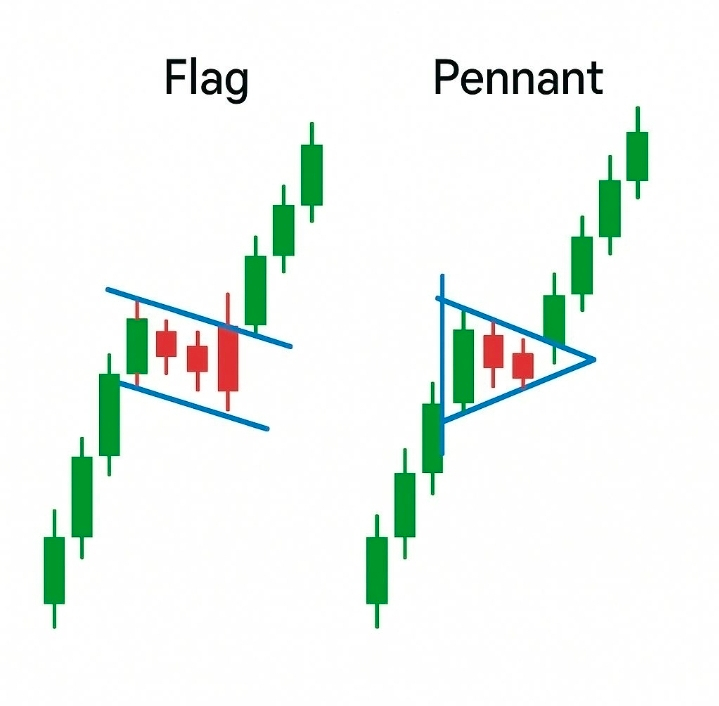
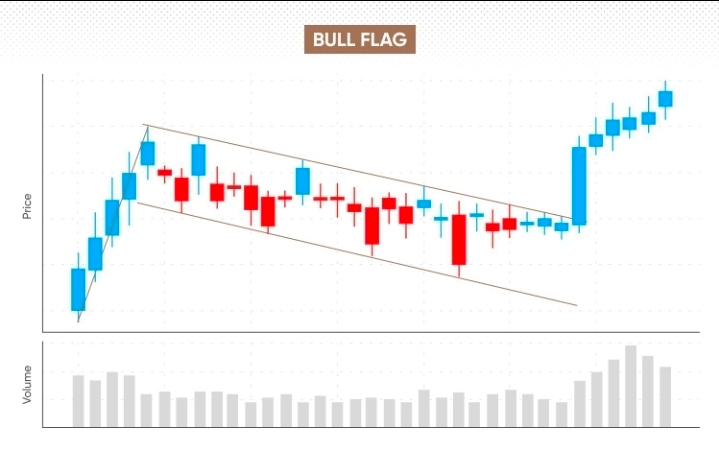
Flags
Pennants
Rectangles
Visual examples of classic patterns
Head and shoulders – double tops and bottoms
Triangles, flags, and pennants
4. Trading volumes (Volume)
Volume confirms the move.
Uptrend with strong volume = true buying power.
Uptrend without volume = potential trap.
Breaking support/resistance with strong volume = usually a real break.
5. Candlesticks
Shows buyer and seller behavior.
Famous patterns:
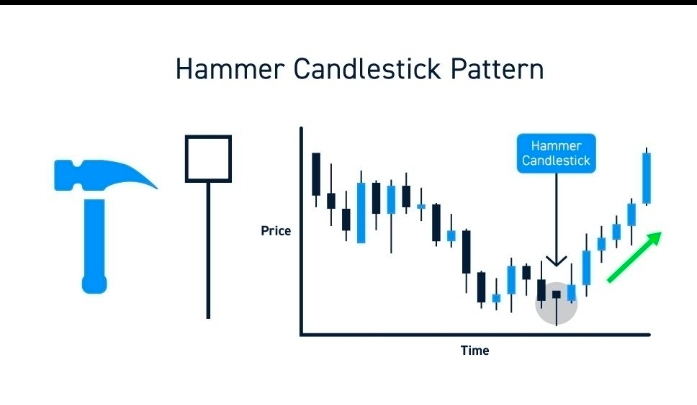
Hammer
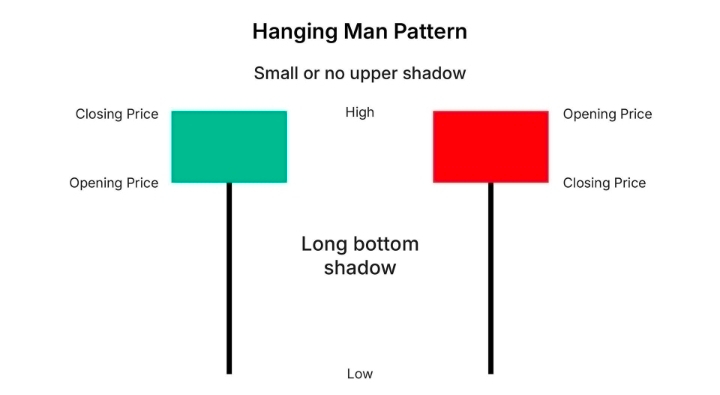
Hanging man
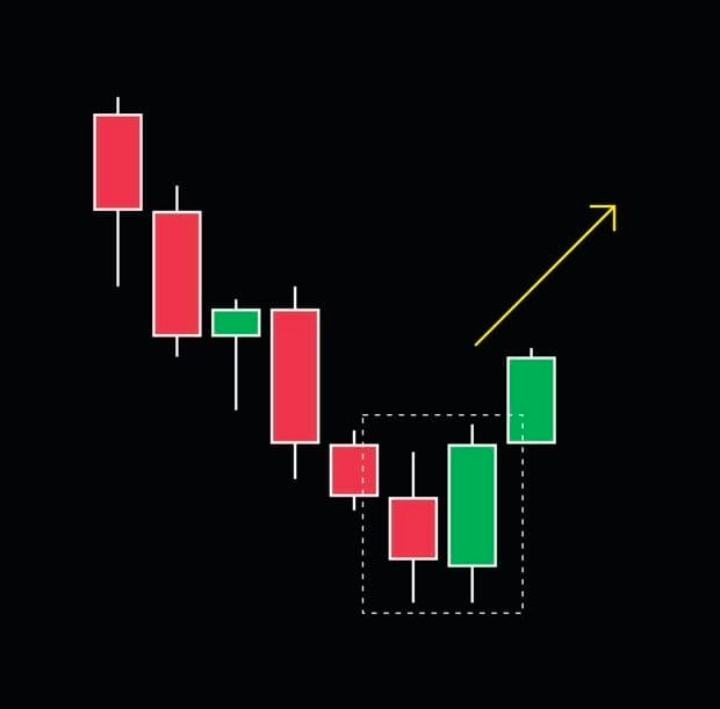
Bullish and bearish engulfing
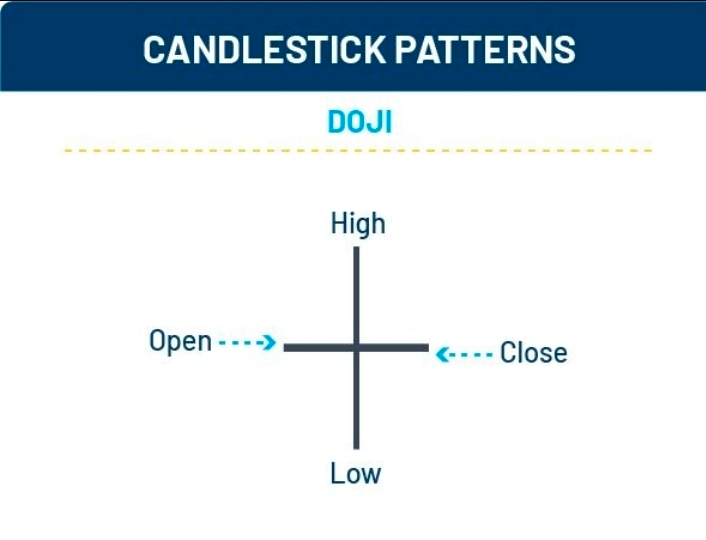
Doji
Examples of candlesticks
6. Price gaps (Gaps)
More crucial in stocks but appear sometimes in crypto.
Types:
Normal gap
Breakout gap
Continuation gap
Exhaustion gap
7. Technical indicators
Not the foundation of classic analysis but are helpful tools.
The most famous ones:
RSI
MACD
Bollinger Bands
Stochastic
8. Ratios and retracements
Like Fibonacci to determine:
Correction zones
Targets
Potential reversals
Common example:
0.618
0.5
0.382
9. Risk management
Without it, the analysis fails no matter how strong.
Includes:
Stop loss
Trade size
Risk-to-reward ratio
Avoid entering with emotion
10. Market psychology
Understanding market sentiment:
Fear
Greed
FOMO
Accumulation and distribution
This makes a huge difference, especially in crypto.
Strong classic analysis is often a blend of:
Trend
Support and resistance
Price model
Volume
Confirmation candles
And not relying on just one element.