
Xyveron143
2.4k Posts

Xyveron143
I’m loyal to one soul only, even if that soul was never truly mine.💔 X A/C - Shubhamsin5224
Open Trade
High-Frequency Trader
1.9 Years
273 Following
14.5K+ Followers
8.2K+ Liked
Posts
Portfolio
All
Quotes
Live
PINNED
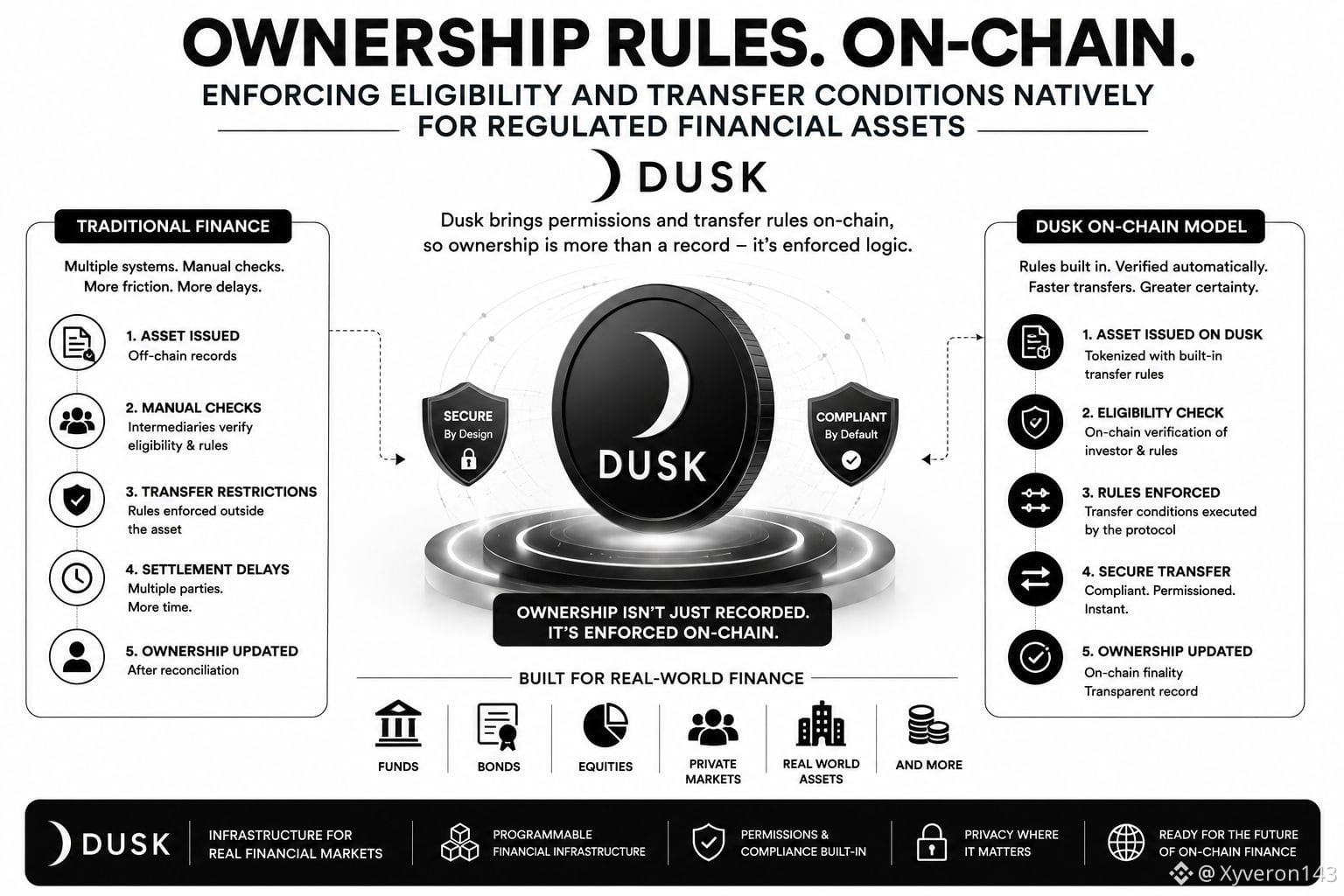
#dusk $DUSK @Dusk I was looking into another part of @dusk today, and this time I focused on something that can easily get overlooked: how ownership rules can work directly on-chain. In traditional finance, owning an asset does not always mean you can simply send it to anyone. There can be eligibility requirements, transfer restrictions, investor rules and other conditions that need to be checked before a transaction can happen. When assets move onto a blockchain, these rules still matter. That is why I find Dusk’s approach interesting. Instead of treating these requirements as something that exists completely outside the blockchain, Dusk is building infrastructure where permissions and transfer conditions can become part of the way financial assets work. This could be especially useful for regulated assets, where every transfer may need to follow specific rules. Imagine a tokenized financial asset that can automatically check whether a transfer is allowed before completing it. That makes the blockchain more than just a record of ownership. It becomes part of the logic that controls how the asset can actually move. For me, this is one of the more practical sides of blockchain adoption. The technology does not have to remove every rule from finance. It can actually make those rules easier to manage through programmable infrastructure. The more I explore Dusk, the more I understand why its focus is on building blockchain infrastructure for real financial markets. It is not only about putting assets on-chain, but also about making the rules around those assets work properly once they are there
$VELVET
$NVDAB
$VELVET
$NVDAB
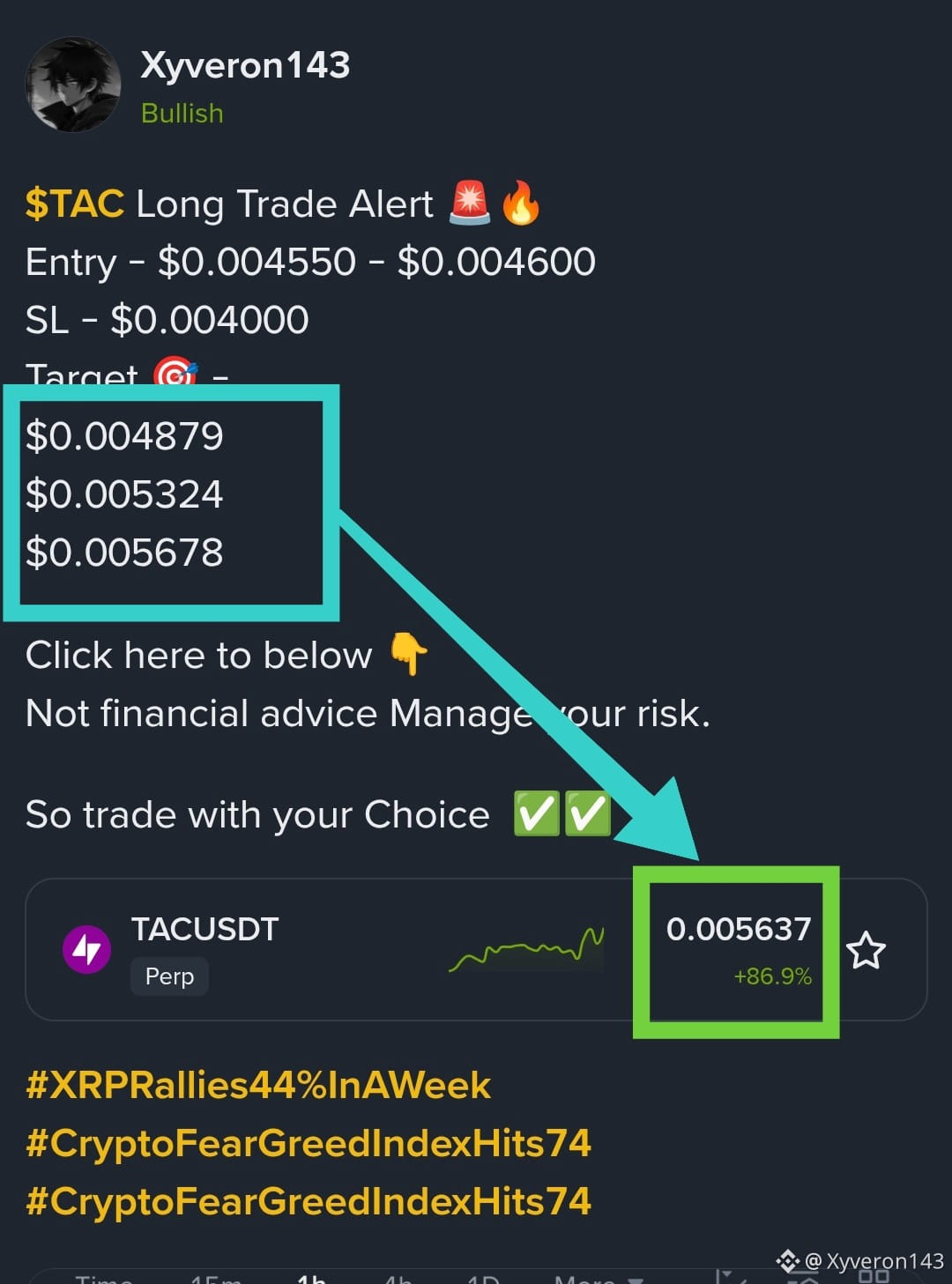
Yesterday told you to go Long in $TAC
And today All Target are smashed successful
#Congratulations✨🎉 All of you ho trusted on my call
And today All Target are smashed successful
#Congratulations✨🎉 All of you ho trusted on my call
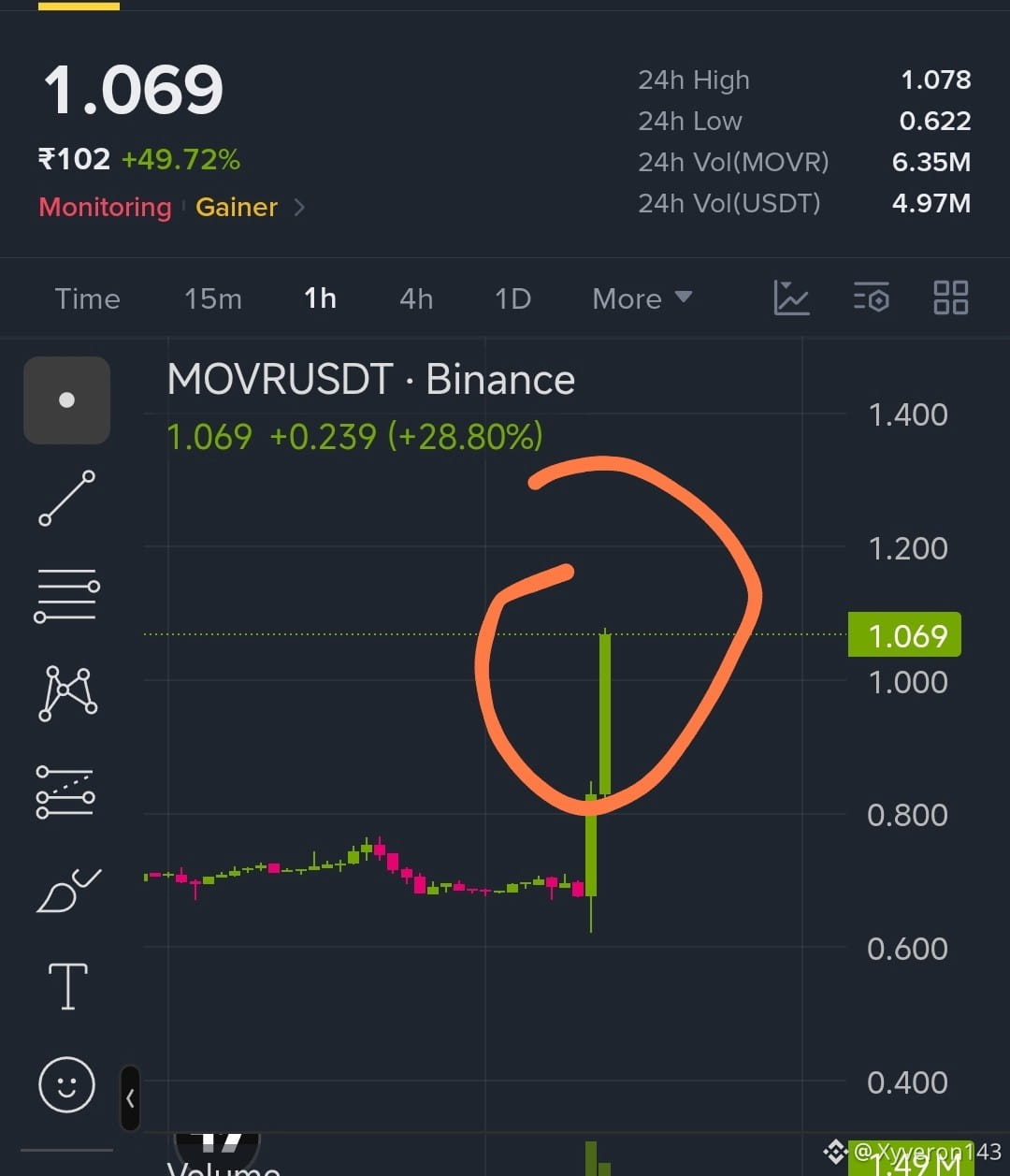
$MOVR Long Trade Alert 🚨
Entry - 1.040 - 1.020
SL - 0.920
Target - 1.120 ,1.1230 ,1.250 1.287
Click here to below 👇
Not financial advice Manage your risk.
So trade with your Choice ✅✅
#XRPLeadsCryptoPullbackDropsNearly7% #IranSaysHormuzOmanDealNotFinalized #XRPRallies44%InAWeek #LONG✅
Entry - 1.040 - 1.020
SL - 0.920
Target - 1.120 ,1.1230 ,1.250 1.287
Click here to below 👇
Not financial advice Manage your risk.
So trade with your Choice ✅✅
#XRPLeadsCryptoPullbackDropsNearly7% #IranSaysHormuzOmanDealNotFinalized #XRPRallies44%InAWeek #LONG✅
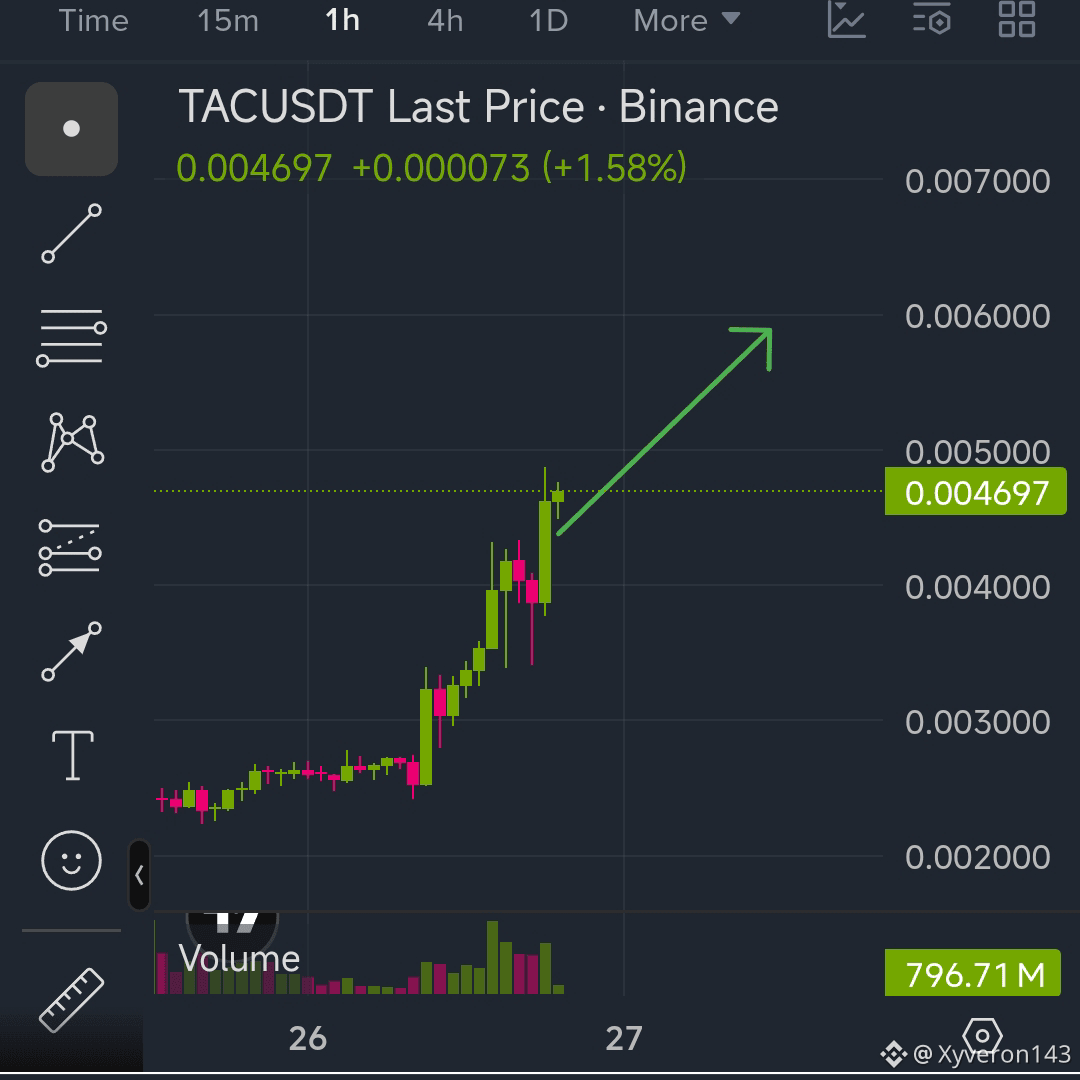
$TAC Long Trade Alert 🚨🔥
Entry - $0.004550 - $0.004600
SL - $0.004000
Target 🎯 -
$0.004879
$0.005324
$0.005678
Click here to below 👇
Not financial advice Manage your risk.
So trade with your Choice ✅✅
#XRPRallies44%InAWeek #CryptoFearGreedIndexHits74 #CryptoFearGreedIndexHits74
Entry - $0.004550 - $0.004600
SL - $0.004000
Target 🎯 -
$0.004879
$0.005324
$0.005678
Click here to below 👇
Not financial advice Manage your risk.
So trade with your Choice ✅✅
#XRPRallies44%InAWeek #CryptoFearGreedIndexHits74 #CryptoFearGreedIndexHits74
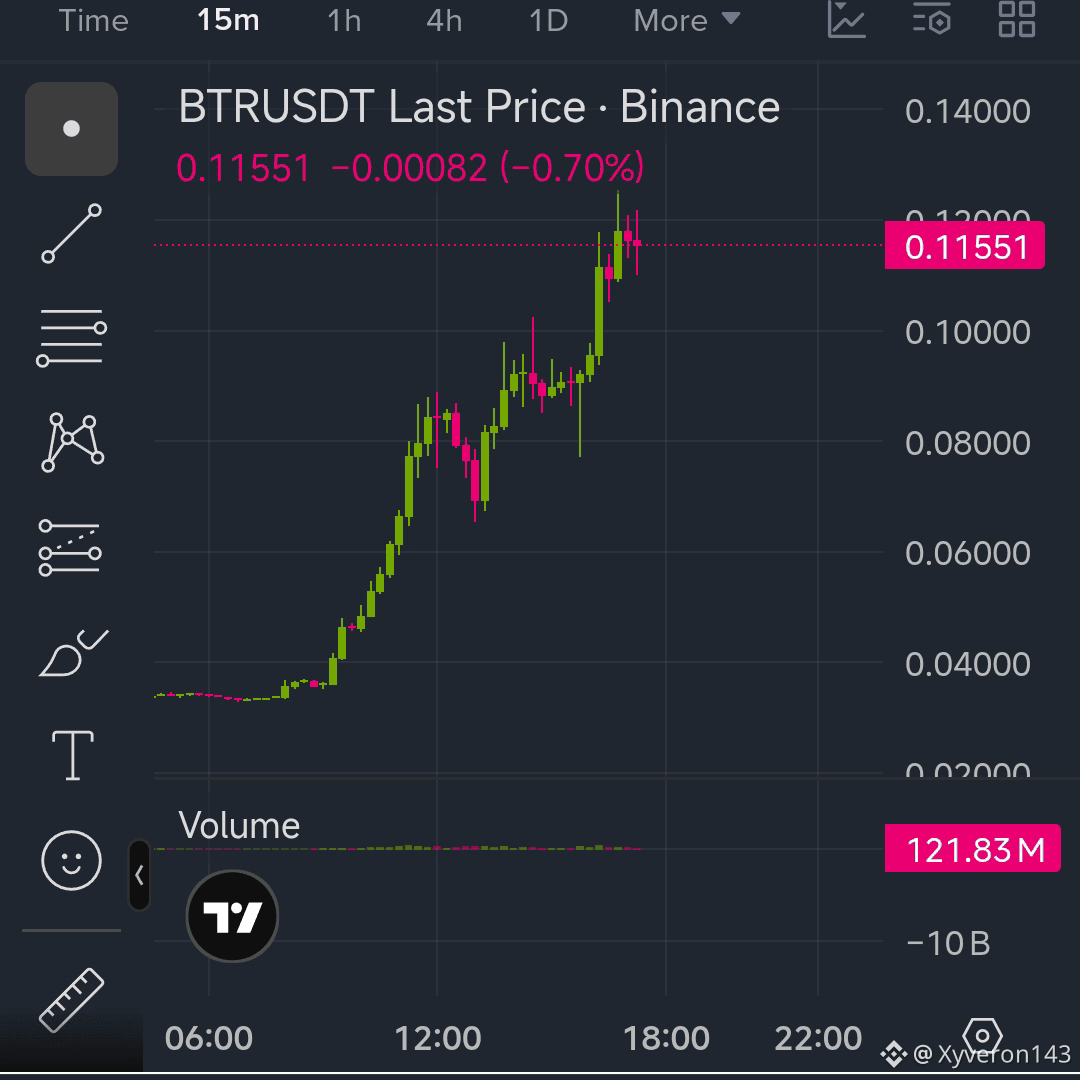
$BTR has already set its trend and has pumped around 315%, making it today’s top gainer 🚀🔥
From here, we could see a reverse downtrend, so keep your entries slow and controlled and enjoy the profits 🤘🏻📉
Short trade opportunity, guys! Don’t miss it 👀🔥
#XRPRallies44%InAWeek
#downtrend #SHORT📉 #USBitcoinETFsExtendInflowsToSixthDay
From here, we could see a reverse downtrend, so keep your entries slow and controlled and enjoy the profits 🤘🏻📉
Short trade opportunity, guys! Don’t miss it 👀🔥
#XRPRallies44%InAWeek
#downtrend #SHORT📉 #USBitcoinETFsExtendInflowsToSixthDay
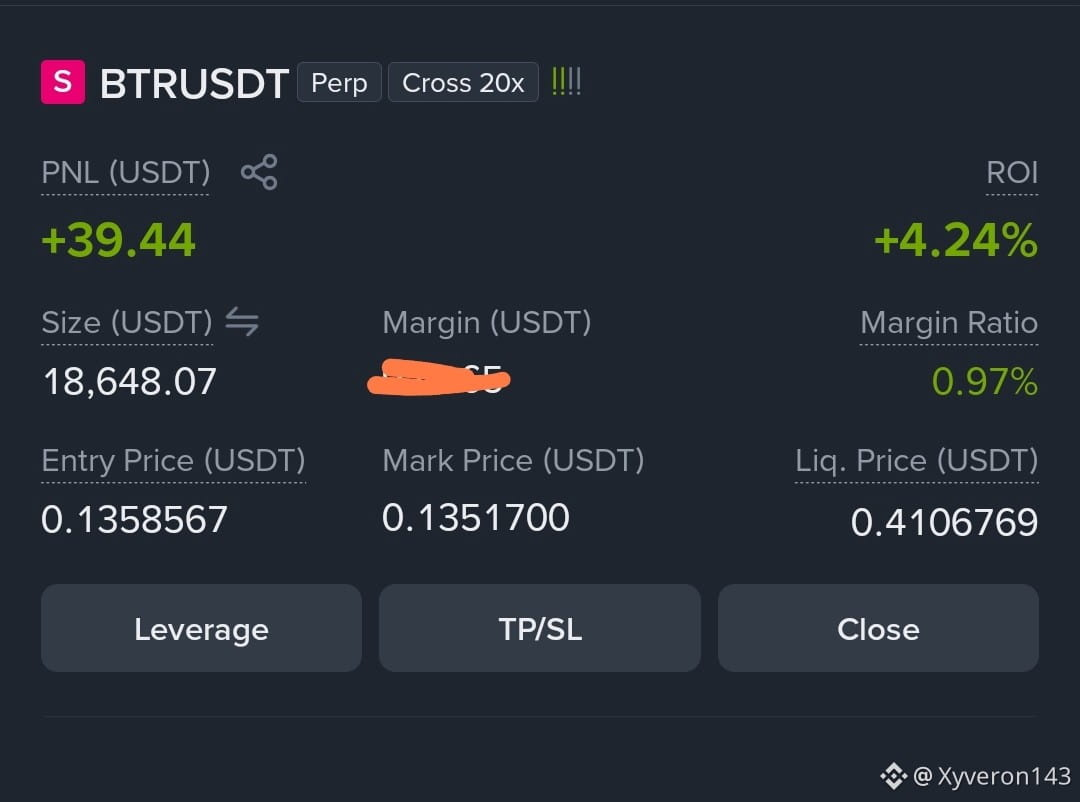
🚨 $BTR SHORT WATCH 🔻
$BTR has made a massive move today, so chasing the pump here is risky. I’m watching for a clear rejection from the local high before taking a SHORT.
📍 Entry: - 0.14050 - 0.13750
🎯 TP1: 0.10950
🎯 TP2: 0.09540
🎯 TP3: 0.08451
🎯 TP4: 0.07100
🛑 SL: 0.16975
⚠️ Don’t short blindly. Wait for confirmation and keep position size small.
$BTR has made a massive move today, so chasing the pump here is risky. I’m watching for a clear rejection from the local high before taking a SHORT.
📍 Entry: - 0.14050 - 0.13750
🎯 TP1: 0.10950
🎯 TP2: 0.09540
🎯 TP3: 0.08451
🎯 TP4: 0.07100
🛑 SL: 0.16975
⚠️ Don’t short blindly. Wait for confirmation and keep position size small.
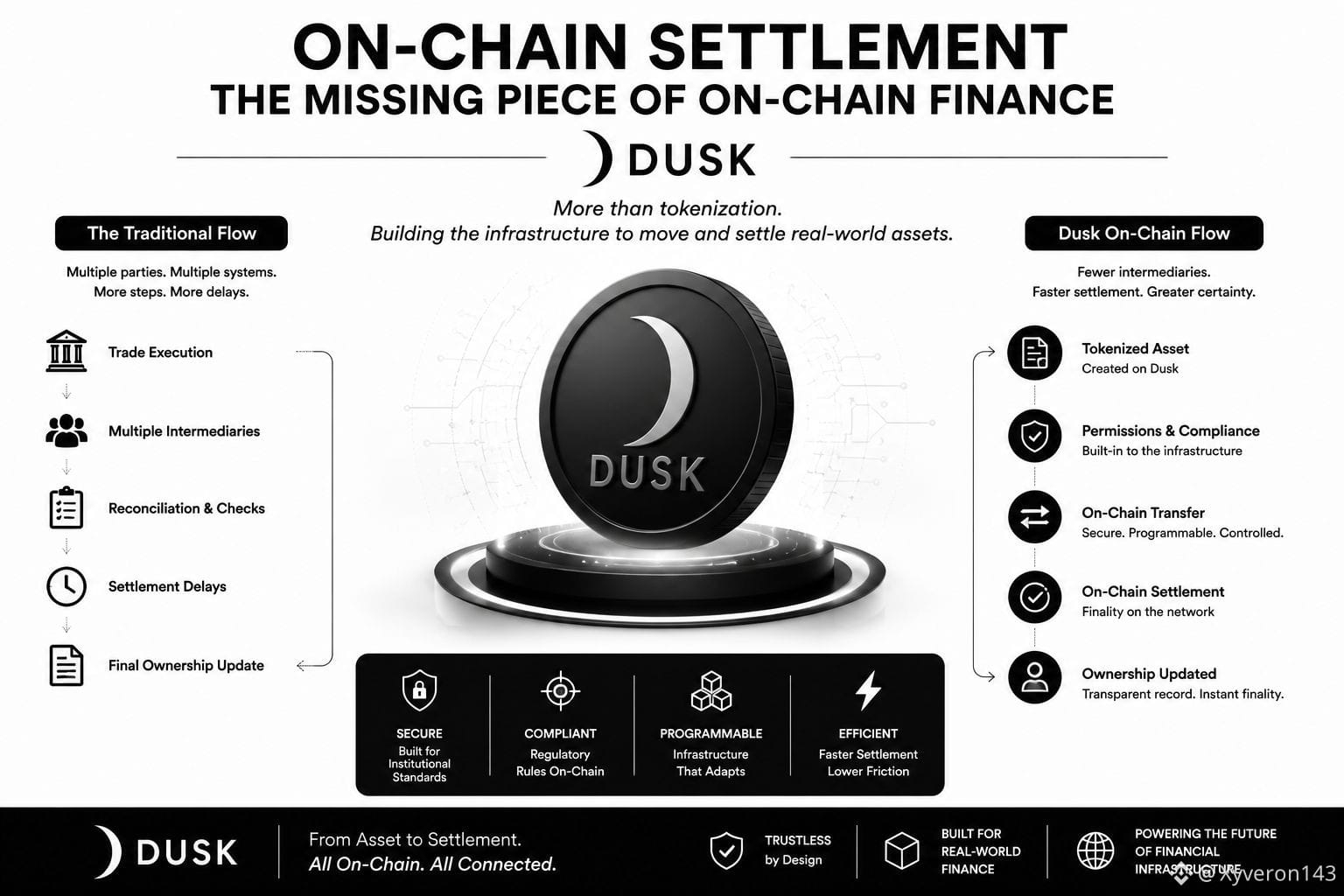
#dusk $DUSK @Dusk spent some more time researching @dusk today, and this time I was looking at something that is easy to overlook when people talk about blockchain finance: settlement.
Putting an asset on-chain is one thing, but making sure the final transfer happens correctly, securely and without unnecessary delays is a much bigger part of the process. In traditional finance, settlement can involve multiple parties, systems and checks before ownership is finally updated.
Dusk is designed to bring more of this process directly into blockchain infrastructure, with on-chain settlement as part of its financial architecture. What I find interesting is that this can make the blockchain more than just a place where assets are represented.
For regulated markets, settlement needs to work together with permissions, compliance rules and ownership controls. If these things are built into the infrastructure, financial applications may not need to depend on completely separate systems for every step.
I think the real value of tokenization is not simply creating a digital version of an asset. The bigger opportunity is connecting the entire process around that asset in a way that is programmable and easier to manage.
The more I explore Dusk, the more I see its focus on building financial infrastructure, rather than just another place for transactions. That settlement layer is another part of the bigger picture that makes @dusk interesting to me.
$ZEC $ENA
Putting an asset on-chain is one thing, but making sure the final transfer happens correctly, securely and without unnecessary delays is a much bigger part of the process. In traditional finance, settlement can involve multiple parties, systems and checks before ownership is finally updated.
Dusk is designed to bring more of this process directly into blockchain infrastructure, with on-chain settlement as part of its financial architecture. What I find interesting is that this can make the blockchain more than just a place where assets are represented.
For regulated markets, settlement needs to work together with permissions, compliance rules and ownership controls. If these things are built into the infrastructure, financial applications may not need to depend on completely separate systems for every step.
I think the real value of tokenization is not simply creating a digital version of an asset. The bigger opportunity is connecting the entire process around that asset in a way that is programmable and easier to manage.
The more I explore Dusk, the more I see its focus on building financial infrastructure, rather than just another place for transactions. That settlement layer is another part of the bigger picture that makes @dusk interesting to me.
$ZEC $ENA
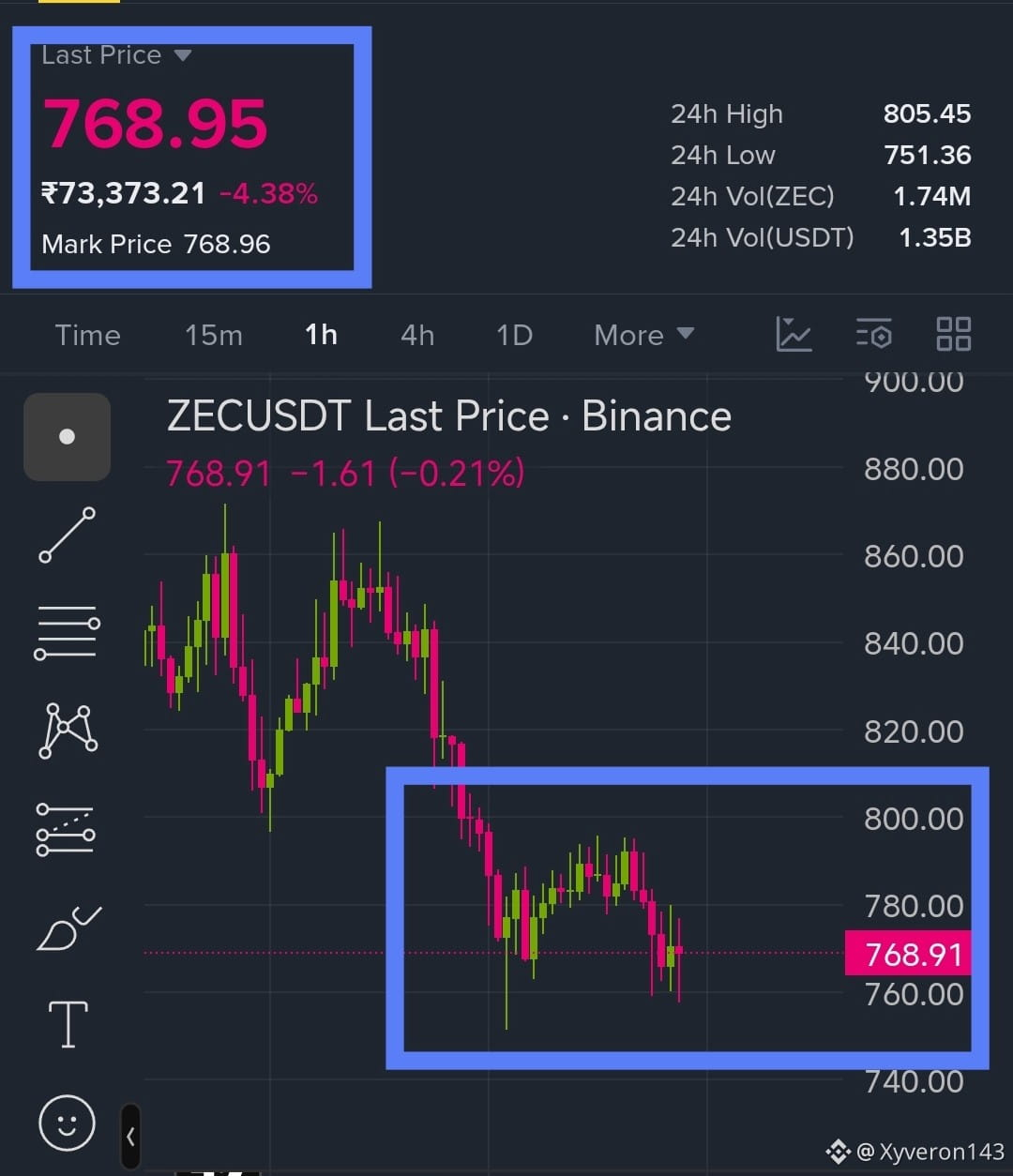
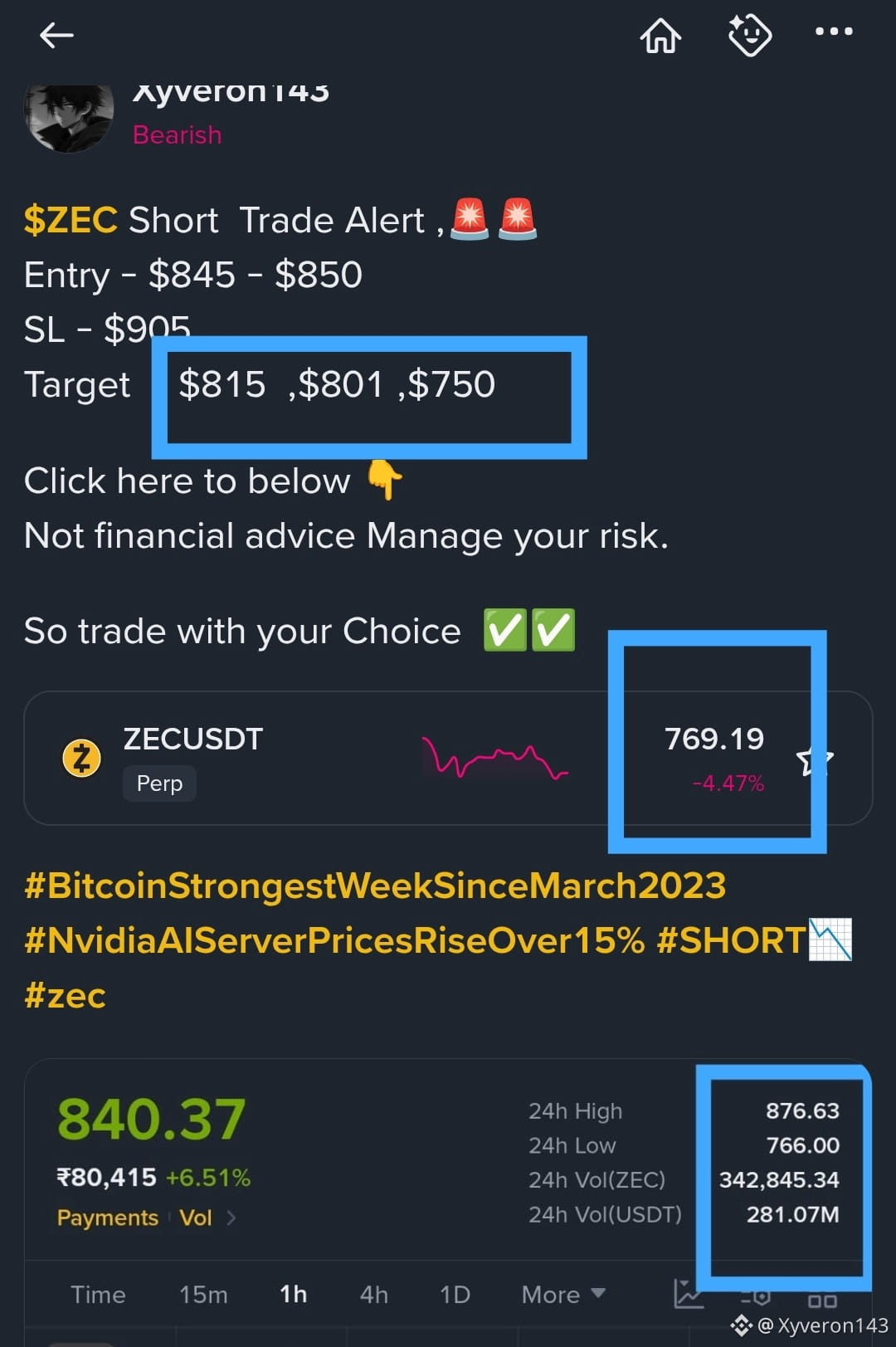
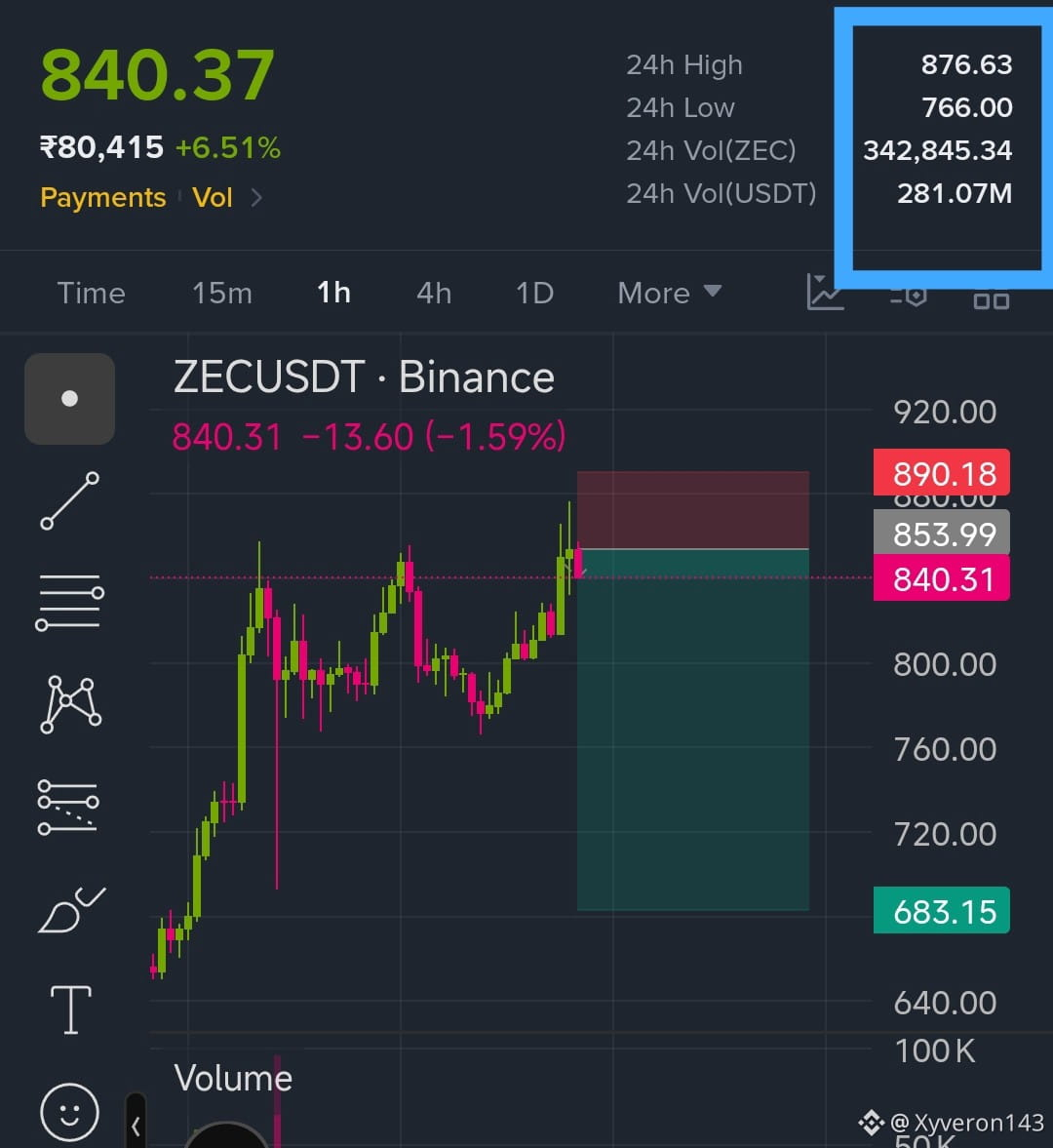
$ZEC Short Trade Alert ,🚨🚨
Entry - $845 - $850
SL - $905
Target - $815 ,$801 ,$750
Click here to below 👇
Not financial advice Manage your risk.
So trade with your Choice ✅✅
#BitcoinStrongestWeekSinceMarch2023 #NvidiaAIServerPricesRiseOver15% #SHORT📉 #zec
Entry - $845 - $850
SL - $905
Target - $815 ,$801 ,$750
Click here to below 👇
Not financial advice Manage your risk.
So trade with your Choice ✅✅
#BitcoinStrongestWeekSinceMarch2023 #NvidiaAIServerPricesRiseOver15% #SHORT📉 #zec
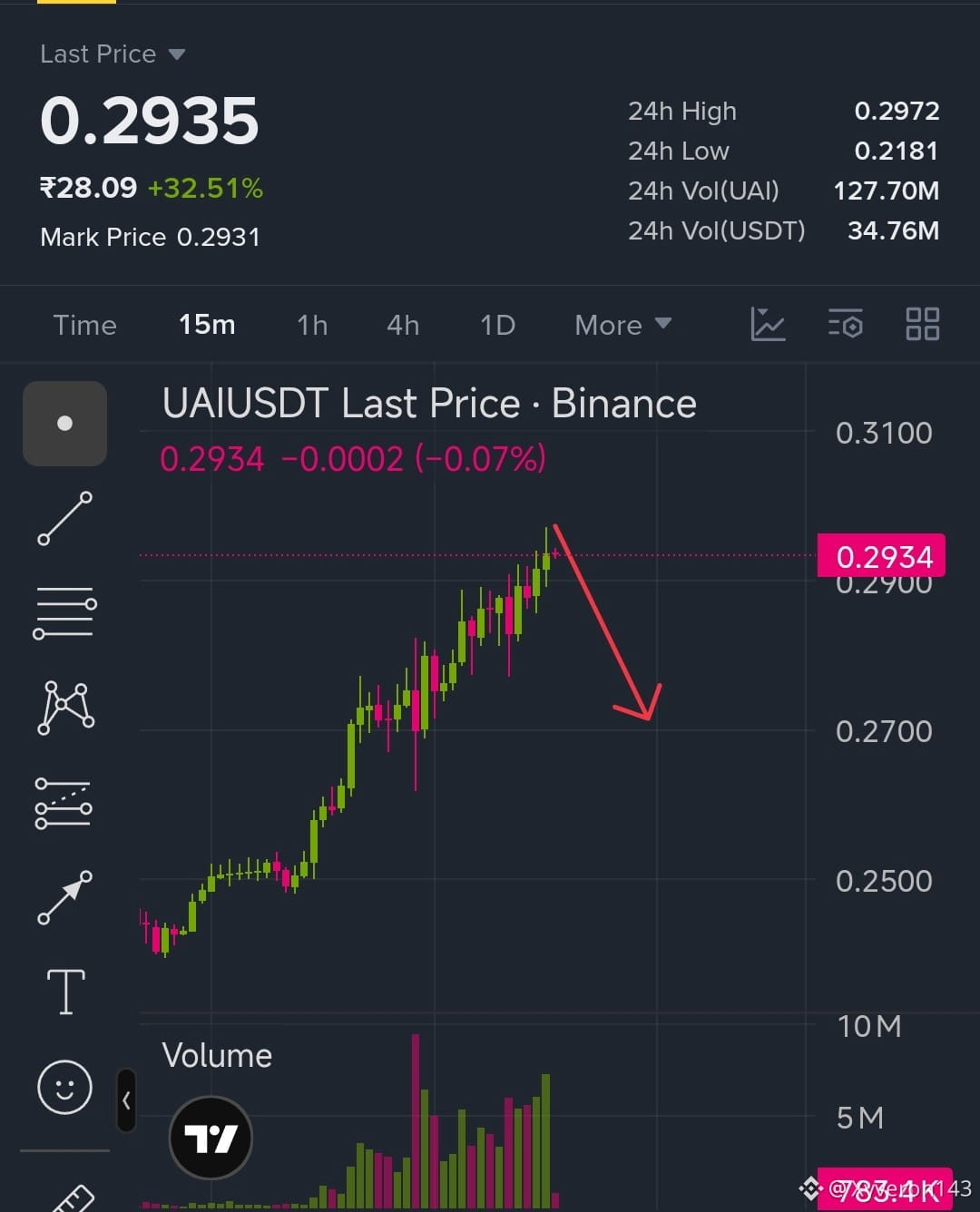
$UAI Short trade Alert 🚀🚨
Entry - $0.2930 - $0.2945
SL - $0.3100
Target :- $0.2821 ,$0.2650, $0.2478
#BitcoinStrongestWeekSinceMarch2023 #SHORT📉 #AnthropicIPOCouldTopSpaceXRecordReportsSay
Entry - $0.2930 - $0.2945
SL - $0.3100
Target :- $0.2821 ,$0.2650, $0.2478
#BitcoinStrongestWeekSinceMarch2023 #SHORT📉 #AnthropicIPOCouldTopSpaceXRecordReportsSay
#dusk $DUSK @Dusk
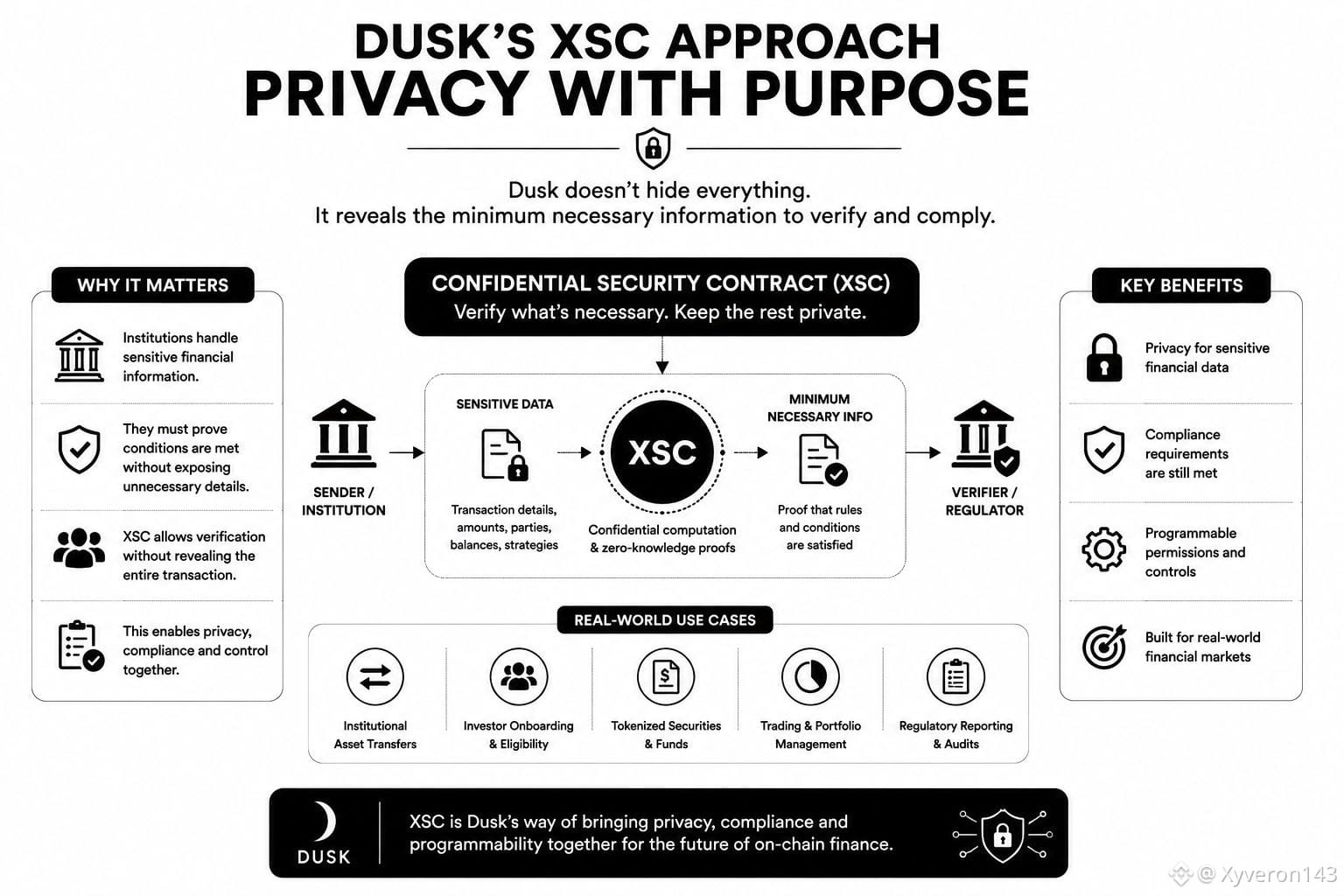
was curious about what makes Dusk different from other Layer 1 networks, so I spent some time looking into its Confidential Security Contract (XSC) approach today. What I found interesting is that Dusk is not trying to make every transaction completely hidden. Instead, it focuses on giving financial applications a way to keep sensitive information protected while still allowing the required rules and checks to work.
This matters because real financial activity often contains information that should not be visible to everyone. Think about an institution moving assets, managing investors, or handling regulated transactions. They may need to prove that certain conditions are met without exposing every detail of the activity. That is where confidential smart contracts can become useful.
Dusk combines this idea with programmable blockchain infrastructure designed for financial markets, which makes the concept even more interesting to me. The goal is not simply to add privacy as an extra feature, but to make privacy work together with compliance, permissions and financial processes.
I think this is an important direction for blockchain because wider adoption will require more than transparent transactions. Businesses and institutions also need control over sensitive information while still following regulatory requirements.
The more I research @Dusk , the more I see that its approach is about finding a middle ground between complete transparency and complete privacy. That balance could be important for bringing more real-world financial activity on-chain. Still learning, but XSC is definitely one of the Dusk features I wanted to understand better today.
was curious about what makes Dusk different from other Layer 1 networks, so I spent some time looking into its Confidential Security Contract (XSC) approach today. What I found interesting is that Dusk is not trying to make every transaction completely hidden. Instead, it focuses on giving financial applications a way to keep sensitive information protected while still allowing the required rules and checks to work.
This matters because real financial activity often contains information that should not be visible to everyone. Think about an institution moving assets, managing investors, or handling regulated transactions. They may need to prove that certain conditions are met without exposing every detail of the activity. That is where confidential smart contracts can become useful.
Dusk combines this idea with programmable blockchain infrastructure designed for financial markets, which makes the concept even more interesting to me. The goal is not simply to add privacy as an extra feature, but to make privacy work together with compliance, permissions and financial processes.
I think this is an important direction for blockchain because wider adoption will require more than transparent transactions. Businesses and institutions also need control over sensitive information while still following regulatory requirements.
The more I research @Dusk , the more I see that its approach is about finding a middle ground between complete transparency and complete privacy. That balance could be important for bringing more real-world financial activity on-chain. Still learning, but XSC is definitely one of the Dusk features I wanted to understand better today.
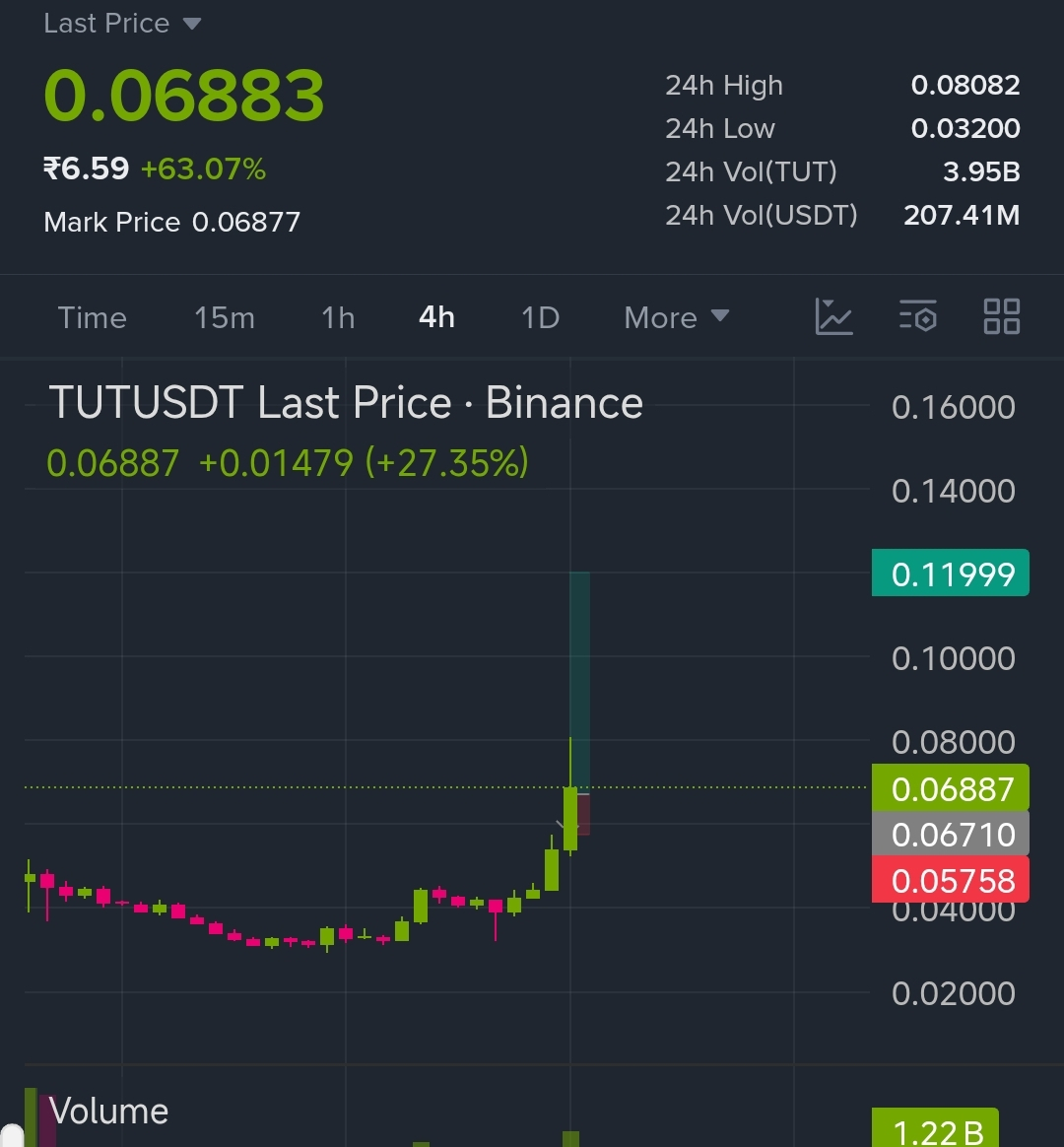
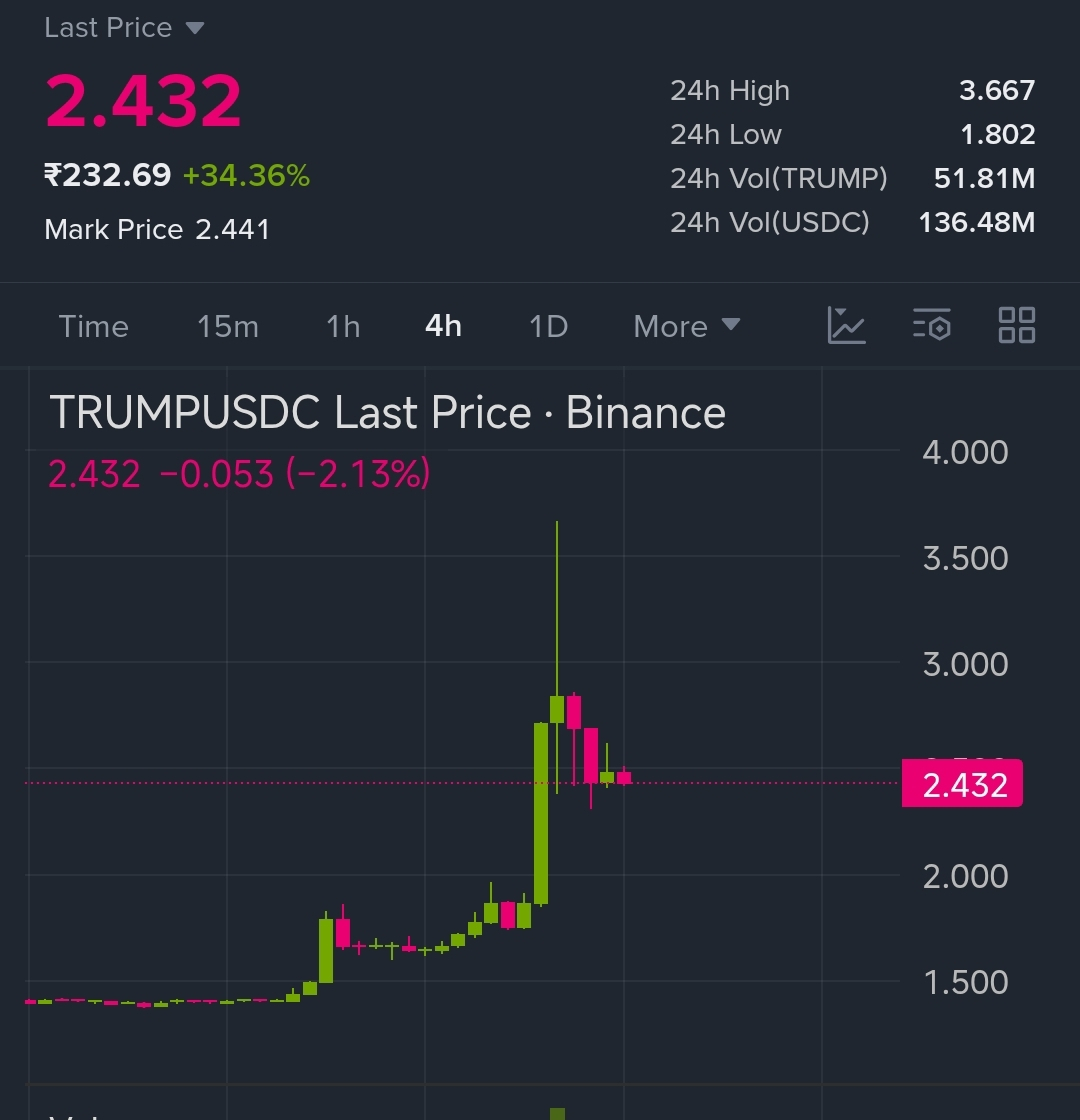
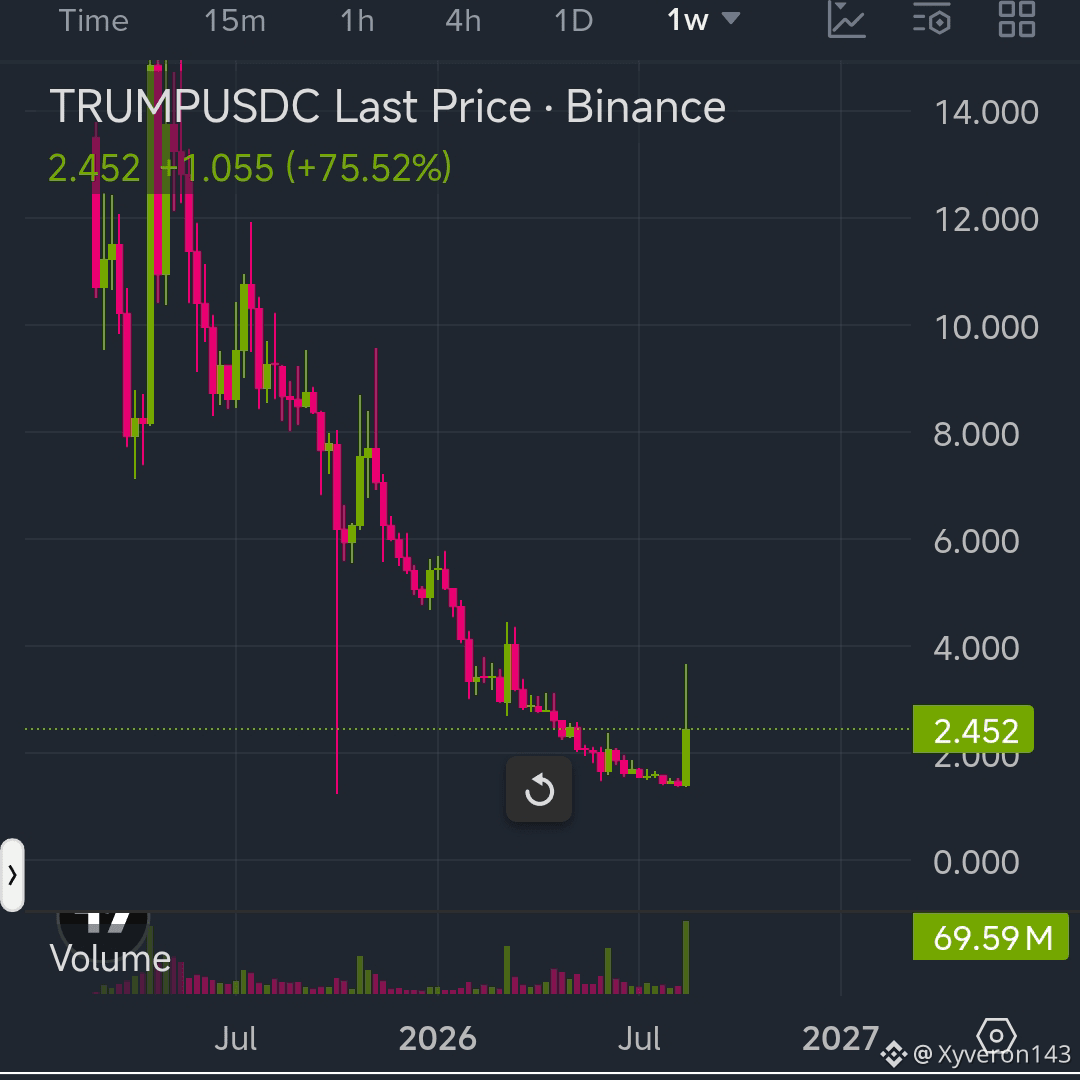
Today 2 most unpredictable coin candal
🙄 What happen in market today
Who is disturbed this coin today
That's the question curious 🤔 everyone
They both showing pressure to me
$TUT $TRUMP
🙄 What happen in market today
Who is disturbed this coin today
That's the question curious 🤔 everyone
They both showing pressure to me
$TUT $TRUMP
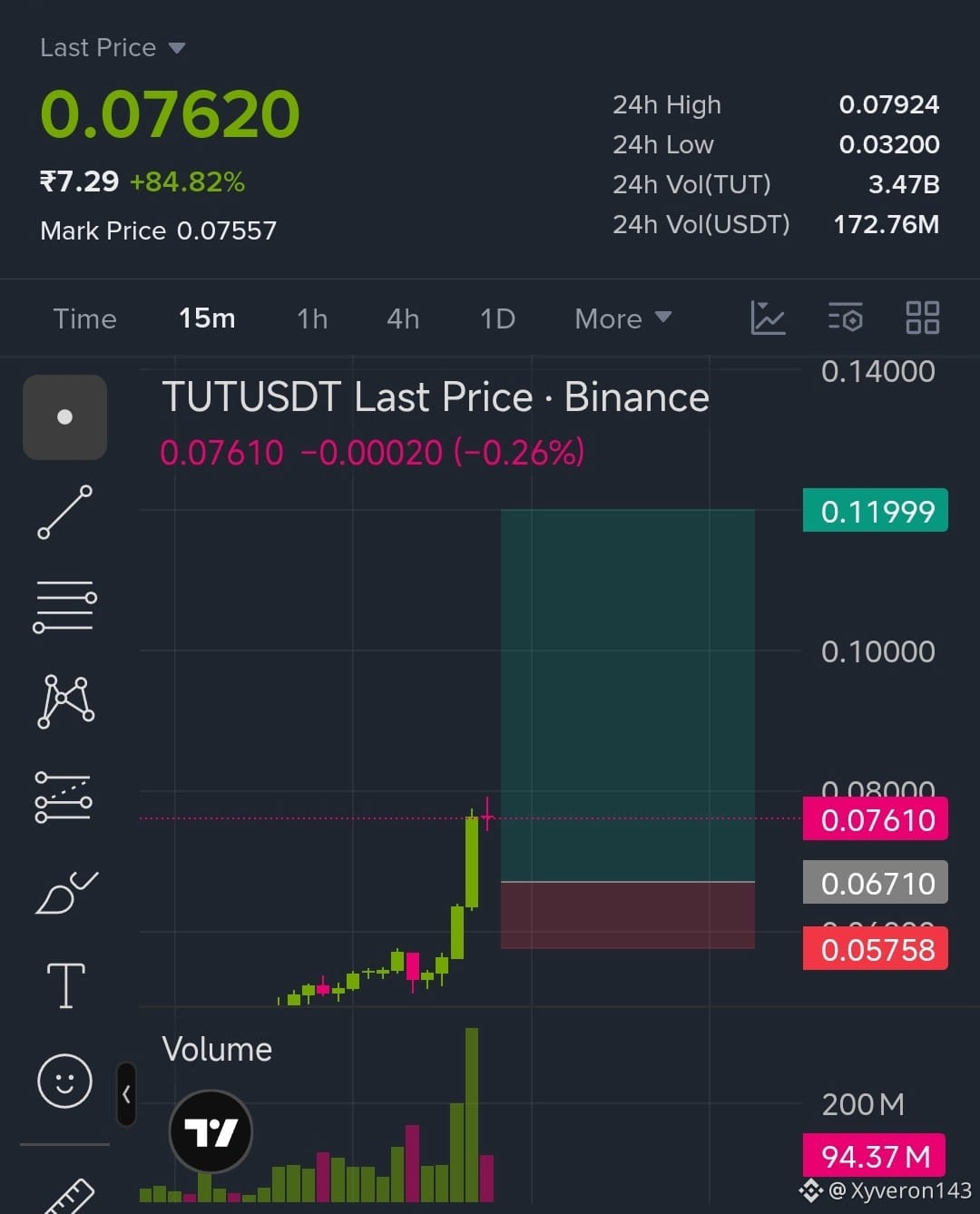
$TUT Long position catch time 🚨🚨
Entry - $0.07234 - $0.6640
SL - $0.05890
Target - $0.07980 ,$0.08230 ,$0.08600 ,$0.08910 ,$0.09100
Click here to below 👇
Not financial advice Manage your risk.
So trade with your Choice ✅✅
Entry - $0.07234 - $0.6640
SL - $0.05890
Target - $0.07980 ,$0.08230 ,$0.08600 ,$0.08910 ,$0.09100
Click here to below 👇
Not financial advice Manage your risk.
So trade with your Choice ✅✅
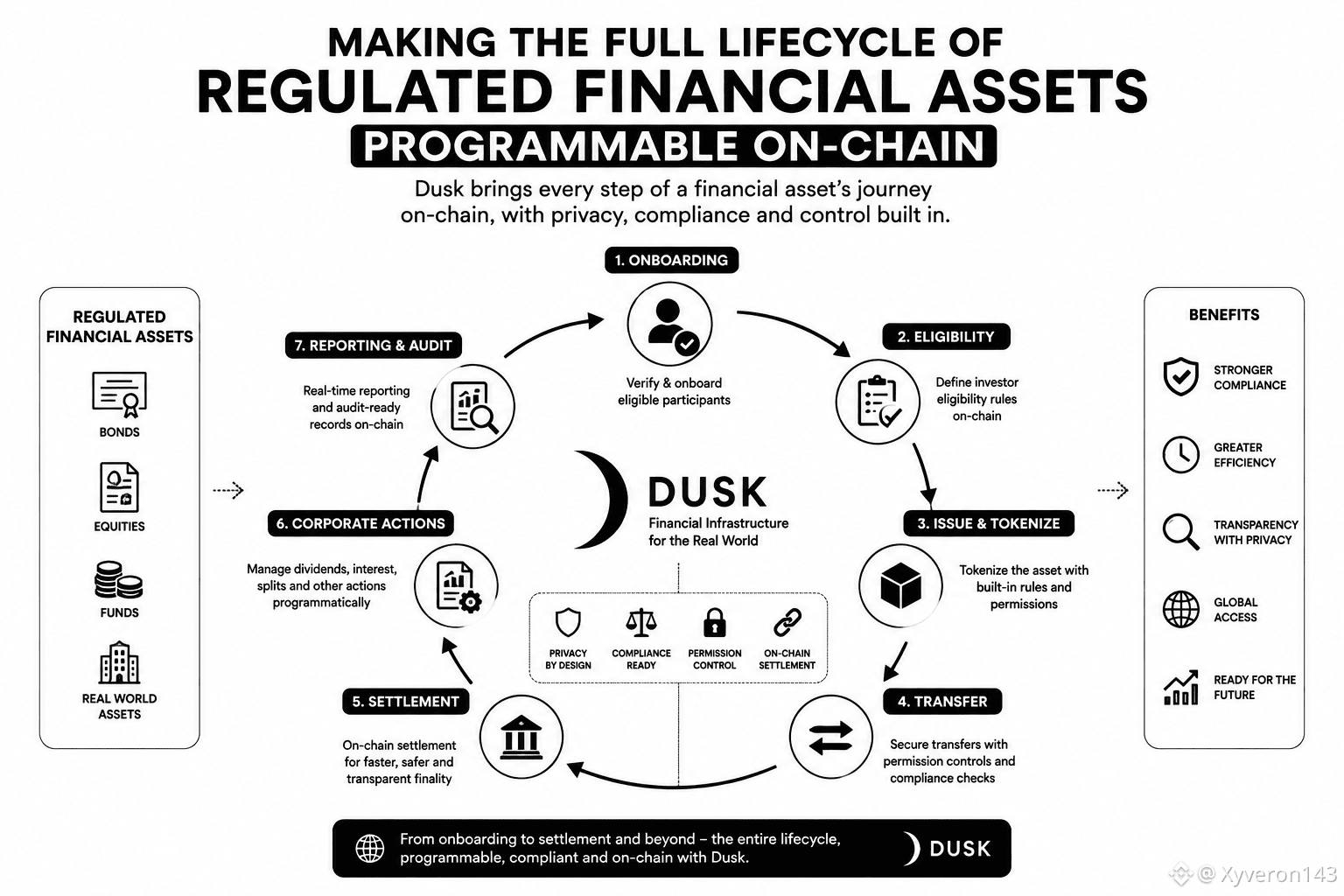
#dusk $DUSK I was curious about what @Dusk is really building, so I did some research today. What I found was interesting. The more I explore dusk, the more I notice that its focus goes beyond just privacy. One thing that really stands out to me is the idea of making financial activity programmable on-chain. In traditional markets, things like who can hold an asset, who is eligible to buy it, how it can be transferred, and what happens after a trade are controlled by different rules and processes. Dusk is working to bring more of these rules directly into the blockchain infrastructure, which could be especially useful for tokenized securities and other regulated assets. I think tokenization itself is only the beginning. The bigger challenge starts after an asset becomes digital, because you still need onboarding, eligibility checks, transfers, settlement, reporting and other financial processes to work properly. If these different parts can connect and operate on-chain, blockchain becomes much more than a place to move tokens. It starts looking more like real financial infrastructure that can support the complete lifecycle of an asset. That is what I find interesting about Dusk. It is not simply trying to put traditional finance on a blockchain, but is looking at how the rules and processes behind financial assets can become part of the infrastructure itself. The more I learn about this approach, the more I understand why Dusk is focused on regulated markets and real-world financial use cases. $DUSK #dusk
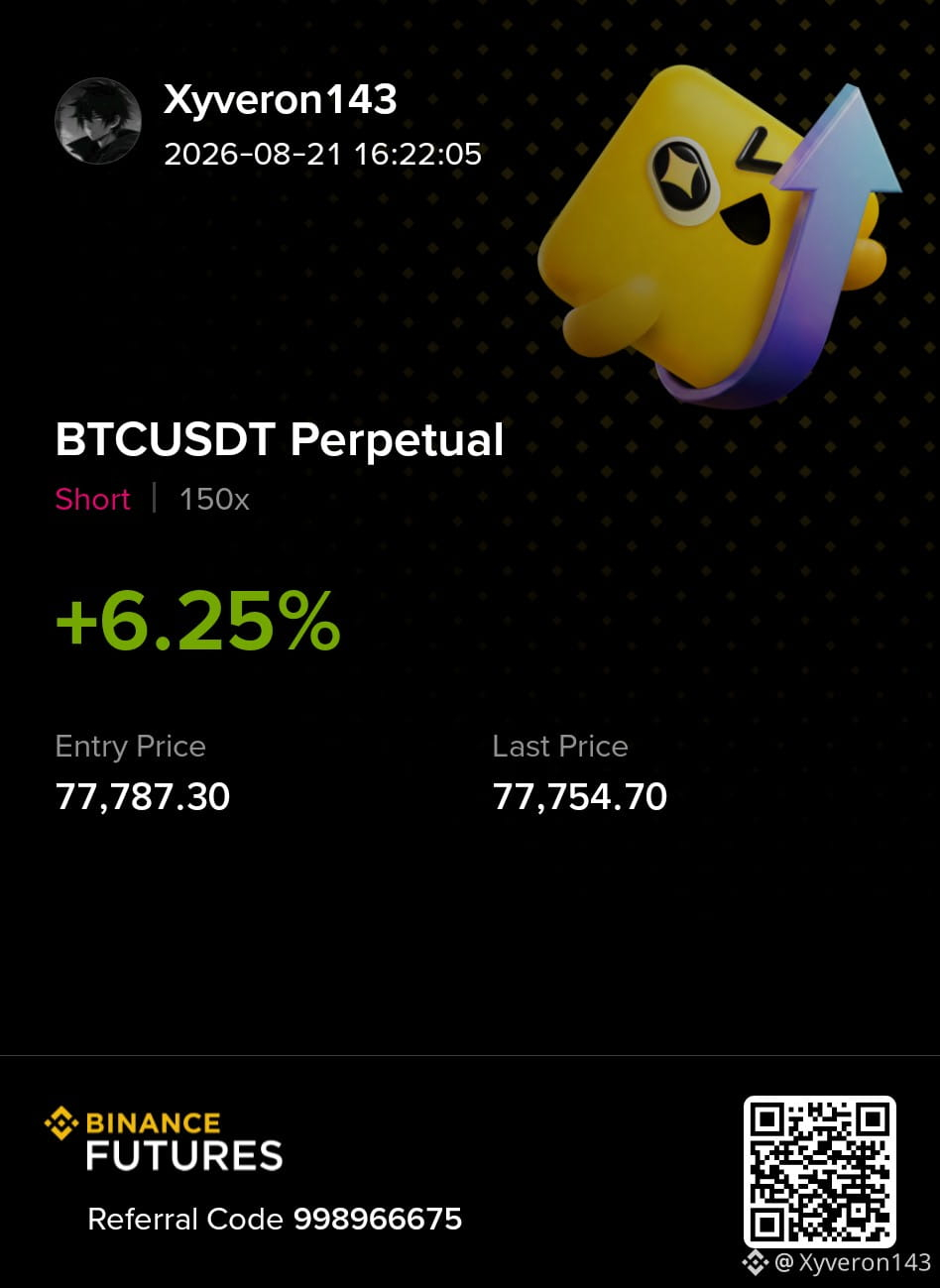
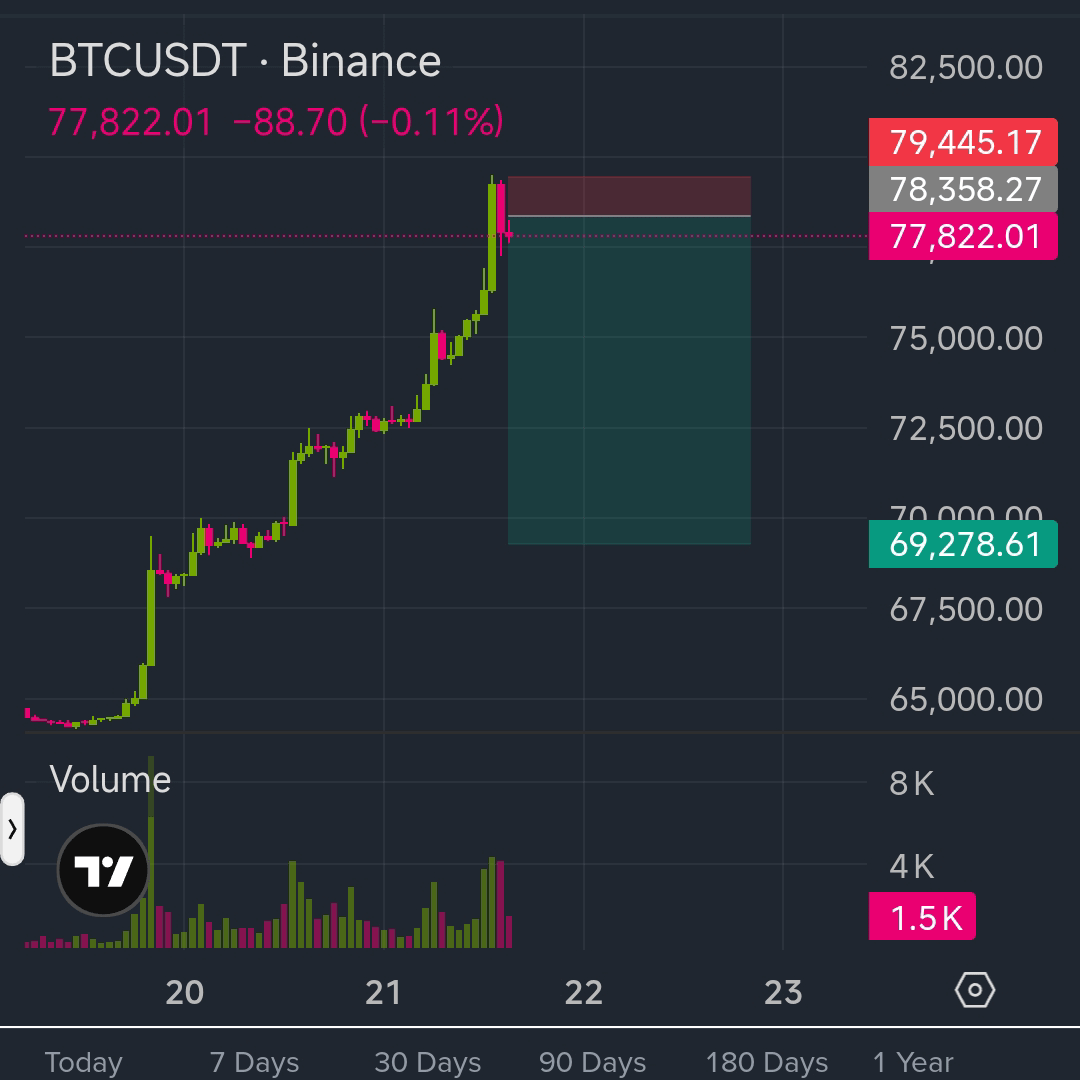
$BTC Short trade start 🚨
Entry at - CMP
SL - $78434
Target - $76000 ,$75121 ,$72564
#SamsungToAnnounceNewShareholderReturnPlanFriday #Binance #trade
Entry at - CMP
SL - $78434
Target - $76000 ,$75121 ,$72564
#SamsungToAnnounceNewShareholderReturnPlanFriday #Binance #trade
Privacy That Still Allows Verification
One of the biggest challenges for institutional finance is finding the right balance between transparency and confidentiality.
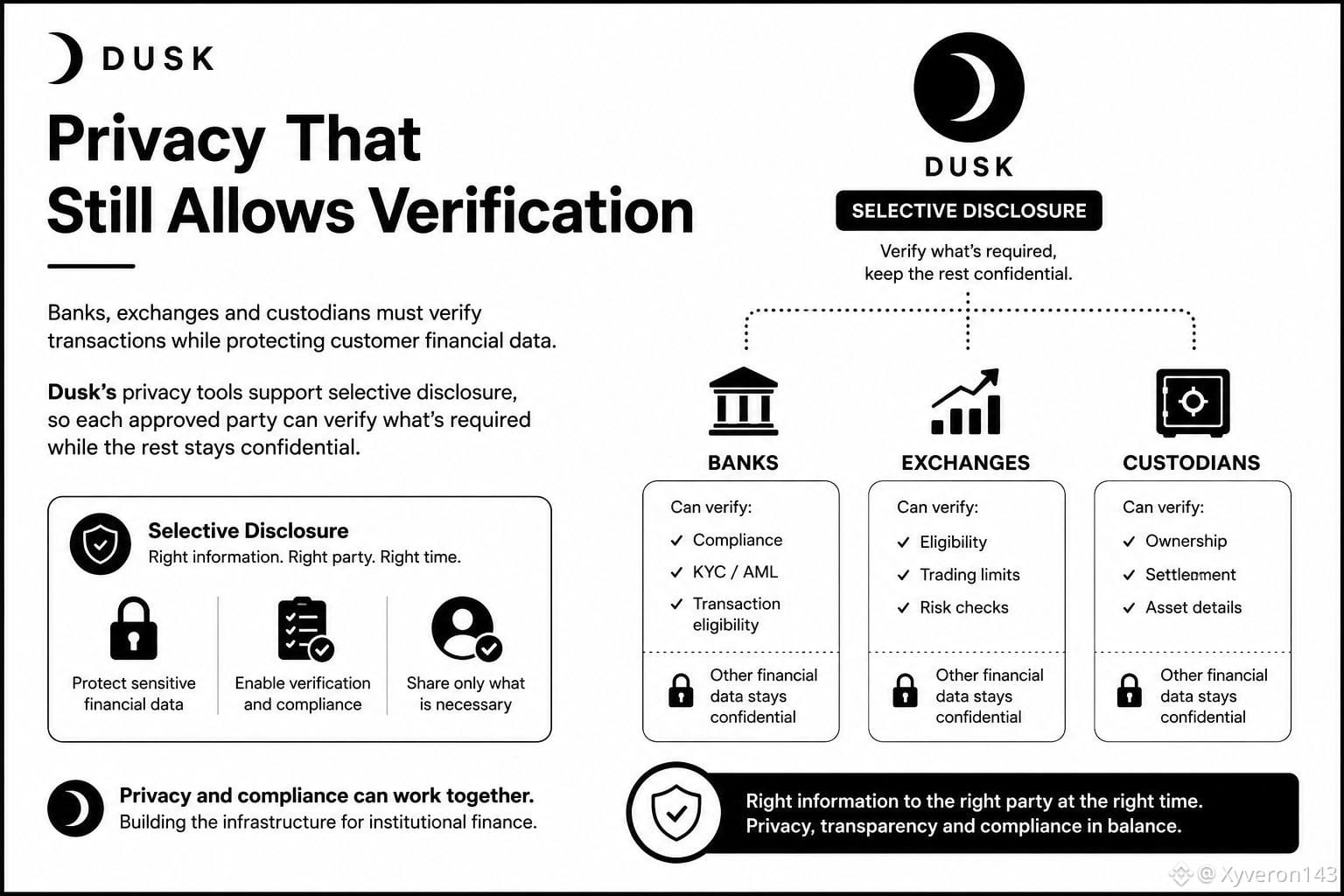
Banks, exchanges and custodians need to verify transactions, check eligibility, follow compliance requirements and complete settlements. But at the same time, they cannot simply expose every piece of customer financial information to everyone involved.
This is where @Dusk is approach to selective disclosure becomes interesting.
Instead of making financial information completely public or completely hidden, Dusk focuses on sharing only what an approved party actually needs to verify. A bank might need certain information for compliance, an exchange may need to confirm eligibility, while a custodian could require specific details for settlement. Each party can verify the necessary information without automatically getting access to everything else.
That distinction is important because institutional adoption of blockchain will require more than just moving assets on-chain.
Real financial infrastructure needs privacy, compliance, permissions, settlement and verification to work together. If every transaction exposes sensitive financial data, institutions may hesitate to use public blockchain infrastructure. But if everything remains hidden, regulators and authorized participants may not have enough information to perform their responsibilities.
Selective disclosure offers a more practical middle ground.
The goal is not to hide financial activity from everyone. The goal is to make information accessible to the right party, for the right purpose, at the right time.
This could become increasingly important as tokenized securities and real-world assets move toward on-chain settlement.
Dusk is exploring a model where privacy does not mean sacrificing accountability, and compliance does not require exposing unnecessary information.
For institutional finance, that balance could be one of the most important pieces of the puzzle. 🔐🏦 #dusk $DUSK
One of the biggest challenges for institutional finance is finding the right balance between transparency and confidentiality.
Banks, exchanges and custodians need to verify transactions, check eligibility, follow compliance requirements and complete settlements. But at the same time, they cannot simply expose every piece of customer financial information to everyone involved.
This is where @Dusk is approach to selective disclosure becomes interesting.
Instead of making financial information completely public or completely hidden, Dusk focuses on sharing only what an approved party actually needs to verify. A bank might need certain information for compliance, an exchange may need to confirm eligibility, while a custodian could require specific details for settlement. Each party can verify the necessary information without automatically getting access to everything else.
That distinction is important because institutional adoption of blockchain will require more than just moving assets on-chain.
Real financial infrastructure needs privacy, compliance, permissions, settlement and verification to work together. If every transaction exposes sensitive financial data, institutions may hesitate to use public blockchain infrastructure. But if everything remains hidden, regulators and authorized participants may not have enough information to perform their responsibilities.
Selective disclosure offers a more practical middle ground.
The goal is not to hide financial activity from everyone. The goal is to make information accessible to the right party, for the right purpose, at the right time.
This could become increasingly important as tokenized securities and real-world assets move toward on-chain settlement.
Dusk is exploring a model where privacy does not mean sacrificing accountability, and compliance does not require exposing unnecessary information.
For institutional finance, that balance could be one of the most important pieces of the puzzle. 🔐🏦 #dusk $DUSK
Verified
If one door is closing, it doesn’t mean there are no doors left. Sometimes, one closed door simply opens the way to many new ones, and for me, Dusk is one of those new doors.
I was looking into another side of @Dusk today, and this time it’s the developer side that caught my attention. Dusk is designed with financial applications in mind, but it also gives developers the flexibility to build through its EVM environment. With DuskEVM, developers can work with familiar tools, Solidity and smart contract frameworks instead of starting from zero. I think this matters because good blockchain infrastructure is not only about what happens behind the scenes, but also about how easily developers can use it. If builders can bring the tools and knowledge they already have, creating and testing new ideas becomes much simpler. This could be useful for applications around tokenization, financial assets and other use cases where privacy and compliance are important. The more I explore Dusk, the more I see that it is trying to connect developer flexibility with real-world financial needs. For me, that combination makes the ecosystem worth watching and exploring further. $DUSK #dusk #dusk $DUSK
I was looking into another side of @Dusk today, and this time it’s the developer side that caught my attention. Dusk is designed with financial applications in mind, but it also gives developers the flexibility to build through its EVM environment. With DuskEVM, developers can work with familiar tools, Solidity and smart contract frameworks instead of starting from zero. I think this matters because good blockchain infrastructure is not only about what happens behind the scenes, but also about how easily developers can use it. If builders can bring the tools and knowledge they already have, creating and testing new ideas becomes much simpler. This could be useful for applications around tokenization, financial assets and other use cases where privacy and compliance are important. The more I explore Dusk, the more I see that it is trying to connect developer flexibility with real-world financial needs. For me, that combination makes the ecosystem worth watching and exploring further. $DUSK #dusk #dusk $DUSK
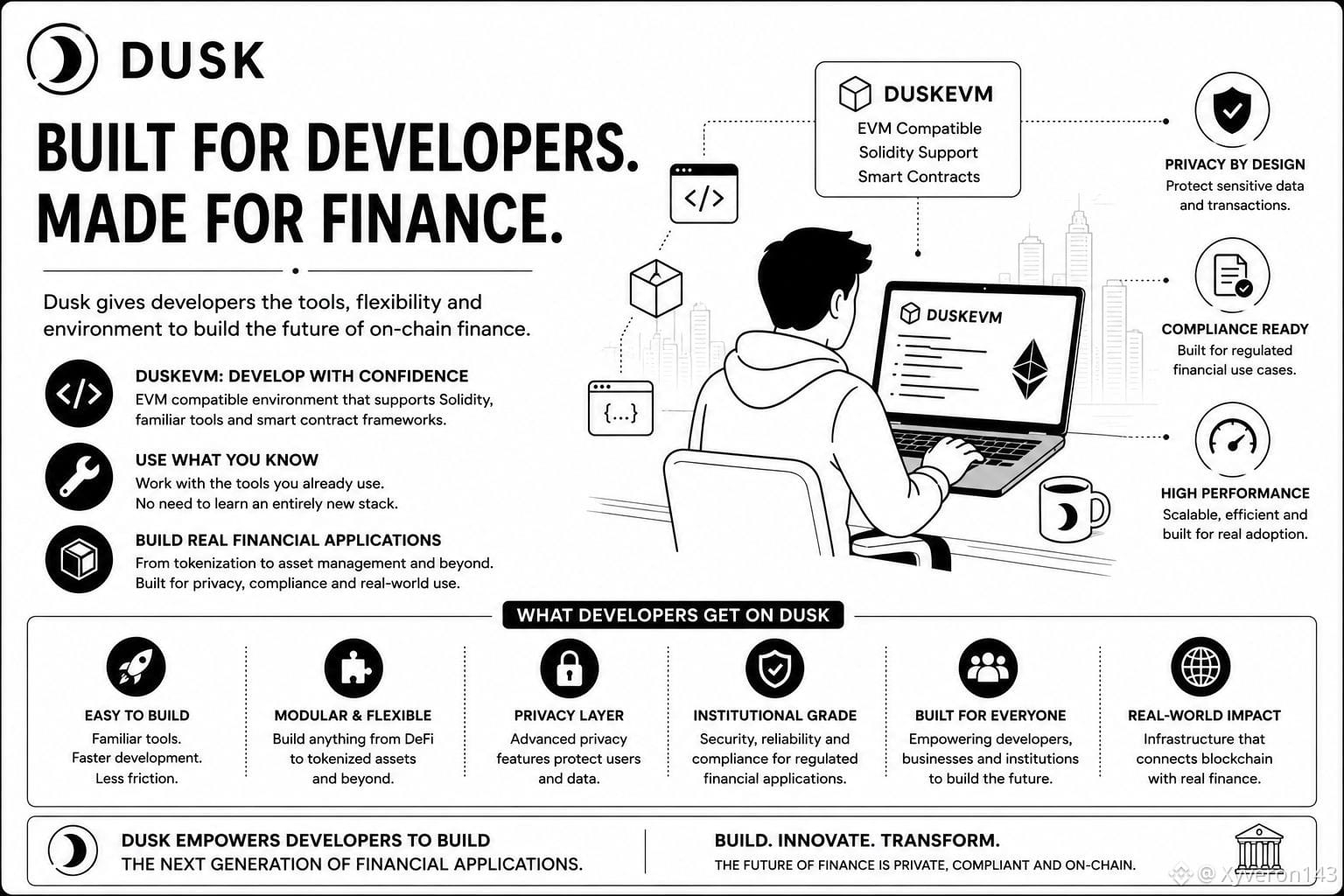
$DUSK is one of those projects that gets more interesting the deeper you look into it. 👀 The focus on bringing privacy and compliance together could be a big deal if blockchain is going to play a serious role in traditional finance. But what do you think is the strongest part of Dusk right now?
Vote below 👇 I want to see what the community thinks.
Vote below 👇 I want to see what the community thinks.
Privacy 🔏
50%
Compliance 🤖
50%
Real world Assets 😀
0%
Fast finality ✅
0%
2 votes • Voting closed
Log in to explore more content