
MR-Mohit₃
6.1k Posts

MR-Mohit₃
Content maker Crypto learner Sharing market insights (X.@MrMoHit41)
Open Trade
Frequent Trader
4.5 Years
1.3K+ Following
27.0K+ Followers
13.0K+ Liked
Posts
Portfolio
All
Quotes
Videos
Live
PINNED
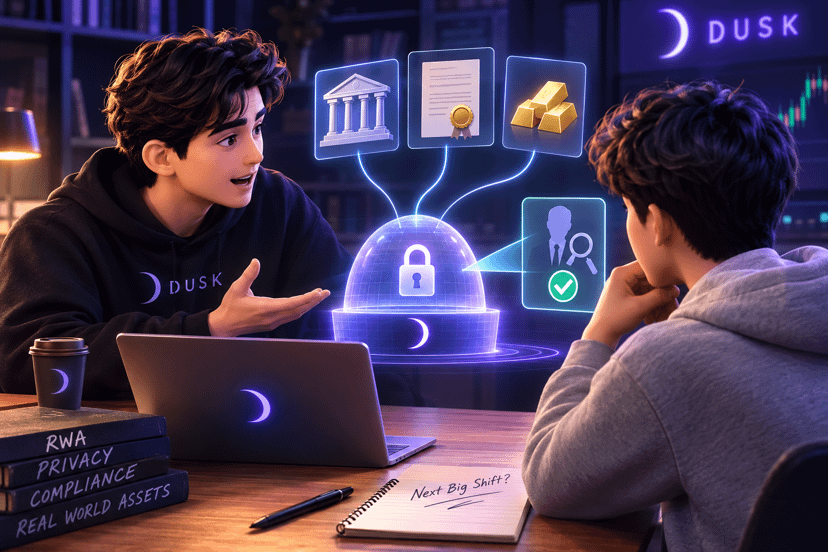
$DUSK #dusk @Dusk At first I assumed the whole RWA thing was just “put the security in a token and you’re done.” Spent some time on Dusk and that started to feel lazy. Tokenizing is easy. Leaving every holding, transfer, and counterparty sitting on a public chain is the part institutions will not swallow.
What I keep coming back to is they are not treating privacy and compliance like two opposite goals. Phoenix hides the note. The network still checks the move with zero-knowledge proofs. Then selective disclosure lets an auditor or an issuer open one slice of it without dumping the whole book. That is closer to how regulated markets already work than the usual transparent-ledger setup. Deterministic settlement matters here too. If a trade can still wobble, it is not settled.
The open question for me is whether that disclosure path holds up once real issuers and real compliance teams are in it, not just docs. If it does, how much of the old post-trade mess is actually required?
$BTR $TAC
What I keep coming back to is they are not treating privacy and compliance like two opposite goals. Phoenix hides the note. The network still checks the move with zero-knowledge proofs. Then selective disclosure lets an auditor or an issuer open one slice of it without dumping the whole book. That is closer to how regulated markets already work than the usual transparent-ledger setup. Deterministic settlement matters here too. If a trade can still wobble, it is not settled.
The open question for me is whether that disclosure path holds up once real issuers and real compliance teams are in it, not just docs. If it does, how much of the old post-trade mess is actually required?
$BTR $TAC
✅ Yes
🔴 No
14 hr(s) left
Verified
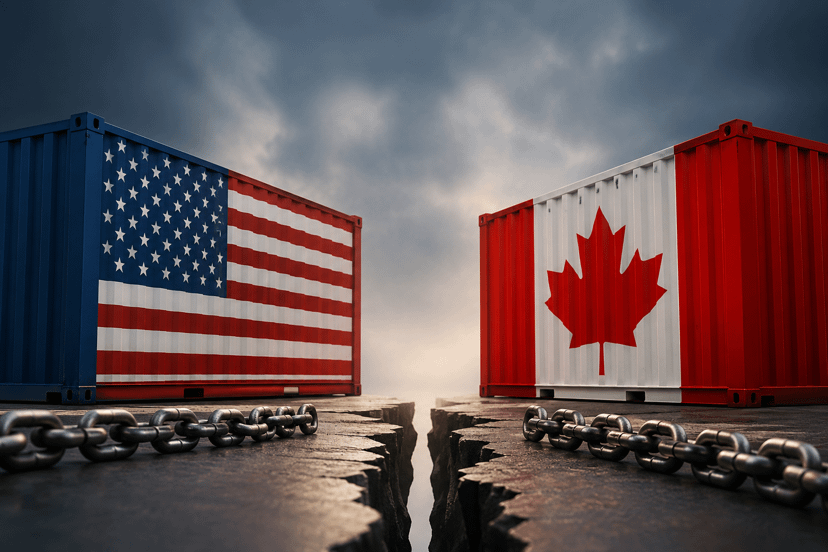
🚨 TRADE WAR TENSIONS WITH CANADA ARE HEATING UP AGAIN.
U.S. Trade Representative Greer says the U.S. wanted mutual protection on steel and aluminum in talks with Canada.
And the warning was pretty direct:
If Canada retaliates further, the U.S. “will not just sit down and take that.”
He also says the U.S. doesn’t currently have open channels with Canada.
This could get interesting very quickly. 🇺🇸🇨🇦
#SECSendsCryptoCustodyRuleToWhiteHouse $BTC $BTR $ONG
U.S. Trade Representative Greer says the U.S. wanted mutual protection on steel and aluminum in talks with Canada.
And the warning was pretty direct:
If Canada retaliates further, the U.S. “will not just sit down and take that.”
He also says the U.S. doesn’t currently have open channels with Canada.
This could get interesting very quickly. 🇺🇸🇨🇦
#SECSendsCryptoCustodyRuleToWhiteHouse $BTC $BTR $ONG
✅ CANADA
✅ U.S
16 hr(s) left
Verified
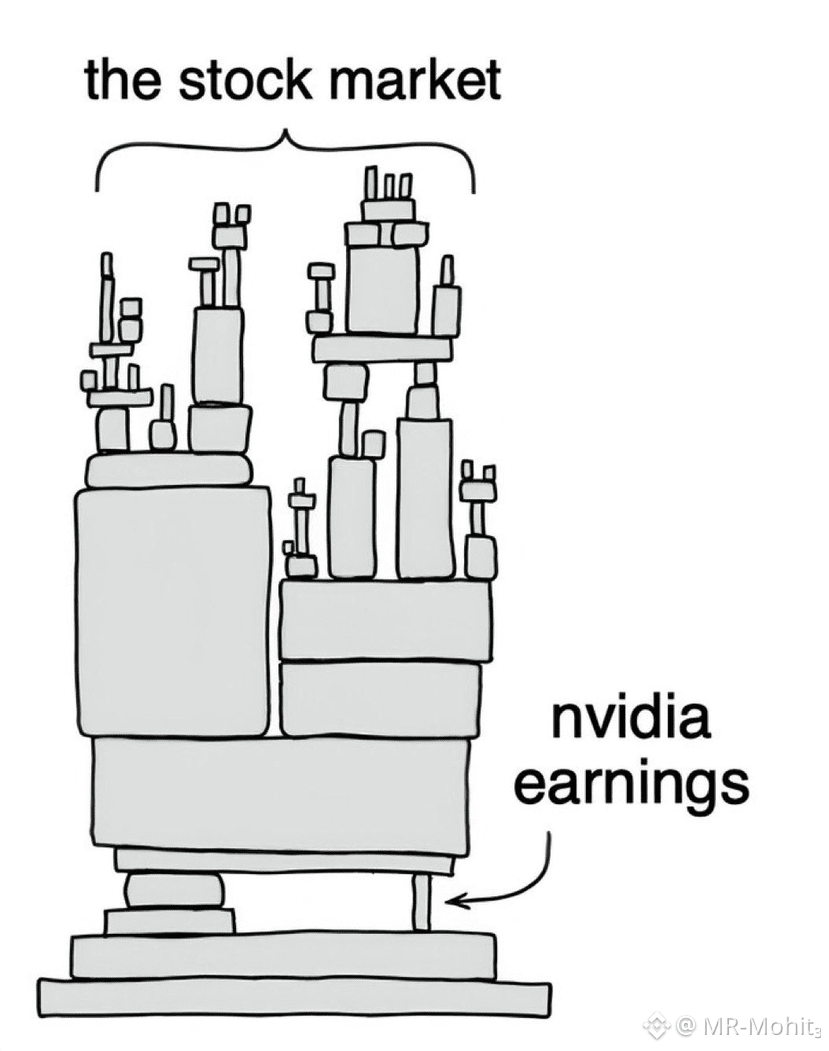
NVIDIA just dropped another monster quarter.
$96.2B in revenue.
$89B from Data Center alone.
And they’re guiding for around $108B next quarter.
But the numbers aren’t even the part I’m watching most.
One customer already accounts for 16% of revenue. H200 inventory caused a $400M charge. Supplier commitments jumped to $279B.
And Vera Rubin is already in full production.
Jensen saying “AI has reached its inflection point” doesn’t sound like a throwaway line anymore.
NVIDIA isn’t slowing down.
The crazy part?
This might still be early. 🔥 $NVDAB $ONG $BTR #SECSendsCryptoCustodyRuleToWhiteHouse
$96.2B in revenue.
$89B from Data Center alone.
And they’re guiding for around $108B next quarter.
But the numbers aren’t even the part I’m watching most.
One customer already accounts for 16% of revenue. H200 inventory caused a $400M charge. Supplier commitments jumped to $279B.
And Vera Rubin is already in full production.
Jensen saying “AI has reached its inflection point” doesn’t sound like a throwaway line anymore.
NVIDIA isn’t slowing down.
The crazy part?
This might still be early. 🔥 $NVDAB $ONG $BTR #SECSendsCryptoCustodyRuleToWhiteHouse
Partly True
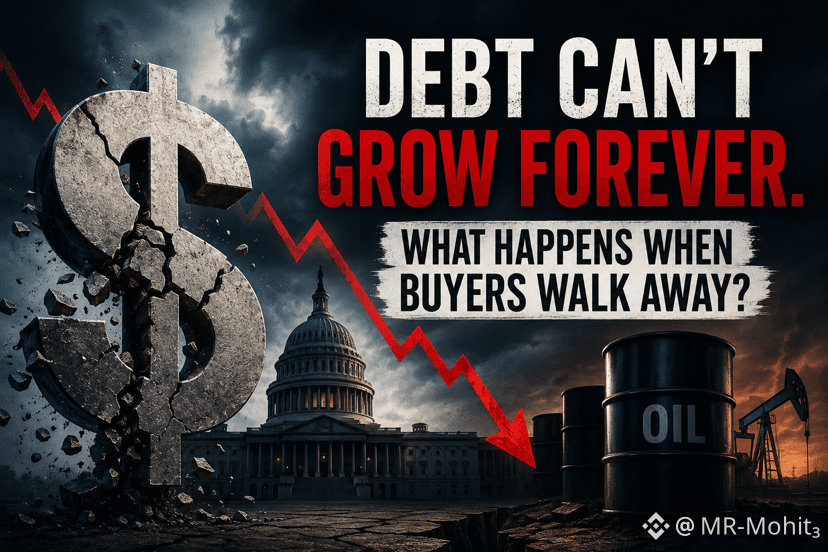
This is the part that caught my attention.
Barkin says if US debt keeps piling up, investors could eventually just stop buying.
That sounds simple, but it’s a pretty serious warning.
And today’s oil data isn’t exactly boring either — crude inventories jumped 4.2M barrels, while gasoline stocks dropped 3.2M.
Feels like there’s a lot more going on under the surface right now. 👀
$CL $MUBARAK $PEOPLE #KazakhstanCutsOilOutputForecastTo96MTons #BitcoinRejectedAt$81K50WeekMA
Barkin says if US debt keeps piling up, investors could eventually just stop buying.
That sounds simple, but it’s a pretty serious warning.
And today’s oil data isn’t exactly boring either — crude inventories jumped 4.2M barrels, while gasoline stocks dropped 3.2M.
Feels like there’s a lot more going on under the surface right now. 👀
$CL $MUBARAK $PEOPLE #KazakhstanCutsOilOutputForecastTo96MTons #BitcoinRejectedAt$81K50WeekMA
Japan might be turning the tables on the yen. 🇯🇵
57% of economists now expect the BOJ to hike to 1.25% in September — way up from just 5% in the last survey.
Most also see 1.50%+ by Q1 2027.
And with 89% saying Japan’s fiscal policy could keep pressure on the yen…
this could get interesting real quick. 👀
$龙虾 $BMT $ZEC
#JapanNoAdditionalOilReserveReleaseInSepOct
57% of economists now expect the BOJ to hike to 1.25% in September — way up from just 5% in the last survey.
Most also see 1.50%+ by Q1 2027.
And with 89% saying Japan’s fiscal policy could keep pressure on the yen…
this could get interesting real quick. 👀
$龙虾 $BMT $ZEC
#JapanNoAdditionalOilReserveReleaseInSepOct
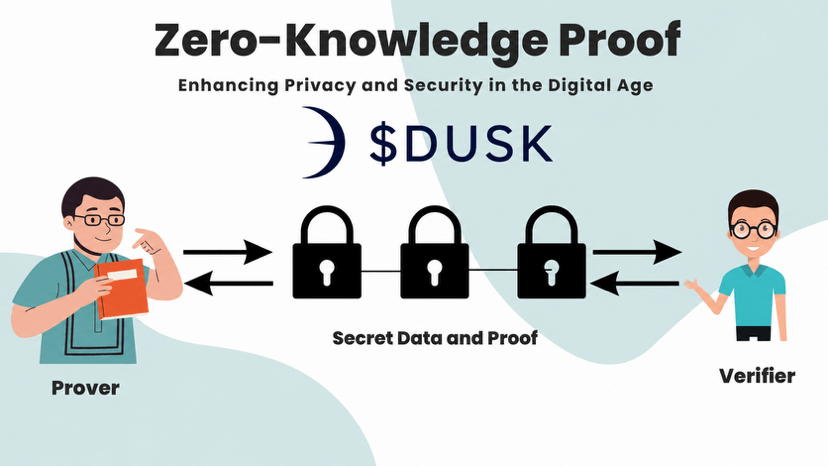
@Dusk $DUSK #dusk At first I assumed the whole privacy thing in crypto was just a non-starter for anything serious in finance—like, how do you even regulate what you can’t see? But looking into Dusk, it seems they’re after something else: getting regulated markets on-chain while holding onto privacy, compliance, and the settlement predictability institutions expect.
What got me was compliance built into the infrastructure, not added later. Selective disclosure and zero-knowledge let you show only what’s required and keep the rest private, so you don’t lose auditability. Feels more like how finance already works than those fully open chains where positions are public and finality isn’t always locked in.
Institutional privacy plus deterministic settlement matters for anyone handling tokenized securities—leaks or uncertainty just aren’t options.
Not sure the complexity helps or hurts against simpler transparent systems though. Would this actually change how institutions approach on-chain markets?
$ONG $STAR
What got me was compliance built into the infrastructure, not added later. Selective disclosure and zero-knowledge let you show only what’s required and keep the rest private, so you don’t lose auditability. Feels more like how finance already works than those fully open chains where positions are public and finality isn’t always locked in.
Institutional privacy plus deterministic settlement matters for anyone handling tokenized securities—leaks or uncertainty just aren’t options.
Not sure the complexity helps or hurts against simpler transparent systems though. Would this actually change how institutions approach on-chain markets?
$ONG $STAR
🟢 UP
79%
🔴 DOWN
21%
29 votes • Voting closed
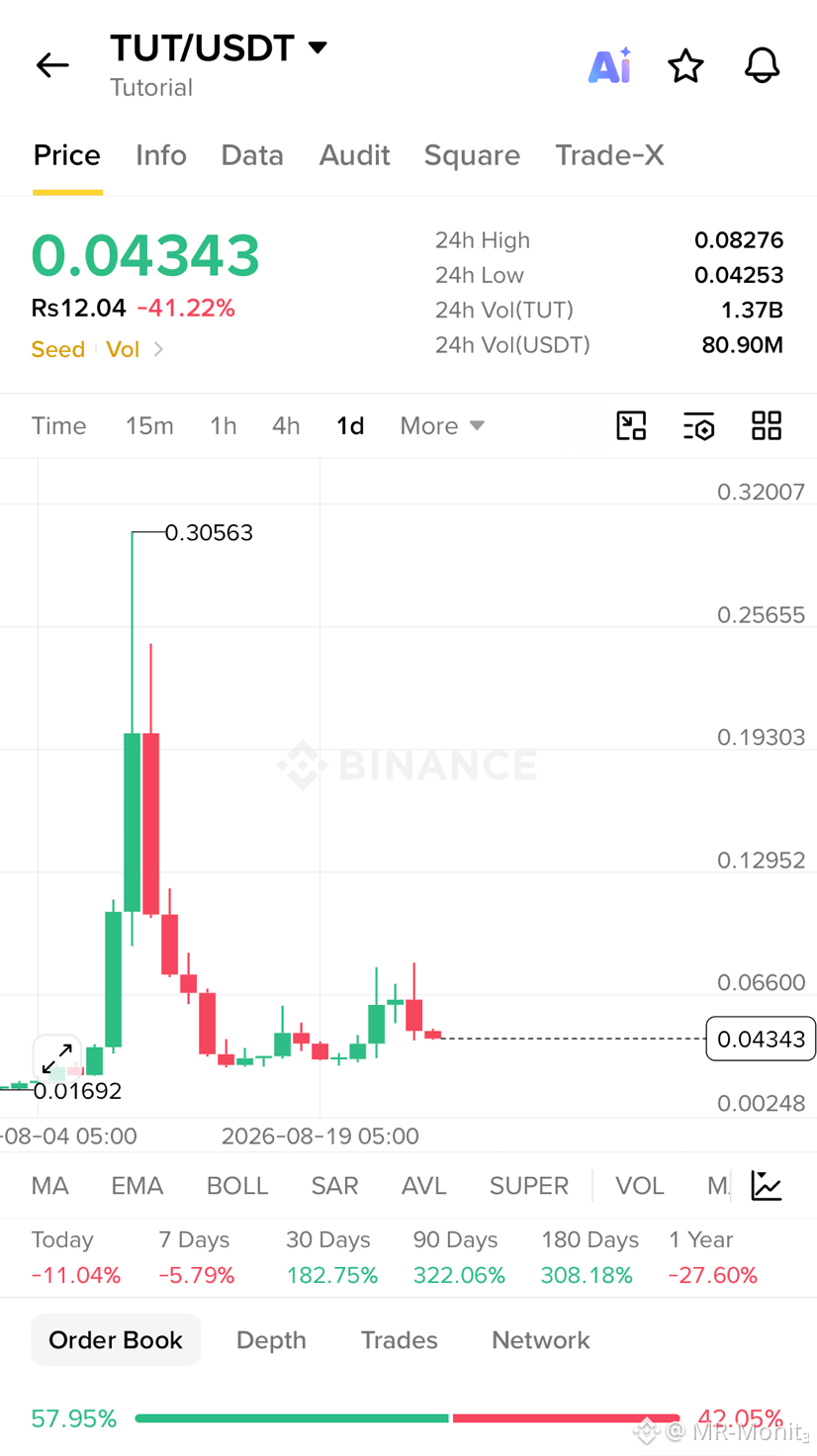
This chart is honestly starting to look too quiet 👀
I don’t think $TUT is staying around these levels for long. If momentum kicks in, that recent high could get tested sooner than people expect.
Stay ready, $TUT community. 🚀
Not financial advice, just watching the chart.
#BTCReaches$80000
#OilHoldsLosses
$BTC
I don’t think $TUT is staying around these levels for long. If momentum kicks in, that recent high could get tested sooner than people expect.
Stay ready, $TUT community. 🚀
Not financial advice, just watching the chart.
#BTCReaches$80000
#OilHoldsLosses
$BTC
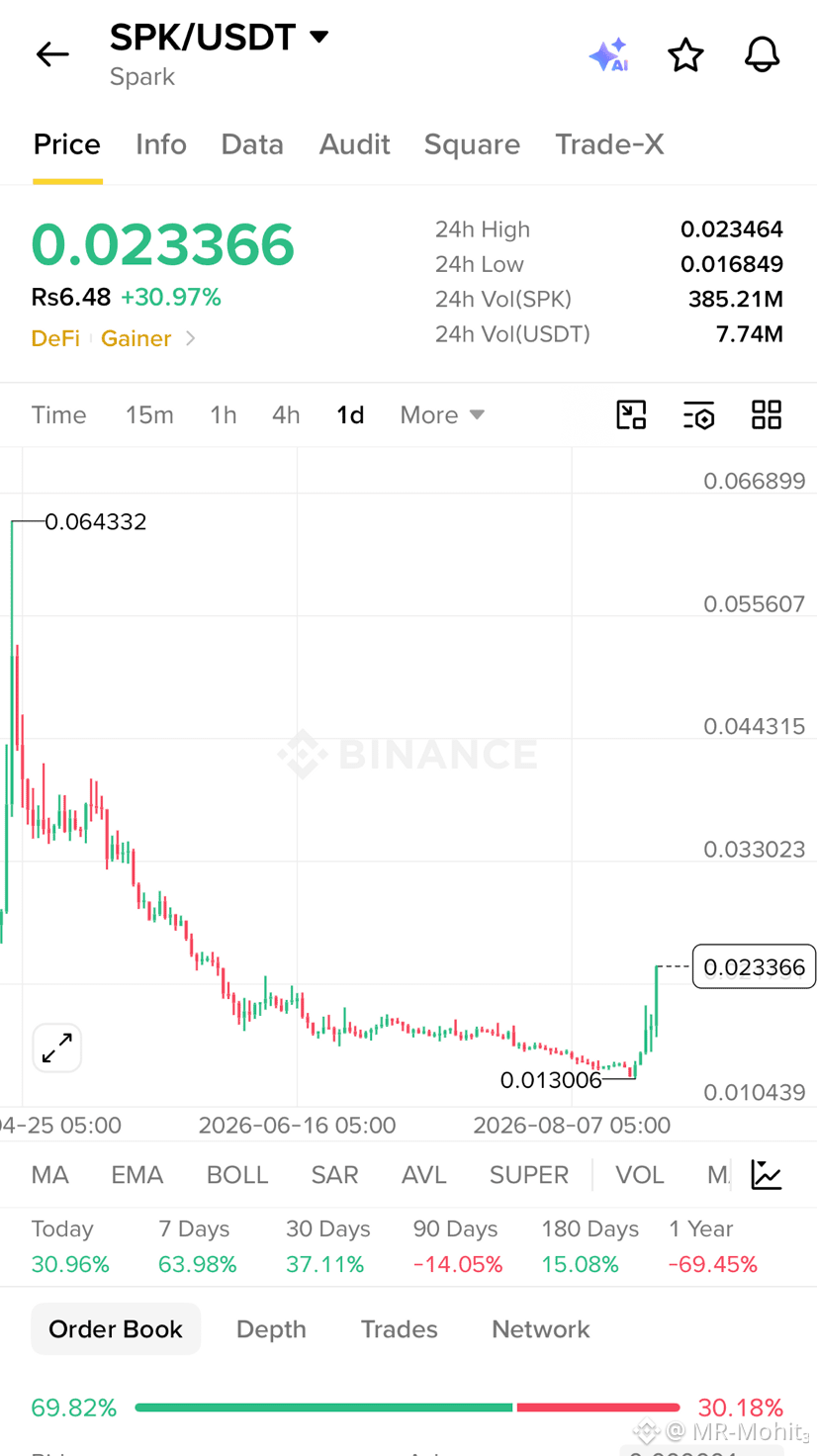
🚨 Is $SPK actually waking up? Look at this chart!
After bleeding down to 0.013, it just violently bounced +30% to 0.0233 with massive volume.
🎯 Next targets: Eyes on 0.033 and 0.044 next if this momentum holds.
Did you catch the bottom, or are you holding higher bags? Let’s talk! 👇
#SandboxSANDSuspectedInfiniteMintFlawOnBase #BitcoinStrongestWeekSinceMarch2023
$MORPHO
$TUT
After bleeding down to 0.013, it just violently bounced +30% to 0.0233 with massive volume.
🎯 Next targets: Eyes on 0.033 and 0.044 next if this momentum holds.
Did you catch the bottom, or are you holding higher bags? Let’s talk! 👇
#SandboxSANDSuspectedInfiniteMintFlawOnBase #BitcoinStrongestWeekSinceMarch2023
$MORPHO
$TUT
CRYPTO JUST HAD ONE OF THOSE WEEKS. 🚨
A week ago, the market felt dead.
Now look at what just happened:
🇺🇸 Trump met crypto leaders and talked about the Clarity Act + potential US purchases of BTC and altcoins.
🏛️ SEC and CFTC both pushed harder toward clearer crypto regulation.
₿ BTC ripped 28% from $62.3K → $79.5K and reclaimed the 200D MA.
⟠ ETH jumped 36% to a 7-month high.
💰 ETFs pulled in $1.92B BTC + $697M ETH.
🔥 Around $5B in shorts got wiped out.
📈 Crypto market cap added roughly $500B.
🚀 SOL hit $102. XRP jumped 70%. HYPE and ZEC printed new ATHs.
And Saylor’s Strategy is back in profit on its Bitcoin holdings.
This wasn’t just a green week.
It felt like the market finally woke up.
WE’RE BACK. 👀🔥
#BPIUrgesFinCENExpandStablecoinIDRulesToSecondaryMarkets #AnthropicIPOCouldTopSpaceXRecordReportsSay #USTariffsOnCanadianGoodsTakeEffect #TRUMPBreaksAbove$3.4HighestSinceMarch21
$TUT $BTC $ZRO
A week ago, the market felt dead.
Now look at what just happened:
🇺🇸 Trump met crypto leaders and talked about the Clarity Act + potential US purchases of BTC and altcoins.
🏛️ SEC and CFTC both pushed harder toward clearer crypto regulation.
₿ BTC ripped 28% from $62.3K → $79.5K and reclaimed the 200D MA.
⟠ ETH jumped 36% to a 7-month high.
💰 ETFs pulled in $1.92B BTC + $697M ETH.
🔥 Around $5B in shorts got wiped out.
📈 Crypto market cap added roughly $500B.
🚀 SOL hit $102. XRP jumped 70%. HYPE and ZEC printed new ATHs.
And Saylor’s Strategy is back in profit on its Bitcoin holdings.
This wasn’t just a green week.
It felt like the market finally woke up.
WE’RE BACK. 👀🔥
#BPIUrgesFinCENExpandStablecoinIDRulesToSecondaryMarkets #AnthropicIPOCouldTopSpaceXRecordReportsSay #USTariffsOnCanadianGoodsTakeEffect #TRUMPBreaksAbove$3.4HighestSinceMarch21
$TUT $BTC $ZRO

@Dusk #Dusk $DUSK At first I assumed zero-knowledge tech was just a way to bury every detail on a chain so no one could see anything, and that felt completely incompatible with regulated markets that still need some form of oversight. Digging into Dusk made me pause on that. They’re using the cryptography so you can keep the sensitive bits private while still letting the right people confirm key facts without ever exposing the underlying data. It seems aimed more at institutional-grade infrastructure for issuers and investors than pure DeFi crowd. Phoenix takes care of the confidential transfers and selective disclosure keeps auditability intact, so privacy doesn’t mean you lose the ability to prove compliance. Usual blockchains dump everything into the open and traditional finance keeps it locked in separate systems, so this middle ground might actually make on-chain regulated settlement more practical. I’m still wondering though if generating those proofs stays light enough under real trading pressure—would bigger players even bother testing it if the overhead feels noticeable?
$TUT
$ZRO
$TUT
$ZRO
🟢 BULLISH
75%
🔴 BEARISH
25%
59 votes • Voting closed
@Dusk #dusk $DUSK At first I assumed that getting both sides of a financial trade to settle together was mostly a traditional finance problem, solved with clearing houses and delays. Looking into Dusk changed that. What stood out is how asset delivery and payment can be coordinated so both legs settle together on-chain, supported by deterministic finality instead of the usual probabilistic confirmation.
This matters for tokenized securities, where reducing counterparty risk is practical. DUSK is used for network fees and staking, linking the token to actual settlement activity and security. Combined with zero-knowledge tech that keeps institutional data private while allowing selective disclosure for compliance, it feels closer to regulated finance infrastructure than public chains forced into that role.
The open question is whether the privacy and atomic design create enough complexity to slow real issuer adoption, or if the settlement certainty outweighs it.
$TRUMP
$TUT
This matters for tokenized securities, where reducing counterparty risk is practical. DUSK is used for network fees and staking, linking the token to actual settlement activity and security. Combined with zero-knowledge tech that keeps institutional data private while allowing selective disclosure for compliance, it feels closer to regulated finance infrastructure than public chains forced into that role.
The open question is whether the privacy and atomic design create enough complexity to slow real issuer adoption, or if the settlement certainty outweighs it.
$TRUMP
$TUT

🟢UP
70%
🔴Down
30%
37 votes • Voting closed
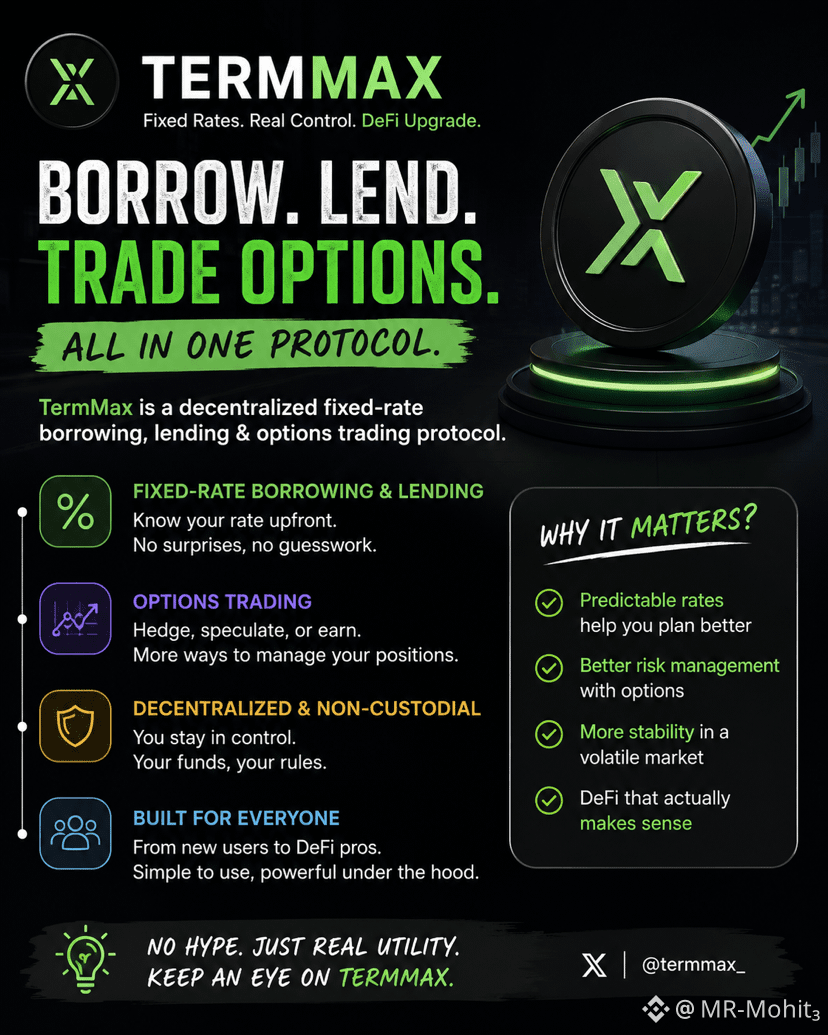
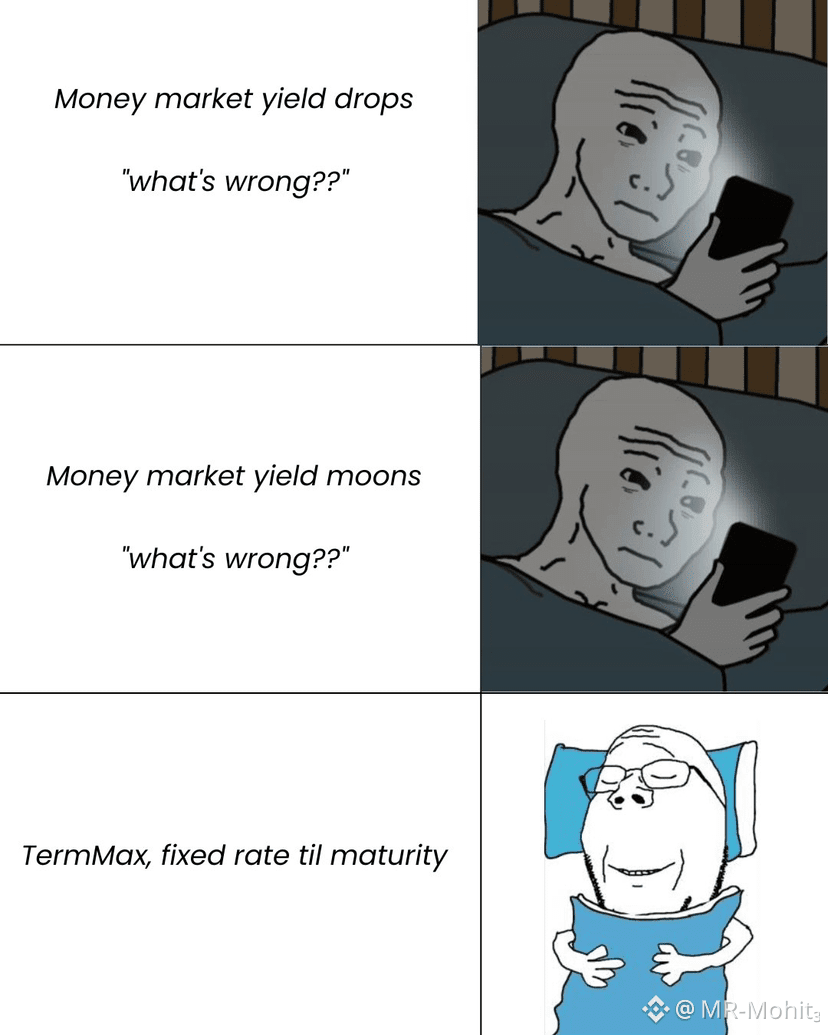
#termmax @TermMax Alright, let's be real for a second. DeFi interest rates change faster than my mood on a Monday morning. One day you're earning 20%, next day it's 2% and you're questioning every life choice that led you here.
That's exactly why TermMax got my attention. Fixed-rate borrowing and lending means no more guessing games. You know what you owe, you know what you earn. Done. No surprises, no panic-checking your wallet at 3am.
And the options trading? Actually feels approachable, like someone finally explained it without making me feel dumb. You can hedge or take a shot without needing three monitors and a Red Bull addiction.
Is it perfect? Nah. Nothing in crypto is. But TermMax feels useful, not gimmicky. And honestly, that's rare enough to deserve a look.
Would you rather have fixed-rate lending or variable rates with bigger potential gains?
$ETH $BTC $TUT #TrumpPressesCongressToPassClarityAct
That's exactly why TermMax got my attention. Fixed-rate borrowing and lending means no more guessing games. You know what you owe, you know what you earn. Done. No surprises, no panic-checking your wallet at 3am.
And the options trading? Actually feels approachable, like someone finally explained it without making me feel dumb. You can hedge or take a shot without needing three monitors and a Red Bull addiction.
Is it perfect? Nah. Nothing in crypto is. But TermMax feels useful, not gimmicky. And honestly, that's rare enough to deserve a look.
Would you rather have fixed-rate lending or variable rates with bigger potential gains?
$ETH $BTC $TUT #TrumpPressesCongressToPassClarityAct
30D trade $DUSK188.2 USDT
Bro, I used to think tokenizing securities was basically: put it on a blockchain → slap “ownership” on it → done. 😂
Then I actually looked into Dusk and realized… yeah, it’s not that simple.
Institutions can’t just throw sensitive positions onto a fully public ledger and hope for the best. They need privacy, compliance, ownership, and settlement to work together.
That’s the part I find interesting about Dusk.
Phoenix handles private transfers, zero-knowledge proofs can reveal only what actually needs to be proven, and deterministic settlement helps keep the asset and payment side in sync.
It feels a lot more practical than the usual “everything must be public” approach.
But I’m still stuck on one question:
When different parties need different pieces of the same information, does selective disclosure stay simple at scale?
If Dusk can solve that without adding another layer of complexity, that’s where things get really interesting.
@Dusk $DUSK #Dusk $BCH $ENA
Then I actually looked into Dusk and realized… yeah, it’s not that simple.
Institutions can’t just throw sensitive positions onto a fully public ledger and hope for the best. They need privacy, compliance, ownership, and settlement to work together.
That’s the part I find interesting about Dusk.
Phoenix handles private transfers, zero-knowledge proofs can reveal only what actually needs to be proven, and deterministic settlement helps keep the asset and payment side in sync.
It feels a lot more practical than the usual “everything must be public” approach.
But I’m still stuck on one question:
When different parties need different pieces of the same information, does selective disclosure stay simple at scale?
If Dusk can solve that without adding another layer of complexity, that’s where things get really interesting.
@Dusk $DUSK #Dusk $BCH $ENA
🔐 Privacy
63%
⚖️ Regulation
13%
🏦 Institutional adoption
12%
🧩 All of the above
12%
8 votes • Voting closed
Verified
#termmax @TermMax most DeFi protocols feel complicated for no reason.
TermMax caught my attention because the idea is actually pretty simple: fixed-rate borrowing and lending, plus options trading, all in one place.
What I like most is the control. You know the rate, you can plan your position better, and you’re not just blindly riding whatever the market throws at you.
Still early, but honestly, this is the kind of DeFi product I like watching.
Simple idea. Useful problem. Let’s see how far TermMax takes it.
$BNB
TermMax caught my attention because the idea is actually pretty simple: fixed-rate borrowing and lending, plus options trading, all in one place.
What I like most is the control. You know the rate, you can plan your position better, and you’re not just blindly riding whatever the market throws at you.
Still early, but honestly, this is the kind of DeFi product I like watching.
Simple idea. Useful problem. Let’s see how far TermMax takes it.
$BNB
@Dusk $DUSK #dusk At first I assumed privacy on a blockchain just meant everything gets locked away and nobody outside can check anything useful. That always felt like a dead end for real finance. But after reading up on Dusk I started questioning that. What actually stood out is they seem focused on privacy without losing auditability—transactions stay confidential with Phoenix and zero-knowledge tech, yet selective disclosure lets authorized parties still dig in and verify what they’re allowed to see. Public chains dump everything open, pure privacy ones ignore compliance. This seems more practical for institutions doing regulated finance on-chain since positions stay private without blocking oversight. One thing I’m still unsure about is how those disclosure permissions hold up when multiple parties need access. Does that create more friction than it solves day to day?
$AVAAI $ACE
Does privacy + selective auditability create more friction than value for real institutional use?
$AVAAI $ACE
Does privacy + selective auditability create more friction than value for real institutional use?
More value
0%
More friction
0%
Too early to tell
0%
Depends on the use case
0%
0 votes • Voting closed
bro variable rates almost drained my whole bag last month and nobody warned me
then i found@TermMax and it actually fixed that problem for real. locked-in rates, no sudden spikes, plus options trading if you wanna go full degen. been using it for a bit now and it just feels way safer than the usual chaos. honestly i think this is how lending should’ve been from the start. #TermMax #CryptoRally $MAGMA $RE
anyone else still getting wrecked by floating rates or you already switched?
then i found@TermMax and it actually fixed that problem for real. locked-in rates, no sudden spikes, plus options trading if you wanna go full degen. been using it for a bit now and it just feels way safer than the usual chaos. honestly i think this is how lending should’ve been from the start. #TermMax #CryptoRally $MAGMA $RE
anyone else still getting wrecked by floating rates or you already switched?
30D trade $DUSK143.5 USDT
At first I assumed privacy on blockchains just meant either everything’s out in the open or nothing is, and that never sat right for regulated stuff. Then I actually looked into Dusk and Phoenix caught my eye. It’s this privacy setup for transactions where the details stay hidden from the public using zero-knowledge proofs, but you can still point out the sender to the person receiving it or selectively show bits to an auditor if you need to. That way institutions get some real privacy without losing the ability to prove things when it matters. Regular chains spill every trade for anyone to see and that can mess with strategies, while full anonymity ones make compliance a nightmare. This feels like it tries to split the difference for putting regulated finance on-chain. Only thing is those proofs take work to generate and I’m not sure how practical that gets with higher volumes — would issuers even bother if the selective disclosure holds up with actual regulators?
@Dusk $DUSK #dusk
@Dusk $DUSK #dusk
🟢 UP
85%
🔴 DOWN
15%
20 votes • Voting closed
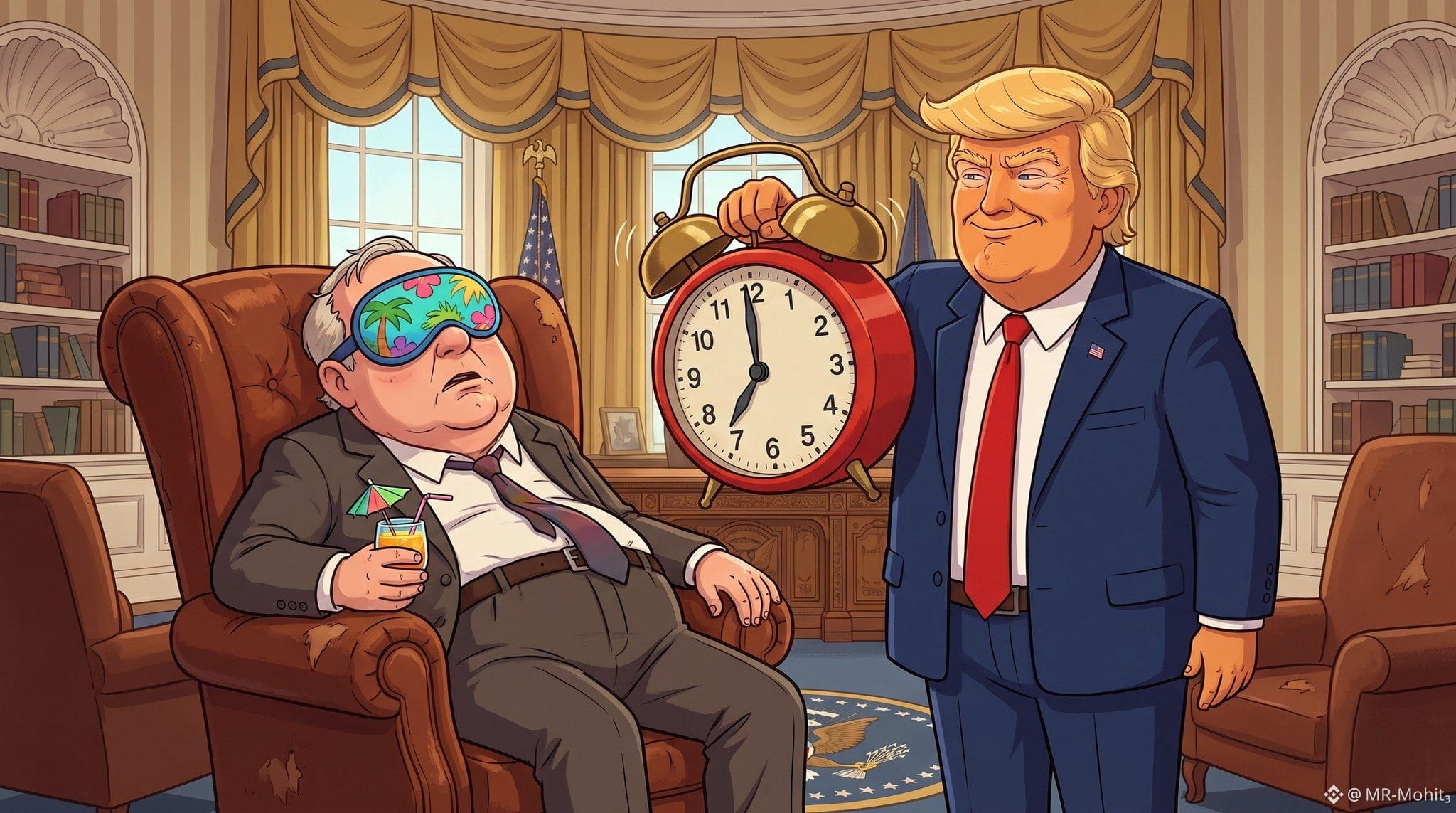
Florida politics said: hold my coffee. ☕️😂
GOP wins, Democrats move on… and Trump might meet Kim Jong Un.
Just another normal day. 😭
$ACE $CLO $BTC
GOP wins, Democrats move on… and Trump might meet Kim Jong Un.
Just another normal day. 😭
$ACE $CLO $BTC
At first I assumed that getting compliance onto a blockchain meant bolting on extra layers or keeping most checks off-chain, the way most projects seem to handle it. Looking closer at Dusk, though, the idea of treating compliance as infrastructure itself caught my attention. Instead of an external process, it seems designed to fold eligibility rules and access controls directly into on-chain financial workflows. That connects with selective disclosure via zero-knowledge technology, letting institutions keep privacy while still allowing auditability when needed. Usual public chains force full transparency or hide everything and complicate oversight; this setup aims to support regulated finance without that constant trade-off. Of course, the practical limit might be how smoothly developers can work with those embedded rules day to day without adding friction. Does building compliance this deep actually reshape how issuers and investors approach on-chain markets?
@Dusk $DUSK #dusk $ACE $CLO
@Dusk $DUSK #dusk $ACE $CLO
🟢Bullish
55%
🔴Bearish
45%
29 votes • Voting closed
Partly True
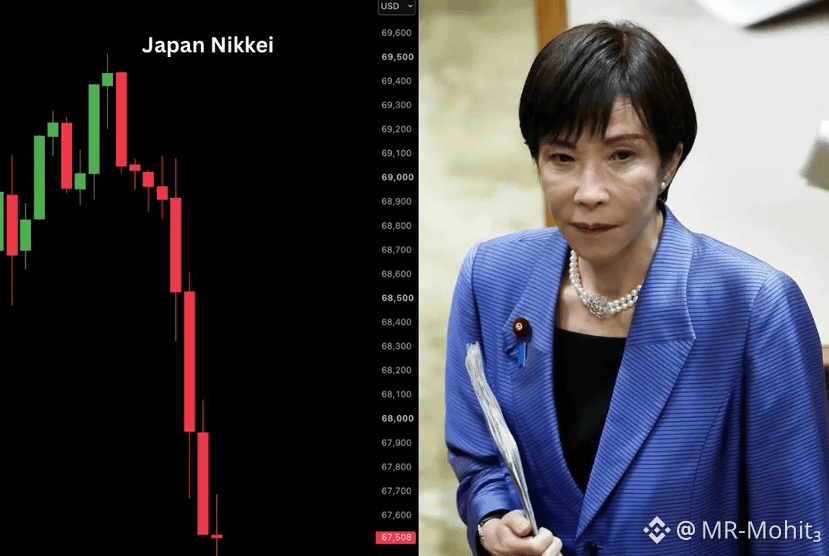
🚨 JAPAN JUST GOT HIT.
Over $130 BILLION has been wiped out from Japanese stocks today as the Nikkei drops 2.5%.
Rising oil prices, higher bond yields and renewed inflation fears are putting serious pressure on markets.
One thing is clear: volatility is back. 📉
And when Japan moves this hard, global markets usually pay attention.
#VIXFallsTo2026Low
Over $130 BILLION has been wiped out from Japanese stocks today as the Nikkei drops 2.5%.
Rising oil prices, higher bond yields and renewed inflation fears are putting serious pressure on markets.
One thing is clear: volatility is back. 📉
And when Japan moves this hard, global markets usually pay attention.
#VIXFallsTo2026Low
Log in to explore more content