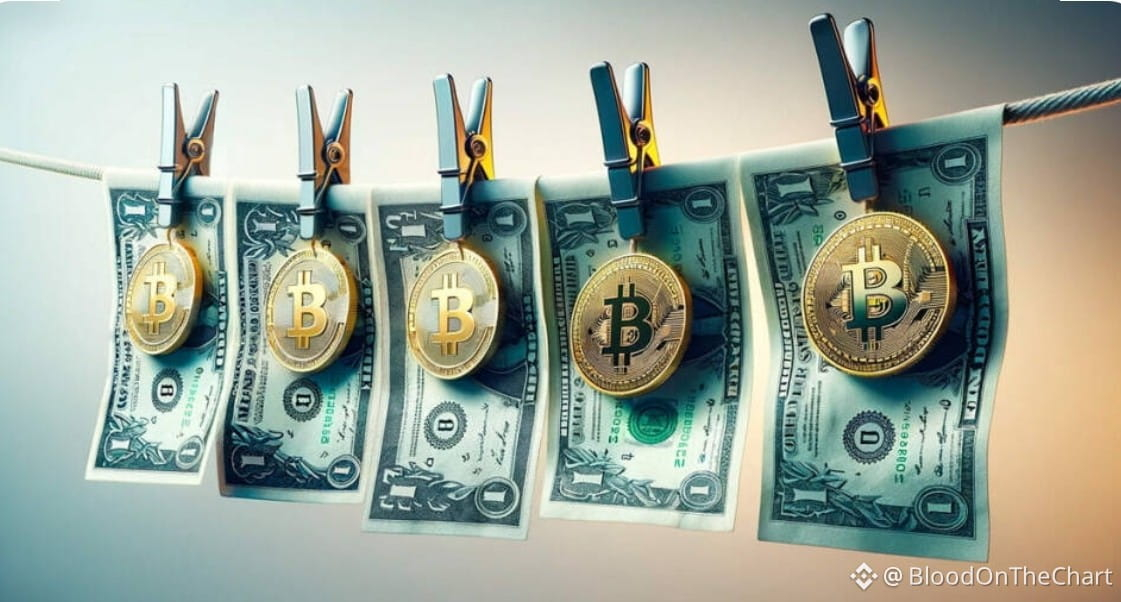
💩 You can be a totally "clean" person - but one transaction can land you in hot water.
In crypto, there’s no such thing as "my money = safe".
There's a history to that money.
If it passed through: scams, the dark web, sanctioned addresses, or just sketchy chains before reaching you - you’re no longer seen as a "regular user" by the exchange, but as a risk.
That’s what they call "dirty" crypto.
The worst part is, you might have no connection to any of that.
You received payment → sent it to an exchange → and… boom, your account's frozen, inquiries, checks.
And then it’s not about the market anymore, it’s about bureaucracy: KYC, AML, source of funds, explanations.
The reality is: in crypto, not only the asset matters, but its past as well.
What to do to avoid getting burned:
- don’t accept money "from anywhere"
- steer clear of shady exchanges and "too good to be true" rates
- double-check addresses before big transfers
- avoid mixers and gray schemes
- separate wallets (for receiving and for storage)
Crypto is freedom.
But freedom without understanding turns into risk.
And the key skill now is not just to earn, but to preserve and move funds without consequences.
$BTC
In crypto, there’s no such thing as "my money = safe".
There's a history to that money.
If it passed through: scams, the dark web, sanctioned addresses, or just sketchy chains before reaching you - you’re no longer seen as a "regular user" by the exchange, but as a risk.
That’s what they call "dirty" crypto.
The worst part is, you might have no connection to any of that.
You received payment → sent it to an exchange → and… boom, your account's frozen, inquiries, checks.
And then it’s not about the market anymore, it’s about bureaucracy: KYC, AML, source of funds, explanations.
The reality is: in crypto, not only the asset matters, but its past as well.
What to do to avoid getting burned:
- don’t accept money "from anywhere"
- steer clear of shady exchanges and "too good to be true" rates
- double-check addresses before big transfers
- avoid mixers and gray schemes
- separate wallets (for receiving and for storage)
Crypto is freedom.
But freedom without understanding turns into risk.
And the key skill now is not just to earn, but to preserve and move funds without consequences.
$BTC