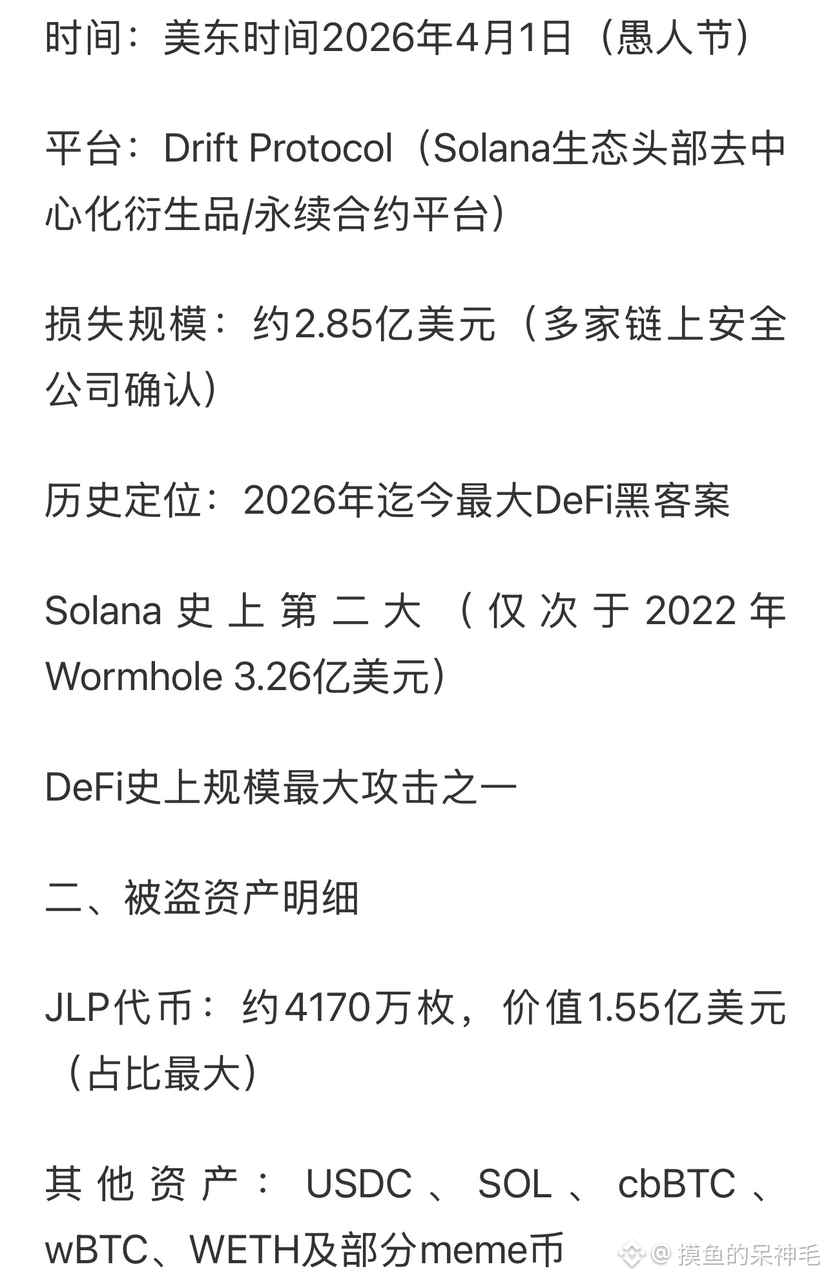
Recently, the top platforms in the Solana ecosystem suffered a hacker attack, and the news of $285 million worth of assets being completely looted has sounded the alarm for the gaming and DeFi industries. Because it was just a social engineering vulnerability in centralized multi-signature permissions, the assets that users painstakingly accumulated on the blockchain were instantly wiped out and irretrievable. Behind this is the fatal weakness of the traditional architecture where "the platform controls everything, and players have no rights," which has been the core focus since $PIXEL .
Top theft incidents are not just security accidents, but pain points that the entire Web3 industry must face: if assets are still dependent on the platform's single point of authority, then so-called "on-chain assets" are nothing more than a mirage. In the era of the metaverse and social games, player sovereignty and self-custody of private keys have become the baseline for good games.
Unfortunately, many projects are still playing the old routine of "centralized partner multi-signature." However, Pixel is taking a completely different route: it does not engage in platform hegemony, but rather ensures that land, props, and virtual identities are completely correct through smart contracts. To draw an analogy, it is like a decentralized digital home, where assets are written on the chain, and private keys are held by the players. Even if the platform encounters external attacks, your assets remain impervious to tampering and cannot be transferred.
In the ecosystem of #pixel , this kind of security is tangible. Whether it is planting, building, or socializing, every kind of wealth is a real NFT asset. $PIXEL , as the core bloodline, supports every link from prop purchases to land upgrades. With the popularization of Web3 games and the awakening of player awareness, this "security + landing" ecosystem is the key to longevity.
The essence of gaming is creation, not being harvested by the platform. @Pixels only acts as a practitioner of player rights, returning assets to individuals, which is the fundamental way to stand firm. Do you think the core rights of GameFi in the future will be high returns or absolute asset sovereignty? Let's discuss in the comments.