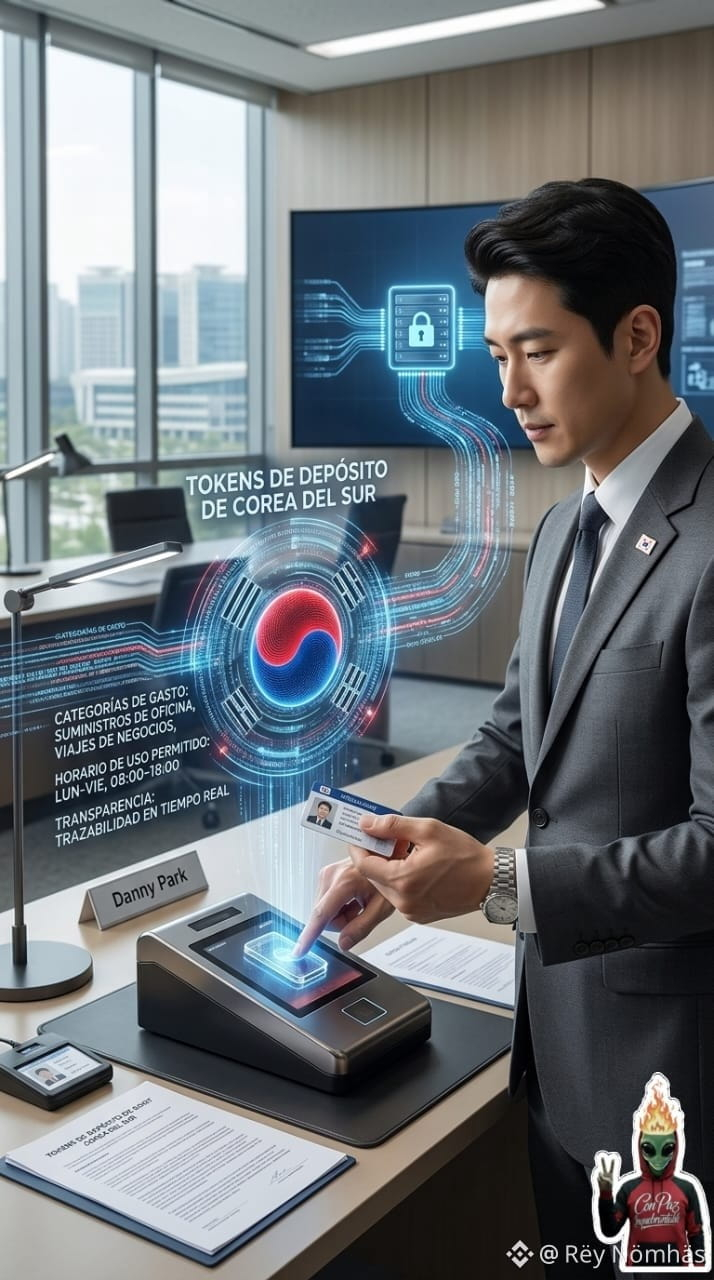
🇰🇷 South Korea Innovates: Blockchain for Public Spending! 🚀
#GoldmanSachsFilesforBitcoinIncomeETF
#SECEasesBrokerRulesforCertainDeFiInterfaces
🏦 A digital turn in state finances
◽The Ministry of Economy and Finance of South Korea has announced the launch of a revolutionary pilot project. It involves the use of blockchain-based deposit tokens to manage expenses related to the government's official duties.
💳 From plastic to smart tokens
◽Currently, government departments use credit or debit cards issued by the state. However, this traditional system presents challenges:
🔸 Bureaucracy during overtime: The use of cards during nighttime or non-working days requires additional justification reports.
🔸 Manual processes: The review of "irregular" expenses creates a heavy administrative burden.
🛠️ How will this new technology work?
The use of deposit tokens allows for advanced programming that regular cards do not offer:
🔸🔸Preconfigured restrictions: Allowed usage times and specific spending categories can be automatically set. 🕒
🔸🔸Total transparency: Each transaction is recorded on the blockchain network, increasing the traceability of public funds. 🔍
🔸🔸Lower fees: Being a system without traditional financial intermediaries reduces the fee burden for small businesses where officials make their purchases. 📉
📍 Next steps and execution
The South Korean government is already in the process of selecting technology operators for the project.
🔸Expected launch: Fourth quarter of this year.
🔸Testing center: The city of Sejong-si, known as the administrative capital of the country.
$BNB
#GoldmanSachsFilesforBitcoinIncomeETF
#SECEasesBrokerRulesforCertainDeFiInterfaces
🏦 A digital turn in state finances
◽The Ministry of Economy and Finance of South Korea has announced the launch of a revolutionary pilot project. It involves the use of blockchain-based deposit tokens to manage expenses related to the government's official duties.
💳 From plastic to smart tokens
◽Currently, government departments use credit or debit cards issued by the state. However, this traditional system presents challenges:
🔸 Bureaucracy during overtime: The use of cards during nighttime or non-working days requires additional justification reports.
🔸 Manual processes: The review of "irregular" expenses creates a heavy administrative burden.
🛠️ How will this new technology work?
The use of deposit tokens allows for advanced programming that regular cards do not offer:
🔸🔸Preconfigured restrictions: Allowed usage times and specific spending categories can be automatically set. 🕒
🔸🔸Total transparency: Each transaction is recorded on the blockchain network, increasing the traceability of public funds. 🔍
🔸🔸Lower fees: Being a system without traditional financial intermediaries reduces the fee burden for small businesses where officials make their purchases. 📉
📍 Next steps and execution
The South Korean government is already in the process of selecting technology operators for the project.
🔸Expected launch: Fourth quarter of this year.
🔸Testing center: The city of Sejong-si, known as the administrative capital of the country.
$BNB