

In our 'Secondary Chaos + Evolving Fluid Market' theoretical framework, the core of an ordinary trader's system is to identify fluid states, ride the market flows, and manage their own disturbances, which is a passive adaptation to the market; whereas large profit models, like Soros's attack on the Thai baht, essentially capture key vulnerable points in the market fluid, actively apply directional interventions, trigger positive feedback avalanches of secondary chaos, and indirectly guide or even reshape the market flow direction for profit.
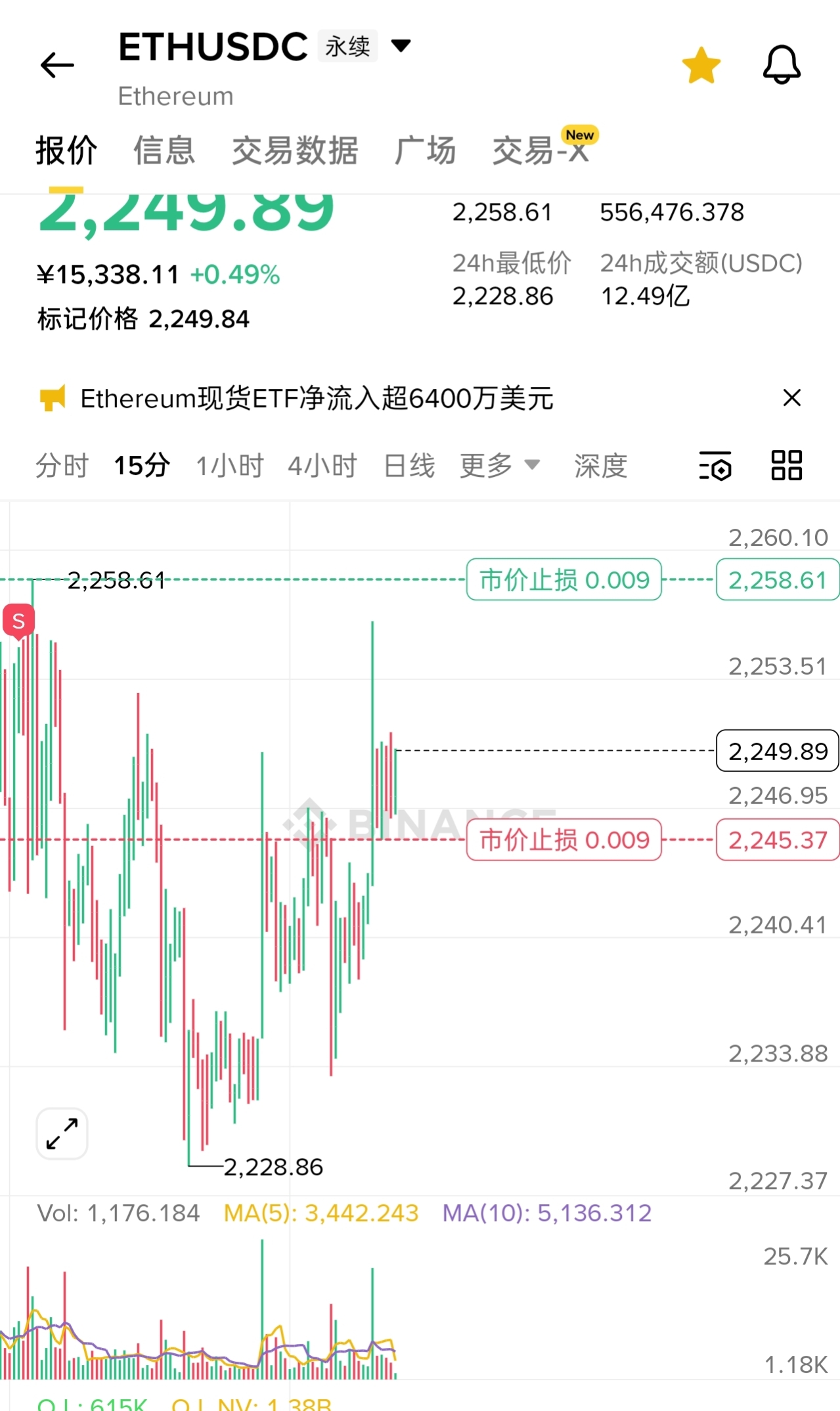
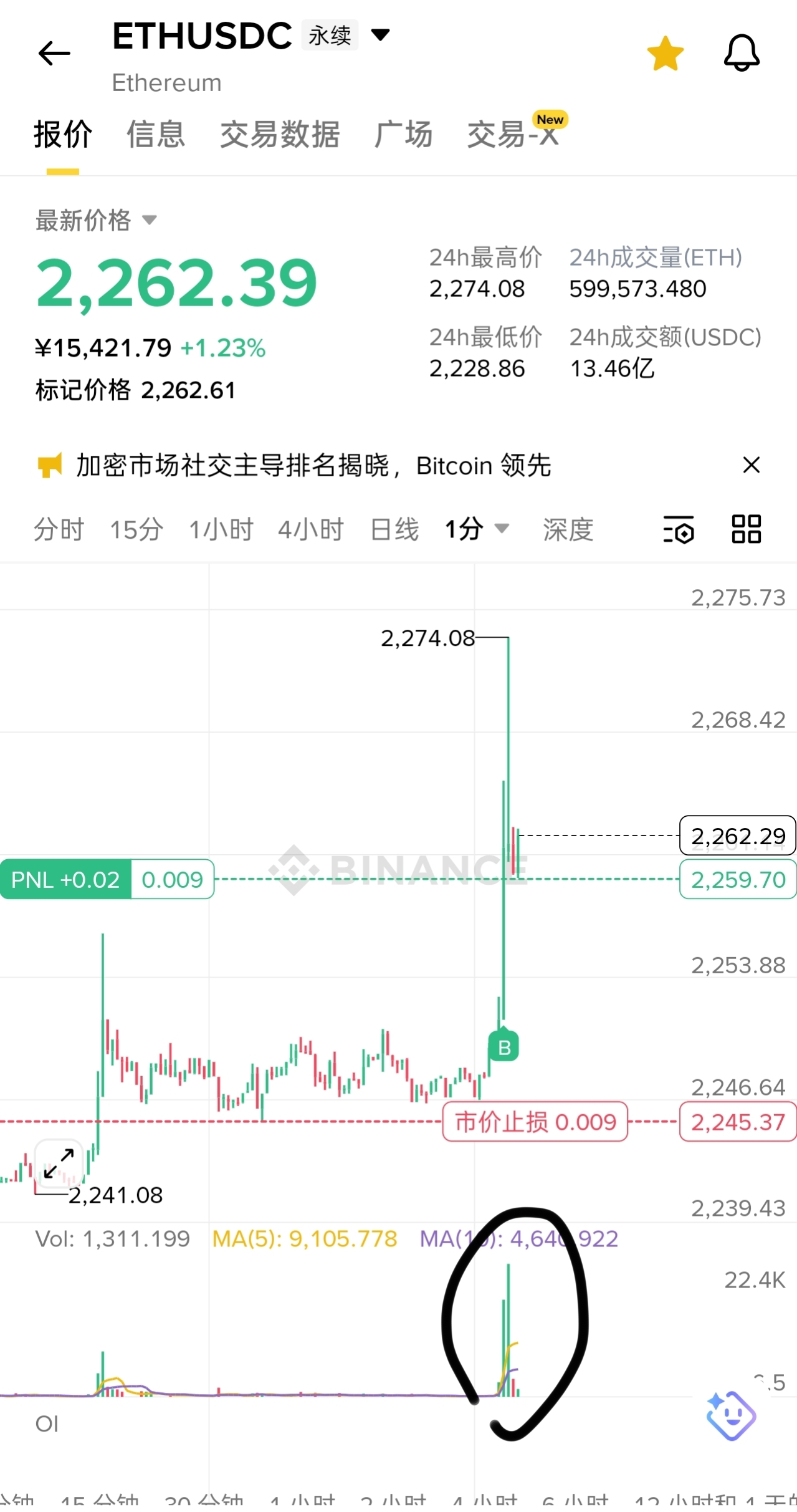
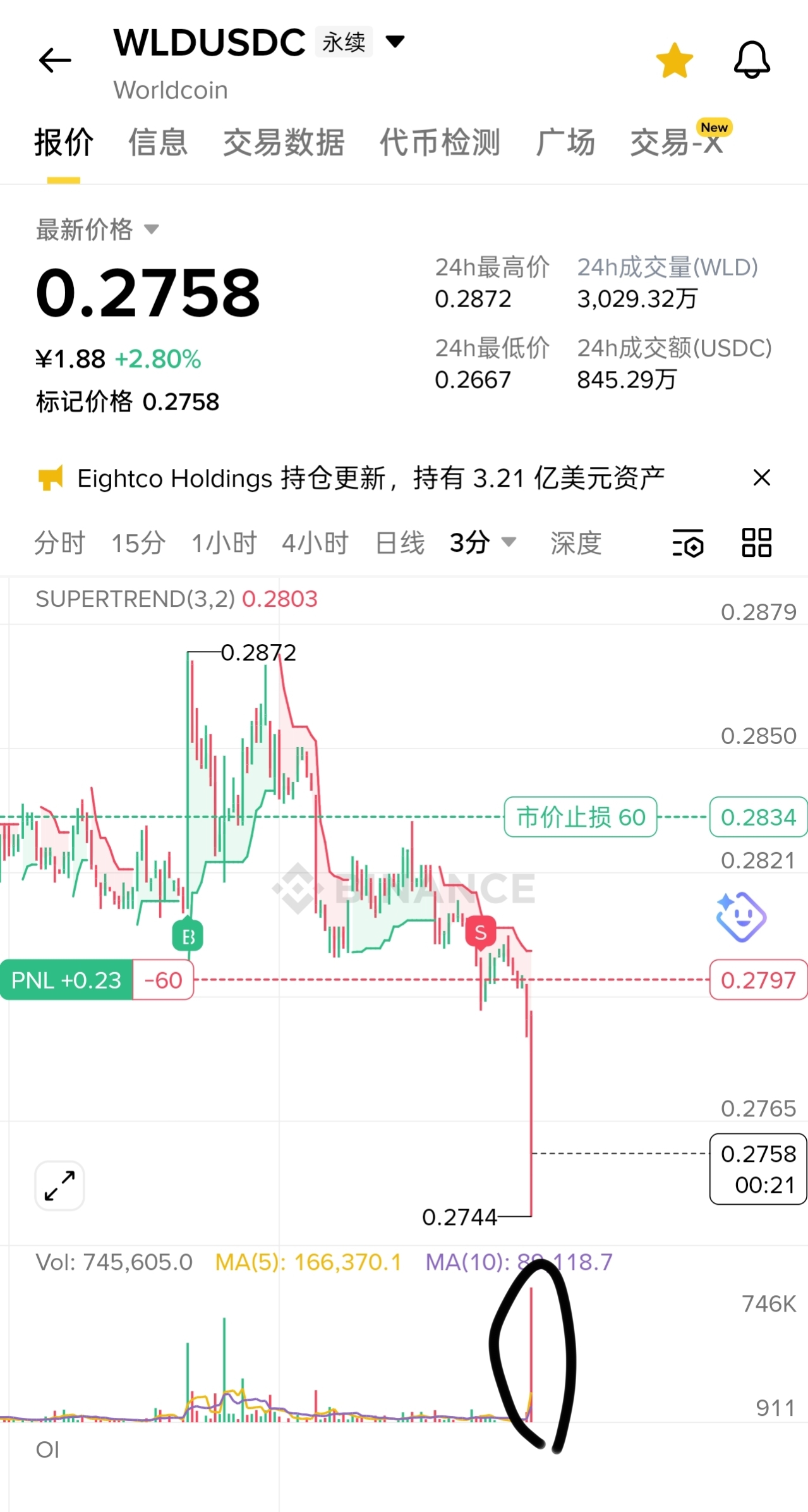
This is not merely illegal manipulation but a precise structural game that leverages the inherent characteristics of the market system—markets are secondary chaos that changes with observer intervention, and they are also fluid systems with boundaries and weaknesses. Concentrated disturbances at key nodes can significantly shift the entire market's flow trajectory.
I. Core underlying logic: Interventions at key nodes are 'directional boundary breaking and wave-making' for the fluid market.
Ordinary traders' single trades create minor disturbances that are quickly dissipated by market fluid dynamics; however, concentrated interventions at key nodes accurately target the market's systemic vulnerabilities, leveraging the positive feedback effect of secondary chaos to amplify small initial interventions infinitely, ultimately directing the overall flow of the market fluid:
1. Market fluid possesses rigid/flexible boundaries (such as pegged exchange rates, A-share price limits, key support and resistance), corresponding to weak points in the fluid's container walls and pipes;
2. When the market is in a vulnerable state of laminar transition or turbulent imbalance, the system's resistance to disturbances is extremely poor;
3. Under secondary chaos, participants will amplify disturbances and form a positive feedback loop of 'initial intervention → price anomaly → public following → trend reinforcement';
4. Ultimately, the market fluid is forcibly guided, breaking through original boundaries, and the positions laid out by the intervener reap profits.
In simple terms: ordinary trading flows with the current, while key node interventions apply pressure at the cracks in the dam, collapsing boundaries and redirecting the flow.
II. Soros's attack on the baht: A textbook case of intervention at key nodes in fluid markets.
Inserting the baht exchange rate market into the 'evolutionary fluid + secondary chaos' model, Soros's operation perfectly aligns with the entire process of key node disturbance → triggering positive feedback → breaking through rigid boundaries.
1. Identify the market's rigid boundaries and vulnerable nodes.
Thailand implemented a rigid exchange rate system pegging the baht to the dollar, which is an artificially set 'rigid container wall', similar to A-share price limits; however, Thailand's insufficient foreign reserves and weak liquidity represent the most fragile cracks in the container wall, placing the market in a turbulent imbalance state where boundary breaks could occur at any moment.
2. Apply initial disturbances directionally at key nodes.
Soros concentrated funds and heavily shorted the Thai baht at vulnerable exchange rate nodes, actively selling baht to buy dollars. This was a directional reverse pressure on the market fluid, not a random trade, but precisely hitting the weak points of the rigid boundary.
3. Triggering secondary chaotic positive feedback, disturbances are infinitely amplified.
The initial shorting led to a slight depreciation of the baht, and market observers (international capital, local Thai funds) recognized the disturbance, all rushing to follow suit and sell baht—this activated the secondary chaos characteristic of 'observation equals intervention', forming an avalanche of selling pressure, causing the market fluid to completely lose control from equilibrium turbulence.
4. Break through rigid boundaries, completely redirect the market fluid.
The Bank of Thailand exhausted its foreign reserves and could not maintain the rigid exchange rate wall, being forced to abandon the peg, causing the baht to depreciate sharply like fluid breaching a dam, yielding huge profits for Soros's pre-positioned short positions.
Throughout the process, Soros did not forcefully manipulate the market; he provided the initial push at key nodes, and the subsequent market crash was a self-fulfilling result of secondary chaotic positive feedback. He merely utilized the system characteristics of the market to guide the flow towards inevitable boundary breaks.
III. Three core prerequisites for profiting from key node interventions (aligned with market theory).
Not all interventions at arbitrary nodes can guide the market; they must align with the underlying rules of evolutionary fluid and secondary chaos:
1. Identify the key vulnerable nodes of the fluid system.
Can only be at boundary points, turning points, or areas of liquidity exhaustion: such as fixed exchange rates, policy bottom lines, cost concentration zones, and liquidity weak points—these positions have the weakest disturbance resistance, like cracks in fluid pipelines or weld points in containers, where slight pressure can break boundaries.
2. The market is in a vulnerable state of evolutionary imbalance.
The market oscillates between laminar stability and turbulent dispersion, lacking strong macro forces to hedge; when participants' expectations diverge and are fragile, disturbances easily create consensus following, triggering positive feedback.
3. Initial interventions possess 'signal effects', rather than merely the volume of capital.
The core of intervention is to create market signals, triggering participants in secondary chaos to follow the trend, rather than relying solely on individual efforts to move the market. Soros's shorting is essentially 'signal emission', and the subsequent avalanche is a self-reinforcing result of the market.
IV. Integrating into the existing trading system: Distinguishing 'ordinary adaptation' from 'high-order intervention/following'.
In the trading system framework we previously constructed, we can directly supplement the high-order key node game module, distinguishing the different paths of ordinary traders and interventionist funds:
1. Large funds: Active intervention at key nodes (Soros model).
- Positioning: Identify weak nodes of the market's rigid/flexible boundaries and the turning points of laminar to turbulent transitions;
- Actions: Concentrate positions at nodes to apply directional disturbances and emit trend signals;
- Profit: Wait for secondary chaotic positive feedback to amplify disturbances, guiding the market to break boundaries before closing positions;
- Risk control: Strictly manage initial intervention positions to avoid premature intervention being dissipated by the market.
2. Ordinary traders: Identify intervention signals and ride the wave of disturbances.
Ordinary funds lack the ability to actively intervene but can identify initial disturbance signals at key nodes, profiting by following the market's positive feedback:
- Monitor abnormal order flows and capital movements at boundary points (intervention signals);
- Confirm that disturbances trigger following positive feedback, then enter the market accordingly;
- Strictly adhere to stop-loss at fluid boundaries; exit immediately if the boundary is not broken.
V. This profit model precisely validates the evolutionary and chaotic attributes of the market.
1. Market evolution creates such opportunities.
The market has evolved to a stage of institutionalization and homogenization, where participants' following behavior is more consistent, and the positive feedback of secondary chaos is stronger, making disturbances at key nodes easier to amplify; such opportunities are becoming more frequent.
2. Rigid boundaries are the best targets for intervention.
Whether it’s the fixed exchange rate of the Thai baht, A-share price limits, or futures liquidation lines, artificially rigid boundaries most easily form vulnerable nodes, creating the largest profit space for intervention to break boundaries;
3. In markets devoid of α, structural disturbances represent top-tier α.
When the market approaches effective and lacks conventional α, utilizing key node disturbances α with secondary chaos becomes the most stable source of excess returns, which is also the core competitive logic of top-tier funds.
VI. Conclusion
Ordinary trading adapts to the flow of market fluid, while profiting from key node interventions utilizes the feedback characteristics of secondary chaos to guide the flow of market fluid.
Soros's attack on the baht was never about predicting prices, but about understanding the weak points of the market's rigid boundaries and the positive feedback mechanism of chaos. By applying small disturbances at key nodes, he ultimately caused the market to collapse and reinforce itself.
This further validates our core theory: the market is not a static Brownian motion, not a replicable candlestick chart, but a secondary chaotic fluid system that can be disturbed, guided, and continuously evolved—understanding nodes, utilizing feedback, and following boundary breaks is the top-tier profit logic.