


Investors engage in currency trading with the aim of profiting from exchange rate differences. Foreign reserves also represent a factor of confidence in the national economy and help stabilize the local currency. In many countries, remittances from expatriates form an important source of foreign currency, contributing to economic support and improving the balance of payments.
Factors that influence exchange rates
Currency prices fluctuate constantly based on a set of factors, the most important of which are:
Supply and demand in the forex market
Government policies and monetary decisions
Interest rates
Inflation rates
Political and economic stability of the country
Oil prices and global commodities
These factors interact to create a continuous movement in the currency market, making it an attractive space for investors and traders.
Foreign currencies play a pivotal role in shaping the global economy and facilitating trade and financial activities between nations. With increasing economic interconnectedness, understanding currency basics and exchange rates has become essential for anyone dealing with trade, travel, or even financial transfers. Grasping this field aids in making informed economic decisions, whether at the individual or national level.$BTC 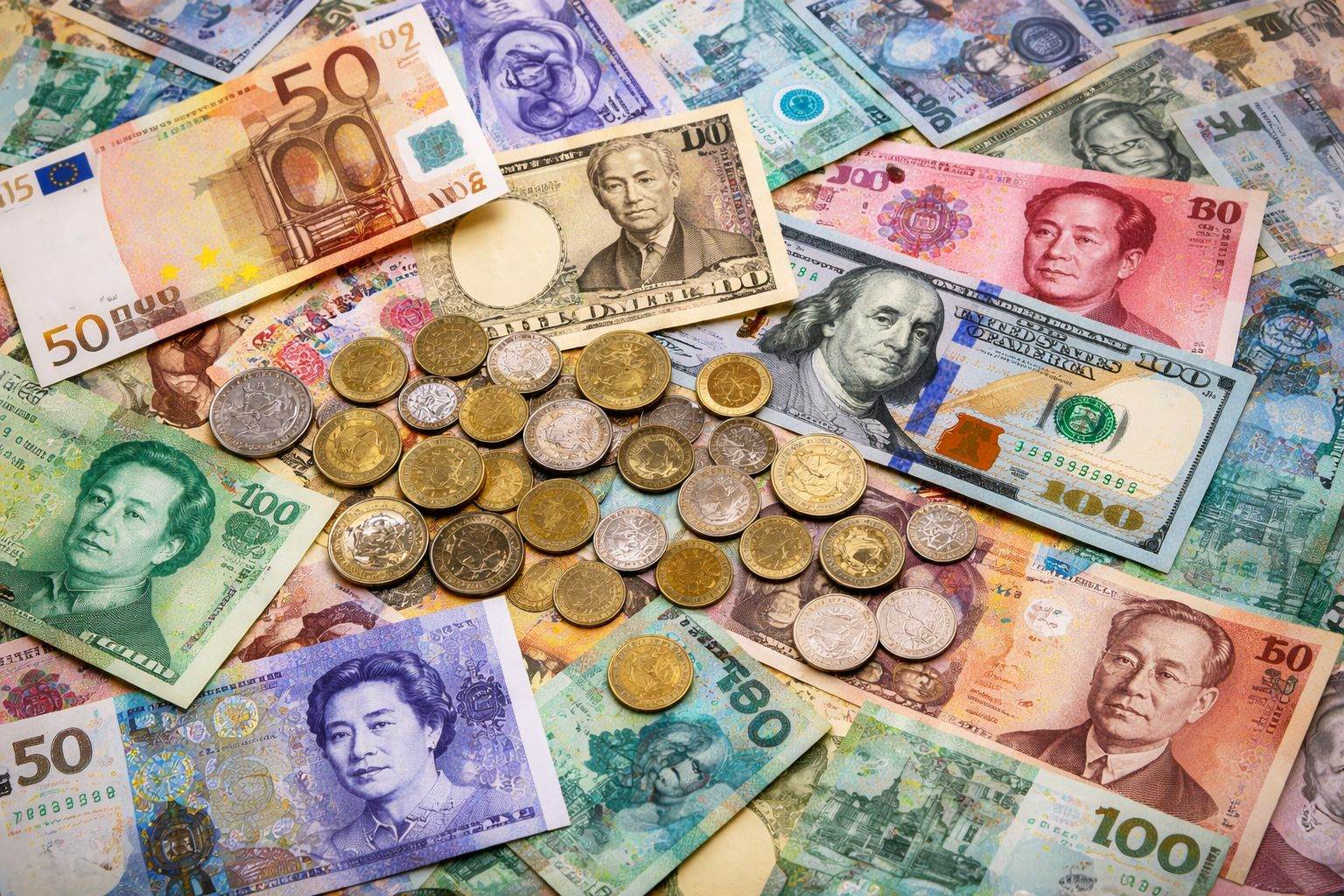
#USJoblessClaimsNearTwo-YearLow $ETH #DriftProtocolExploited $BNB #ADPJobsSurge #BitmineIncreasesETHStake