
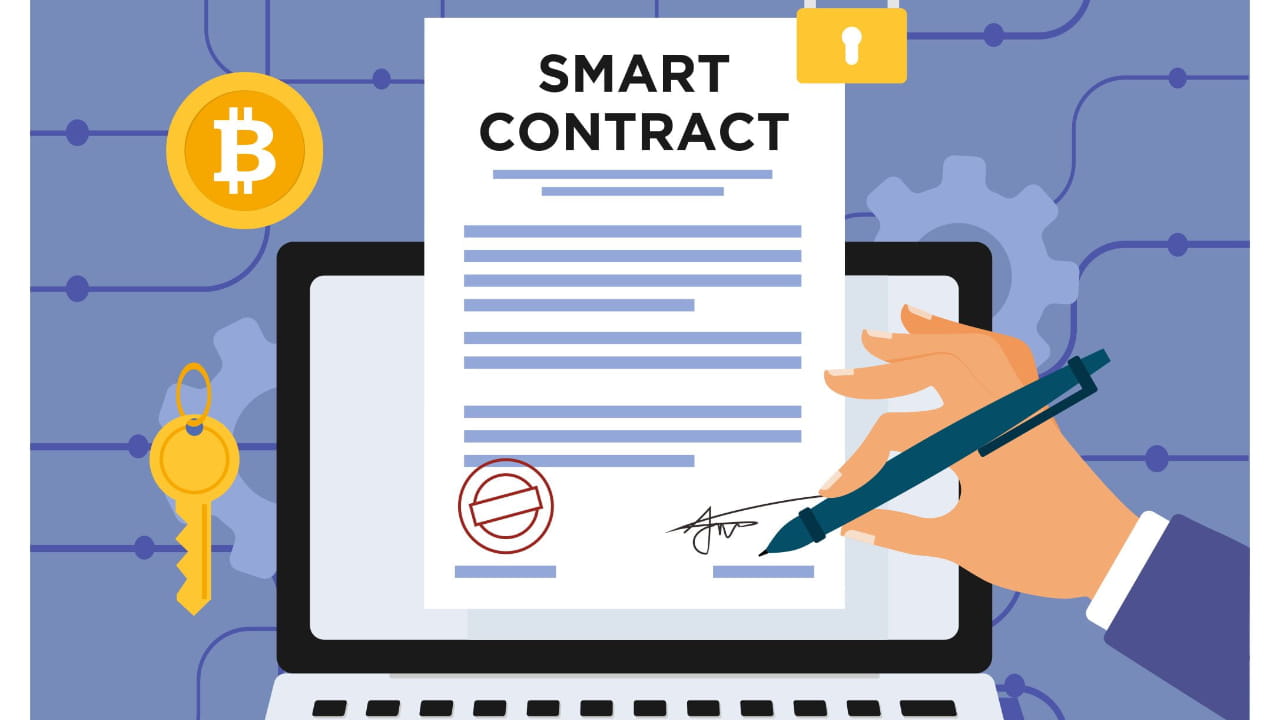
Smart contracts are a topic of increasing significance in recent years, as they are the leading solution that ensures security and visibility for all parties involved in a binding agreement.
In this article, we will look at all things smart contracts and how they are used in different industries.
What is a smart contract?
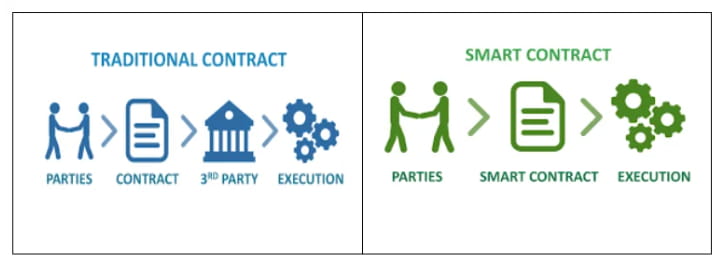
Smart contracts are programs that execute based on specified logic and agreements. These programs run on decentralized networks with ledgers that cannot be tampered with or altered after transaction submission.
For example, the Solana smart contract stores transaction details in the ledger of every computer on the network. This information cannot be altered by any party, including the Solana Foundation.
Smart contracts are trustworthy enough to carry out transactions that require trust, transparency, and anonymity between the parties involved.
Background
Following the launch of Ethereum – the first smart contract platform running on blockchain technology, the implementation of subsequent smart contract platforms, acyclic direct graph structures, and ledger technologies Other distributed computing (DLT) has also become popular.
Many applications have been deployed on these smart contract platforms, the most popular of which is decentralized finance (DeFi), where participants can trade assets anonymously, unlike traditional systems. Traditional financial system with many limitations.
Blockchain platform
Below are the names of popular smart contract platforms:
Ethereum
Solana
Cardano
BNB Chain
Direct Acyclic Graph (DAG) Platform
Popular DAG platforms include:
IOTA
Phantom
Hedera hash graph
The advent of smart contracts and the token economy has opened up many different areas to the global economy in transaction methods and ownership, due to the wide variety of applications they can satisfy. response. Let's get started and look at some unique applications of smart contracts in different industries.
Key aspects of smart contracts to note:
Smart contracts are programs built on decentralized distributed ledger technology (DLT) that execute based on logic and specific agreements.
Smart contract platforms include Ethereum, Cardano, Solana, and Fantom.
Smart contracts can help reduce document tampering and increase accessibility.
Distributed ledger technologies (DLT) make smart contracts a good choice for governance payments because they are inexpensive to maintain.
Supply chain technology built on smart contracts is more efficient and can help unlock value and reduce wasted resources.
The token economy, running on smart contracts, opens up new markets and opportunities, making it easier to buy and sell assets and raise capital.
Smart contracts can help reduce personal information theft, giving users privacy and control over their identities.
Other places where smart contracts can be used include; Internet of things, data science and machines, and legal contracts.
In case of used
Preserve and access documents
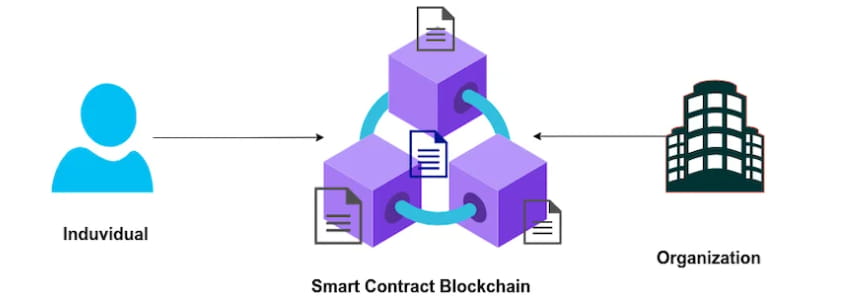
Counterfeiting of certificates and documents has been a serious problem that individuals and organizations have faced for many years. Documents in physical and digital form are easily lost and there is often no means to quickly authenticate them without contacting the issuer.
Smart contracts can help remove the complexity of the process, ensuring the authenticity of a certificate or document using an explorer of the underlying distributed ledger technology (DLT). In this case, the public key of the certificate is scanned on the explorer. Since the DLT cannot be changed, the authenticity of the certificate is trusted.
Distributed ledger technology also supports the preservation and availability of files because copies of the ledger are maintained on multiple servers.
Using smart contracts to preserve and access documents ensures:
Patents and copyrights are verified and tamper-proof because smart contract timestamps cannot be changed
Files are accessed easily
Documents exist on different computers on the network
The validity of the document can be easily checked
Payment and administrative invoicing
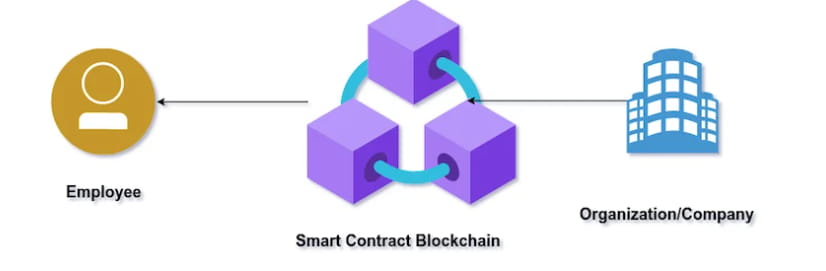
Currency transactions require high levels of trust and transparency – especially important for companies in industries that process large volumes of financial transactions, such as insurance. Current traditional money management processes are vulnerable to human intervention.
Payrolls in their current form for organizations operating in global supply chains are often unsustainable due to the complexity of the global banking system and the need to pay employees and manage the flow of transactions from country to country. Being different can be difficult. This is because many countries operate with different financial systems that often require some type of reconciliation process in transactions.
Additionally, other areas of use, such as national tax systems, can benefit as previously inefficient administrative and maintenance costs are reduced.
Smart contracts provide a solution to these payment problems because they are transparent, secure, and inexpensive to maintain. Additionally, they have a long validity period and can be easily automated to fit any payment process, limiting inefficient fund management.
Use cases for smart contracts in administrative payments and invoicing include:
Payroll
Tax
Pension
Insurance
Pay the bill
Compare statistics
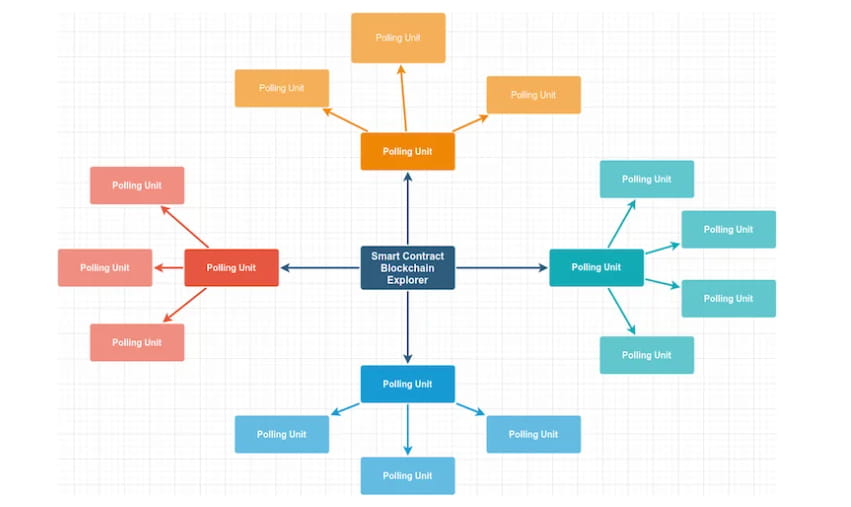
The decentralized and transparent nature of distributed ledger technologies can be of great use in areas such as voting, especially voting processes and other statistical reconciliations.
Smart contracts for voting, census, and statistical collation help build trust in the results, as no single person or organization can preside over the data collation and reading of the results. As a result, everyone can see the facts and figures for themselves.
Smart contracts can be programmed to provide the status of processes as they go live – thus making it easier for users to accept and trust the process.
The benefits of using smart contracts for statistical reconciliation include:
Improve the accuracy of results
Reduce election costs
Reliable results due to transparent process
Fewer resources are needed to collate data
Agricultural and medical supply chains
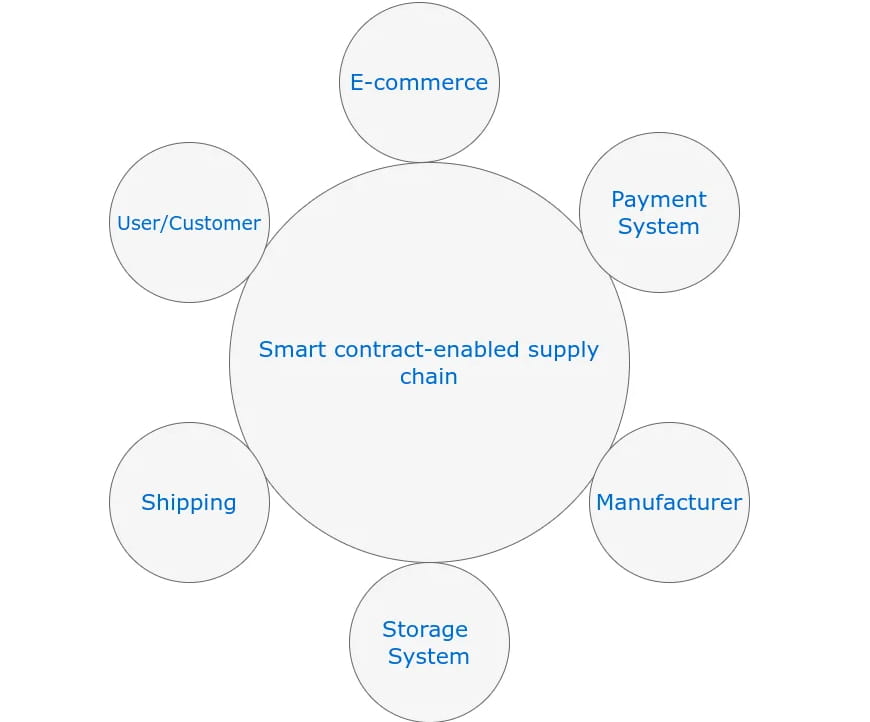
The Food and Agriculture Organization of the United Nations estimates that more than a third of the world's food is wasted, and this loss is estimated to be worth about $940 billion. They estimate that about 957 million people across 93 countries do not have enough to eat.
In the medical field, there are many cases where drugs and raw materials are wasted that could have been used in other medical facilities but due to the lack of a tracking system.
Smart contracts can improve that, eliminating the waste of food and medical supplies... IoT smart contracts can be written to assign public keys to packets containing data that exist on the public. distributed ledger technology, along with packet location. This way, stakeholders can access their needs and find the right fit between markets and goods more effectively.
A good use case for these types of smart contracts is a situation where different blood types are available in separate locations, but facilities lack the necessary visibility to purchase them. Thanks to smart contracts, it is possible to overcome this and enable further flexibility in the supply chain for efficient response.
Using smart contracts to manage agricultural and medical supply chains means:
Proof of existence of the goods can be easily accessed
The location of the goods can be traced and updated continuously
Connections are made on a global scale and are more accessible
Real estate and crowdfunding
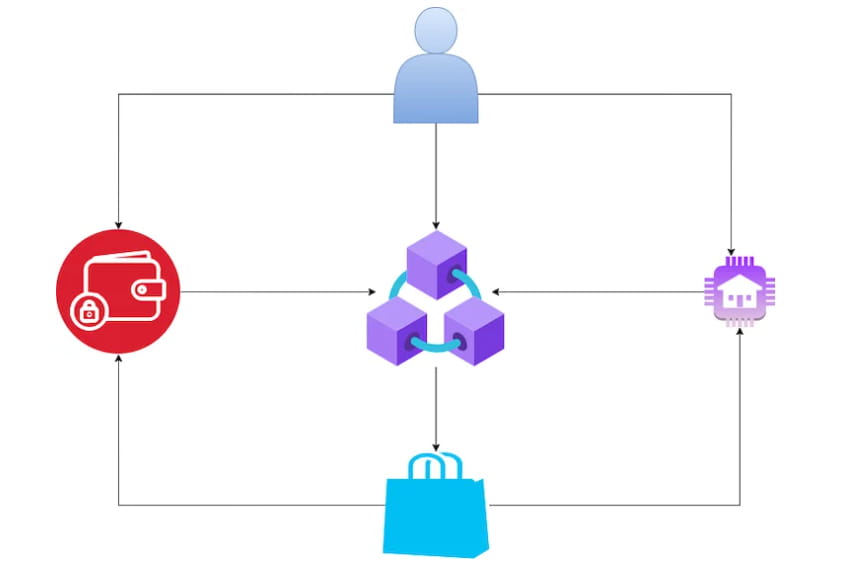
The token economy opens up more opportunities for real-world assets, creating a ready-made, easily accessible market and offering a broader range of products than what exists today.
The token economy changes how goods are bought and sold and how capital is raised for large projects.
Currently, getting a project built and funded requires a lot of paperwork and time – both increasingly valuable resources in a digitalized world. However, using smart contracts for the same process requires just clicking a button and logging into the wallet.
Additionally, different parts of the content can be encrypted in such a way that different people can hold and own the parts. They can sell them at any time on designated markets, just like trading non-fungible tokens (NFTs).
Assets such as real estate can be sold online without the lengthy process and paperwork involved because of smart contracts. This is one of the many ways smart contracts create new market opportunities and provide flexibility.
The benefits of using smart contract technology in real estate and crowdfunding include:
Easy to use
Tokenize more tangible goods
Open, timeless market
A resilient global economy
Identity management
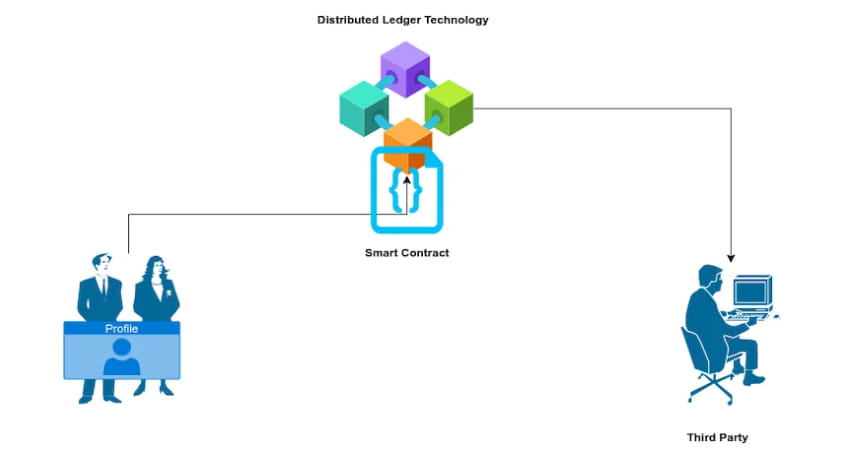
Existing technologies used to prevent crimes such as identity theft are not as effective as expected, as many of them do not give the owner full control over his or her data and information. that they choose to provide.
Digital Identifiers (DID) smart contracts built on distributed ledger technology give individuals full control over their data and allow them to share content. access data when they want, increasing security and reducing the possibility of data mismanagement or breaches.
Smart contracts help ensure the following for identity management:
Identity security
Users choose the data they provide
Easier KYC verification
Conclude
Distributed ledger technology enables flexibility and better resource management. With the rise of implementation across most industries at various levels, smart contracts are a trend to look forward to.