


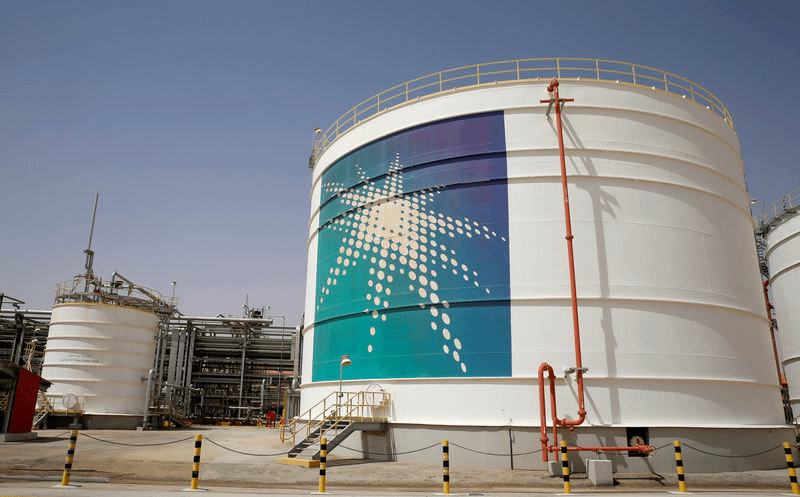
The largest oil-producing countries in the Middle East – Saudi Arabia and Kuwait – continue preparations for multibillion-dollar investment deals for the sale of infrastructure, writes Bloomberg.
The initiative of the state-owned Kuwait Petroleum to lease part of its pipeline network for the long term continues to attract substantial interest from large private equity and infrastructure funds. Potential buyers remain committed to the deal, and the energy giant continues to work on the project, aiming to raise up to $7 billion to finance its investment program.
The Saudi state monopoly Saudi Aramco is also not giving up plans to launch the process of selling a stake in the oil storage and export business in the coming weeks. Citigroup was selected as the consultant for the deal. The value of these assets, especially tank farms, has now soared to the skies.
Transactions of this format, where the state monetizes infrastructure but retains operational control, have become a favorite tool for the Gulf monarchies seeking to diversify their economies. They allow regional oil giants to attract global institutional capital while maintaining strategic control over key assets.
Nevertheless, the protracted war, entering its fourth week, introduces significant uncertainty into the negotiation process.
For Saudi Arabia and Kuwait, the issue of expanding storage capacities has become critical. The overflow of storage facilities against the backdrop of transport blockades has already forced Kuwait to forcibly cut oil production to levels unseen since the Iraqi invasion in the early 1990s.
#USIsraelStrikeIran , #WorldNews2026
Enjoy your viewing. We are glad to have each of our subscribers or attentive readers who shared interesting news with those who like to be informed about changes in global economic and political news. Since, often, the economy and politics have a deep mutual influence on each other, and ultimately turn out to be deeply interconnected phenomena.
Also, for those who like to stay informed about the operational coverage of changes in the global financial and economic agenda, there is always the opportunity to mark a liked article, leave tips for the authors, or leave their comments on this topic.