$NEAR $PEPE $ETH
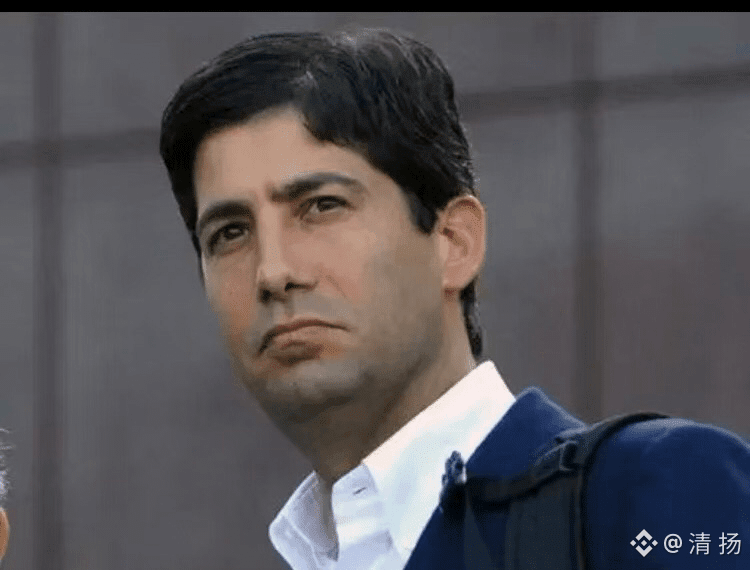
A perfect storm is coming! Kevin Warsh has not yet taken office, and a triple crisis has already locked in the Federal Reserve.
On March 11, 2026, Kevin Warsh has not officially taken charge of the Federal Reserve, and an unprecedented "triple strangulation" is quietly approaching: inflation soaring due to the Middle East conflict, the job market quietly collapsing, and energy prices impacting the food chain, with stagflation casting a shadow over the U.S. economy. On the day of his swearing-in in May, he may face the toughest decision in policy history.
First: Oil price "nuclear explosion" impact. The Iran war has pushed energy prices higher, with WTI crude oil breaking $100 and gasoline prices surging by 30 cents. Even more frightening is that the price of urea fertilizer has skyrocketed by 15%, and inflationary pressures on food are quietly accumulating. The Federal Reserve's usual strategy of "ignoring one-off shocks" may fail this time.
Second: Employment "silent collapse." In February, non-farm payrolls plummeted by 92,000, and the unemployment rate rose to 4.4%. The labor market's weakness and high inflation rarely coexist, leading to a typical stagflation dilemma. Although consumer spending increased by 3.2%, the high-income group contributed most of the momentum, while low-income individuals are trapped in a dual squeeze of "high prices + weak employment."
Third: Policy is completely divided. There is a dovish-hawkish divide within the FOMC, should interest rates be cut or remain unchanged? Trump is urgently calling for a rate cut to 1%, but hawks warn that inflation is not extinguished. Meeting minutes indicate that interest rates may remain stable for a long time. Warsh faces a "perfect storm" upon taking office - raising rates could crush employment, while cutting rates might trigger inflation.
A lot of suspense: Can he break the deadlock? The market has lowered expectations for rate cuts, pricing in only one or two cuts in September. However, Bank of America warns: ignoring the oil price shock could be a misjudgment. If the conflict continues, Brent could break $140, and the Federal Reserve may even be forced to raise rates!
Warsh holds a trump card - consumers are still spending, but a divided committee, uncontrolled geopolitical situations, and a fragile economic balance are pushing him toward the cliff. Cut rates? Raise rates? Or complete paralysis? The storm is coming, and the suspense remains unresolved!
#伊朗总统之子称新任最高领袖平安 #特朗普称伊朗战事接近尾声 #比特币重新站上7万美元大关