


BlackRock did not seize your money – it just locked the door while you screamed to get out. The recent panic in the $26 billion private credit fund, the HPS Corporate Lending Fund, reflects a classic mismatch: investors demanding instant liquidity from illiquid assets, such as long-term corporate loans. Sensationalist headlines paint the manager as the villain, but it's just a "gate" of 5% per quarter – a contractual rule to prevent a stampede that would destroy value for everyone.
The Silent Sovereign
BlackRock manages $10 trillion, enough to dictate rules in the boards of giants like Apple and ExxonMobil. It does not own the capital, it merely allocates it into ETFs and strategies that shape global markets. This scale explains why a tremor in its funds echoes like an earthquake in shadow banking, which moves $2 trillion.
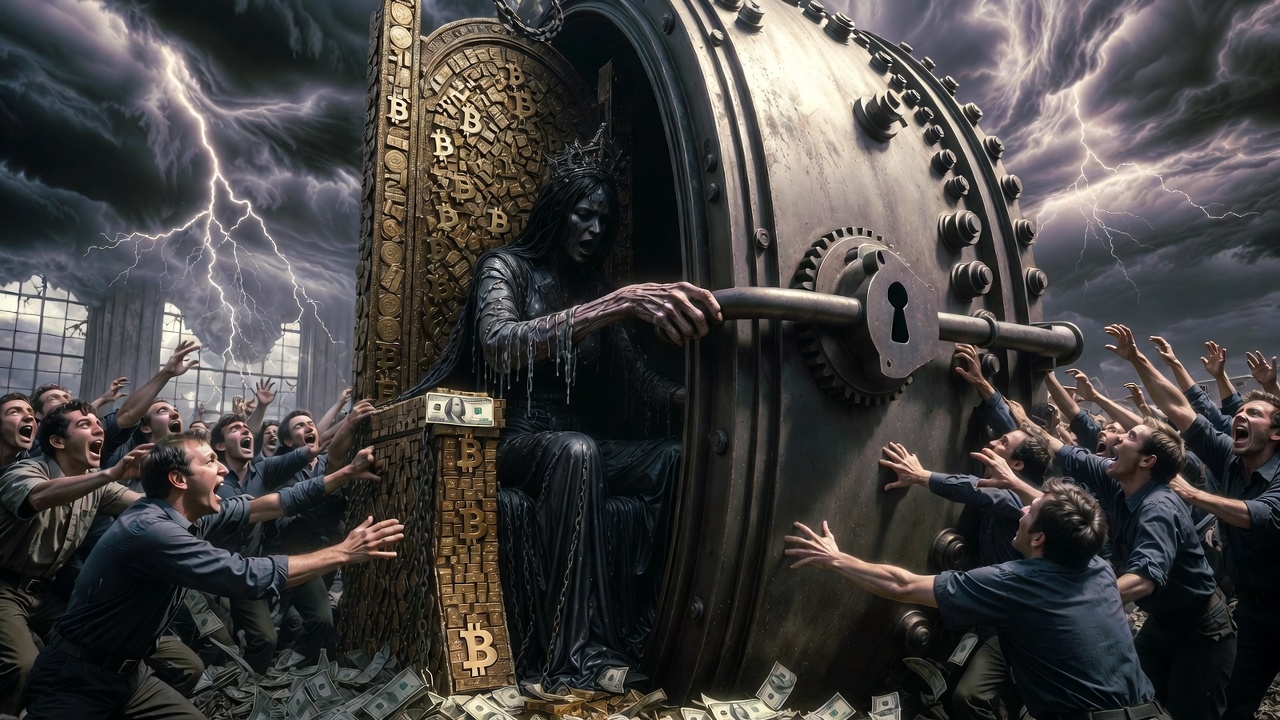
The 5% Gate Trick
Investors requested 9.3% in redemptions ($1.2 billion), but only received 5% ($620 million). Why? These funds lend to companies outside the stock market; the money is not in cash, it is "stuck" in complex deals. Selling in a hurry would generate losses – as Raul Sena illustrates: "I took R$ 100, lent it, assets exist, but cash does not".
Illusion of Liquidity
Assets ≠ cash. Petrobras shares are worth something today, but in panic they become a bargain. Private credit yields 120-130% of the CDI because it finances risks that banks avoid – with gates for organized exits. In Brazil, only Tesouro Direto offers guaranteed repurchase, but it marks to market and punishes those who flee early.

Abyss
Post-2008, regulation pushed credit towards shadow banking. BlackRock does not collapse; it protects those who remain, avoiding forced sales. Its shares and those of rivals fell, but it is a warning sign: high returns come at a price in liquidity. Invest in CRI/CRA with an eye on the fine print.
It's just an exercise in futurology — nothing to take seriously. Think from other angles, step outside the box and explore the unexpected.