
In the past few years in the cryptocurrency world, from excitement to collapse, and then slowly stabilizing, the pitfalls I have encountered could fill a book. Today, I will share my experiences divided into four stages for everyone. If you patiently read to the end, it may help you avoid years of detours.
Stage One (2016-2017): Ignorance is bliss, making money until forgetting oneself.
Actually, I came into contact with Bitcoin in 2013, but I really entered the market in 2016, with a capital of 100,000, just in time for the big bull market of 2017. Looking back now, I had no idea about the technology at that time, relying entirely on 'luck'.
There are two coins that are deeply ingrained in my memory: one is GXS, where I participated in a private placement with 2 Bitcoins (then worth 6000 dollars each), which opened at a value of 3 million; the other is AntShares (later renamed NEO), where I bought 10,000 coins for 1 yuan, which peaked at over 1000, making me over ten million just from this coin.
Back then, I felt completely adrift, thinking I was the 'chosen one', even contemplating 'let's set a small goal first, earn a billion and then stop'. My mind was filled with desires, thinking everyone was less capable than me, but what happened? The market gave me the harshest lesson—when the bull market retreats, the altcoins in my hand fell to the point where even my mother wouldn't recognize them, and over ten million shrank to just a fraction.
Now I understand: back then, making money was not because I was powerful, but because the market was too good. Even pigs can fly on a wind; but when the wind stops, those without wings will suffer the most.
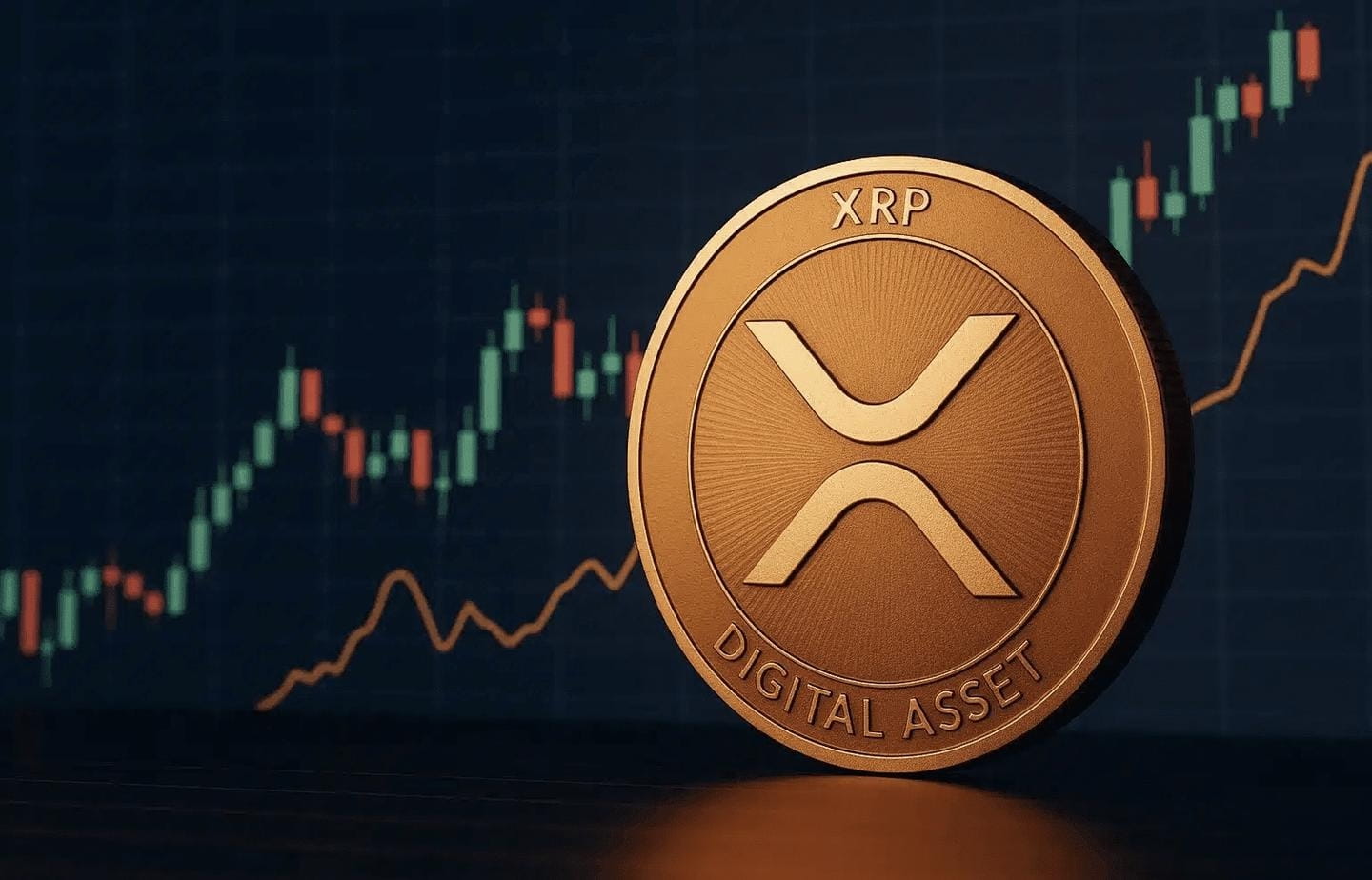
Second stage (2018-2019): Only after getting hurt do we reflect; the market never cares about your feelings.
The bear market of 2018 came quickly and fiercely; I held a lot of altcoins, and every day when I opened my account, it was all red, making me want to scold myself for being foolish. But the market doesn't care whether you feel good or bad; if it needs to drop, it will.
I haven't operated much in the past two years; I've only done one thing: reflection.
I slowly understood two key principles:
One is 'don't confuse luck with skill'.
In 2017, making money was because I caught the trend. Anyone in that position would likely make a profit. Ordinary people must never think they are 'smarter than the market'; respecting the trend is more important than anything.
Two is 'capital control determines life and death.'
Small funds can take a gamble, but when the amount is large, using a 'all-in on altcoins' approach is just looking for death. I cleared out 90% of my altcoins, converting them into Bitcoin, Ethereum, and USDT—at least these coins have a chance to bounce back when they hit bottom, while those worthless coins will just disappear.
The biggest takeaway at this stage: The market does not believe in tears, only in rules. If you are soft-hearted towards it, it will be harsh on your capital.
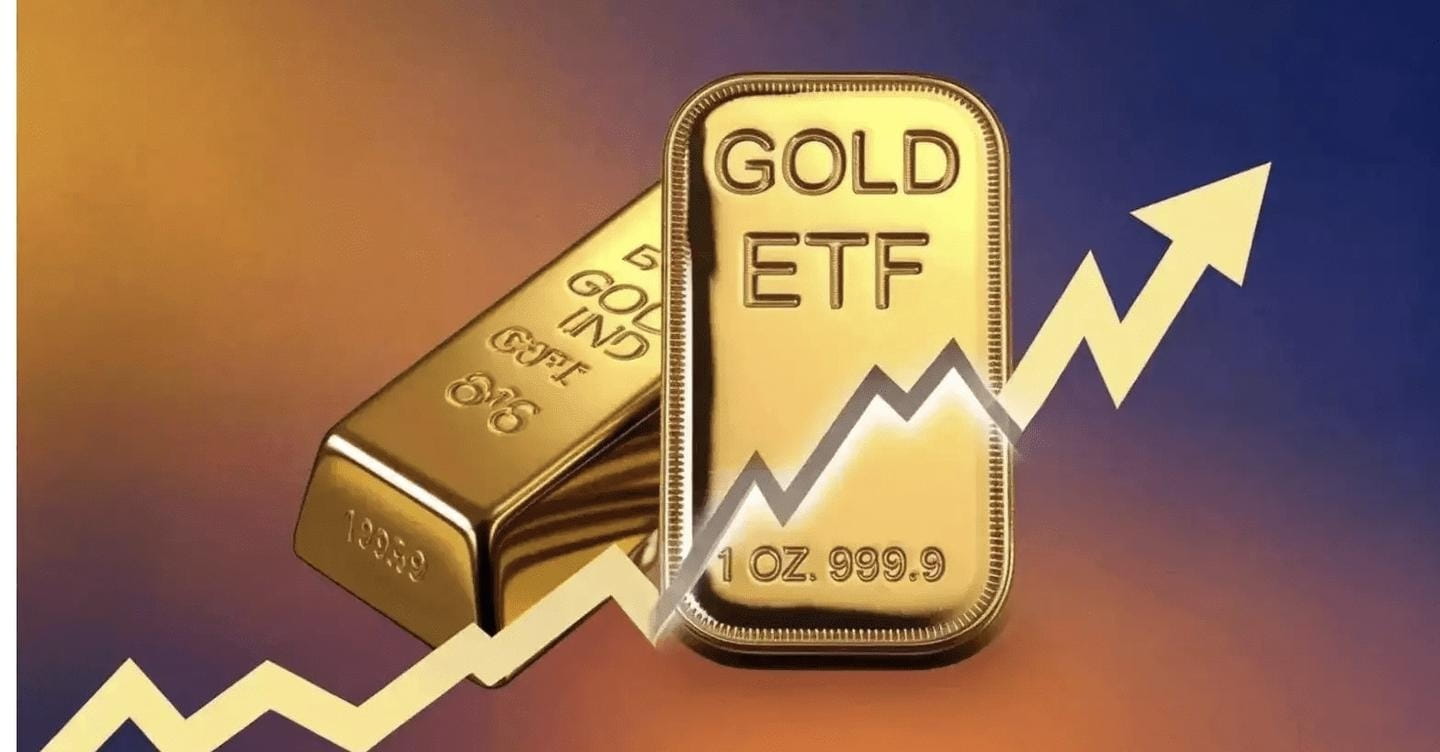
Third stage (2020-2021): Learn to take profits and allocate assets; being calm and steady is the real deal.
Having experienced a complete bull and bear cycle, my mindset has become much calmer. In 2020, the crypto market began to rise again, and my assets slowly warmed up, but I no longer 'bet big' like in 2017. The most I did were two things: taking profits and continuously adjusting asset allocation.
For example, when Bitcoin rose to $40,000, I sold 20% as planned; when it rose to $60,000, I sold another 30%, securing my principal and part of the profit first. The remaining position was not all in one coin, but rather divided in the ratio of '60% mainstream coins + 30% potential coins + 10% stablecoins'.
Some say I'm 'conservative', but having seen too many people 'make money and then lose it back', I finally understand: making money in the crypto world is not difficult; what's hard is 'keeping the money you've earned'. As I grow older, I find that 'steady and stable' is more reliable than 'grand and spectacular'—at least I can sleep well at night.
Fourth stage (2022 to present): Cultivate mindset, believe in the long term, and more importantly, believe in 'being present'.
In the past two years of bear market fluctuations, many people couldn't hold on and left the market, but I have more confidence in the future of the crypto world. It's not blind optimism; it's having seen too many cycles: the bull and bear of 2013, the craziness of 2017, the rebound of 2020... Every bottom has its despair, but every bull market surpasses the previous highs.
Now I only do one thing: don't leave the market, hold quality coins. Bitcoin, Ethereum, and a few truly grounded projects—if they drop, I'll use spare cash to buy more; if they rise, I'll take profits as planned, remaining calm.
The market is like the ocean waves, rising and falling is the norm. Those who survive are not the ones who can predict the wave height, but those who can stand firm in the waves.