

In a significant development in international energy trade, Russia is reportedly preparing to send a major shipment of crude oil to Pakistan. According to Russian media outlets, the shipment will consist of approximately 733,000 barrels of crude oil, marking one of the largest single consignments of Russian oil to Pakistan in recent years.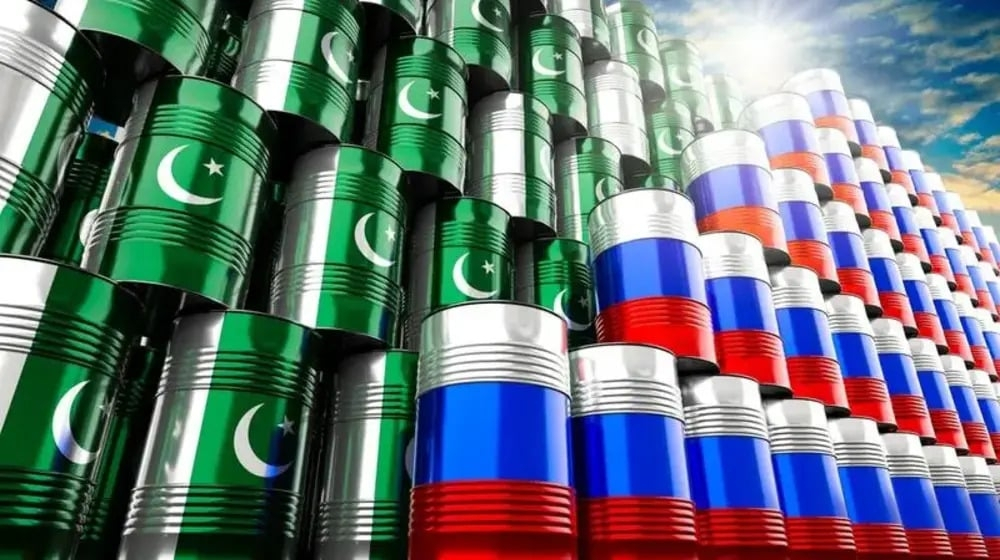
Context Behind the Shipment
Energy security is a critical concern for Pakistan, a country heavily reliant on imported crude oil to meet its growing domestic demand. With global oil prices remaining volatile due to geopolitical tensions and supply constraints, Pakistan has been actively seeking reliable sources of energy at competitive rates.
Russia, on the other hand, has been exploring new markets for its crude oil amid fluctuating European demand. Sanctions and geopolitical restrictions have limited Russia’s access to traditional buyers, making Asian markets like Pakistan increasingly important. The move to supply Pakistan is not just a commercial decision but also a strategic one, reflecting the deepening energy and economic ties between the two nations.
Economic Implications for Pakistan
The arrival of 733,000 barrels of Russian crude oil can have several immediate and long-term economic benefits for Pakistan:
Reducing Energy Shortages: Pakistan has faced challenges in maintaining stable oil supplies, leading to fluctuations in fuel prices and occasional energy crises. A large shipment like this can help stabilize supply in the short term.
Potential Cost Benefits: Russian oil is often priced competitively, especially when compared with Middle Eastern benchmarks. This could provide Pakistan with the opportunity to reduce its import bill and mitigate inflationary pressures in the domestic economy.
Strategic Energy Partnership: This shipment may signal the beginning of a more robust energy partnership, potentially including long-term supply agreements or infrastructure collaboration such as refineries and pipelines.
Geopolitical Implications
The Russia-Pakistan energy cooperation comes at a time of shifting alliances in global energy politics. Pakistan has historically imported oil from the Middle East, particularly Saudi Arabia and the UAE. Expanding ties with Russia allows Pakistan to diversify its sources, reducing dependence on a single region and enhancing energy security.
For Russia, exporting to Pakistan strengthens its foothold in South Asia, a region of growing economic and strategic importance. By supplying crude oil to Pakistan, Russia not only opens a new market but also positions itself as a reliable energy partner amidst geopolitical tensions with Western nations.
Challenges and Considerations
While the shipment represents a significant opportunity, there are several considerations for Pakistan:
Transportation and Logistics: Moving such a large volume of crude oil requires careful coordination in shipping and port logistics.
Market Integration: Pakistan will need to ensure that its refineries and fuel distribution networks can efficiently process and distribute Russian crude.
Diplomatic Balance: While expanding energy ties with Russia, Pakistan must also carefully manage relations with its other energy partners in the Middle East and globally.
Conclusion
The reported shipment of 733,000 barrels of Russian crude oil to Pakistan is more than just a commercial transaction. It symbolizes a strategic energy collaboration that could reshape Pakistan’s energy landscape and strengthen economic ties with Russia. As the global energy market continues to evolve, Pakistan’s engagement with diverse suppliers like Russia may prove critical in ensuring both energy security and economic stability in the coming years.
This development is closely watched by industry analysts and policymakers alike, as it highlights the intersection of energy, economics, and geopolitics in the 21st century.
$DEGO $ETH $SOL #USIranWarEscalation #AIBinance #JobsDataShock