🔥 Why Iranian Oil Matters Beyond Just Barrels 🛢️
$DEGO $BANANA $BANANAS31
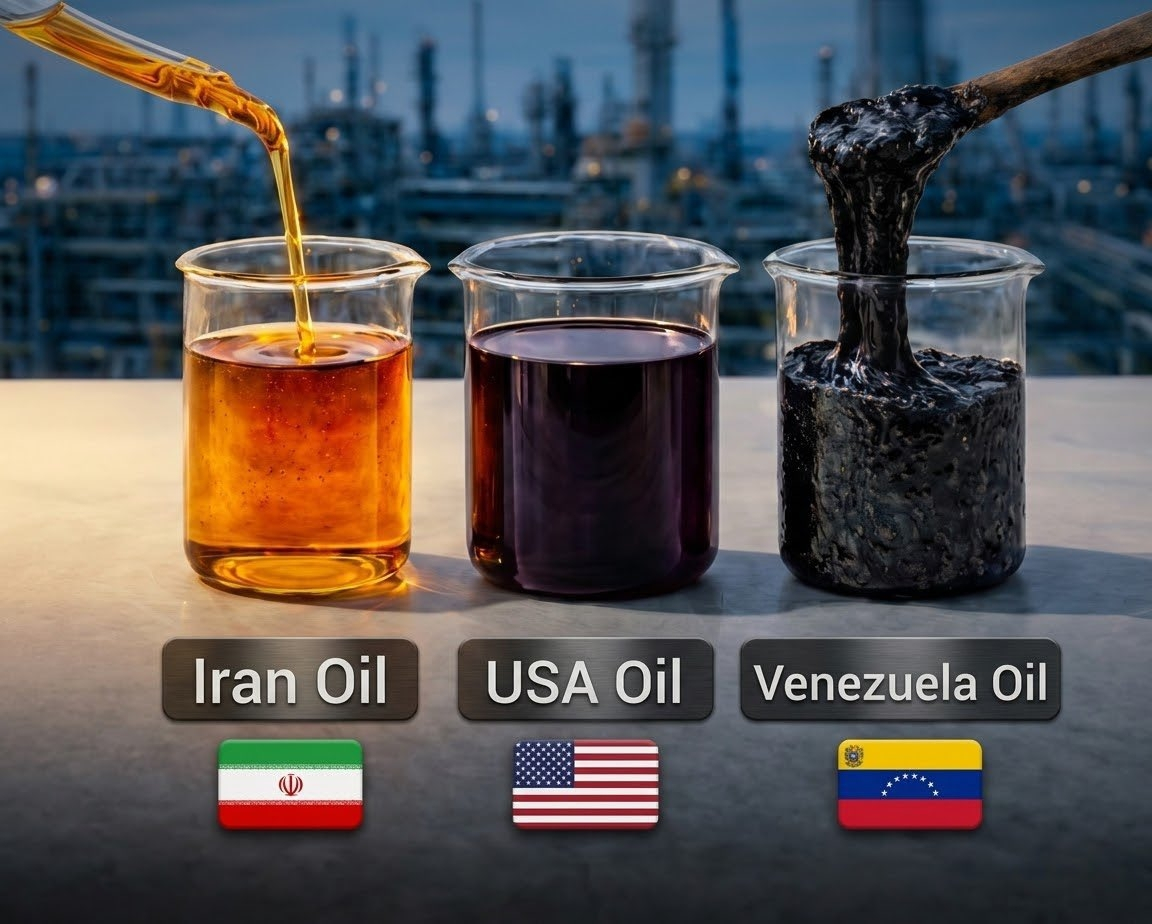
Most people talk about oil in terms of barrels, but what truly matters is what’s inside those barrels. Crude oil is not a uniform commodity — it is a mix of hydrocarbons with different molecular weights. The key measure is API Gravity, which shows how light or heavy a crude is. Higher API means lighter crude that produces more gasoline and jet fuel, while lower API means heavier crude that requires more energy and complex refining equipment.
Iranian Light crude, produced by the National Iranian Oil Company, typically has 33–36° API gravity and about 1.4% sulfur, placing it in the medium-crude range that many refineries process efficiently. It produces a balanced mix of gasoline, diesel, and jet fuel without requiring the heavy upgrading needed for very heavy crude or the blending often required for ultra-light shale oil.
That’s why routes like the Strait of Hormuz matter so much. It’s not only about the volume of oil moving through the strait, but also the type of crude global refineries were built to run efficiently. If that flow is disrupted, the problem isn’t just fewer barrels — it’s losing the specific crude grades the refining system depends on.
Source: 📰 S&P Global Commodity Insights | International Energy Agency (IEA).