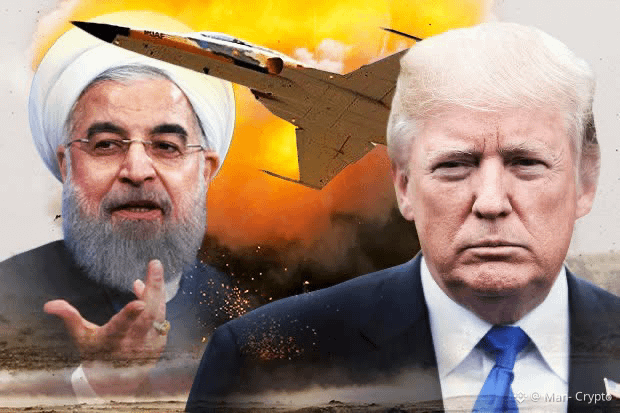
Why must the US deal with Iran?
Iran has blocked part of the Strait of Hormuz ahead of negotiations in Switzerland. This is not a random act. It is a hostage-taking move before sitting down at the negotiating table.
This strait is the lifeblood of global energy. About one-third of the world's seaborne oil passes through here. If blocked, global supply is immediately choked off. Oil prices could spike to 150, even 200 USD per barrel in a worst-case scenario.
The US understands this very well. An oil shock would push inflation back up. If inflation rises, the Federal Reserve cannot lower interest rates as expected. The economy is under pressure, and the financial markets shake.
Therefore, when Iran tightens Hormuz, the US is forced to tone down temporarily. The market reacts by selling gold. But after the negotiations, nothing progresses substantively. Tensions return. Gold recovers.
That is the surface.
Now comes the more important part. Why do I believe the US must deal with Iran?
First, Iran is a crucial link in the global energy system.
Second, Iran has been selling oil for many years not entirely in USD.
Third, Iran is one of the countries actively promoting the trend of de-dollarization.
Meanwhile, the US needs to reinforce the position of the USD. To maintain the dominant role of the currency, it must keep the petrodollar mechanism. When oil is traded in USD, the whole world has to hold USD. The demand for USD increases, securing the financial strength of the US.
Iran goes against this trend.
The issue is not just oil. It is currency. It is power.
Iran has blocked part of the Strait of Hormuz ahead of negotiations in Switzerland. This is not a random act. It is a hostage-taking move before sitting down at the negotiating table.
This strait is the lifeblood of global energy. About one-third of the world's seaborne oil passes through here. If blocked, global supply is immediately choked off. Oil prices could spike to 150, even 200 USD per barrel in a worst-case scenario.
The US understands this very well. An oil shock would push inflation back up. If inflation rises, the Federal Reserve cannot lower interest rates as expected. The economy is under pressure, and the financial markets shake.
Therefore, when Iran tightens Hormuz, the US is forced to tone down temporarily. The market reacts by selling gold. But after the negotiations, nothing progresses substantively. Tensions return. Gold recovers.
That is the surface.
Now comes the more important part. Why do I believe the US must deal with Iran?
First, Iran is a crucial link in the global energy system.
Second, Iran has been selling oil for many years not entirely in USD.
Third, Iran is one of the countries actively promoting the trend of de-dollarization.
Meanwhile, the US needs to reinforce the position of the USD. To maintain the dominant role of the currency, it must keep the petrodollar mechanism. When oil is traded in USD, the whole world has to hold USD. The demand for USD increases, securing the financial strength of the US.
Iran goes against this trend.
The issue is not just oil. It is currency. It is power.