As the blockchain ecosystem enters a stage of parallel multi-chain development, the biggest issue faced by users and developers is no longer whether to go on-chain, but rather where to use and deploy applications. In this context, the interoperability and settlement capabilities of multi-chain finance become decisive factors. Kava Chain, with its cross-chain interoperability, EVM compatibility, strategic treasury, and institutionalized governance, is gradually growing into an important application hub for multi-chain finance.
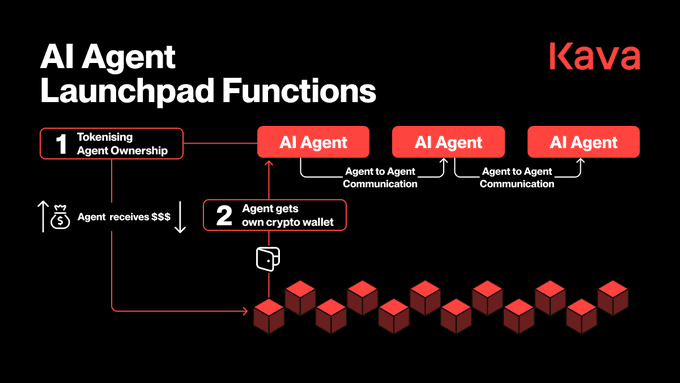
First, cross-chain interoperability is the core of application deployment. Most users do not want to be limited to a single ecosystem; they need to transfer assets freely and use applications on different chains. Kava relies on the IBC protocol to achieve deep interconnection with the Cosmos ecosystem; at the same time, it accommodates a large developer and user base from the Ethereum ecosystem through EVM compatibility. This dual-stack design allows users to freely transfer multi-chain assets on Kava and enables developers to easily deploy cross-chain applications, greatly expanding application scenarios.
Secondly, the strategic treasury provides institutionalized financial support for multi-chain applications. The development and maintenance of multi-chain applications require continuous investment, especially when it involves cross-chain settlement and liquidity support, which require stable funding sources. Kava's strategic treasury accumulates funds through transaction fees and protocol revenue, with governance deciding the allocation direction, thus providing transparent and long-term financial security for multi-chain applications. This allows developers to innovate in a stable financial environment, and users can also enjoy a more stable application experience.
Third, the governance mechanism enhances the flexibility and security of multi-chain applications. The multi-chain environment is complex, with more risk points than a single chain. If a problem occurs in one chain, it may affect the stability of the entire application. Kava's governance mechanism allows the community to respond quickly to risks, such as proposals to pause a specific cross-chain path, provide additional subsidies for particular liquidity pools, or adjust system parameters when necessary. This institutionalized dynamic adjustment capability ensures the long-term stable operation of multi-chain applications.
Fourth, EVM compatibility makes it easier for multi-chain applications to be deployed. Developers can directly use the familiar Solidity language to migrate DeFi, stablecoin, and derivative applications from the Ethereum ecosystem to Kava, and then connect them with the Cosmos ecosystem through the IBC protocol. This institutionalized technical support makes Kava an ideal platform for developers to enter the multi-chain financial world.
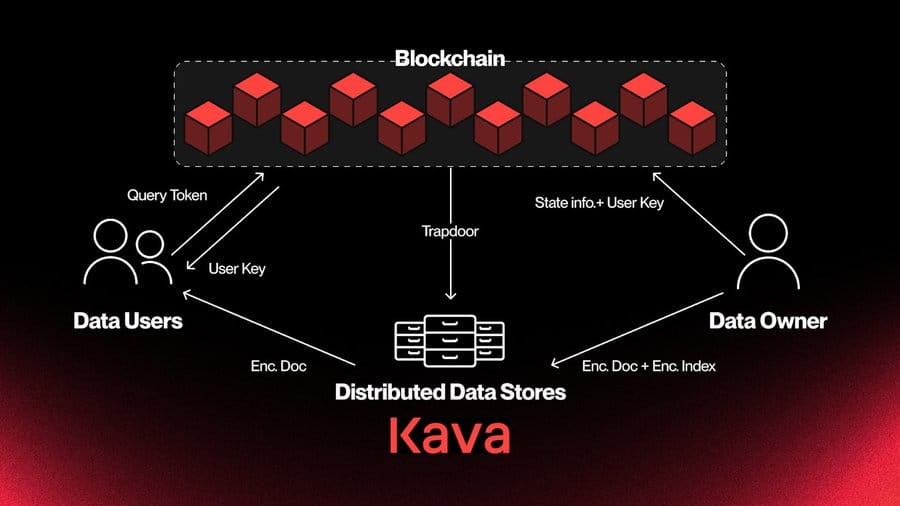
I believe Kava's unique value lies in that it not only solves the problem of cross-chain interoperability but also provides an institutionalized environment for multi-chain applications through finance and governance. Its strategic treasury allows both developers and users to have long-term expectations, while the governance mechanism ensures flexibility and transparency in the ecosystem within a complex environment.
In the long run, as RWA and AI-driven financial strategies continue to expand, multi-chain finance will become the mainstream model of blockchain. Kava, through institutionalized cross-chain design, financial support, and governance capabilities, has already occupied a favorable position in this trend. In the future, it is expected to grow into a hub for multi-chain applications, providing global users with secure, transparent, and efficient cross-chain financial services.
#KavaBNBChainSummer @kava $KAVA