



In the wave of blockchain development, it has always been difficult to balance speed and security, a rich ecosystem, and cross-chain interoperability. Although Ethereum has a large developer community and a rich smart contract ecosystem, transaction congestion and high Gas fees have long troubled users and project parties; while some high-performance chains, although fast in transactions, lack complete development tools and ecosystem support, making it difficult for applications to land. The emergence of Kava is precisely to solve this dilemma, achieving a balance of security, speed, and scalability through underlying architecture innovation, while also incorporating cross-chain capabilities.
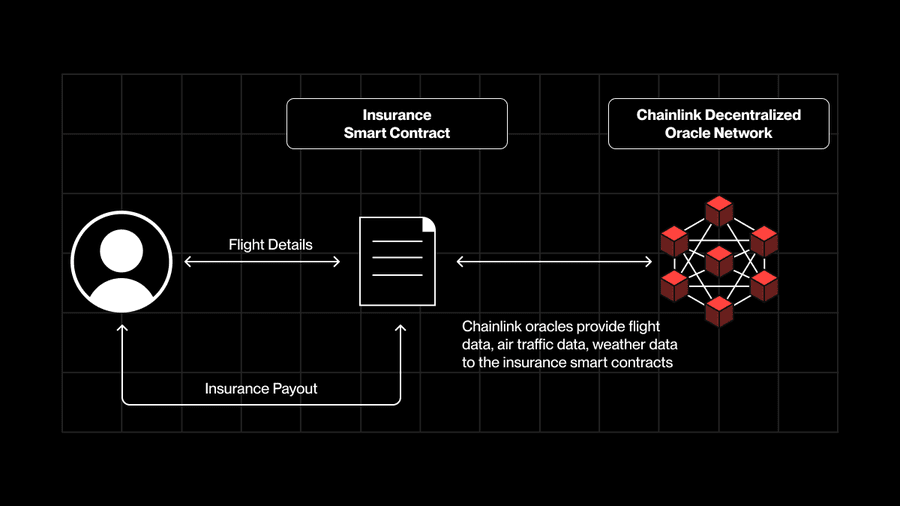
Kava is a secure and fast Layer-1 blockchain that combines the advantages of Ethereum developers with Cosmos's cross-chain technology. Compared to Ethereum's mainnet, Kava has faster transaction confirmation times and lower costs, allowing users to avoid paying high fees for every operation and not having to endure network congestion. Its underlying consensus mechanism has been optimized to ensure decentralized security while achieving high throughput, allowing on-chain transactions to be completed within seconds, which is particularly critical for financial applications and real-time trading scenarios.
Cross-chain interoperability is another highlight of Kava. With the help of Cosmos's IBC (Inter-Blockchain Communication protocol), Kava can achieve the free flow of assets and data across different public chains without relying on complex bridging, significantly reducing security risks. Compared to those ecologically closed or weakly bridged chains, Kava's multi-chain compatibility allows DeFi, NFTs, and other decentralized applications to run smoothly across different chains, forming a more efficient ecological cycle.
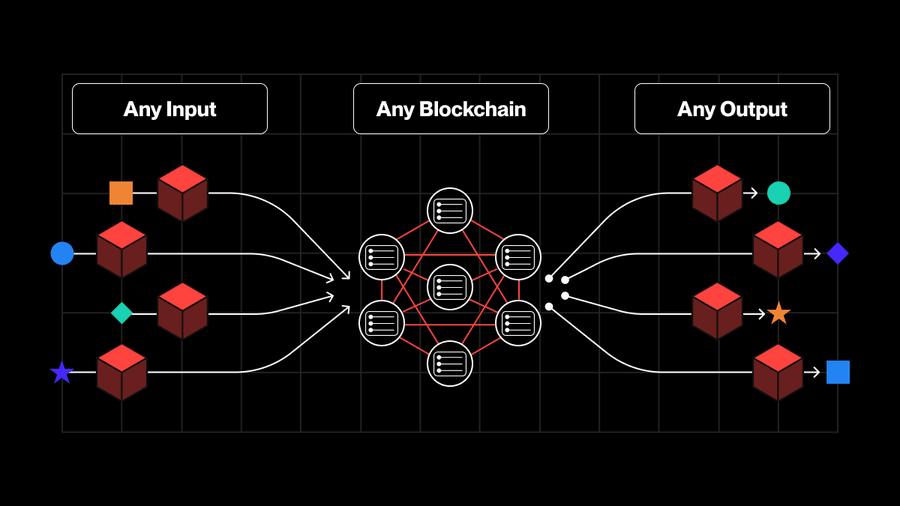
For developers, Kava's design balances high performance with ease of use. It is compatible with Ethereum's smart contract standards, allowing Solidity developers to quickly get started without needing to relearn programming languages or frameworks. At the same time, Kava provides comprehensive SDKs, tools, and documentation, greatly shortening the iteration cycle from prototype development to official launch. This convenience has attracted a large number of project parties to migrate or deploy applications on Kava, accelerating ecological development.
Kava's economic model also reflects innovation and sustainability. The network adopts a multi-layer governance mechanism combined with incentive measures, which not only ensures security but also attracts validating nodes and users to participate in network maintenance. Unlike certain high-performance chains with weak ecosystems, Kava has built an ecological closed loop that involves developers, users, and validating nodes, keeping the network active and sustainably growing in the long term.
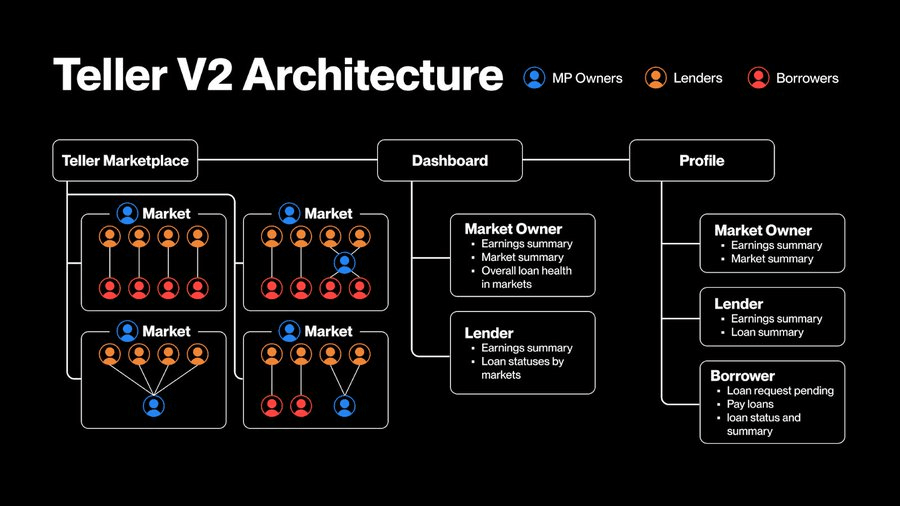
On the financial application level, Kava supports functions such as stablecoins, cross-chain lending, and multi-asset collateralization, providing efficient infrastructure for DeFi products. Through these functions, users can not only perform diversified financial operations on the Kava chain but also interact with assets from other chains, enhancing liquidity and efficiency of capital utilization. Compared to isolated DeFi applications, the multi-chain financial environment provided by Kava is closer to a universal financial platform, allowing project parties to develop with low barriers and iterate quickly while improving user experience.
Security is also a core advantage of Kava. Its underlying architecture is designed rigorously to support decentralized validating nodes participating in consensus, ensuring that the network has sufficient resilience when facing attacks. At the same time, cross-chain communication uses standardized protocols to avoid common security vulnerabilities in bridging, providing reliable guarantees for asset flow.
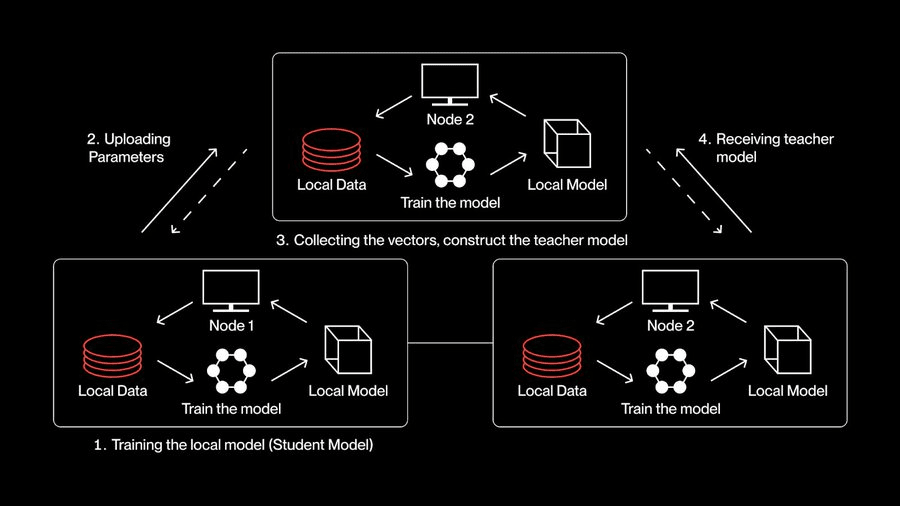
In the future, with more projects and applications landing, Kava has the potential to become an important hub for cross-chain finance and DeFi. Its unique technical architecture and ecological design enable it to not only solve existing chains' performance and interoperability issues but also provide developers and users with a smoother, low-cost blockchain experience. In the Layer-1 market, Kava gradually shows the potential to become an industry 'dark horse' by balancing performance, ecology, and security.
Overall, Kava addresses the long-standing industry pain points of slow speed, high costs, and cross-chain difficulties by integrating Ethereum's developer ecosystem, Cosmos's cross-chain capabilities, and a secure and scalable underlying architecture. It not only provides developers with efficient tools and a low-barrier environment but also offers users a fast and secure trading experience, while promoting sustainable ecological development through a comprehensive economic model and incentive mechanisms. Against the backdrop of the rapid development of multi-chain finance and DeFi, Kava is expected to become one of the few Layer-1 blockchains that can balance performance, ecology, and security, bringing new vitality and possibilities to the industry.