
加密朵儿
3.7k Posts

加密朵儿
 Square Verified+
✅币安聊天室ID 1171709603 一位加密货币投资爱好者,精通山寨币布局和主力币分析。《合约》每天日内波段,月稳定收益达到80%以上。{现货} 周期性埋伏潜力币,熊市买入,牛市卖出,年收益300%以上。五湖四海认识就是朋友!
65 Following
46.6K+ Followers
57.7K+ Liked
Posts
All
Videos
PINNED
🔥🔥🔥 Binance ID: 1171709603
New features are here! The Binance chat room has opened the 【Private Chat】 feature!
From now on, it’s easier for everyone to communicate—no more worries about messages getting buried!
Using it is super simple:
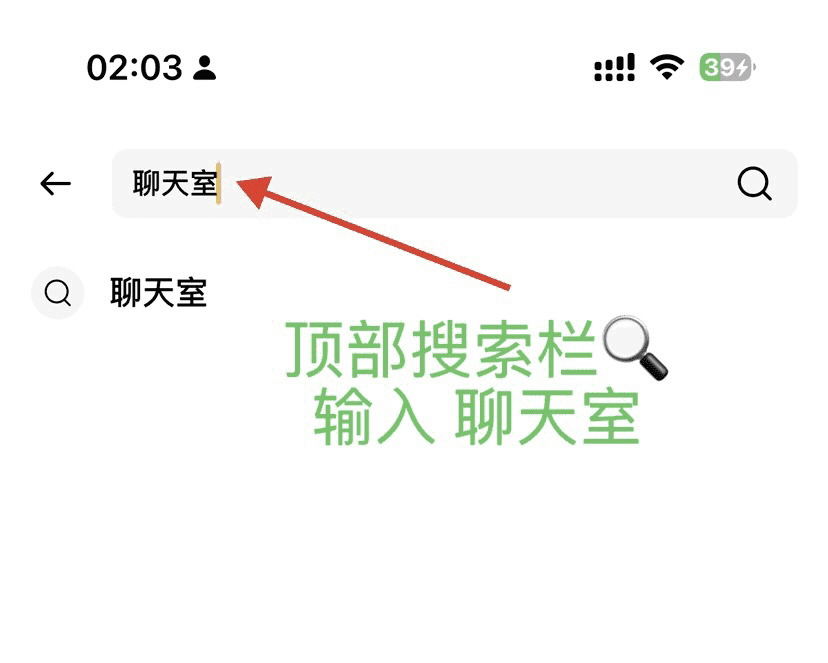
① On the Binance homepage, enter 【Chat】 in the search bar at the top to find the entry
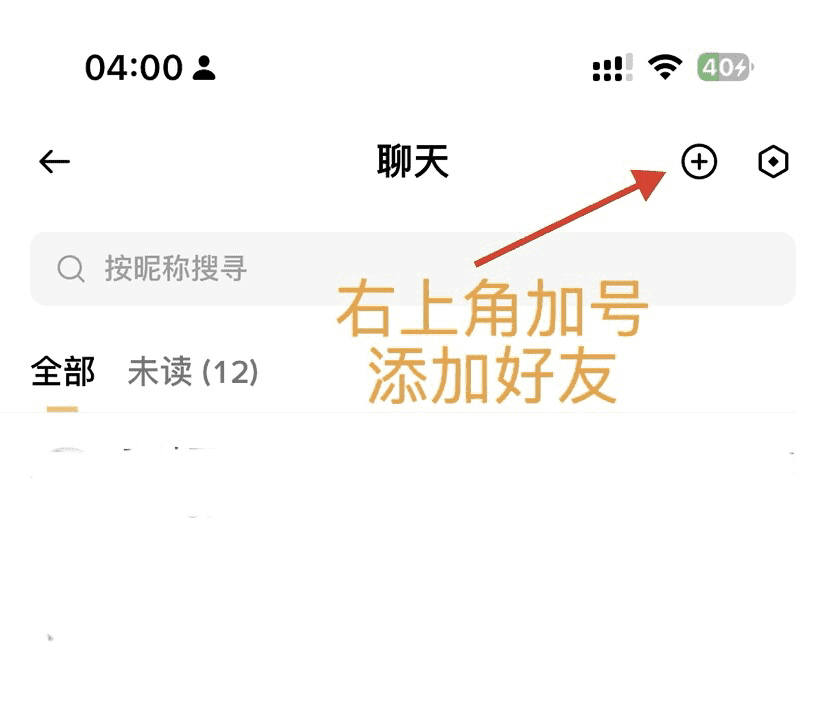
② Tap the + in the top-right corner to add a little “flower”
③ Enter your Binance ID (for example, mine: 1171709603) (or scan the QR code directly)
④ One-click search—add me and chat anytime!
Family, add your little “flower” first—then you can discuss market updates and opportunities right away!
New features are here! The Binance chat room has opened the 【Private Chat】 feature!
From now on, it’s easier for everyone to communicate—no more worries about messages getting buried!
Using it is super simple:
① On the Binance homepage, enter 【Chat】 in the search bar at the top to find the entry
② Tap the + in the top-right corner to add a little “flower”
③ Enter your Binance ID (for example, mine: 1171709603) (or scan the QR code directly)
④ One-click search—add me and chat anytime!
Family, add your little “flower” first—then you can discuss market updates and opportunities right away!

Brothers and sisters with less than 1000U in capital—don’t rush in blindly yet. Listen to Sister Duor say a few honest truths——
The crypto market isn’t about guessing highs and lows; it’s a place where you eat by following rules!
I once brought a newcomer in: he entered with 800U, and after 2 months he grew it to 18,000U. His account is now close to 30,000U, and he didn’t blow up a position even once the whole time. Do you think it was luck? Wrong! It’s based on these three “life-saving and profit-making” hard logics—and it’s also the core method I learned from 5,000U to where I am now, which means you don’t have to stare at the charts all day:
First rule: Split the money into three parts—messy trading will get you wiped out
▪ 300U for day trading: focus only on BTC/ETH each day, find a small move, take 3–5% and exit—never get too greedy;
▪ 300U for swing trading: wait for big moves (like ETF news, Fed rate hikes). Once you make a move, hold for 3–5 days—steady, not fast;
▪ 400U as your trump card: no matter how badly it drops or how crazy it spikes, you never touch this money! It’s your backbone for when you can finally turn things around at the bottom.
Too many people go all-in with just a few hundred U. They get high when it rises, panic when it falls—remember, staying alive matters more than anything. Keep the money, and you can get back your losses.
Second rule: Only go after the “big meat,” don’t pick up scraps
About 90% of the time in crypto is磨人—trading that wears you down. Frequent buying and selling is basically sending fees to the exchange!
When there’s no trend, lie low—watch dramas even beats random trades. When the trend comes, then enter (for example: BTC holds a key support level, or ETH breaks above the previous high). When profit reaches 15% of your principal, take out half first—money in your pocket is what counts as earned. Account numbers are just numbers on a screen!
People who truly can make money know: “Play dead in normal times; when the wind comes, bite once and run.”
Third rule: Follow the rules—don’t let emotions take over
▪ Set a stop-loss at 1.5%. Once the time comes, cut immediately—never give in to lucky-thinking;
▪ If profit exceeds 3%, reduce half the position first. Let the remaining profits run;
▪ If you lose, never add to the position. Adding more when you’re down only tightens the trap—adds more panic, and the more you average down, the worse it gets!
You don’t have to be right every time, but you must do the right thing every time. The essence of making money is: let rules govern your trades, and don’t let a hot-headed brain ruin your account.
Honestly, having a small principal isn’t scary. What’s scary is always thinking “one shot to get back to even.” Turning 800U to 30,000U isn’t about luck—it’s about not being greedy, not panicking, and sticking to the rules.
If you’re still losing sleep over whether a few dozen U go up or down, and you don’t know how to split your money, how to wait for the right time, or how to set your stop-loss—then I’ll help you sort it out. I’ll teach you step by step: how to cut your funds, how to catch the timing, and how to set stop-loss—so you’ll make fewer detours than trying to smash in blindly on your own for two years.
The crypto market isn’t about guessing highs and lows; it’s a place where you eat by following rules!
I once brought a newcomer in: he entered with 800U, and after 2 months he grew it to 18,000U. His account is now close to 30,000U, and he didn’t blow up a position even once the whole time. Do you think it was luck? Wrong! It’s based on these three “life-saving and profit-making” hard logics—and it’s also the core method I learned from 5,000U to where I am now, which means you don’t have to stare at the charts all day:
First rule: Split the money into three parts—messy trading will get you wiped out
▪ 300U for day trading: focus only on BTC/ETH each day, find a small move, take 3–5% and exit—never get too greedy;
▪ 300U for swing trading: wait for big moves (like ETF news, Fed rate hikes). Once you make a move, hold for 3–5 days—steady, not fast;
▪ 400U as your trump card: no matter how badly it drops or how crazy it spikes, you never touch this money! It’s your backbone for when you can finally turn things around at the bottom.
Too many people go all-in with just a few hundred U. They get high when it rises, panic when it falls—remember, staying alive matters more than anything. Keep the money, and you can get back your losses.
Second rule: Only go after the “big meat,” don’t pick up scraps
About 90% of the time in crypto is磨人—trading that wears you down. Frequent buying and selling is basically sending fees to the exchange!
When there’s no trend, lie low—watch dramas even beats random trades. When the trend comes, then enter (for example: BTC holds a key support level, or ETH breaks above the previous high). When profit reaches 15% of your principal, take out half first—money in your pocket is what counts as earned. Account numbers are just numbers on a screen!
People who truly can make money know: “Play dead in normal times; when the wind comes, bite once and run.”
Third rule: Follow the rules—don’t let emotions take over
▪ Set a stop-loss at 1.5%. Once the time comes, cut immediately—never give in to lucky-thinking;
▪ If profit exceeds 3%, reduce half the position first. Let the remaining profits run;
▪ If you lose, never add to the position. Adding more when you’re down only tightens the trap—adds more panic, and the more you average down, the worse it gets!
You don’t have to be right every time, but you must do the right thing every time. The essence of making money is: let rules govern your trades, and don’t let a hot-headed brain ruin your account.
Honestly, having a small principal isn’t scary. What’s scary is always thinking “one shot to get back to even.” Turning 800U to 30,000U isn’t about luck—it’s about not being greedy, not panicking, and sticking to the rules.
If you’re still losing sleep over whether a few dozen U go up or down, and you don’t know how to split your money, how to wait for the right time, or how to set your stop-loss—then I’ll help you sort it out. I’ll teach you step by step: how to cut your funds, how to catch the timing, and how to set stop-loss—so you’ll make fewer detours than trying to smash in blindly on your own for two years.

I’ve been trading cryptocurrencies for eight years, starting with 50,000 and growing to more than 50 million today. I’ve relied on a steady approach with a 50% position size—every month my returns can surge up to 70%. I’m passing this exclusive playbook to my disciple; he doubled his money in just three months. Today I’m in a good mood, so I’ll share these treasures with you all—remember to save them!
1. Divide your capital into 5 parts; each time only enter with one-fifth. Set a stop loss of 10%. If you’re wrong once, you only lose 2% of your total capital; if you’re wrong 5 times, you lose 10% of your total capital. If you’re right, set a take-profit at 10% or more—do you think you’d still get trapped?
2. How do you improve your win rate again? Simply put: two words—follow the trend! In a downtrend, every bounce lures people to buy at the wrong time. In an uptrend, every pullback drops to create a “golden pit.” Tell me—what’s easier to make money: catching the bottom, or buying on a pullback?
3. Don’t touch coins that have surged extremely fast in the short term, whether they’re major coins or small-cap altcoins. There are very few coins that can produce several rounds of major upswing. The logic is that after a short-term explosive rally, it’s much harder to keep climbing. When a coin stalls at high levels later, it can’t be pushed higher, so it naturally falls—pretty simple, but many people still want to take a gamble.
4. You can use MACD to judge entry and exit points. If the DIF line and DEA form a golden cross below the 0 axis, that’s a steady entry signal; once the price breaks above the 0 axis, it’s another sign. When the MACD forms a “dead cross” and runs downward from above the 0 axis, you can treat it as a signal to reduce positions.
5. I don’t know who invented the term “averaging down,” but how many retail traders have been tripped up because of it and suffered huge losses! Many people lose more and keep averaging down, and the more they average down, the more they lose—this is the biggest taboo in crypto trading: putting yourself into a dead end. Remember: never add to your position when you’re at a loss; only add when you’re in profit.
6. For volume-price indicators, volume comes first. Trading volume is the “buying soul” of the crypto market. If the coin price breaks out with increased volume while in a low, consolidating range, pay attention. If, at a high level, it shows a volume spike but stalls (fails to rise), exit decisively.
7. Only trade coins in an upward trend—this gives you the highest odds and saves time. When the 3-day line turns up, it indicates short-term upward movement; when the 30-day line turns up, it indicates a medium-term rise; when the 84-day line turns up, it signals a main upswing; when the 120-day moving average turns up, it signals a long-term bull trend.
8. Keep doing a post-trade review each round: check whether anything about your position (your holdings) has changed. Technically, see whether the weekly K-line trend matches your judgment, and whether the direction has changed—review and adjust your trading strategy in time.
The market is always there. Find your “Duo’er,” and with a systematic mindset, I’ll help you get through the fog of investing.
1. Divide your capital into 5 parts; each time only enter with one-fifth. Set a stop loss of 10%. If you’re wrong once, you only lose 2% of your total capital; if you’re wrong 5 times, you lose 10% of your total capital. If you’re right, set a take-profit at 10% or more—do you think you’d still get trapped?
2. How do you improve your win rate again? Simply put: two words—follow the trend! In a downtrend, every bounce lures people to buy at the wrong time. In an uptrend, every pullback drops to create a “golden pit.” Tell me—what’s easier to make money: catching the bottom, or buying on a pullback?
3. Don’t touch coins that have surged extremely fast in the short term, whether they’re major coins or small-cap altcoins. There are very few coins that can produce several rounds of major upswing. The logic is that after a short-term explosive rally, it’s much harder to keep climbing. When a coin stalls at high levels later, it can’t be pushed higher, so it naturally falls—pretty simple, but many people still want to take a gamble.
4. You can use MACD to judge entry and exit points. If the DIF line and DEA form a golden cross below the 0 axis, that’s a steady entry signal; once the price breaks above the 0 axis, it’s another sign. When the MACD forms a “dead cross” and runs downward from above the 0 axis, you can treat it as a signal to reduce positions.
5. I don’t know who invented the term “averaging down,” but how many retail traders have been tripped up because of it and suffered huge losses! Many people lose more and keep averaging down, and the more they average down, the more they lose—this is the biggest taboo in crypto trading: putting yourself into a dead end. Remember: never add to your position when you’re at a loss; only add when you’re in profit.
6. For volume-price indicators, volume comes first. Trading volume is the “buying soul” of the crypto market. If the coin price breaks out with increased volume while in a low, consolidating range, pay attention. If, at a high level, it shows a volume spike but stalls (fails to rise), exit decisively.
7. Only trade coins in an upward trend—this gives you the highest odds and saves time. When the 3-day line turns up, it indicates short-term upward movement; when the 30-day line turns up, it indicates a medium-term rise; when the 84-day line turns up, it signals a main upswing; when the 120-day moving average turns up, it signals a long-term bull trend.
8. Keep doing a post-trade review each round: check whether anything about your position (your holdings) has changed. Technically, see whether the weekly K-line trend matches your judgment, and whether the direction has changed—review and adjust your trading strategy in time.
The market is always there. Find your “Duo’er,” and with a systematic mindset, I’ll help you get through the fog of investing.

How do crypto futures make money?
If you’re currently trading and losing so badly you doubt your life, spend 3 minutes reading this article—it might help you find a way out of despair.
Remember these 12-word golden rules: cut when wrong, hold firmly when right, small losses, big wins. How exactly do you play it? #币圈生存法则
1. Watch the bigger trend
When the 5-day moving average is above, only go long; when it’s below, only go short. Don’t fight the trend—you’ll end up getting wiped out. $HYPE
2. Start with a test trade
Look for setups where the stop loss is only 1 unit, but the upside can be 10x. Usually, it’s near the bottom when the market is just starting to move. If you’re wrong, you’ll only lose the price of a quick meal.
3. Cut quickly when it breaks
Once a key level breaks, cut immediately. Don’t get emotionally attached to your orders. If the market comes back afterward, then re-enter—better than getting liquidated. $SNDK
4. Adding to positions is the real strategy
After you catch the first wave, wait for a pullback to the support level, then add to your position. Remember: adding should be as cautious as opening the first trade.
5. Use a trailing stop
$BTC
Each time you add to your position, move your stop loss upward. In the end, you’ll only be letting profits run—you can sleep at night.
6. Let the profits fly
Don’t act like you’ve never seen money. If you make 10%, don’t just run. The real “fat meat” is later—wait for clear signs of a top, then hit it with a one-time sell-off.
These 6 rules look simple, but 90% of people die because of execution.
#币圈起伏落袋为安
If you can control your impulses, making money is just a matter of time. When I finally understood this back then, my account balance started taking off like a rocket. Now it’s your turn.
Duo’er only does live trading—no empty promises. There are still spots available in the team right now. Brothers and sisters who want to learn the methods and turn things around, hop on—we’ll work together!
If you’re currently trading and losing so badly you doubt your life, spend 3 minutes reading this article—it might help you find a way out of despair.
Remember these 12-word golden rules: cut when wrong, hold firmly when right, small losses, big wins. How exactly do you play it? #币圈生存法则
1. Watch the bigger trend
When the 5-day moving average is above, only go long; when it’s below, only go short. Don’t fight the trend—you’ll end up getting wiped out. $HYPE
2. Start with a test trade
Look for setups where the stop loss is only 1 unit, but the upside can be 10x. Usually, it’s near the bottom when the market is just starting to move. If you’re wrong, you’ll only lose the price of a quick meal.
3. Cut quickly when it breaks
Once a key level breaks, cut immediately. Don’t get emotionally attached to your orders. If the market comes back afterward, then re-enter—better than getting liquidated. $SNDK
4. Adding to positions is the real strategy
After you catch the first wave, wait for a pullback to the support level, then add to your position. Remember: adding should be as cautious as opening the first trade.
5. Use a trailing stop
$BTC
Each time you add to your position, move your stop loss upward. In the end, you’ll only be letting profits run—you can sleep at night.
6. Let the profits fly
Don’t act like you’ve never seen money. If you make 10%, don’t just run. The real “fat meat” is later—wait for clear signs of a top, then hit it with a one-time sell-off.
These 6 rules look simple, but 90% of people die because of execution.
#币圈起伏落袋为安
If you can control your impulses, making money is just a matter of time. When I finally understood this back then, my account balance started taking off like a rocket. Now it’s your turn.
Duo’er only does live trading—no empty promises. There are still spots available in the team right now. Brothers and sisters who want to learn the methods and turn things around, hop on—we’ll work together!


“Teach you how to turn an exchange into a cash machine in 3 minutes —— Not guessing price moves, not staring at the chart; in 5 years, 0 liquidations/zero busts, 5000U rolled into a seven-figure number—it's all based on just one ‘probability cheat sheet’.”
I entered the game in 2017 with 5000U. While people around me got liquidated on futures and even pledged their houses as collateral, my account equity curve still climbed at a 45° angle. My principal pullbacks never exceeded 8%.
No insider info, no farming airdrops, and I don’t believe in “candlestick chart magic.” I treat the market like a gambling machine—I become the “casino boss” myself. Today I’ll break down 3 key methods for you:
First, lock in compounding profits and give gains “body armor.”
The moment I open a position, I immediately place take-profit and stop-loss orders. When profit reaches 10% of the principal, I withdraw 50% to a cold wallet at once, and the remaining amount rolls forward using “free profits.”
If the market keeps rising, enjoy compounding; if it reverses, at most you give back half the profits—your principal stays as solid as a rock.
In 5 years, I’ve withdrawn profits 37 times. My biggest single-week withdrawal was 180,000 U, and I even had to have an exchange customer-service video verify whether I was laundering money.
Second, build positions in the “wrong” way—treat the liquidation point as the “password.” At the same time, watch three timeframes: daily, 4-hour, and 15-minute. The daily chart sets the direction, the 4-hour chart finds the range, and the 15-minute chart pinpoints the entry.
Open two orders for the same coin: Order A breaks out and chases longs; its stop loss is placed below the recent low before the daily level. Order B is placed as a limit sell/short, lying in wait for 4 hours inside the overbought area.
Both stop losses are ≤ 1.5% of the principal, and take-profit is set at 5× or higher.
The market is choppy for 80% of the time. While others get liquidated, I profit on both sides. Last year when LUNA crashed, within 24 hours there were 90% wick spikes; I set take-profits for both long and short, and the account rose 42% in a single day.
Third, stop-loss is the real profit. Small wounds buy you big bull stocks. I treat stop-loss as your ticket: risking only 1.5% gives you the chance to act like the market maker.
When conditions are good, move the take-profit to let profits run; when conditions are bad, exit in time. Over long-term statistics, my win rate is only 38%, but the profit/loss ratio is 4.8:1, with a positive mathematical expectation of 1.9%—for every 1 unit of risk, you reliably earn 1.9. If you catch two trend waves a year, you’ll beat bank wealth management.
For hands-on execution, remember three more points:
Split your capital into 10 parts, use at most 1 part per trade, and never hold more than 3 parts at once.
If you lose two trades in a row, power off and go work out—don’t open a “revenge trade.” When your account doubles, withdraw 20% to buy U.S. Treasuries or gold; even in a bear market, you can stay at ease.
The methods are simple, yet they go against human nature. Remember: “The market doesn’t fear you being wrong—it fears you after you get liquidated and can’t crawl back.” Take these three moves and next week you’ll make the exchange work for you.
I entered the game in 2017 with 5000U. While people around me got liquidated on futures and even pledged their houses as collateral, my account equity curve still climbed at a 45° angle. My principal pullbacks never exceeded 8%.
No insider info, no farming airdrops, and I don’t believe in “candlestick chart magic.” I treat the market like a gambling machine—I become the “casino boss” myself. Today I’ll break down 3 key methods for you:
First, lock in compounding profits and give gains “body armor.”
The moment I open a position, I immediately place take-profit and stop-loss orders. When profit reaches 10% of the principal, I withdraw 50% to a cold wallet at once, and the remaining amount rolls forward using “free profits.”
If the market keeps rising, enjoy compounding; if it reverses, at most you give back half the profits—your principal stays as solid as a rock.
In 5 years, I’ve withdrawn profits 37 times. My biggest single-week withdrawal was 180,000 U, and I even had to have an exchange customer-service video verify whether I was laundering money.
Second, build positions in the “wrong” way—treat the liquidation point as the “password.” At the same time, watch three timeframes: daily, 4-hour, and 15-minute. The daily chart sets the direction, the 4-hour chart finds the range, and the 15-minute chart pinpoints the entry.
Open two orders for the same coin: Order A breaks out and chases longs; its stop loss is placed below the recent low before the daily level. Order B is placed as a limit sell/short, lying in wait for 4 hours inside the overbought area.
Both stop losses are ≤ 1.5% of the principal, and take-profit is set at 5× or higher.
The market is choppy for 80% of the time. While others get liquidated, I profit on both sides. Last year when LUNA crashed, within 24 hours there were 90% wick spikes; I set take-profits for both long and short, and the account rose 42% in a single day.
Third, stop-loss is the real profit. Small wounds buy you big bull stocks. I treat stop-loss as your ticket: risking only 1.5% gives you the chance to act like the market maker.
When conditions are good, move the take-profit to let profits run; when conditions are bad, exit in time. Over long-term statistics, my win rate is only 38%, but the profit/loss ratio is 4.8:1, with a positive mathematical expectation of 1.9%—for every 1 unit of risk, you reliably earn 1.9. If you catch two trend waves a year, you’ll beat bank wealth management.
For hands-on execution, remember three more points:
Split your capital into 10 parts, use at most 1 part per trade, and never hold more than 3 parts at once.
If you lose two trades in a row, power off and go work out—don’t open a “revenge trade.” When your account doubles, withdraw 20% to buy U.S. Treasuries or gold; even in a bear market, you can stay at ease.
The methods are simple, yet they go against human nature. Remember: “The market doesn’t fear you being wrong—it fears you after you get liquidated and can’t crawl back.” Take these three moves and next week you’ll make the exchange work for you.



Contracts—if your principal is less than 3000 USDT, spend one minute to watch this first.
This will absolutely help you generate steady returns. Say goodbye to blind trading!
I’ve seen a newbie standing on the brink of liquidation, with only 2100 USDT left in the account. Later, they changed their strategy and turned it into 110,000 USDT in 5 months. These days, it’s stable at over 320,000 USDT. It’s not luck—there are three techniques.
First: Quit the habit of going all-in.
Split 2100 USDT into three parts:
700 for short-term trades—only take small swings. When you reach your target, exit. Don’t get greedy.
700 for trend trading—wait for the real setup. Don’t trade too frequently.
700 as backup capital—never move it lightly, no matter what.
Remember: the biggest advantage of small capital isn’t making money fast—it’s that it’s less likely to wipe you out.
Second: Trade only certain trend moves.
Most of the time, the market is ranging. If there’s no opportunity, wait. Only act when there’s a real trend.
Don’t place orders every day, and don’t trade just because you’re itching to.
The one who makes money usually isn’t the person who trades the most—it’s the one who waits the longest. After the market is confirmed, enter. When profit reaches your target, protect it in time.
Third: Use discipline to restrain yourself.
You must follow three rules:
Per-trade loss must be controlled within the principal limit. If the stop-loss is triggered, exit immediately.
When profit reaches the goal, first protect part of the gains, then let the remaining position follow the trend.
When you’re losing, never foolishly add to the position. Don’t use your mistakes to cover up mistakes.
If you judge the market wrong, you can start over. If your principal is gone, there’s no next chance.
Many people want to flip their account with contracts but overlook the most important point: surviving comes before earning.
There’s no shortcut for small capital to become big. Trade less, use lighter position sizes, and follow strict discipline. Accumulate trade by trade, and time will give you the answer.
Follow Duor. No boasting, no empty promises—just real experience that helps you stay alive in the market. There’s still room in the team—whether you join is up to you?
This will absolutely help you generate steady returns. Say goodbye to blind trading!
I’ve seen a newbie standing on the brink of liquidation, with only 2100 USDT left in the account. Later, they changed their strategy and turned it into 110,000 USDT in 5 months. These days, it’s stable at over 320,000 USDT. It’s not luck—there are three techniques.
First: Quit the habit of going all-in.
Split 2100 USDT into three parts:
700 for short-term trades—only take small swings. When you reach your target, exit. Don’t get greedy.
700 for trend trading—wait for the real setup. Don’t trade too frequently.
700 as backup capital—never move it lightly, no matter what.
Remember: the biggest advantage of small capital isn’t making money fast—it’s that it’s less likely to wipe you out.
Second: Trade only certain trend moves.
Most of the time, the market is ranging. If there’s no opportunity, wait. Only act when there’s a real trend.
Don’t place orders every day, and don’t trade just because you’re itching to.
The one who makes money usually isn’t the person who trades the most—it’s the one who waits the longest. After the market is confirmed, enter. When profit reaches your target, protect it in time.
Third: Use discipline to restrain yourself.
You must follow three rules:
Per-trade loss must be controlled within the principal limit. If the stop-loss is triggered, exit immediately.
When profit reaches the goal, first protect part of the gains, then let the remaining position follow the trend.
When you’re losing, never foolishly add to the position. Don’t use your mistakes to cover up mistakes.
If you judge the market wrong, you can start over. If your principal is gone, there’s no next chance.
Many people want to flip their account with contracts but overlook the most important point: surviving comes before earning.
There’s no shortcut for small capital to become big. Trade less, use lighter position sizes, and follow strict discipline. Accumulate trade by trade, and time will give you the answer.
Follow Duor. No boasting, no empty promises—just real experience that helps you stay alive in the market. There’s still room in the team—whether you join is up to you?

Brothers whose capital is below 5,000 U, pause for a moment and listen to my advice.
The crypto market isn’t a casino—it’s a battlefield for strategy.
With less principal, you have to be even steadier. Be patient like an old hunter. Last year, I took a beginner under my wing. His account was only 800 U at first. He would even tremble when placing orders, afraid that one move would wipe him out.
I told him: “Follow the rules, and you can slowly build yourself up too.”
Four months later, his account broke 19,000 U;
After half a year, he directly surged to 28,000 U, and throughout the entire process, he never blew a single position.
Someone asked: is it luck? Not at all. It’s hard, iron-discipline.
These three “live-to-fight-another-day and make-money” iron laws helped him go from 800 U to where he is now:
First law: Split your funds into three parts—keep a backup.
Break your principal into three portions: 300 U for day trading—focus only on Bitcoin and Ethereum; when volatility hits 2%-4%, take profit and lock it in.
250 U for swing trading—wait for a clear opportunity before acting; hold for 2-4 days to stay稳.
250 U as your trump card—don’t move it even in extreme market conditions. That’s the confidence to turn things around. Have you seen those people with just a few thousand U go all-in?
When it rises, they get cocky; when it falls, they panic. They can’t go far. The real winners all know how to keep some money on the sidelines.
Second law: Chase trends only—don’t waste energy on churn.
Most of the time, the market spends about 80% just grinding sideways. Frequent trading just means paying platform fees over and over.
No signal? Stay put. There’s a signal? Act decisively.
If your profit hits 12%, withdraw half first. Only when you lock it in is it reliable. The rhythm of experts is: “If you don’t move, fine; but once you move, hit the target.”
When his account doubled, I watched him calmly collect the money—no rush, no chasing pumps.
Third law: Rules come first, and control your emotions. Your per-trade stop loss must never exceed 1.2%—get out when it’s time.
When profit exceeds 2.5%, cut the position in half first; let the rest run.
Never average down on losses—don’t let emotion drag you under. You don’t have to get the market right every time, but you must follow the rules every time.
Making money comes from a system that keeps your hands from wanting to make impulsive moves.
Remember: having a small capital isn’t scary. What’s scary is always thinking about “one big turnaround.” Rolling from 800 U to 28,000 U isn’t luck—it’s rules, patience, and discipline.
In the past, a lone person would crash around in the dark. Now the light is in my hands.
The light stays on—will you follow it or not?
The crypto market isn’t a casino—it’s a battlefield for strategy.
With less principal, you have to be even steadier. Be patient like an old hunter. Last year, I took a beginner under my wing. His account was only 800 U at first. He would even tremble when placing orders, afraid that one move would wipe him out.
I told him: “Follow the rules, and you can slowly build yourself up too.”
Four months later, his account broke 19,000 U;
After half a year, he directly surged to 28,000 U, and throughout the entire process, he never blew a single position.
Someone asked: is it luck? Not at all. It’s hard, iron-discipline.
These three “live-to-fight-another-day and make-money” iron laws helped him go from 800 U to where he is now:
First law: Split your funds into three parts—keep a backup.
Break your principal into three portions: 300 U for day trading—focus only on Bitcoin and Ethereum; when volatility hits 2%-4%, take profit and lock it in.
250 U for swing trading—wait for a clear opportunity before acting; hold for 2-4 days to stay稳.
250 U as your trump card—don’t move it even in extreme market conditions. That’s the confidence to turn things around. Have you seen those people with just a few thousand U go all-in?
When it rises, they get cocky; when it falls, they panic. They can’t go far. The real winners all know how to keep some money on the sidelines.
Second law: Chase trends only—don’t waste energy on churn.
Most of the time, the market spends about 80% just grinding sideways. Frequent trading just means paying platform fees over and over.
No signal? Stay put. There’s a signal? Act decisively.
If your profit hits 12%, withdraw half first. Only when you lock it in is it reliable. The rhythm of experts is: “If you don’t move, fine; but once you move, hit the target.”
When his account doubled, I watched him calmly collect the money—no rush, no chasing pumps.
Third law: Rules come first, and control your emotions. Your per-trade stop loss must never exceed 1.2%—get out when it’s time.
When profit exceeds 2.5%, cut the position in half first; let the rest run.
Never average down on losses—don’t let emotion drag you under. You don’t have to get the market right every time, but you must follow the rules every time.
Making money comes from a system that keeps your hands from wanting to make impulsive moves.
Remember: having a small capital isn’t scary. What’s scary is always thinking about “one big turnaround.” Rolling from 800 U to 28,000 U isn’t luck—it’s rules, patience, and discipline.
In the past, a lone person would crash around in the dark. Now the light is in my hands.
The light stays on—will you follow it or not?

I’ve guided so many people, but the one who left the deepest impression on me wasn’t the person who made the most money—it was a follower who grew from 2,800U to 210,000U.
Why do I remember him?
Because from start to finish, he never once asked me a question like, “Can I still buy it now?”
Many newcomers love asking for answers, but nobody is willing to build their own rules.
When I first found him, his account had only 2,800U left. He was also using the typical retail-player approach: chase hot trends, listen to tips, and when he saw others making money, he rushed in. In the end, he bought more coins, but his account shrank instead of growing.
I didn’t teach him any complicated techniques—just had him remember three principles.
First, split your position and always leave yourself an exit. $BTC
2,800U is divided into three parts: 900U for short-term trades—only trade opportunities you can clearly understand, trade at most once per day, and once you’ve completed your plan, get out. 900U for trend swing trades—don’t chase pumps or panic-sell, just wait for the market to show its direction. The remaining 1,000U is reserve capital; under no circumstances can you move it randomly.
Second, only trade setups with certainty. $SNDK
The market fluctuates every day, but not every fluctuation is worth participating in. No trading when it’s range-bound, and don’t trade when the direction is unclear. Many people lose money because they treat waiting as wasted time, and frequent trading as effort. Truly good opportunities are, in reality, not that many in a year.
Third, write the rules in stone so emotions can’t take over your account.
If losses reach your planned level, exit immediately. If profits reach your target, realize gains in batches. Once your account grows, withdraw part of the profits in time. Don’t let unrealized gains turn into an illusion. $ETH
After five months, his account reached 210,000U. But the biggest change wasn’t the number—it was his state of mind. Back then, he used to stare at the charts anxiously every day. Now he spends just a few minutes each day checking opportunities: if they fit the rules, he executes; if they don’t, he waits. Want to make big money with a small account? Don’t rely on a single bet—depend on giving yourself endless chances to restart.
Duo’er only trades real orders, never paints fantasies. The team still has openings now. If you want to learn the method and flip your situation around, hop on—let’s do it together! #美股收高英伟达涨2% #韩国存储芯片股尾盘回落
#BrentWTI crude oil falls by more than 3%
Why do I remember him?
Because from start to finish, he never once asked me a question like, “Can I still buy it now?”
Many newcomers love asking for answers, but nobody is willing to build their own rules.
When I first found him, his account had only 2,800U left. He was also using the typical retail-player approach: chase hot trends, listen to tips, and when he saw others making money, he rushed in. In the end, he bought more coins, but his account shrank instead of growing.
I didn’t teach him any complicated techniques—just had him remember three principles.
First, split your position and always leave yourself an exit. $BTC
2,800U is divided into three parts: 900U for short-term trades—only trade opportunities you can clearly understand, trade at most once per day, and once you’ve completed your plan, get out. 900U for trend swing trades—don’t chase pumps or panic-sell, just wait for the market to show its direction. The remaining 1,000U is reserve capital; under no circumstances can you move it randomly.
Second, only trade setups with certainty. $SNDK
The market fluctuates every day, but not every fluctuation is worth participating in. No trading when it’s range-bound, and don’t trade when the direction is unclear. Many people lose money because they treat waiting as wasted time, and frequent trading as effort. Truly good opportunities are, in reality, not that many in a year.
Third, write the rules in stone so emotions can’t take over your account.
If losses reach your planned level, exit immediately. If profits reach your target, realize gains in batches. Once your account grows, withdraw part of the profits in time. Don’t let unrealized gains turn into an illusion. $ETH
After five months, his account reached 210,000U. But the biggest change wasn’t the number—it was his state of mind. Back then, he used to stare at the charts anxiously every day. Now he spends just a few minutes each day checking opportunities: if they fit the rules, he executes; if they don’t, he waits. Want to make big money with a small account? Don’t rely on a single bet—depend on giving yourself endless chances to restart.
Duo’er only trades real orders, never paints fantasies. The team still has openings now. If you want to learn the method and flip your situation around, hop on—let’s do it together! #美股收高英伟达涨2% #韩国存储芯片股尾盘回落
#BrentWTI crude oil falls by more than 3%

🔥 If you’re determined to change your destiny by trading crypto, then hammer these 10 iron rules!
The content isn’t long, but every line is real know-how paid for with hard money! Hit like after watching—let’s make a fortune in the crypto world! 💰
1. 🚨 Once a strong coin starts falling from the top for 9 straight days, don’t hesitate—buy right in with your eyes closed! This is the market’s “free money” opportunity!
2. 📈 For any coin, if it has risen for two consecutive days, be sure to reduce your position. Protecting profits matters more than fantasizing about getting rich overnight!
3. 🎯 A daily pump of over 7%? Don’t rush! On the second day, it’s likely there’ll be another high. Let the profit fly a bit longer!
4. 🐂 For strong bull coins, never chase the price high! Wait patiently until the pullback is over—that’s the best time to get in.
5. 💤 If it goes sideways for 3 days with no movement, give it another 3 days. If it’s still dead water, switch positions decisively. Time is money!
6. 🛑 If the coin you bought today can’t get you back to even profit the next day—run! Leave immediately! This is a discipline for staying alive!
7. ✨ “Where there are three, there must be five; where there are five, there must be seven.” Remember this saying to catch the miracle of the main rally leg!
8. 🧊 Volume–price relationships are the soul of the crypto market!
· A breakout with rising volume at low levels → focus on it! 👀
· Stalling with rising volume at high levels → exit decisively! 🏃♂️
9. 📊 Only ever trade coins in an uptrend!
· 3-day line trending up → trade short-term ⏳
· 30-day line trending up → hold steadily for the mid-term 📈
· 80-day line trending up → the main rally is here! 🚀
· 120-day line trending up → long-term bull coin! 🎯
10. 💎 Small capital can turn things around too! The key is: good methods + good mindset + strong execution + patience = unstoppable!
😎 My hands-on trading system is so simple it’s almost insulting!
No patterns, no trade orders—once you’ve spotted it, go in with a heavy punch! 👊
Using just one year, I achieved an eight-figure breakthrough. After eight years of live trading, the win rate stays above 90%!
🌟 Dōu’er only plays with live trades—no fluff! The core squad has only a limited number of spots left. If you want a seat, come quickly—no waiting around! Hurry up!
The content isn’t long, but every line is real know-how paid for with hard money! Hit like after watching—let’s make a fortune in the crypto world! 💰
1. 🚨 Once a strong coin starts falling from the top for 9 straight days, don’t hesitate—buy right in with your eyes closed! This is the market’s “free money” opportunity!
2. 📈 For any coin, if it has risen for two consecutive days, be sure to reduce your position. Protecting profits matters more than fantasizing about getting rich overnight!
3. 🎯 A daily pump of over 7%? Don’t rush! On the second day, it’s likely there’ll be another high. Let the profit fly a bit longer!
4. 🐂 For strong bull coins, never chase the price high! Wait patiently until the pullback is over—that’s the best time to get in.
5. 💤 If it goes sideways for 3 days with no movement, give it another 3 days. If it’s still dead water, switch positions decisively. Time is money!
6. 🛑 If the coin you bought today can’t get you back to even profit the next day—run! Leave immediately! This is a discipline for staying alive!
7. ✨ “Where there are three, there must be five; where there are five, there must be seven.” Remember this saying to catch the miracle of the main rally leg!
8. 🧊 Volume–price relationships are the soul of the crypto market!
· A breakout with rising volume at low levels → focus on it! 👀
· Stalling with rising volume at high levels → exit decisively! 🏃♂️
9. 📊 Only ever trade coins in an uptrend!
· 3-day line trending up → trade short-term ⏳
· 30-day line trending up → hold steadily for the mid-term 📈
· 80-day line trending up → the main rally is here! 🚀
· 120-day line trending up → long-term bull coin! 🎯
10. 💎 Small capital can turn things around too! The key is: good methods + good mindset + strong execution + patience = unstoppable!
😎 My hands-on trading system is so simple it’s almost insulting!
No patterns, no trade orders—once you’ve spotted it, go in with a heavy punch! 👊
Using just one year, I achieved an eight-figure breakthrough. After eight years of live trading, the win rate stays above 90%!
🌟 Dōu’er only plays with live trades—no fluff! The core squad has only a limited number of spots left. If you want a seat, come quickly—no waiting around! Hurry up!

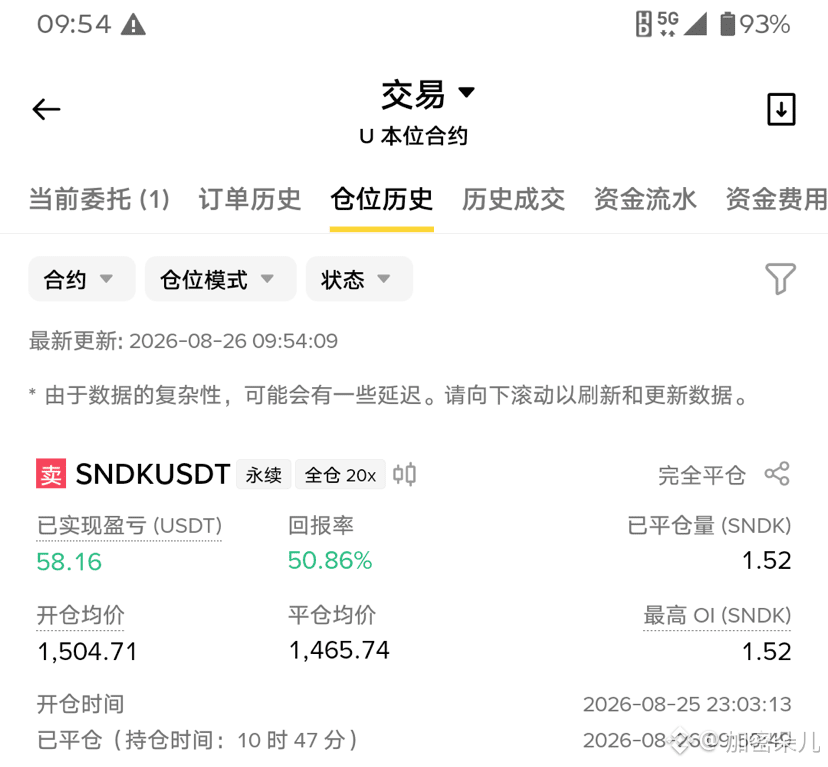
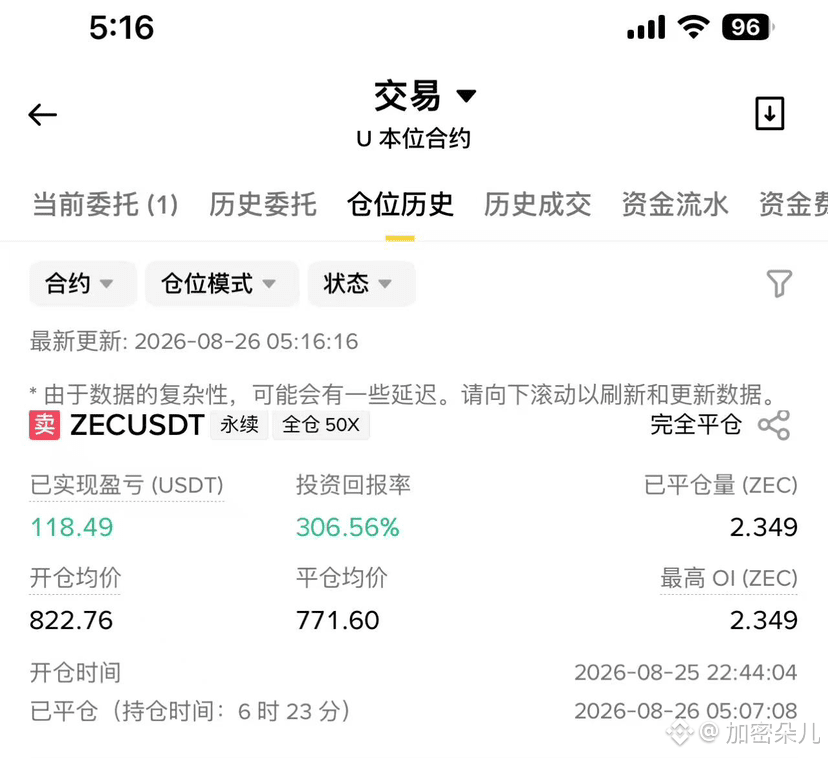
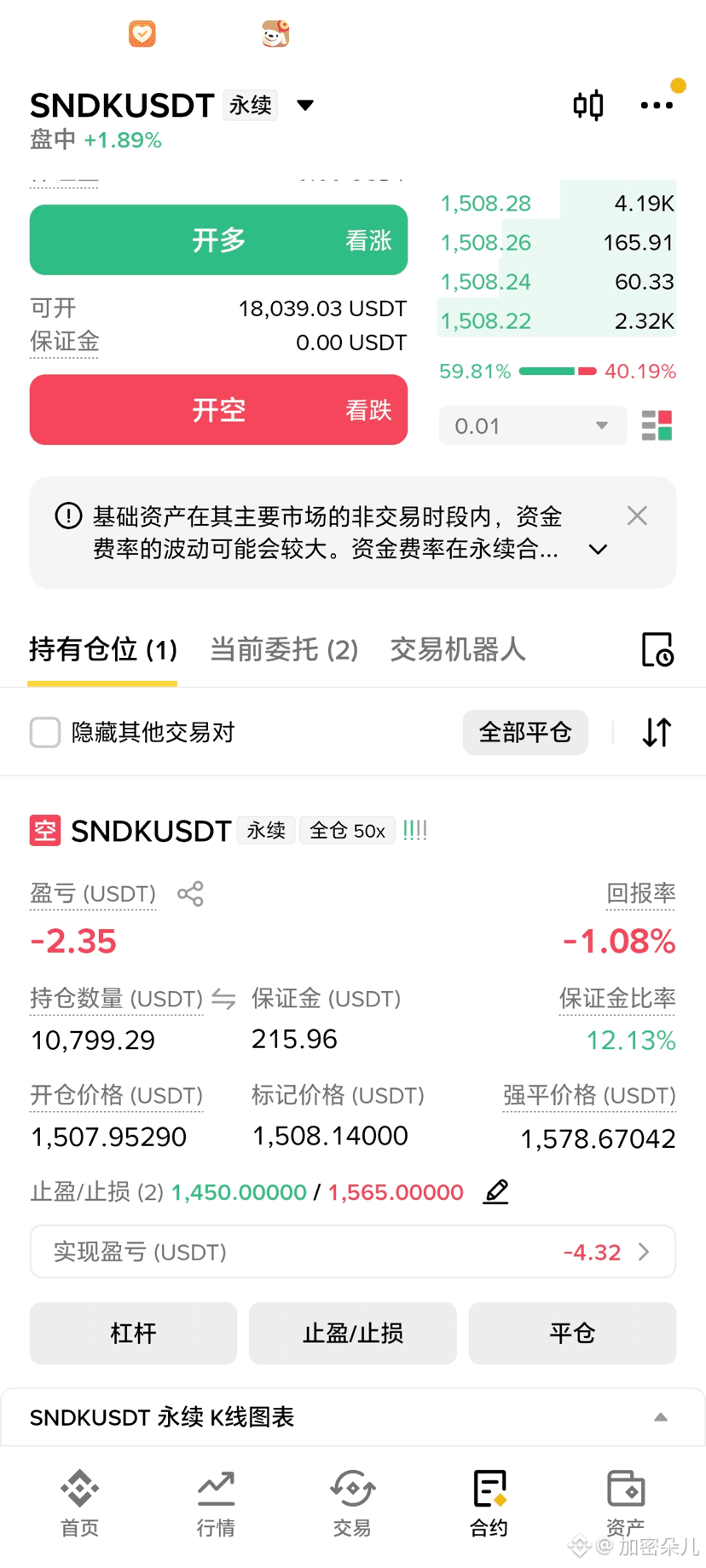
$SNDK $ZEC Last night the two orders we opened in the chat room are both closed. Everyone add me—tonight we’ll continue ✌️😊

Send my fan baby(s) a BNB red packet worth 888 USDT 🧧, wishing you to soar to the sky when you buy up, and fall all the way down when you buy down. Make a fortune and earn big money, 🫰❤️

“Don’t treat the crypto market like a casino—no wonder you keep losing!” This sounds harsh, but it’s real and precious—especially for sisters with less than 2000U in principal.
— Last year I took on a student. His account was only 1500U. At the beginning, his hands would actually shake when placing orders—he was afraid that one move would wipe him out.
I told him, “Follow the rules, and you can rise too.” As a result, one month later his account broke 12,000U; three months later he reached 50,000U. Not once did he liquidate throughout the whole process.
This isn’t luck. It’s based on three strict disciplines.
First: Divide your principal into three parts and keep a way out.
Divide 1500U into three portions: 500U for day trading—focus only on Bitcoin and Ethereum. When the movement is 3%-5%, take profits;
500U for swing trading—wait for clear signals before acting. Hold for 3-5 days to stay steady. The other 500U is a “back pocket” for extreme situations—don’t move it even in volatile times.
Those who go all-in tend to get carried away when it rises, and panic when it falls. They can’t go far. Keeping a back pocket is the confidence to turn things around.
Second: Follow the trend only, don’t waste energy on chop.
Most of the market time is spent grinding sideways. Frequent trading just means paying fees to the platform.
No signal? Stay put. When there is a signal, then act decisively. After a profit of 12%, withdraw half first—only then is it reliable.
When he doubled his money, he was never overly greedy. He didn’t chase pumps, and he didn’t “hold through” losses. His timing was steady.
Third: Let the rules suppress emotions.
Per-trade stop loss must never exceed 2%. When the time is up, you exit.
If profit exceeds 4%, cut the position in half first. Let the remaining portion run while the profits keep growing. Never add to a losing position—don’t let emotions drag you down.
You don’t need to watch the market every time to get the perfect entry—but you must always守好 the rules. The system can restrain the hand that wants to act recklessly.
Having a small principal isn’t scary. What’s scary is always thinking, “I’ll turn it around in one shot.”
From 1500U to 50,000U isn’t luck—it’s about having the patience to follow the rules.
What you make in crypto isn’t “fast money,” it’s the money you earn by “not making mistakes.”
— Keep your rhythm steady. Even with a small principal, you can slowly roll it into bigger returns. Chasing quick success is what’s really gambling.
Duo’er only does live trading, no empty promises. There are still spots available in the team right now. If you want to learn methods and turn things around—hop on board and let’s do this together!
— Last year I took on a student. His account was only 1500U. At the beginning, his hands would actually shake when placing orders—he was afraid that one move would wipe him out.
I told him, “Follow the rules, and you can rise too.” As a result, one month later his account broke 12,000U; three months later he reached 50,000U. Not once did he liquidate throughout the whole process.
This isn’t luck. It’s based on three strict disciplines.
First: Divide your principal into three parts and keep a way out.
Divide 1500U into three portions: 500U for day trading—focus only on Bitcoin and Ethereum. When the movement is 3%-5%, take profits;
500U for swing trading—wait for clear signals before acting. Hold for 3-5 days to stay steady. The other 500U is a “back pocket” for extreme situations—don’t move it even in volatile times.
Those who go all-in tend to get carried away when it rises, and panic when it falls. They can’t go far. Keeping a back pocket is the confidence to turn things around.
Second: Follow the trend only, don’t waste energy on chop.
Most of the market time is spent grinding sideways. Frequent trading just means paying fees to the platform.
No signal? Stay put. When there is a signal, then act decisively. After a profit of 12%, withdraw half first—only then is it reliable.
When he doubled his money, he was never overly greedy. He didn’t chase pumps, and he didn’t “hold through” losses. His timing was steady.
Third: Let the rules suppress emotions.
Per-trade stop loss must never exceed 2%. When the time is up, you exit.
If profit exceeds 4%, cut the position in half first. Let the remaining portion run while the profits keep growing. Never add to a losing position—don’t let emotions drag you down.
You don’t need to watch the market every time to get the perfect entry—but you must always守好 the rules. The system can restrain the hand that wants to act recklessly.
Having a small principal isn’t scary. What’s scary is always thinking, “I’ll turn it around in one shot.”
From 1500U to 50,000U isn’t luck—it’s about having the patience to follow the rules.
What you make in crypto isn’t “fast money,” it’s the money you earn by “not making mistakes.”
— Keep your rhythm steady. Even with a small principal, you can slowly roll it into bigger returns. Chasing quick success is what’s really gambling.
Duo’er only does live trading, no empty promises. There are still spots available in the team right now. If you want to learn methods and turn things around—hop on board and let’s do this together!

$ZEC $SNDK The SanDisk and ZEC opened at night, and the babies in the chatroom all joined in—come find Duer to play together 😊
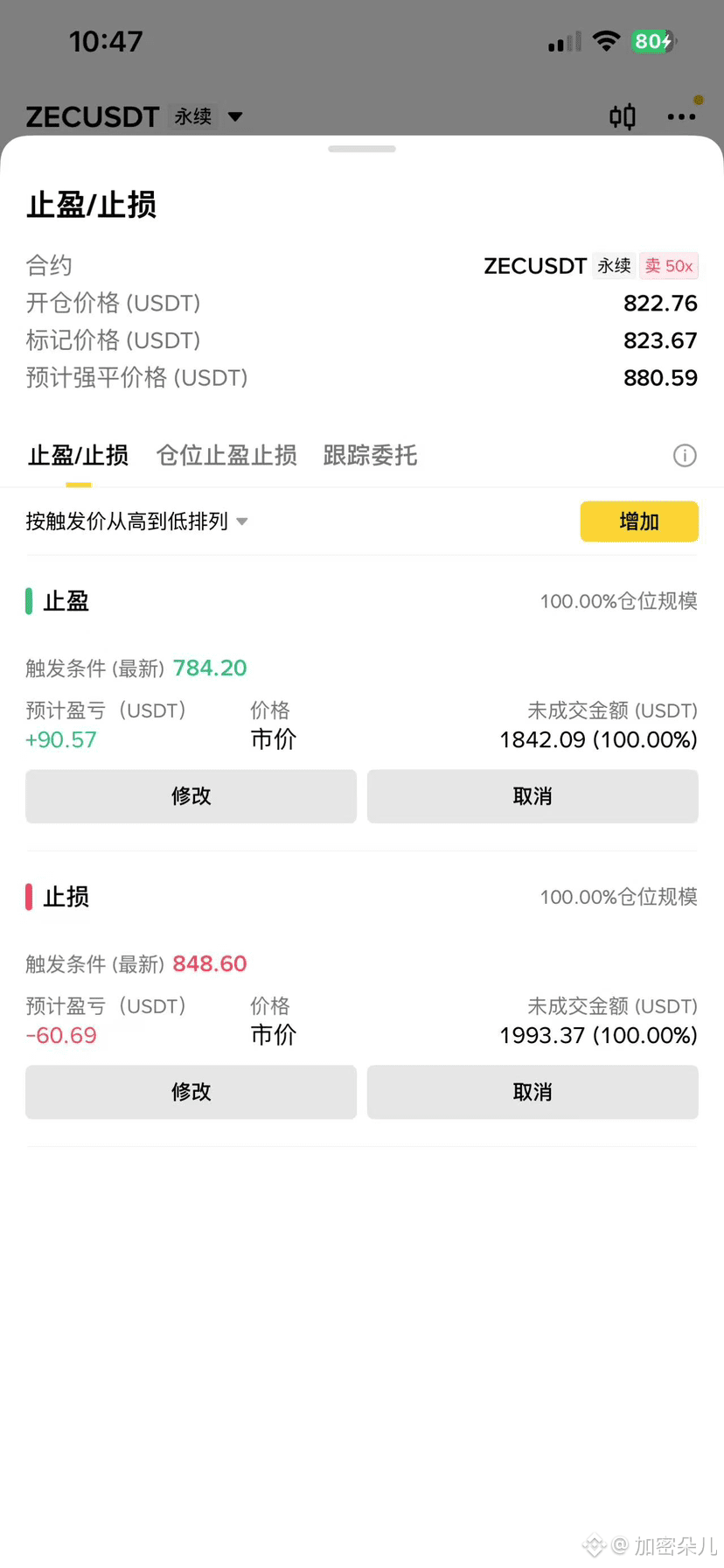

If you’ve been trading cryptocurrencies for over a year and still haven’t made 1 million, read this article and then come find Duer. I’ve been trading for eight years, and my total profit is over 10 million. Today, I’ll share ten lessons I learned along the way—the pitfalls I stepped into, the positions I got wrecked by, the times I recovered my losses—right up to the point where I achieved financial freedom for you all:
1. If your principal is not large (e.g., within 10,000), don’t constantly think about going all-in. Once a year is enough—just catch a major upswing. Before the market comes, patience is your strongest weapon.
2. No one can earn money beyond their level of understanding. Before going live, practice your mindset and nerves in a simulated account. A simulation lets you fail unlimited times, but in real trading, one major mistake can get you kicked out.
3. Remember: “Good news landing is bad news.” If a major positive catalyst doesn’t pull you out on the day it happens, and the next day the price opens higher (gaps up), it’s recommended to sell in time—otherwise you can easily end up stuck in a bag.
4. During holidays, you must be extra alert. History has proven again and again that reducing positions before holidays— or going fully out— is the wise move. “Markets must drop during holidays” isn’t something people say casually.
5. The essence of long- and mid-term trading is to keep enough cash, sell high and buy low, and do it in cycles. Don’t always think you can eat everything in one wave—that’s the game of big players, not a dream retail traders should chase.
6. For short-term trades, only choose coins with active trading volume and charts with strong fluctuations. Don’t touch inactive ones—they waste your time and wear down your mindset.
7. If the market is slowly drifting down with a bearish grind, rebounds can be painfully slow and frustrating; but if the selloff accelerates, rebounds often come much faster. Timing the rhythm is crucial.
8. If you buy the wrong thing, admit it and cut losses immediately. As long as your principal is still there, opportunities always remain—that’s the foundation of survival.
9. If you’re watching charts for short-term trading, be sure to look at the 15-minute candlesticks and use the KDJ indicator as well—it can help you find plenty of golden buy and sell points.
10. There are thousands of trading techniques in crypto—you don’t need to master them all. Master one or two methods well; the key is to drill them to the extreme!
These ten nuggets above are lessons I paid for with real money. Avoid detours—making money is what that ultimately amounts to. If you’re still wandering in confusion, why not come find Duer? Duer will help you break out of the predicament!
Follow Duer—no boasting, no empty promises. Just real-world experience you can use to survive in the circle. There’s also a spot in the team—whether you join is up to you?
1. If your principal is not large (e.g., within 10,000), don’t constantly think about going all-in. Once a year is enough—just catch a major upswing. Before the market comes, patience is your strongest weapon.
2. No one can earn money beyond their level of understanding. Before going live, practice your mindset and nerves in a simulated account. A simulation lets you fail unlimited times, but in real trading, one major mistake can get you kicked out.
3. Remember: “Good news landing is bad news.” If a major positive catalyst doesn’t pull you out on the day it happens, and the next day the price opens higher (gaps up), it’s recommended to sell in time—otherwise you can easily end up stuck in a bag.
4. During holidays, you must be extra alert. History has proven again and again that reducing positions before holidays— or going fully out— is the wise move. “Markets must drop during holidays” isn’t something people say casually.
5. The essence of long- and mid-term trading is to keep enough cash, sell high and buy low, and do it in cycles. Don’t always think you can eat everything in one wave—that’s the game of big players, not a dream retail traders should chase.
6. For short-term trades, only choose coins with active trading volume and charts with strong fluctuations. Don’t touch inactive ones—they waste your time and wear down your mindset.
7. If the market is slowly drifting down with a bearish grind, rebounds can be painfully slow and frustrating; but if the selloff accelerates, rebounds often come much faster. Timing the rhythm is crucial.
8. If you buy the wrong thing, admit it and cut losses immediately. As long as your principal is still there, opportunities always remain—that’s the foundation of survival.
9. If you’re watching charts for short-term trading, be sure to look at the 15-minute candlesticks and use the KDJ indicator as well—it can help you find plenty of golden buy and sell points.
10. There are thousands of trading techniques in crypto—you don’t need to master them all. Master one or two methods well; the key is to drill them to the extreme!
These ten nuggets above are lessons I paid for with real money. Avoid detours—making money is what that ultimately amounts to. If you’re still wandering in confusion, why not come find Duer? Duer will help you break out of the predicament!
Follow Duer—no boasting, no empty promises. Just real-world experience you can use to survive in the circle. There’s also a spot in the team—whether you join is up to you?

There is a most笨 method—its profit rate is almost 99.85%!I’ve earned 1 million in a few months by trading this way!
1、When the overall market crashes, if your coin only falls slightly, it means there are market makers protecting the order book and not letting it drop. You can hold this coin with confidence—there will be gains in the future.$币安人生
2、For beginners buying and selling coins, there is a simple and direct method: for short-term trading, watch the 5-day moving average—hold as long as the coin price is above the 5-day line; once it falls below, sell. For medium-term trading, watch the 20-day moving average—hold as long as the coin price is above the 20-day line; once it breaks below, exit. The best method is the one that fits you, and the key is to execute consistently.
3、If the coin’s main uptrend has already formed, and there’s no obvious increase in volume, then buy decisively. When volume increases and price rises, keep holding. When volume shrinks and price drops but the trend hasn’t broken, keep holding as well; if volume increases on the way down and the price breaks the trend, then reduce position quickly.
4、After buying for short-term, if the coin price doesn’t move within three days, sell if you can. If after buying the coin price falls and your loss reaches 5%, stop-loss unconditionally.$XAU
5、If a coin drops 50% from its high and continues falling for 8 consecutive days, it means it has entered an oversold state—an rebound may happen at any time, so you can consider following in.
6、When trading, choose leading coins. When they rise, they move the fastest; when they fall, they hold up the best. Don’t buy just because the price has dropped a lot, and don’t avoid buying just because it has risen a lot. Trading leading coins—the most important thing is to buy at relatively high levels and sell at even higher levels.
7、Trade in line with the trend. The buy price is not better the lower it is, but the more suitable it is. Don’t casually say “it’s the bottom” during a drop; give up the coins that are performing poorly. The trend is what matters most.$BNB
8、Don’t get carried away because of a momentary profit. Know that the hardest part is consistently making profits. Do a serious post-trade review and see whether your profits come from luck or skill. Building a stable trading system that fits you is the key to making profits consistently.
9、Don’t force a trade and place orders without enough confidence. Staying in cash is also a strategy—learning how to stay in cash is important. When entering a trade, what you should consider first is breaking even, not chasing profit. Trading is not about frequency—it’s about success rate.#币圈现状 #币圈生存法则
Dora only does real trades, no empty promises. There are still spots available in the team right now. Brothers and sisters who want to learn the methods and turn things around—get on board and let’s do it together!
1、When the overall market crashes, if your coin only falls slightly, it means there are market makers protecting the order book and not letting it drop. You can hold this coin with confidence—there will be gains in the future.$币安人生
2、For beginners buying and selling coins, there is a simple and direct method: for short-term trading, watch the 5-day moving average—hold as long as the coin price is above the 5-day line; once it falls below, sell. For medium-term trading, watch the 20-day moving average—hold as long as the coin price is above the 20-day line; once it breaks below, exit. The best method is the one that fits you, and the key is to execute consistently.
3、If the coin’s main uptrend has already formed, and there’s no obvious increase in volume, then buy decisively. When volume increases and price rises, keep holding. When volume shrinks and price drops but the trend hasn’t broken, keep holding as well; if volume increases on the way down and the price breaks the trend, then reduce position quickly.
4、After buying for short-term, if the coin price doesn’t move within three days, sell if you can. If after buying the coin price falls and your loss reaches 5%, stop-loss unconditionally.$XAU
5、If a coin drops 50% from its high and continues falling for 8 consecutive days, it means it has entered an oversold state—an rebound may happen at any time, so you can consider following in.
6、When trading, choose leading coins. When they rise, they move the fastest; when they fall, they hold up the best. Don’t buy just because the price has dropped a lot, and don’t avoid buying just because it has risen a lot. Trading leading coins—the most important thing is to buy at relatively high levels and sell at even higher levels.
7、Trade in line with the trend. The buy price is not better the lower it is, but the more suitable it is. Don’t casually say “it’s the bottom” during a drop; give up the coins that are performing poorly. The trend is what matters most.$BNB
8、Don’t get carried away because of a momentary profit. Know that the hardest part is consistently making profits. Do a serious post-trade review and see whether your profits come from luck or skill. Building a stable trading system that fits you is the key to making profits consistently.
9、Don’t force a trade and place orders without enough confidence. Staying in cash is also a strategy—learning how to stay in cash is important. When entering a trade, what you should consider first is breaking even, not chasing profit. Trading is not about frequency—it’s about success rate.#币圈现状 #币圈生存法则
Dora only does real trades, no empty promises. There are still spots available in the team right now. Brothers and sisters who want to learn the methods and turn things around—get on board and let’s do it together!

The year I turned 30, one day I woke up and found that my account had an extra 500,000.
It wasn’t a screenshot—this was real money credited.
But at that moment, I stared at the screen for a long time, and yet my heart felt strangely empty.
Turns out, the wealth that so many people desperately chase—when it finally arrives, it’s just a string of numbers.
I’m from Shandong, and I’ve been grinding in Hangzhou.
Eight years in the crypto market: I’ve seen the cycles of bull and bear, the surges and the crashes. Some people get rich overnight, and some people hit zero overnight.
And I—using four years, I slowly rolled 50,000 U into 3,000,000 U.#币圈暴富
No inside information. No luck.
I rely on a trading method that’s downright “stupid” in its simplicity—extremely focused, extremely methodical.
For 1,460 days, I only did one thing: treat trading like leveling up in a game.
Losing is losing health; cutting losses is teleporting back to town; reviewing is leveling up your skills.
Many people ask me: how exactly do you make money?
Today, I’m not going to keep it hidden. I’ll lay out the six most core iron rules clearly.
#币圈生存法则
If you understand just one, you’ll lose 100,000 less. If you can do three, you can outperform most retail traders.
Rule One: Volume is more real than the candlestick chart$SOL
When prices rise fast and fall slowly, it’s mostly accumulation.
The true top is often accompanied by a waterfall-like selloff after a volume spike.
Rule Two: A flash crash isn’t the end
After a brutal drop, a slow rebound is often just a distribution corridor.
It looks like an opportunity, but it’s actually a place to take the final shots.
Rule Three: The highest levels fear sudden quiet
High-volume at the top doesn’t necessarily mean it’s over—but when, suddenly, there’s no volume at high levels, that often signals the night before a crash.
Rule Four: Bottoms need time$DOGE
A bottom can’t be formed by just one bullish candle.
Only after continuous low-volume consolidation and then a breakout with increased volume is it a true accumulation entry signal.
Rule Five: Candles are the result; volume is the emotion$BNB
When volume shrinks, the market is cold and quiet.
When volume explodes, capital floods in.
Where the money is, the price action follows.
Rule Six: Experts are all very “short-biased” in their mindset
They dare to hold a cash position instead of chasing highs; they dare to catch the bottom.
In the end, trading really comes down to three words: no obsession.
The crypto market never lacks opportunities—what it lacks are people who can control their hands.
Many people aren’t incapable of trading; they just keep bumping around in the dark.
The lights have always been here. Whether you choose to step out or not is up to you.
It wasn’t a screenshot—this was real money credited.
But at that moment, I stared at the screen for a long time, and yet my heart felt strangely empty.
Turns out, the wealth that so many people desperately chase—when it finally arrives, it’s just a string of numbers.
I’m from Shandong, and I’ve been grinding in Hangzhou.
Eight years in the crypto market: I’ve seen the cycles of bull and bear, the surges and the crashes. Some people get rich overnight, and some people hit zero overnight.
And I—using four years, I slowly rolled 50,000 U into 3,000,000 U.#币圈暴富
No inside information. No luck.
I rely on a trading method that’s downright “stupid” in its simplicity—extremely focused, extremely methodical.
For 1,460 days, I only did one thing: treat trading like leveling up in a game.
Losing is losing health; cutting losses is teleporting back to town; reviewing is leveling up your skills.
Many people ask me: how exactly do you make money?
Today, I’m not going to keep it hidden. I’ll lay out the six most core iron rules clearly.
#币圈生存法则
If you understand just one, you’ll lose 100,000 less. If you can do three, you can outperform most retail traders.
Rule One: Volume is more real than the candlestick chart$SOL
When prices rise fast and fall slowly, it’s mostly accumulation.
The true top is often accompanied by a waterfall-like selloff after a volume spike.
Rule Two: A flash crash isn’t the end
After a brutal drop, a slow rebound is often just a distribution corridor.
It looks like an opportunity, but it’s actually a place to take the final shots.
Rule Three: The highest levels fear sudden quiet
High-volume at the top doesn’t necessarily mean it’s over—but when, suddenly, there’s no volume at high levels, that often signals the night before a crash.
Rule Four: Bottoms need time$DOGE
A bottom can’t be formed by just one bullish candle.
Only after continuous low-volume consolidation and then a breakout with increased volume is it a true accumulation entry signal.
Rule Five: Candles are the result; volume is the emotion$BNB
When volume shrinks, the market is cold and quiet.
When volume explodes, capital floods in.
Where the money is, the price action follows.
Rule Six: Experts are all very “short-biased” in their mindset
They dare to hold a cash position instead of chasing highs; they dare to catch the bottom.
In the end, trading really comes down to three words: no obsession.
The crypto market never lacks opportunities—what it lacks are people who can control their hands.
Many people aren’t incapable of trading; they just keep bumping around in the dark.
The lights have always been here. Whether you choose to step out or not is up to you.

I’m 33 years old, and I’ve been in the cryptocurrency market for 8 years. Since I started at 25, I’ve personally experienced all the ups and downs of this market.
$SNDK Some people ask me, “Did you make money?” The answer is simple: from 2020 to 2022, my account broke into eight figures. Now I can comfortably enjoy a 2,000-a-night hotel stay, living more at ease than many people working in traditional industries born in the 1980s.
$ETH So what’s the secret? It’s not talent, and it’s not luck—it's a simple “343-stage investing method.” With it, I’ve steadily earned more than 20 million.
Take $BTC as an example:
Step 1: 3 — Start small
Suppose my capital pool is 120,000. I’ll use 30% (36,000) as my initial investment. Use a small position to maintain a steady mindset and keep the risk controllable.
Step 2: 4 — Add positions steadily
If the price rises, I wait for a pullback before adding more. If it falls, I add 10% for every 10% drop, gradually completing the 40% allocation. This way, no matter how the market fluctuates, my costs can be averaged.
Step 3: 3 — Add the final tranche
Once the trend becomes stable, I use the last 30% to add positions, making sure the whole process is clear and efficient.
This method might sound a bit “stupid,” but sometimes, stupid things can last.
In the market, the hardest part isn’t finding the so-called “miracle play”—it’s restraining your greed and fear.
I’ve seen too many people chase shortcuts and end up losing heavily overnight. And the approach I rely on is exactly “staying calm, being not greedy, and investing in stages.”
The result is this: while others buy high and sell low, I move forward steadily—and go further.
Friends, don’t underestimate this “stupid method”; it’s the real A T M in the crypto market.
If you also want to turn the tables in the coin world, don’t hesitate—follow along with Duer, use the right method, and start your journey to wealth!
#比特币受阻于81000美元50周均线
#Solana现货ETF累计净流入创纪录12.2亿美元
#哈萨克斯坦下调石油产量预期至9600万吨
#日本9至10月不再释放石油储备
# Samsung SK Hynix leveraged ETF first sees monthly net outflows
$SNDK Some people ask me, “Did you make money?” The answer is simple: from 2020 to 2022, my account broke into eight figures. Now I can comfortably enjoy a 2,000-a-night hotel stay, living more at ease than many people working in traditional industries born in the 1980s.
$ETH So what’s the secret? It’s not talent, and it’s not luck—it's a simple “343-stage investing method.” With it, I’ve steadily earned more than 20 million.
Take $BTC as an example:
Step 1: 3 — Start small
Suppose my capital pool is 120,000. I’ll use 30% (36,000) as my initial investment. Use a small position to maintain a steady mindset and keep the risk controllable.
Step 2: 4 — Add positions steadily
If the price rises, I wait for a pullback before adding more. If it falls, I add 10% for every 10% drop, gradually completing the 40% allocation. This way, no matter how the market fluctuates, my costs can be averaged.
Step 3: 3 — Add the final tranche
Once the trend becomes stable, I use the last 30% to add positions, making sure the whole process is clear and efficient.
This method might sound a bit “stupid,” but sometimes, stupid things can last.
In the market, the hardest part isn’t finding the so-called “miracle play”—it’s restraining your greed and fear.
I’ve seen too many people chase shortcuts and end up losing heavily overnight. And the approach I rely on is exactly “staying calm, being not greedy, and investing in stages.”
The result is this: while others buy high and sell low, I move forward steadily—and go further.
Friends, don’t underestimate this “stupid method”; it’s the real A T M in the crypto market.
If you also want to turn the tables in the coin world, don’t hesitate—follow along with Duer, use the right method, and start your journey to wealth!
#比特币受阻于81000美元50周均线
#Solana现货ETF累计净流入创纪录12.2亿美元
#哈萨克斯坦下调石油产量预期至9600万吨
#日本9至10月不再释放石油储备
# Samsung SK Hynix leveraged ETF first sees monthly net outflows

🔥 Duer fans' real account trades—precise planning, guide you to profit! All contract performance disclosed 🔥
⚡ Strategy: full-position high leverage, strict risk control, real-time alerts
If you also want to keep up with this kind of trading pace, let's seize the market together for steady profits👇
👉 Follow Duer—real-time signals, no getting lost
👉 Find Duer and get today's strategy reference
⚡ Strategy: full-position high leverage, strict risk control, real-time alerts
If you also want to keep up with this kind of trading pace, let's seize the market together for steady profits👇
👉 Follow Duer—real-time signals, no getting lost
👉 Find Duer and get today's strategy reference
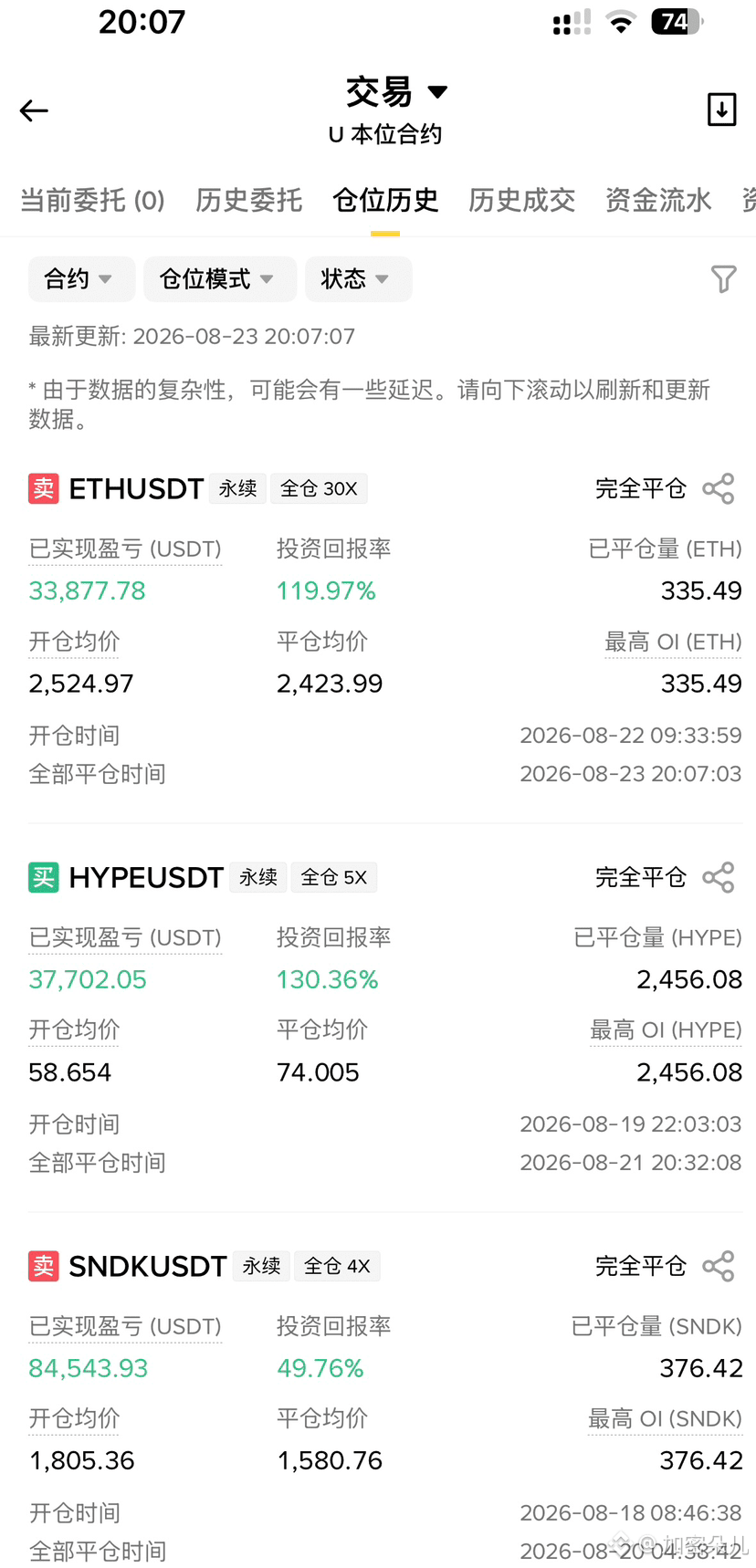

If I tell you there’s a method that can flip an account over and over again, would you learn it? This sounds like fantasy, but I’ve used it to help fans execute for 3 months—my account went from a few thousand U to several hundred thousand U. More than 30 fan accounts have revived themselves with it.
I’ve been in the crypto world for 8 years, crawling through one liquidation disaster after another, and only then slowly summed up this method. Thanks to it, I now own 3 apartments in the city center.
No more fluff—let’s get straight to the good stuff:
Step one: Watch the past 11 days of the K-line chart. List the coins that have been rising consecutively. If you run into a situation with three straight bearish candles, immediately banish it—never use it.
Step two: Switch to the monthly chart to filter. Keep only the coins where the MACD just produced a golden cross! It must be a freshly formed “new cross”—not some stale old one from days gone by. Only fresh signals are reliable.
Step three: On the daily chart, find the entry signal. Fixate on the 60-day moving average. Wait for the price to pull back to around the moving average, and then suddenly the trading volume spikes to about twice the usual level—that’s the “money-receiving signal” the heavens hand you. Act decisively.
Step four: Treat the 60-day moving average like your “ancestor.” If the price stays above the moving average, tightly hold your position and don’t let go. As soon as it breaks below, cut losses and run immediately. Sell in two batches: when it rises 30%, sell one-third; when it rises 50%, sell another one-third. One more iron rule: if you buy today and tomorrow the price breaks through the 60-day moving average on the downside—no matter how much you’re losing—liquidate immediately.
Remember the core: Principal is more precious than your wife! Even if you cut losses, it’s not a pity—as long as you don’t lose discipline, you can still earn it back next time.
Is this method dumb enough? Yes, it is! But often the simplest methods work the best. Those “smart people” who study complicated K-line combinations every day have already been liquidated several times.
If you still don’t know what to do right now, follow Duer. As long as you’re willing to learn, I’ll be here for you!
I’ve been in the crypto world for 8 years, crawling through one liquidation disaster after another, and only then slowly summed up this method. Thanks to it, I now own 3 apartments in the city center.
No more fluff—let’s get straight to the good stuff:
Step one: Watch the past 11 days of the K-line chart. List the coins that have been rising consecutively. If you run into a situation with three straight bearish candles, immediately banish it—never use it.
Step two: Switch to the monthly chart to filter. Keep only the coins where the MACD just produced a golden cross! It must be a freshly formed “new cross”—not some stale old one from days gone by. Only fresh signals are reliable.
Step three: On the daily chart, find the entry signal. Fixate on the 60-day moving average. Wait for the price to pull back to around the moving average, and then suddenly the trading volume spikes to about twice the usual level—that’s the “money-receiving signal” the heavens hand you. Act decisively.
Step four: Treat the 60-day moving average like your “ancestor.” If the price stays above the moving average, tightly hold your position and don’t let go. As soon as it breaks below, cut losses and run immediately. Sell in two batches: when it rises 30%, sell one-third; when it rises 50%, sell another one-third. One more iron rule: if you buy today and tomorrow the price breaks through the 60-day moving average on the downside—no matter how much you’re losing—liquidate immediately.
Remember the core: Principal is more precious than your wife! Even if you cut losses, it’s not a pity—as long as you don’t lose discipline, you can still earn it back next time.
Is this method dumb enough? Yes, it is! But often the simplest methods work the best. Those “smart people” who study complicated K-line combinations every day have already been liquidated several times.
If you still don’t know what to do right now, follow Duer. As long as you’re willing to learn, I’ll be here for you!

Log in to explore more content