
For many years, the term "Digital Gold" has become the classic definition for Bitcoin (
$BTC ). However, as we move into the 2025-2026 cycle, we are witnessing a clear divergence in price performance between these two asset classes. Why is it that while physical gold continuously establishes stable support levels amid geopolitical turmoil, Bitcoin reacts according to a completely different scenario?
1. The difference in "Sensitivity Ratio" to global liquidity
As of February 2026, data shows that Bitcoin has transitioned from a purely speculative asset to a "barometer" of system liquidity.
• Bitcoin: Extremely sensitive to Fed policies and cash flows from Spot ETFs. When USD liquidity tightens or institutional capital restructures portfolios, BTC reacts immediately.
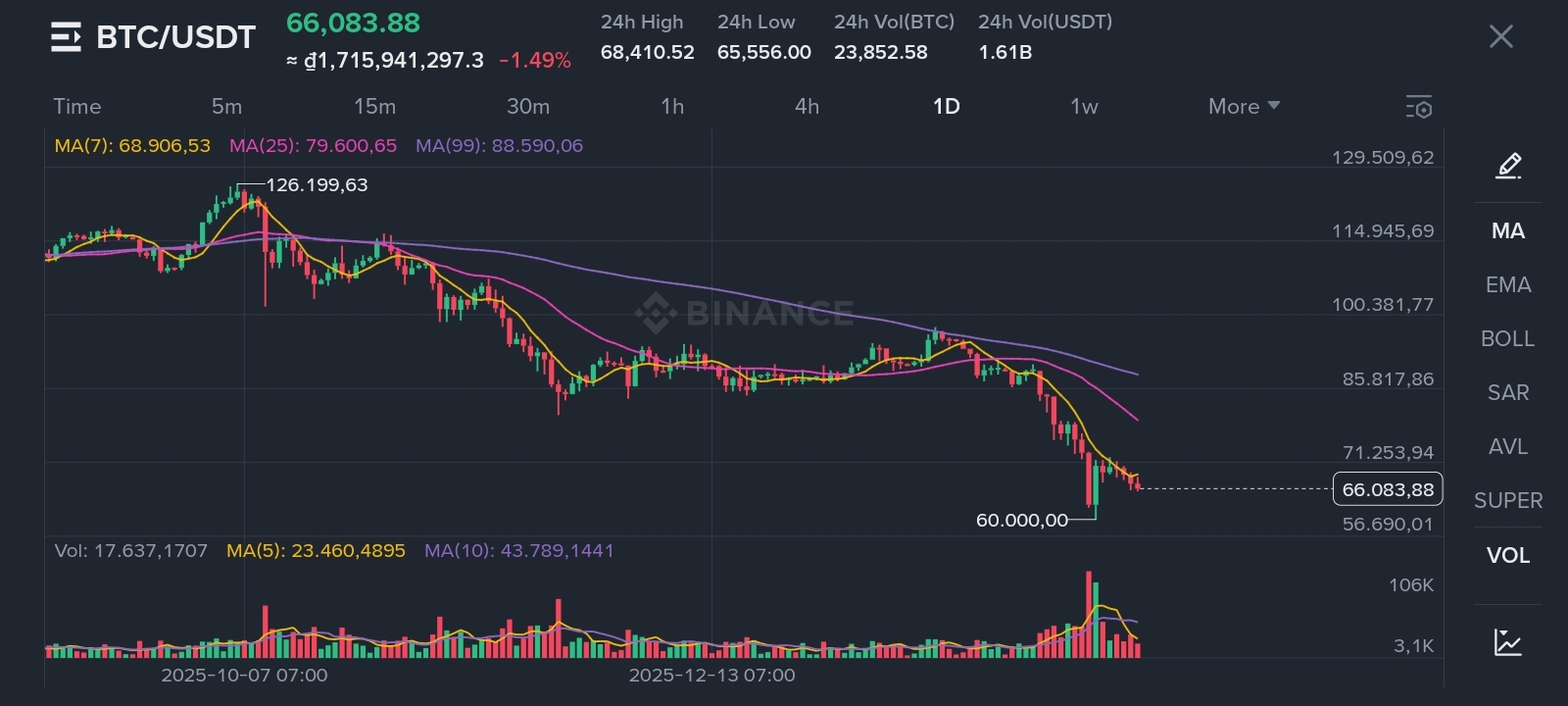
• Gold: Still serves as the ultimate safe haven. Gold reacts strongly to expected inflation and traditional geopolitical risks, factors from which Bitcoin – despite having equivalent scarcity – still has not completely detached from the risk-on asset group.
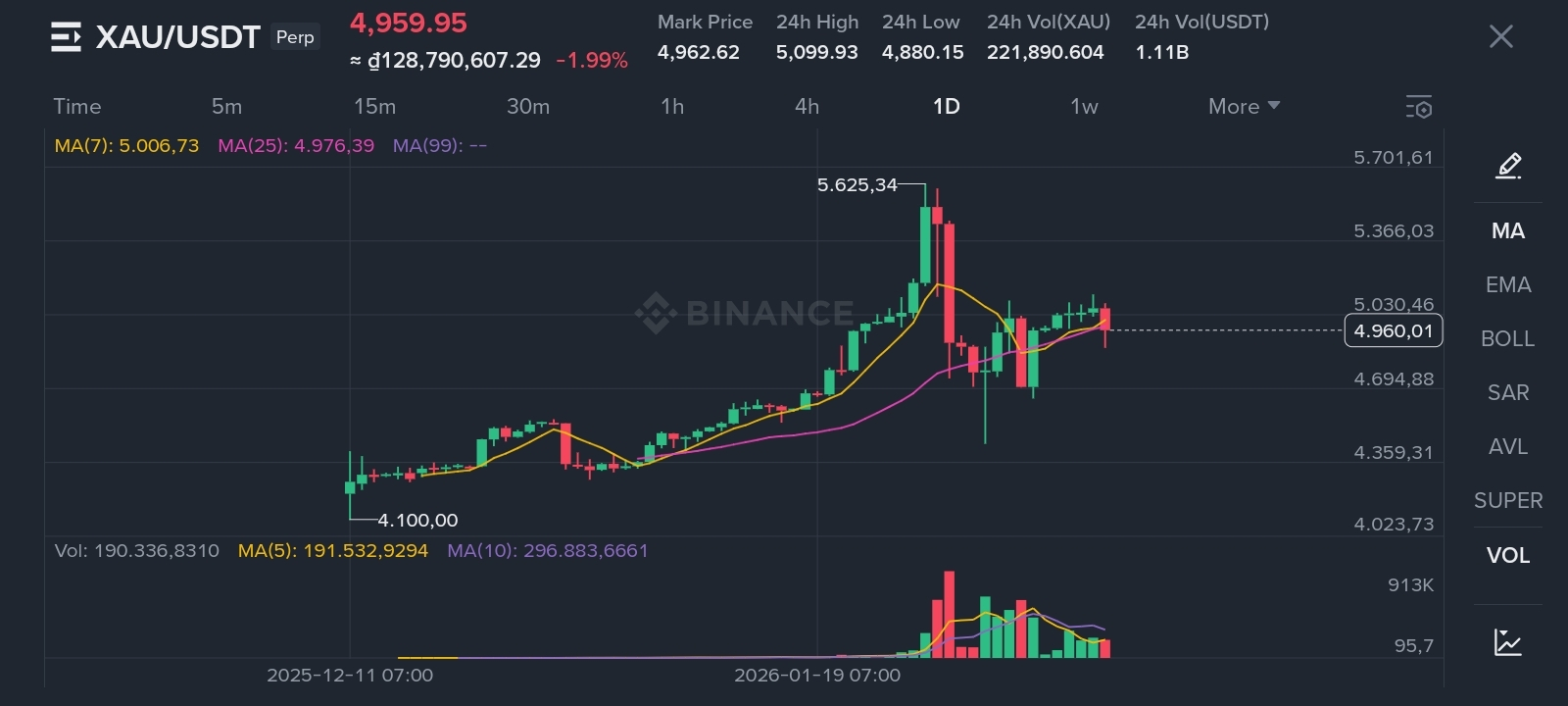
2. The impact of the Halving cycle and market maturity
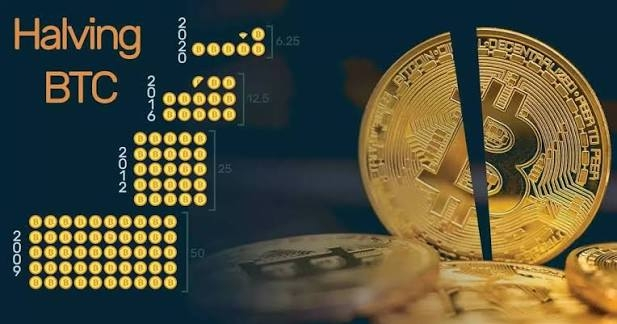
We are now nearly 2 years past the 2024 Halving. History shows that this is often the stage where the Bitcoin market enters a phase of accumulation or deep correction to establish a new cycle.
Meanwhile, Gold does not face the pressure of a "4-year cycle". The current divergence indicates that Bitcoin is undergoing a "price maturity" process. The fact that countries are beginning to include BTC in foreign exchange reserves (Strategic Reserve) has made its supply-demand structure more complex, no longer simply moving in tandem with gold.
3. The rise of "Real Interest Rates"
In the economic context at the beginning of 2026, real interest rates (Real Yields) are experiencing contrasting fluctuations.
• Gold is often inversely related to real interest rates.
• Bitcoin is currently influenced by the development of Layer 2 ecosystems and real-world applications. The current cash flow is not only buying BTC to "store", but also to participate in profit-making protocols. This creates a buying-selling pressure that is completely different from holding gold bullion in storage.
4. Investor sentiment: "Store of value" vs. "Breakthrough growth"
From a professional perspective, financial institutions currently view Gold as a capital preservation tool, while Bitcoin is classified as an aggressive growth tool. As market risk appetite shifts (for example: concerns about a tech downturn in the U.S. at the beginning of 2026), investors tend to sell BTC to lock in profits and switch to Gold, causing a price divergence.
Conclusion:
Bitcoin remains the "Digital Gold" when viewed from the perspective of characteristics (decentralization, scarcity, non-falsifiable). However, in terms of price behavior, BTC is forming a distinct asset class – a combination of gold and top technology stocks.
The current divergence is not a sign that Bitcoin is failing in its role as a store of value, but evidence that the crypto market is becoming more independent and sophisticated.
What do you think about the direction of BTC in Q2 2026? Will the correlation with Gold return, or will we see a completely "Decoupling" era?
Please leave your comments below and don't forget to hit Follow for the latest market analysis!