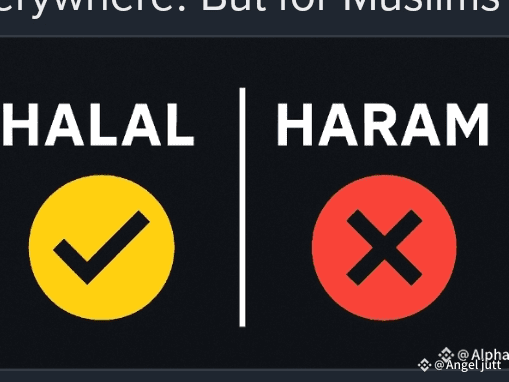
💥 Halal or Haram? The Truth About Binary & Crypto Trading 💥
In today’s fast-paced financial world, binary options and cryptocurrency trading are gaining popularity. But for Muslim investors, one critical question remains: Is it halal or haram?
---
🔹 Binary Trading: High Risk, Low Compliance 🎲
Binary options are often marketed as a quick way to profit — you simply choose “Call” or “Put,” and wait for the result. But here’s why this raises serious concerns in Islamic finance:
Maisir (Gambling): You're betting on price direction without owning any asset — this is pure speculation.
Gharar (Uncertainty): The outcome is highly unpredictable, resembling a game of chance.
Riba (Interest): Many platforms include hidden fees, overnight interest, or leverage-based charges.
⚠️ Most Islamic scholars agree: Binary options are haram — they resemble gambling more than ethical investing.
---
🔹 Crypto & Spot Trading: A Halal-Friendly Option? 🌐
Cryptocurrency isn’t automatically haram. With the right approach, crypto investing can align with Shariah principles:
Own the Asset: Make sure you're buying and holding actual tokens, not just betting on prices.
Avoid Excessive Leverage: High-risk margin trading can mimic gambling — steer clear.
Choose Ethical Projects: Focus on coins or projects with legitimate, productive use cases — not meme coins or pump-and-dump schemes.
✅ Tip: Long-term investment in real, useful digital assets — without speculation or interest — is the more halal-compliant route.
---
💡 Key Takeaway
❌ Binary Trading? Likely haram due to its speculative and gambling-like nature.
✅ Crypto (Spot) Investing? Potentially halal — if done ethically, responsibly, and with real ownership.
💎 Faith and finance can go hand in hand. Choose wisely, stay informed, and grow your wealth — the halal way.