

Bitcoin is facing new macro pressures after the latest US jobs report showed a stronger than expected labor market, pushing treasury bond yields higher and reducing the likelihood that the Federal Reserve (Fed) will cut interest rates in the short term.
The US economy added 130,000 jobs in January, nearly double the forecast of experts. At the same time, the unemployment rate decreased to 4.3%, indicating a strong recovery in the labor market. Although the high employment rate is a positive signal for the economy in general, it complicates the outlook for risk assets like Bitcoin.

Job Data Delays Expectations for Rate Cuts
The market has anticipated the possibility of rate cuts in the coming months due to concerns about slowing growth. However, a stable labor market has diminished the urgency for monetary easing.
As a result, investors have adjusted their expectations regarding the Federal Reserve's policy.
The bond market reacted immediately. The yield on the 10-year U.S. Treasury bond surged to 4.2%, rising several basis points after the report was released. The 2-year Treasury yield also increased, reflecting a reduced probability of short-term rate cuts.
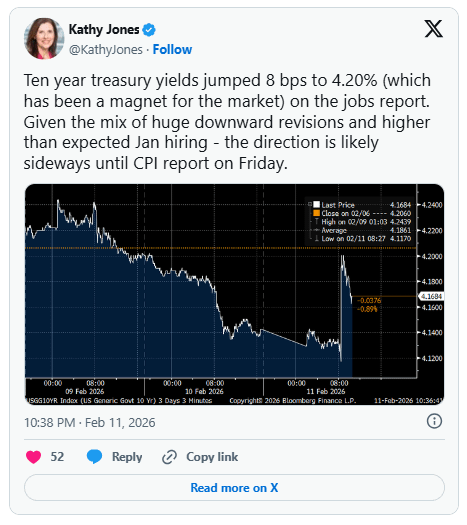
Higher yields tighten financial conditions. They increase borrowing costs across the economy and elevate the discount rates used to value risky assets.
Why Higher Yields Pressurize Bitcoin
Bitcoin is very sensitive to liquidity conditions. When Treasury yields rise, capital tends to shift to safer, more rewarding assets like government bonds.
At the same time, a stronger dollar often accompanies rising yields. A stronger dollar reduces global liquidity and makes speculative assets less attractive.
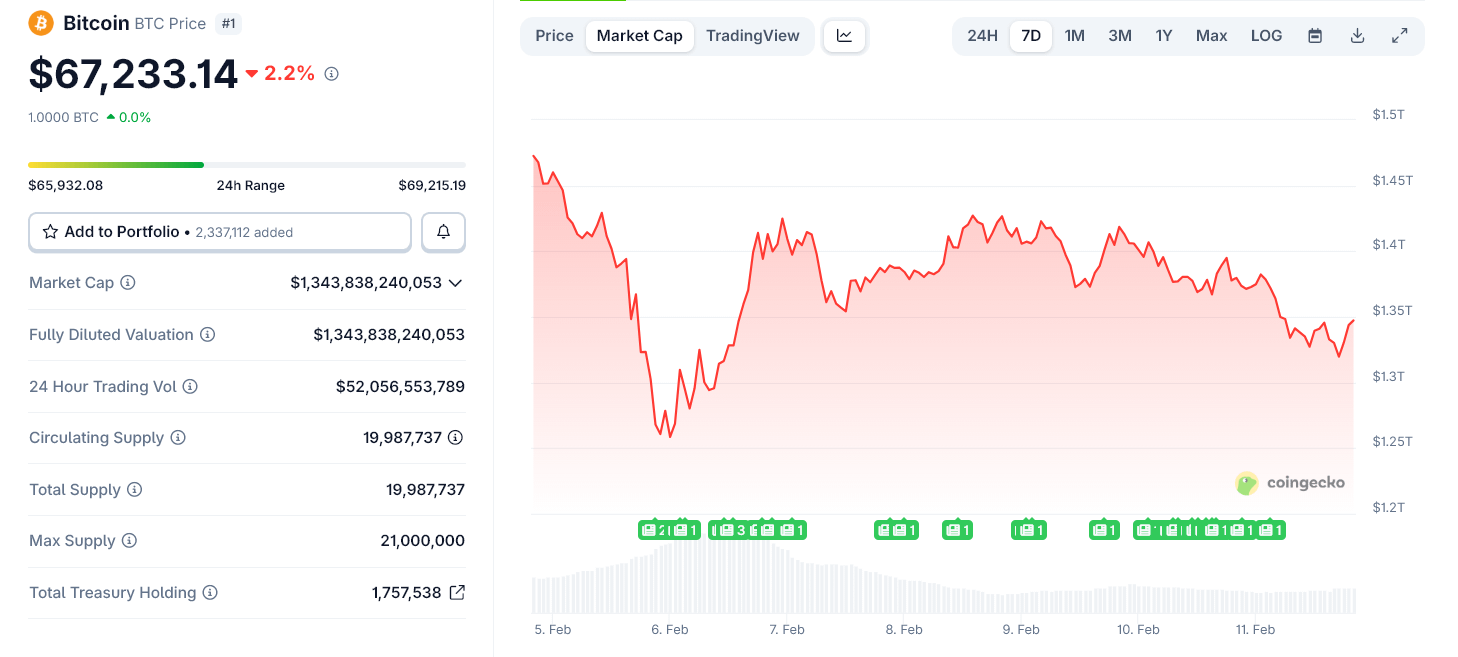
This combination creates hurdles for the cryptocurrency market. Although Bitcoin stabilized briefly around $70,000 earlier this week, job data increases the risk of volatility returning. Without clear signals from the Federal Reserve (Fed) about easing policy, liquidity remains constrained.
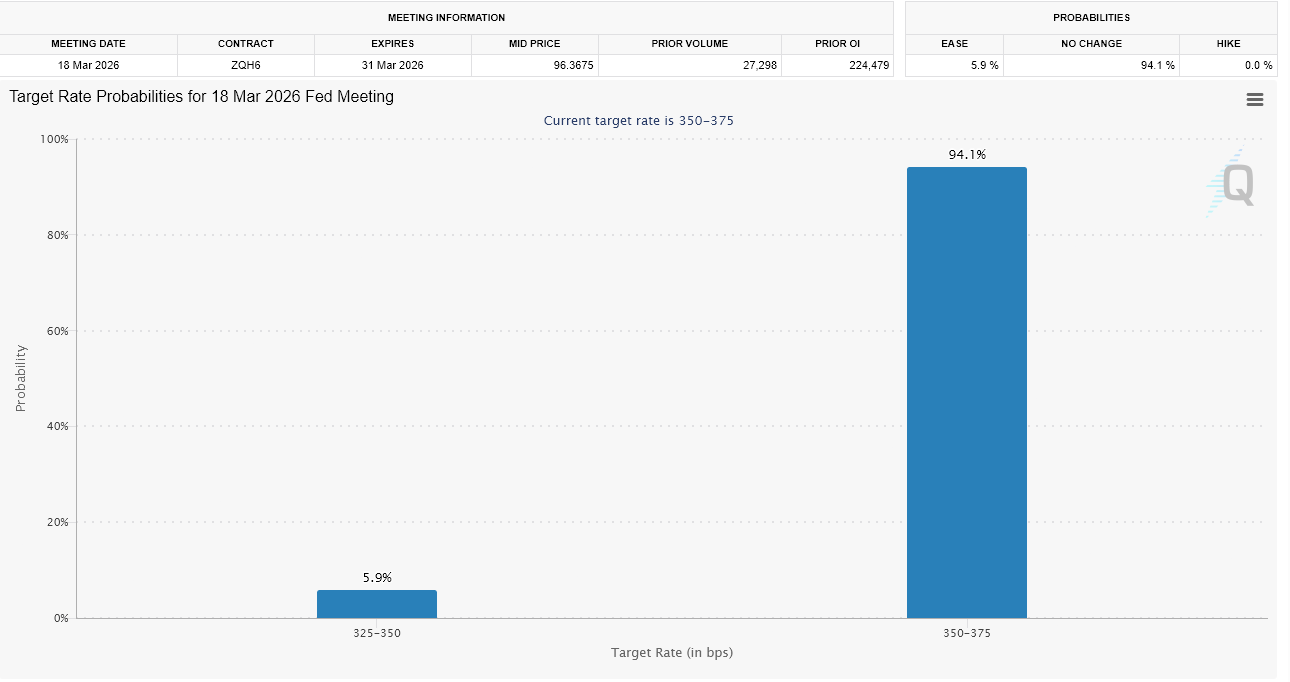
"For Bitcoin, this report is a short-term hurdle. Such a positive outcome reduces the likelihood of rate cuts in March and reinforces the Fed's decision to pause rate hikes at 3.50%-3.75%. The catalyst from cheaper money that risky assets need for sustainable recovery has just been delayed further. The dollar is expected to strengthen, and Treasury yields are likely to rise higher, both of which put pressure on BTC to fluctuate within a certain range in the short term," said David Hernandez, Cryptocurrency Investment Expert at 21shares, in an interview with BeInCrypto.
Market Structure Increases Macro Stress
The recent collapse has shown how sensitive Bitcoin is to macro changes. Large capital flows from ETFs, institutional hedging activities, and leveraged positions can accelerate volatility when financial conditions tighten.
A stronger labor market does not guarantee Bitcoin will drop in price. However, it reduces one of the key catalysts for Bitcoin's price increase: expectations for more accommodative monetary policy.
"In the short term, Bitcoin seems to be in a defensive position. The key support/resistance level to watch is $65,000. However, if this positive report is only temporary and not a sign of the economy heating up again, the Federal Reserve (Fed) may still cut rates by the end of this year. When that happens, Bitcoin's limited supply will become important again. Today's positive data may delay the next bull run, but it does not break the long-term bullish thesis," Hernandez stated.
In Summary
The latest U.S. jobs report further reinforces the trend of "prolonged high rates."
For Bitcoin, this does not cause an immediate disaster. But it makes sustaining growth momentum more difficult.
Unless liquidity improves or yields decrease, the current macro backdrop is tilted more towards caution than supporting the cryptocurrency market.
