

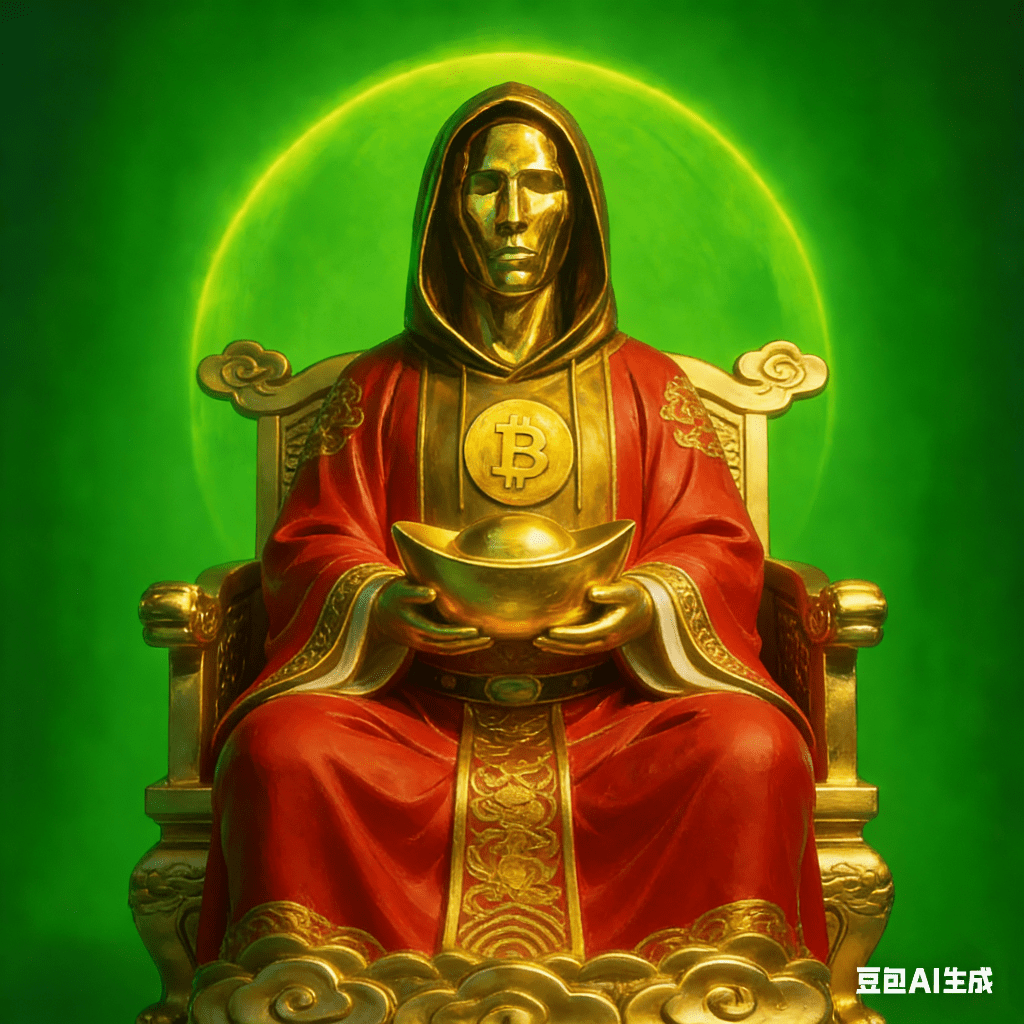
It's three o'clock in the morning, refreshing the K-line chart once again. My finger glides over those legendary coins that surged a thousandfold — SOL in 2021, MATIC in 2022, PEPE in 2023. Each story whispers in my ear: 'You could have caught it.'
I know I'm not alone.
The cruel paradox of hundredfold coins
We have all heard such stories:
- 'Early participants airdropped to their heart's content'
- '1,000 turns into 100,000, completely changing lives'
- 'That Xiao Li who missed Ethereum, this time he caught it...'
But the truth is often hidden away from the spotlight.
The reality behind the numbers:
1. Probability game: Out of every 1000 new projects, only about 2-3 can achieve a hundredfold increase
2. Survivor Bias: Media will only report on successes, while 99% of failures exit quietly
3. Timing Window: When most people discover it, early investors are already gradually exiting
The detours I've taken, I hope you won't take again
Phase 1: Blind Hunting Period (Months 1-2)
- Chasing various recommendations for the 'next thousandfold coin' every day
- Join a dozen 'wealth code' Telegram groups
- Results: 5 small investments, 4 went to zero, 1 is still deeply trapped
Phase 2: Methodology Exploration Period (Months 3-4)
Start systematically learning the screening framework:
1. Track positioning: prioritize tracks in an upward cycle (such as AI+DePIN in 2025)
2. Team Validation: Do core members have real project experience? Is GitHub active?
3. Data speaks: On-chain real user count > Twitter follower count
Phase 3: Rational Execution Period (Now)
- No longer chase every trend
- Build your own observation list (currently tracking 12 projects)
- Strictly implement the '5% trial error position' discipline
A framework for an ordinary person to find a hundredfold coin
Step 1: Avoid obvious traps
❌ 'Meme coins' with a market cap below $10 million
❌ Anonymous teams + exaggerated promotion
❌ Token economics is unreasonable (team share is too high, no unlocking plan)
Step 2: Find three key signals
✅ Innovative problem-solving: not just copying and pasting existing models
✅ Community-driven growth: real users, not shills
✅ Gradual inflow of funds: VC participation, but not excessive speculation
Step 3: Validate strategies with small positions
I divide 5% of total funds into 10 parts, each 0.5%:
- 3 investments in 'high certainty' projects (existing products, real users)
- 4 investments in 'high potential' projects (strong innovation, reliable team)
- 3 reserves waiting for the best timing
Mindset is more important than technique
Those late-night insights:
1. 'Missing out is not a mistake': The market always has the next opportunity
2. 'Slow is Fast': Stabilize accumulation over 3 years, surpassing 3 months of gambling
3. 'Capital protection is the first principle': A 50% loss requires a 100% profit to break even
My mindset adjustment checklist:
- Meditate for 10 minutes daily to reduce impulsive trading
- Set strict take-profit and stop-loss (20%/15%)
- Check the account only 3 times a week to avoid emotional decisions
If you also want to seriously find hundredfold opportunities
Recommended starting point:
1. Basic Knowledge Base:
- Learn token economics from CoinMarketCap
- Dune Analytics analyzes on-chain data
- Project official documents (at least read the white paper)
2. Community Screening:
- Exit all 'signal groups'
- Join 2-3 high-quality developer communities
- Focus on the project founder's Twitter, not marketing accounts
3. Practical Path:
- Month 1: Just observe, do not invest
- Month 2: Test 2 projects with a very small amount ($100)
- Month 3: Summarize rules, optimize standards
The final truth
Perhaps we will never find that hundredfold coin in our lifetime.
But during this process, I learned:
- How to read complex smart contracts
- How to analyze on-chain fund flows
- How to stay calm amid frenzy
- How to see opportunities in despair
These skills are far more valuable than temporary wealth.
True transformation is not the change in account numbers, but the reshaping of cognitive levels.#易理华割肉清仓 $BTC


