
Discover countries leading blockchain adoption through innovative solutions, supportive regulations, and more.

Countries are leading blockchain adoption for a variety of reasons, including recognizing its potential to transform multiple economic sectors, promoting innovation and economic growth, and creating a favorable regulatory environment to attract blockchain businesses.
Types of blockchain communities leading blockchain adoption
The blockchain community refers to the groups of individuals, organizations, and companies involved in the development and use of blockchain technology. These communities are formed to share knowledge, collaborate on projects, and drive adoption of blockchain technology.
There are different types of blockchain communities, including:
Developer communities: These groups of blockchain developers work together to create protocols, programs, smart contracts, and other blockchain-based projects.
Industry Communities: Communities developed around specific industries or sectors, such as banking, healthcare, and supply chain management, are called industry communities. Members of these communities work together to create blockchain solutions to solve specific problems faced by their respective sectors.
User communities: Individuals who use blockchain-based goods or services form these communities. They exchange information and provide feedback to enhance the usability and functionality of blockchain goods.
Investment communities: These groups grow around blockchain-based ventures, such as cryptocurrencies or startups using the technology. Members of these communities participate in due diligence projects and exchange knowledge and opinions about potential investment opportunities.
Social Impact Communities: These groups focus on using blockchain technology to solve problems in the social and environmental fields. Members of these communities work together to develop blockchain solutions to create a more just and sustainable world.
Countries Leading in Blockchain Adoption
Blockchain technology has the potential to improve productivity, security and transparency across numerous industries, reduce costs and enhance customer experience. As a result, countries are investing in the development and use of blockchain technology to solve different social and economic problems.
El Salvador
El Salvador has become a global pioneer in adopting blockchain technology after becoming the first country to recognize Bitcoin as legal tender. In June 2021, the Salvadoran government enacted a law recognizing Bitcoin as a legal form of payment for goods and services, alongside the country’s legal tender, the U.S. dollar. Through this effort, the government aims to prioritize financial inclusion in the country, where 70% of adults do not have a bank account.
Accepts Bitcoin
Bitcoin
This could make El Salvador an ideal location for international investors, an advantage cited by the country’s president, Nayib Bukele. The government has taken several steps to encourage widespread Bitcoin adoption. A $150 million trust fund for national development bank Banco de Desarrollo de El Salvador was approved by the legislature’s Finance Committee in August 2021. It was created to allow Bitcoin to be automatically converted into U.S. dollars, facilitating easy exchange between the two Salvadoran currencies.
The country launched Chivo (slang for “cool”) wallets in September 2021. Each wallet contains $30 in BTC. The government has set up a network of crypto automated teller machines (ATMs) in 50 other cities in El Salvador and the country, making it easier to send money to family members.
In 2022, the cryptocurrency market crash severely affected the price of Bitcoin, sparking concerns in Central American countries that have invested heavily in cryptocurrencies. However, Bukele is not worried, instead he pledged to buy an average of one BTC per day at a dollar cost to confirm the continued and full support for the digital asset.
Related: What is Dollar-Cost Averaging (DCA) and How Does It Work?
In January 2023, El Salvador enacted the Digital Asset Issuance Law, setting parameters for “Volcano Bonds,” bonds backed by Bitcoin.
Portugal
Portugal is actively creating a favorable environment for blockchain and cryptocurrency startups. The country is actively applying blockchain technology to public services, healthcare, and supply chain management. The Portuguese government launched the Blockchain Panorama platform in 2019 to encourage information exchange and cooperation among blockchain business participants.
Since then, Bitcoin enthusiasts and cryptocurrency fans have flocked to the region, attracted by the crypto-friendly environment that offers the opportunity to use BTC in real life — paying bills and taxes with crypto. Merchant adoption has also increased, with Spanish startup BitBase working to bring more Bitcoin ATMs and stores to major cities.
In 2021, the Portuguese government approved a decree establishing the basic conditions for the creation of a Technology Free Zone (ZLT) to promote technology-based innovation. It includes helping to implement blockchain technology through experiments and testing.
Since then, the country has begun to adopt stricter rules on crypto taxation, following the legislation of other European countries. In 2022, the government announced the reversal of a long-standing tax law that excluded crypto gains based on the assumption that they were not legal tender.
Singapore
Singapore is a leading country in blockchain adoption, with the government investing heavily in blockchain research and development. Due to its favorable regulatory environment, Singapore has become a hotspot for initial coin offerings (ICOs), with many blockchain businesses choosing to register there.
The country’s financial regulator, the Monetary Authority of Singapore (MAS), is leading the development of the country’s governance structure, technical standards, and infrastructure to encourage the adoption of blockchain and cryptocurrencies. Its primary role is to monitor and mitigate risks in the crypto industry without hindering technological innovation.
In 2021, cryptocurrency exchange Independent Reserve surveyed Singaporeans across all demographics and found that 43% owned cryptocurrencies. In 2022, a new survey from the same company highlighted that interest, trust, and confidence in the future of cryptocurrencies and blockchain are very high, with 58% of respondents viewing Bitcoin as an investment asset and a store of value.
malta
Like Singapore, Malta began promoting blockchain adoption as early as 2017, when it gained the reputation of “Blockchain Island” after drafting some industry regulations to accelerate the development of blockchain technology. In 2018, the Maltese Parliament passed three laws to provide a regulatory framework for blockchain and digital currencies to regulate ICOs, digital assets, digital currencies and related services.
Regarding the taxation of crypto assets, Malta explicitly states that electronic money and utility tokens are not classified as capital assets in the Income Tax Act, excluding them from capital gains tax. In contrast, securities and virtual financial assets are considered capital assets and are subject to tax.
At the end of 2021, the Maltese government included blockchain and artificial intelligence (AI) in its business guidance outlook and framework in an effort to promote the technology. The aim is to incentivize international companies to set up in Malta to test and operate blockchain technology.
Malta has not yet achieved “Blockchain Island” status. Continued and heightened international scrutiny of domestic political and economic events on the island has led its leaders to adopt more conservative policies toward the industry than previously advocated.
However, many blockchain and crypto-focused businesses are thriving. For example, companies using blockchain in the supply chain of products such as wine and olive oil are already a reality on the island.
Related: How can blockchain technology be used for supply chain management?
United Arab Emirates (UAE)
In April 2018, the UAE government launched the UAE Blockchain Strategy 2021 to become a smart region where government services and private enterprises are powered by blockchain to improve efficiency.
The region has long been known as a hotspot for digital innovation, with blockchain allowing governments and businesses to save time, money and effort while enabling people to use transparent and decentralized systems. The UAE government is pursuing policies that welcome innovation in the metaverse and non-fungible token (NFT) market.
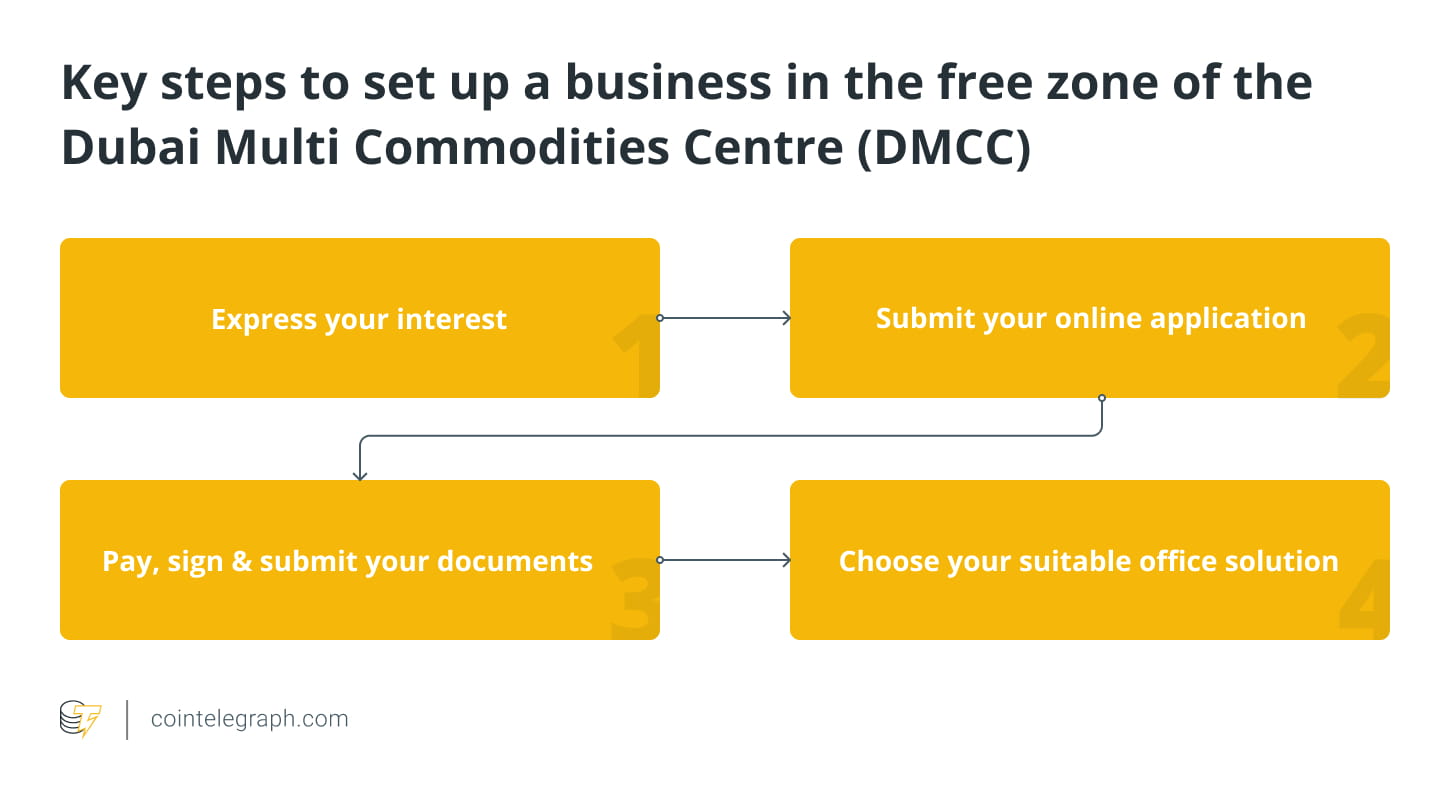
The remaining emirates that make up the UAE are aligning with Dubai and Abu Dhabi to implement initiatives and regulations aimed at promoting blockchain and crypto businesses in the region. In February 2023, the emirate of Ras Al Khaimah (RAK) announced the establishment of the first free economic zone entirely dedicated to virtual assets and digital companies, called the RAK Digital Asset Oasis or RAK DAO.
Other countries
The digital asset market — primarily blockchain and cryptocurrency — is growing around the world. It would be unfair to ignore some of the other regions that have become hotspots for innovation and investment in the industry. Here are the other major countries that have seen a significant growth in cryptocurrency adoption over the past few years.
USA
The United States has the most extensive crypto ATM network. It is the highest contributor to Bitcoin hash rate, which means that blockchain and cryptocurrency adoption is booming in the country. While there is no unified legal approach at the state or federal level, the government is working on a more precise crypto regulatory framework to encourage adoption and investment.
Switzerland
Switzerland is one of the most exciting countries in the blockchain space, as the city of Lugano aims to become the cryptocurrency capital of Europe. The small European country welcomed blockchain and crypto payments as early as 2016, and its pro-crypto regulatory framework has encouraged businesses to settle and invest in the region.
South Korea
South Korea has shown a growing interest in blockchain and cryptocurrency, becoming a key player in Asia’s adoption. The country has taken a proactive but cautious approach to digital asset regulation to ensure that the market operates safely for consumers and entrepreneurs. A thorough focus on anti-money laundering and counter-terrorism financing laws is in place to ensure market transparency and security.
Japan
Japan has been at the forefront of Bitcoin and blockchain adoption as many Japanese were mining Bitcoin even when the cryptocurrency was worth little. The first and most famous Bitcoin exchange was Mt. Gox, which was based in Japan until it was hacked and ceased operations.
The failure of Mt. Gox prompted the government to take steps to protect consumers while remaining at the forefront of the world’s cryptocurrency market. In 2022, the Japanese government awarded NFTs to seven mayors in recognition of their achievements, giving the technology more official status and encouraging its adoption.
Nigeria
Google Trends data analysis shows that the adoption of blockchain and cryptocurrency has experienced a clear upward trend in Nigeria, especially after the 2022 cryptocurrency market crisis, when the country became one of the most cryptocurrency-curious countries. According to a report by crypto data analysis company Chainalysis, it also appears among the countries with a high global crypto adoption index.
The Nigerian population faces an uncertain domestic situation, with high inflation and the devaluation of the country's fiat currency accelerating the adoption of digital assets. The government seeks to implement a fair regulatory framework to protect consumers while encouraging innovation. In October 2021, the Central Bank of Nigeria launched eNaira, a blockchain-based central bank digital currency (CBDC) pegged to the country's national currency, the Naira. Along with the Bahamas and Jamaica, Nigeria is one of the few countries to fully roll out a CBDC to the population.
C3 Tip: The views, thoughts and opinions expressed here are the author's own and do not contain investment advice or recommendations. Every investment and transaction involves risk.