

A January survey by Paxos found that despite last year’s closures and bankruptcies, 89% of respondents still trust “intermediaries” to hold their cryptocurrencies.

American cryptocurrency users have not lost trust in “intermediaries” holding their cryptocurrencies, with a January survey by Paxos indicating that most American cryptocurrency holders still trust banks, exchanges and mobile payment apps to hold their assets.
The stablecoin issuer’s annual online survey, published on March 7, was conducted on January 5 and January 6 and aimed to understand how the crypto winter and “large industry fallout” in 2022 — including the bankruptcies of FTX and Alameda Research — affected consumer behavior and confidence in the crypto ecosystem. Paxos noted:
“2022 has been a roller coaster year for the crypto industry.”
Paxos added: “From Bitcoin’s all-time high price to some of the lowest-profile, largest-scale industry impacts from Terra, FTX, Alameda Research, and more, it’s been a turbulent and potentially confidence-testing year for the ecosystem.”

However, the survey found that among those who have heard and followed the FTX saga, more than half (57%) of respondents either plan to buy more crypto or do nothing at all.
It also found that 89% of respondents still trust “intermediaries” such as “banks, cryptocurrency exchanges, and/or mobile payment apps” to hold their cryptocurrencies, stating:
“Indeed, despite high-profile collapses of several cryptocurrency companies and potentially poor risk management practices, cryptocurrency owners continue to trust intermediaries to hold cryptocurrencies on their behalf.”
The survey also found that consumers would prefer to be able to buy Bitcoin
Bitcoin $22,006 Ethereum $1,555
As well as other digital assets from home or traditional banks, 75% of respondents said they would be “likely or very likely” to buy cryptocurrency from their “primary bank” if offered, an increase of 12 percentage points from the previous year.
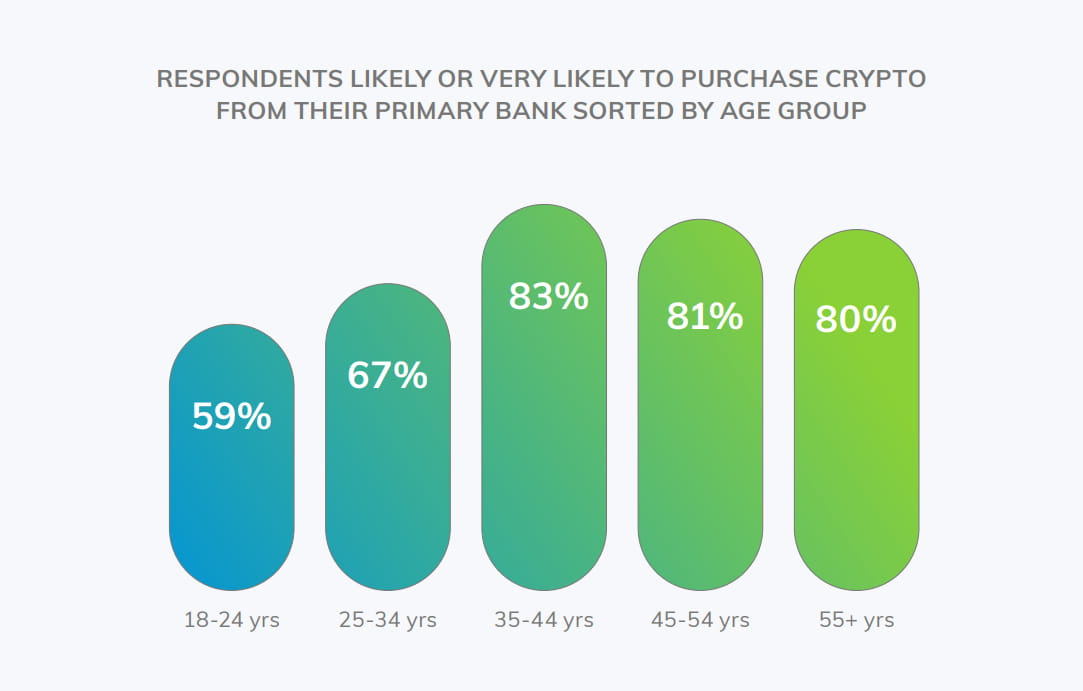
“In addition, 45% of respondents said they would be encouraged to invest more in crypto if banks and other financial institutions adopted the technology more mainstream,” Paxos added.
It said there was a “significant untapped opportunity” if banks expanded their offerings to digital assets. “Not only would these services meet growing demand, but they would also lead to higher levels of participation,” Paxos claimed.
RELATED: Paxos in ‘constructive discussions’ with SEC: report
Respondents were eligible to participate if they lived in the United States, were 18 years of age or older, had a total household income of more than $50,000, and had purchased cryptocurrency at some point in the past three years. The survey recruited 5,000 participants.
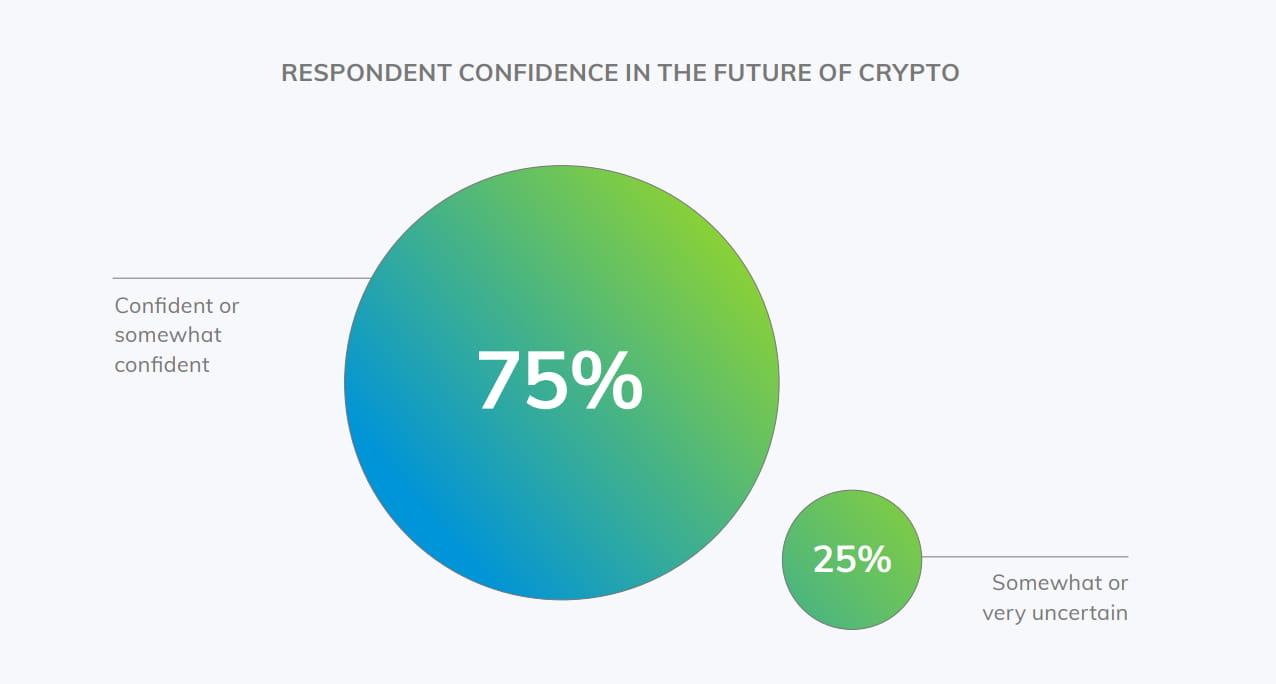
“Despite a volatile cryptocurrency landscape in 2022, consumers have not lost confidence in their cryptocurrency investments. This figure is unchanged from last year’s report, highlighting the long-term confidence of those participating in the crypto markets,” Paxos wrote.
However, the timing of the survey means that the collected results do not take into account recent crypto headwinds, such as the bankruptcy of crypto lender Genesis, the crackdown on Binance USD
B dollars
$1.00
Financial uncertainty involving Paxos and crypto bank Silvergate Capital.