


In the summer of 2025, British man James Howells finally breathed a sigh of relief — after searching for 12 years, he decided to stop thinking about the hard drive buried in the landfill.
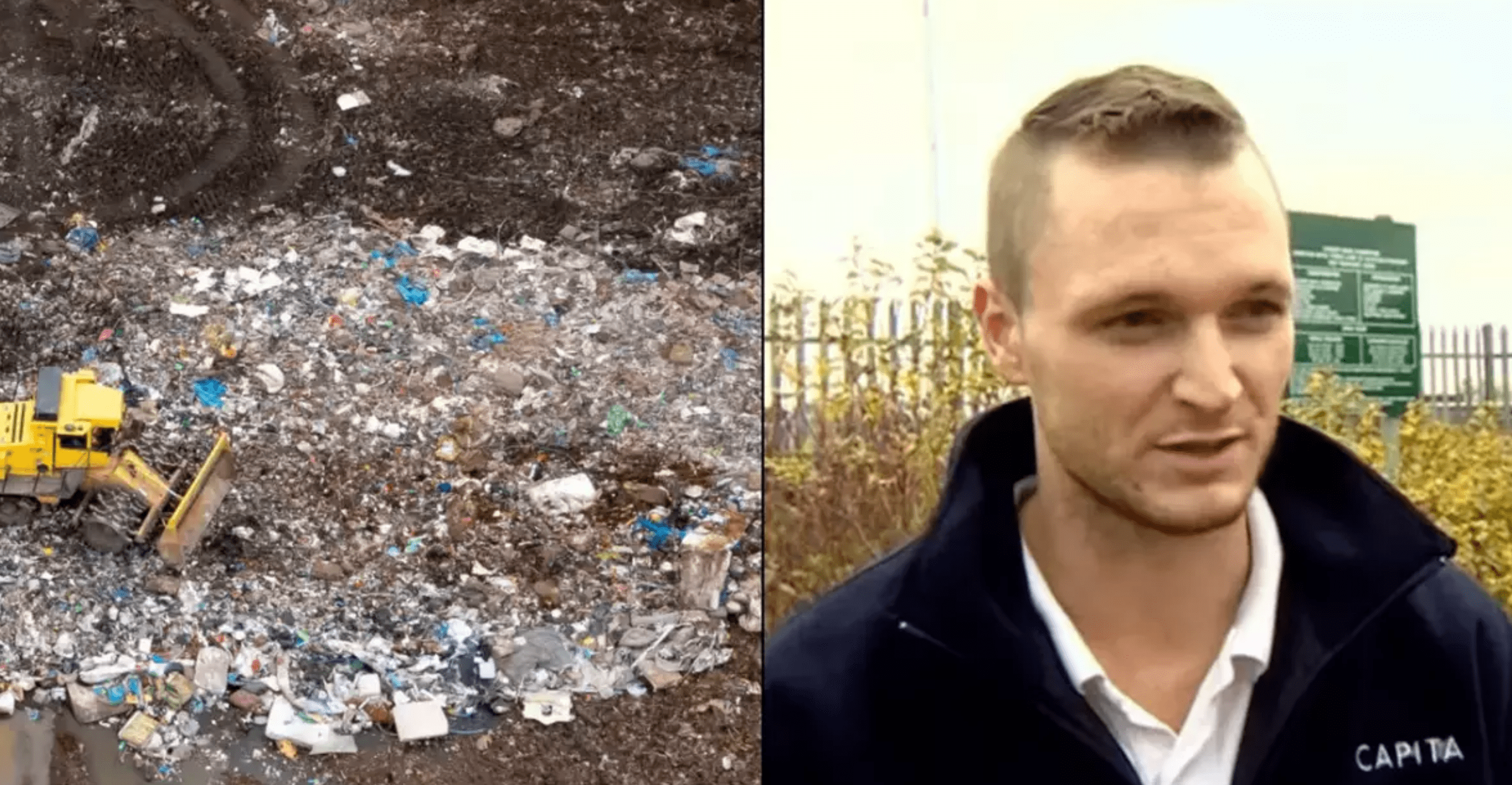
It wasn't an ordinary hard drive. It contained 8,000 Bitcoins, which at the current price of $115,000 each, is worth a staggering $9.2 billion.
1. From 'The Earliest Miner' to 'The Most Tragic Loser': Wealth Ruined by a Glass of Lemonade
James Howells's story is reminiscent of the dark humor of the cryptocurrency world.
Born in the 1980s in Wales, he played with computers alongside his mother, who worked in microchips, and by age 13 was assembling machines, eventually becoming a computer engineer. In February 2009, when Bitcoin was still an 'geek toy' that no one understood, he started mining with a Dell laptop — (The New Yorker) stated that at that time there were only 5 miners in the whole network, and he was one of them.
Mining didn't last long. His girlfriend complained daily about the loud noise and excessive heat from the computer. One day in 2010, he accidentally spilled lemonade on the laptop, ruining it. While disassembling the parts, he casually tossed the hard drive containing the private key for 8,000 Bitcoins into a drawer, while he either threw away or sold the other parts.
The real 'fatal mistake' occurred in 2013. Between June and August that year, he and his ex-girlfriend Hafina Eddy-Evans were cleaning the house and treated that hard drive as waste and threw it away. Later, they both blamed each other: he said 'subconsciously, I felt she should be responsible,' while she retorted, 'he asked me to help deal with it.'
Ironically, at that time he didn't take this matter seriously. 'I was busy with having a baby and renovating the house, and had completely forgotten about Bitcoin.' It wasn't until Bitcoin surged back into the news that he suddenly remembered — that dusty hard drive in his drawer hid a gold mine.
2. A 12-Year Quest for the Coin: From Pleasing Residents to Suing the Government, Ultimately Defeated by Reality
When the price of Bitcoin skyrocketed like a rocket, Howells's mentality completely collapsed.
He recalls the possible location of the hard drive: the Newport Docksway landfill. (The Guardian) speculates that it is buried 0.9 to 1.5 meters deep, compressed by 25,000 cubic meters of trash — equivalent to 110,000 to 200,000 tons of waste. The former landfill manager more precisely pointed out: in the Cell-2 area, where 15,000 tons of garbage is piled up, the entire site has a total of 1.4 million tons of waste.
From 2013 to 2025, he obsessively wanted to excavate the hard drive:
In 2017, the Newport City Council rejected his application, citing 'too high costs, environmental pollution, and potential chaos from encouraging the public to scavenge in the landfill';
In 2021, he made a bold move: after finding the hard drive, he distributed 25% of the Bitcoin (worth £52.5 million at the time) to the local 316,000 residents, averaging £175 per person. The council still wouldn't budge, saying 'violated licensing regulations';
He brought in hedge funds and venture capital, increasing the budget from £5 million to £11 million, planning to use AI robotic arms for scanning, drones for patrolling, and Boston Dynamics robotic dogs for guarding, even promising to build a community solar mining facility. But the council was adamant: 'Excavation would cause significant environmental impact, and no one can guarantee that the hard drive can be found, and even if found, it may not be usable.'
In 2023, he became anxious and commissioned a lawyer to sue, claiming £446 million and requesting a judicial review. In January 2025, the judge dismissed his lawsuit, stating that the case 'lacked reasonable grounds.' At that moment, Howells said he felt 'extremely disappointed.'
3. From Searching for Coins to Issuing Coins: $9.2 Billion Wealth Turns to Vapor, He Wants to Turn the Tide with 'Air Coins'?
After giving up the search, Howells shifted his thinking — since he couldn't retrieve the Bitcoins, why not 'create' a coin linked to it.
In May of this year, he stated that he wanted to tokenize 21% of the 8,000 Bitcoins, planning to raise $75 million. But that matter later faded, as everyone knew those Bitcoins were buried in the landfill, and this fundraising plan looked like 'a con.'
Now, he has proposed a new plan: to issue 800 billion Ceiniog Coins (INI), based on the Bitcoin network, integrated with popular protocols like Stacks and Runes, with each INI anchored to the value of 1 Satoshi from that Bitcoin. According to him, it will be launched by the end of the year.
He expressed his excitement on social media: 'Those gatekeepers stopping me! You can lock the big doors and control the courts, but you can't stop the blockchain! Cryptocurrency has won!'
But anyone with a discerning eye can see: without actual asset support, INI is essentially an 'air coin.' No matter how fancy the packaging, it cannot change one fact — those 8,000 Bitcoins are likely forever buried in the dirt of the landfill.
Epilogue: An Absurd Fable of the Cryptographic World
Howells's story reflects the magical nature of cryptocurrency like a mirror.
12 years ago, Bitcoin was worthless, and he discarded it casually; 12 years later, $9.2 billion buried in a landfill, he regrets it deeply. From the earliest miner to the most tragic 'loser of coins,' and now attempting to turn the tide with 'air coins,' his experience is filled with drama: opportunities and misses, wealth and obsession, the collision of ideals and reality.
Cryptocurrency may have truly won, as it has changed the definition and flow of wealth. But for James Howells, in this winning scenario, he seems to have become the most regretful footnote.
As for those 8,000 Bitcoins? They may still be quietly lying deep in the landfill, alongside rotting vegetable leaves and rusty metal scraps, witnessing a legend about 'missed opportunities.'
Disclaimer: The content of this article is for reference only and does not constitute any investment advice. Investors should rationally view cryptocurrency investments based on their own risk tolerance and investment goals, and should not blindly follow the trend.