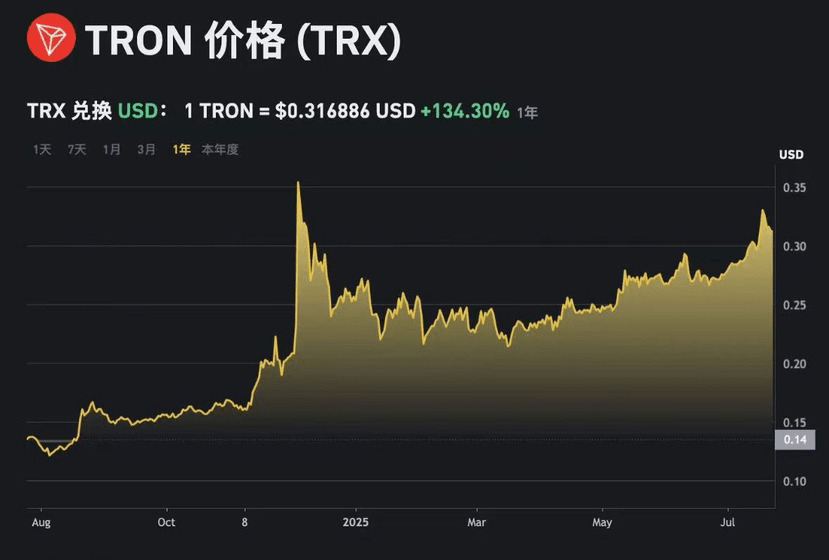
In 2017, Sun Yuchen founded TRON, aiming to create an efficient and decentralized blockchain ecosystem, allowing the application of technology across different tracks and scenarios to be tested and verified through this infrastructure.
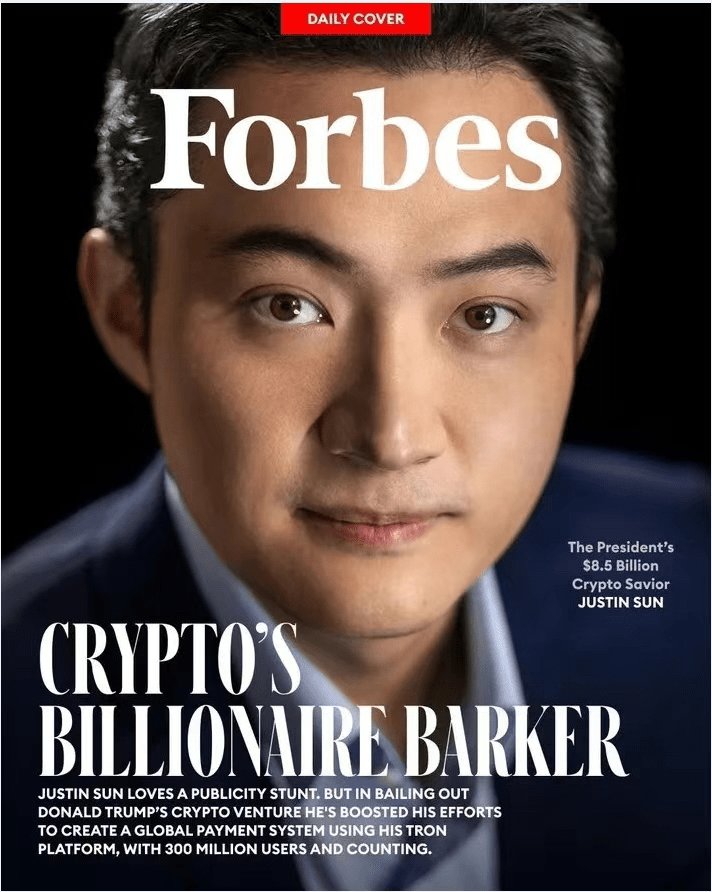
As of now, the issuance of USDT on the TRON network has surpassed $81.6 billion, with both supply and circulation exceeding that of Ethereum, allowing more people to enter the financial system with a lower barrier and enjoy the convenience brought by modern technology. It won the 'Professional Web3.0 Financial Technology Innovation Service Award' at the 'Professional Financial Institution Service Awards 2025' organized by the Hong Kong Commercial Daily.
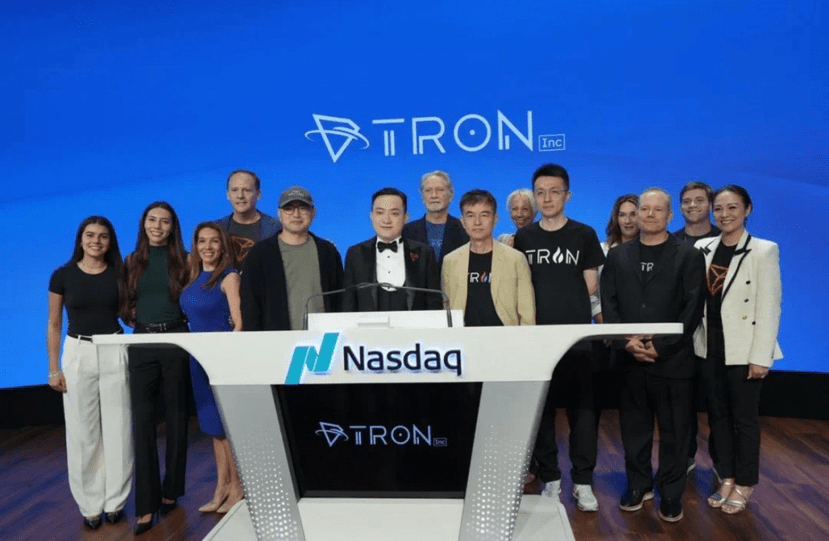
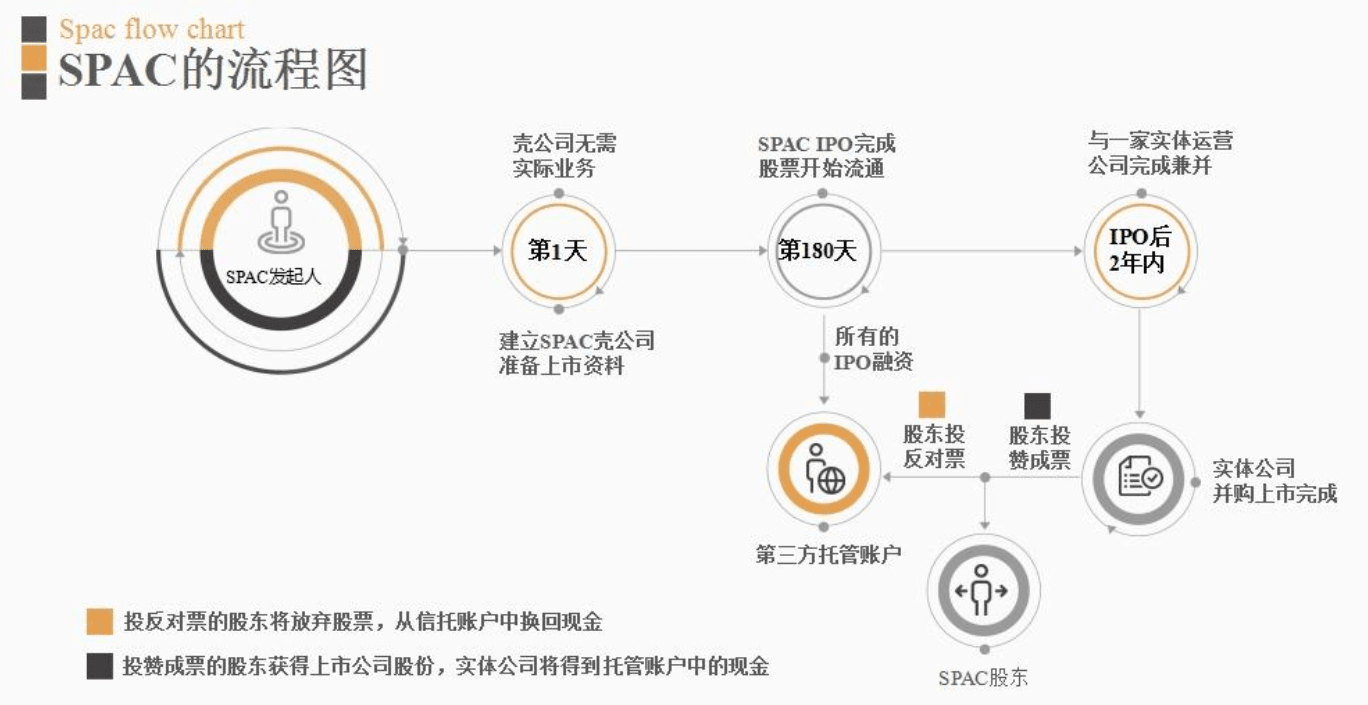
This time, when Sun Yuchen rang the bell, he wasn't playing the traditional route of direct company listing but rather a reverse merger. TRON has been thriving in the cryptocurrency space in recent years, relying on high-performance blockchain technology and a loyal fan base, accumulating a significant number of users and developer resources. However, the cryptocurrency industry has always been closely monitored by regulators, and the idea of a direct listing on Nasdaq is basically a pipe dream. Sun Yuchen's team had a clever idea and focused on SPAC companies. A SPAC is essentially a 'shell company' that has no actual business at the time of listing, primarily used for raising funds, and then seeks to merge with promising private companies to help them go public. After careful selection, Sun Yuchen's team set their sights on SRM Entertainment, Inc.
This company used to primarily engage in customized products for global theme parks and entertainment venues, such as toys and souvenirs. On June 16, 2025, news broke that SRM had reached a securities purchase agreement with a private investor, securing $100 million in equity investment, which was intended for the capital management strategy of TRON coins. At the same time, the company planned to change its name to Tron Inc., and Sun Yuchen was brought in as a company advisor.
According to the agreement, SRM issued 100,000 shares of Series B convertible preferred stock, which can be converted into 200 million shares of common stock at a price of $0.50 per share. It also issued 220 million warrants, allowing holders to purchase 220 million shares of common stock at $0.50 per share. If all the warrants are exercised, the transaction scale could reach $210 million, which is 23 times more than SRM's circulating shares before the trade. Documents from the U.S. Securities and Exchange Commission (SEC) show that this financing brought TRX assets into the fold through a private equity investment (PIPE) model, acquiring control of SRM, and after the transaction was completed, Sun Yuchen became the chairman of the board. All original SRM board members were replaced, and the core management of TRON entered key committees such as audit, compensation, and nominations. Although TRON DAO did not directly participate in the transaction legally and in governance structure, everyone knew this was capital manipulation by the actual control team of TRON. The new company planned to treat TRX as a long-term strategic asset allocation, somewhat akin to MicroStrategy's financial strategy for Bitcoin, reinforcing the token as a credit anchor for the listed company and telling a stable story. After a series of reviews, approvals, and shareholder voting, the two parties finally completed the merger. Thus, TRON successfully went public through a reverse merger, officially listing on Nasdaq starting July 17, 2025, with the stock code changing from 'SRM' to 'TRON', and Sun Yuchen rang the bell as he wished, marking TRON's official entry into the traditional stock market.
Then... he got both the fish and the bear's paw.