


Russian investment management firm Finam Management has unveiled a new fund designed to finance cryptocurrency mining operations in the country, according to Russian business publication Kommersant.
The fund will be available only to qualified investors who can invest a minimum of RUB 300.00 (approx. USD 4,000).
Russian mutual fund for cryptocurrency mining
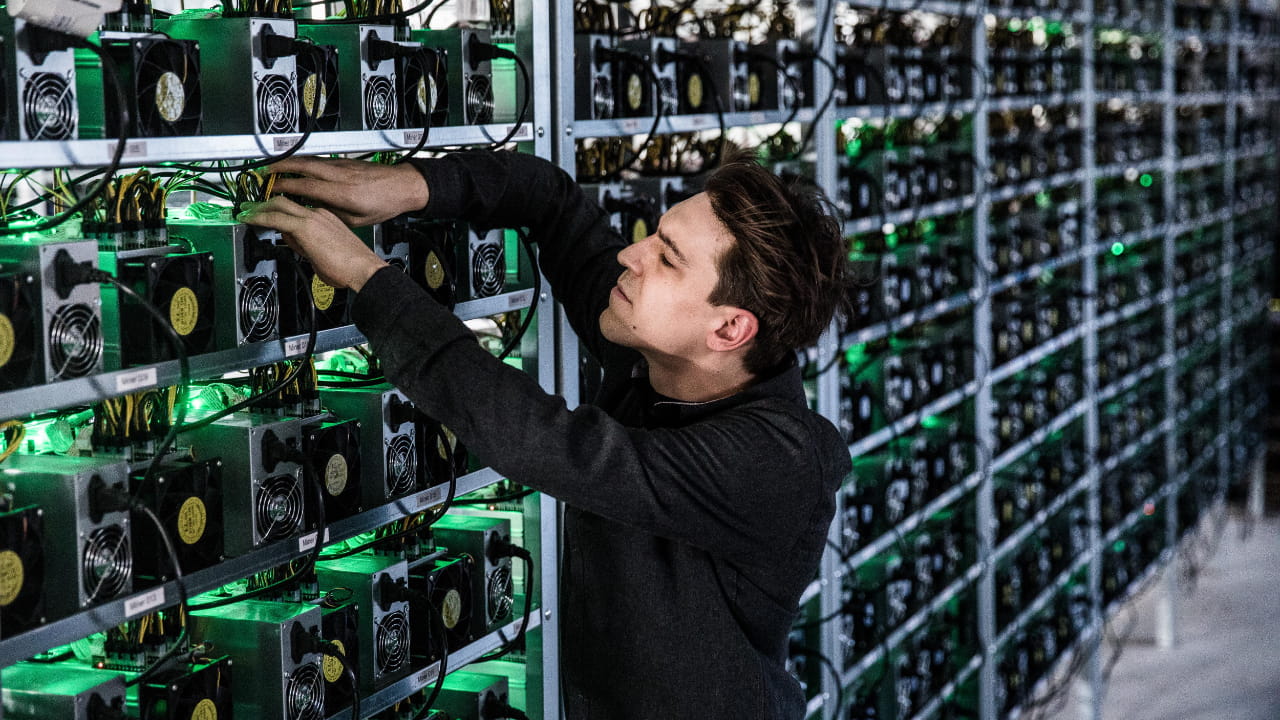
The Kommersant report says that the fund hopes to raise 500 million rubles (more than $6.6 million), which will be used to create an LLC that will purchase mining equipment and rent it out.
The remaining money invested in the fund will be used to pay for electricity and other operating expenses and maintenance of the fund.
The report states that investing in the crypto mining sector carries both high rewards and risks. It also brought attention to the lack of regulation in the crypto industry and how the Russian Central Bank is hostile to cryptocurrencies.
Russia's central bank recently warned against legalizing cryptocurrency, saying the move could undermine the country's financial system. According to Kommersant, the launch of the fund still requires regulatory approval in Russia.
Industry observers believe there is a high likelihood that the fund will be approved and that the central bank will soften its stance on cryptocurrency mining.
Previously, the Central Bank of Russia banned the inclusion of digital assets in mutual funds. However, several mutual funds that invest in blockchain technology companies have been approved.
The head of Finam Group of Companies, Vladislav Kochetkov, said that the rules of the mutual fund will be sent for approval to a specialized depository after March 1.
Cryptocurrency mining is gaining momentum in Russia
BitRiver, which provides hosting services for mining equipment, has noted an explosive growth in interest in the company from large banks, investment companies and the UK.
According to Artem Mayorov, director of UK asset management, mining profitability at current Bitcoin hardware prices and exchange rates could be as high as 50% each year depending on energy costs.
Market participants noted the risks associated with purchasing equipment, saying that it becomes obsolete and loses its efficiency in relation to new supercomputers, which can significantly affect the return on investment.