
What is grid trading? 😀
Grid trading is an investment strategy in which traders set a grid of price levels and then buy and sell tokens at fixed price intervals within the grid.
Grid trading strategies are usually divided into two parts, one is buying the grid and the other is selling the grid. The buy grid consists of a series of price levels that are usually spaced at fixed price intervals, such as $100, $110, $120, etc. When the price drops and reaches the lower limit of the buy grid, traders will start buying a certain number of shares in each price level one by one. When the stock price rises and exceeds a certain price level, traders also start selling your tokens one by one.
The main feature of grid trading is to diversify the investment portfolio and buy and sell tokens within the entire price range in the hope of lower average price costs, while also increasing volatility for speculators. Grid trading can be a useful trading strategy in certain market environments, but in markets where the market direction is difficult to determine, it can result in losses for traders.
The risk with grid trading is generally that it requires a considerable number of transactions, which can incur high fees. In addition, if the market trend moves in one direction, orders traded in both directions on the grid may suffer losses. Therefore, like all investment strategies, grid trading needs to be adjusted based on market conditions and the trader's risk tolerance. Therefore, saving handling fees has become more critical.

How to use grid trading on Binance Futures? 😘
Create an account on the Binance Futures platform and complete real-name authentication.
Log in to the Binance Futures platform and select the appropriate trading pair and contract type in your personal account, such as BTC/USDT.
Select the type of contract transaction you want to conduct on the Binance Futures platform, such as coin-based or perpetual contracts, and then transfer funds to the balance of the trading pair.
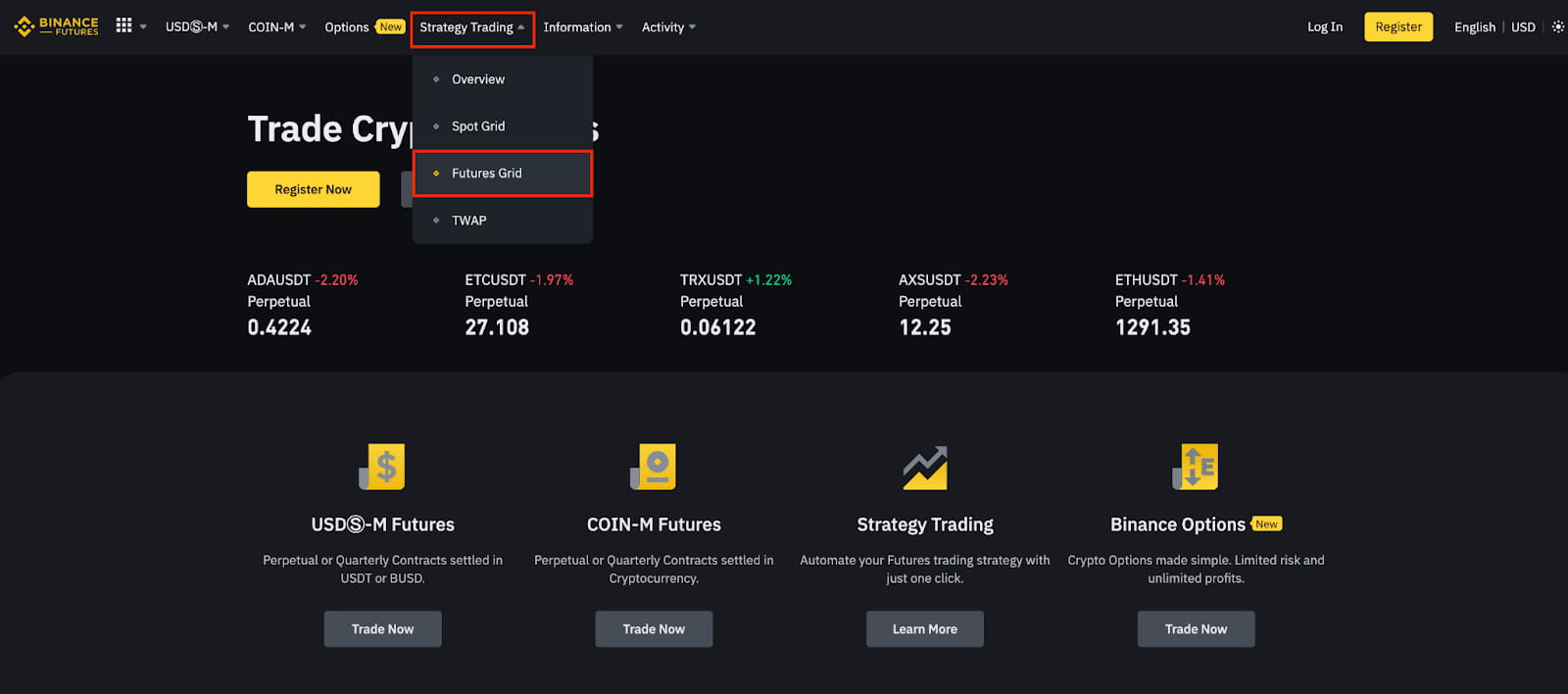
Select the "Grid Trading" option in the Binance Futures trading interface and enter parameters to set up the grid trading strategy, such as the price range of grid trading, and the quantities to buy and sell.
After setting the parameters, the platform will automatically conduct buy and sell transactions within the market price range according to your settings to achieve grid trading.
When using the Binance Futures platform for grid trading, it is recommended that traders conduct detailed market analysis and risk assessment before conducting grid trading, and then choose appropriate trading strategies and parameters. Additionally, since trading markets are constantly changing, it is recommended to regularly monitor the performance of the strategy and make adjustments to the strategy as necessary.


What are the advantages of grid trading👍
Automated trading: Grid trading is an automated trading strategy that reduces errors caused by human intervention and allows faster and more accurate responses to market changes.
Diversify risk: Grid trading allows traders to spread their funds across different points in price. This can prevent a single large transaction from creating excessive risks for traders.
Flexibility: Grid trading can respond to market price fluctuations and adjust trading strategies according to market changes, making it more flexible to adapt to market changes.
Lower risk: Grid trading is generally lower risk because it allows traders to automatically buy and sell within market price fluctuations, thereby reducing the risk of single-point trading errors.
Can be profitable: Grid trading can be profitable in both rising and falling markets, thereby enhancing traders’ returns


Here are a few risk management strategies to be aware of when using grid trading 🙂
Stop-loss orders: Setting stop-loss orders is an effective way to reduce risk. It can help traders limit the size of losses when market prices suddenly drop.
Choose your grid size carefully: Grid size affects how quickly and to what extent a trader can make profits, so it is very important to choose your grid size carefully.
Controlling Positions: When using grid trading, positions need to be carefully controlled. An overly heavy position will cause traders to take greater risks, while an overly light position may fail to meet the trader's investment goals due to low returns.
Confirm market liquidity: Liquidity is an important indicator when conducting grid trading. Ill-liquid markets can result in greater price volatility, increasing traders' risks.
Monitor market changes: When using grid trading strategies, you need to regularly monitor market changes and adjust trading strategies and parameters accordingly.
Although grid trading can reduce risks, no trading strategy can completely eliminate risks. Therefore, when using grid trading, you need to conduct reasonable risk management and fund management based on your own risk tolerance and trading goals.
Conclusion ✍️
Grid trading is a good option for traders who want to take a systematic approach to trading and profit from market fluctuations. To ensure profitability, it is important to choose market conditions that suit your strategy. This will help you avoid losing money in trending markets.
Additionally, make sure you have a proper risk management strategy, which should include setting appropriate take-profit and stop-loss orders.
references:
https://www.binance.com/en/blog/futures/stepbystep-guide-to-grid-trading-on-binance-futures-1221278002770616377
https://www.binance.com/en/blog/futures/benefits-of-grid-trading-on-binance-futures-421499824684903550