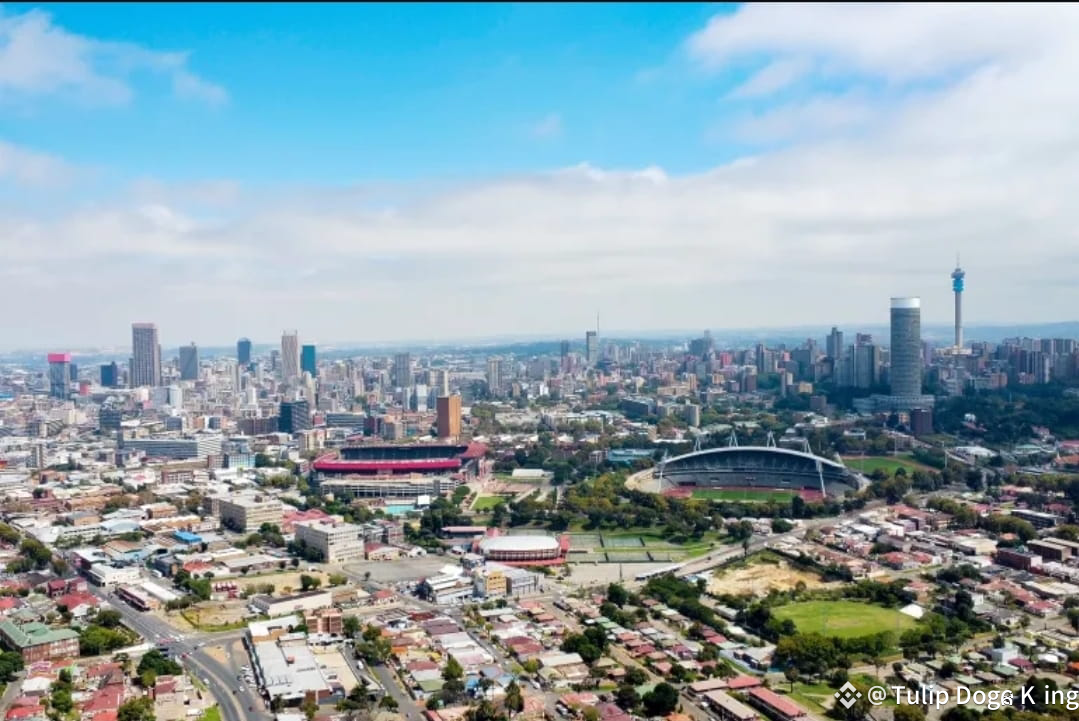
Afribit Africa introduced Bitcoin to West Soweto in early 2022, offering cryptocurrency-based grants to local waste collectors, often supported by charities. These groups consist of dozens of young people, whom Mdawida believes are more receptive to adopting new technologies.
After a day of waste collection, workers receive a wage in the form of a few dollars in Bitcoin. Afribit Africa estimates that it has injected around $10,000 into the community, with waste collectors serving as the primary conduits for Bitcoin in West Soweto, where many earn around $1 a day. Now, a few other local residents own Bitcoin, and some shopkeepers and motorbike drivers accept cryptocurrency payments.
Onesmus Mani, a 30-year-old garbage collector, feels his money in a Bitcoin wallet is safer than cash due to his concerns about crime. Some vendors are taking advantage of cryptocurrencies, like Dutia Anim, who runs a busy vegetable stall and reports that around 10% of her customers pay in Bitcoin.
“I like it because it’s cheap, fast, and requires no transaction fees,” she says. “When people pay in Bitcoin, I save that money and use it in cash to buy vegetables.” But this high-stakes game has caught the attention of Ali Hussein Kassim, a fintech expert and head of the Kenya Fintech Alliance. He warns: “In a highly volatile asset like Bitcoin, this is excessive risk exposure. I can’t afford to lose 80% of my wealth. What about the man in Kibera? You are exposing a vulnerable community to an ecosystem and financial services they cannot necessarily afford.”
Qasim is unconvinced of Bitcoin's utility in Kibera, citing its high price volatility and the potential for the benefits of low fees to be eliminated. Furthermore, the lack of regulation means the absence of any of the usual financial safety nets.
$BTC
#CardanoDebate
#BinanceHODLerRESOLV
After a day of waste collection, workers receive a wage in the form of a few dollars in Bitcoin. Afribit Africa estimates that it has injected around $10,000 into the community, with waste collectors serving as the primary conduits for Bitcoin in West Soweto, where many earn around $1 a day. Now, a few other local residents own Bitcoin, and some shopkeepers and motorbike drivers accept cryptocurrency payments.
Onesmus Mani, a 30-year-old garbage collector, feels his money in a Bitcoin wallet is safer than cash due to his concerns about crime. Some vendors are taking advantage of cryptocurrencies, like Dutia Anim, who runs a busy vegetable stall and reports that around 10% of her customers pay in Bitcoin.
“I like it because it’s cheap, fast, and requires no transaction fees,” she says. “When people pay in Bitcoin, I save that money and use it in cash to buy vegetables.” But this high-stakes game has caught the attention of Ali Hussein Kassim, a fintech expert and head of the Kenya Fintech Alliance. He warns: “In a highly volatile asset like Bitcoin, this is excessive risk exposure. I can’t afford to lose 80% of my wealth. What about the man in Kibera? You are exposing a vulnerable community to an ecosystem and financial services they cannot necessarily afford.”
Qasim is unconvinced of Bitcoin's utility in Kibera, citing its high price volatility and the potential for the benefits of low fees to be eliminated. Furthermore, the lack of regulation means the absence of any of the usual financial safety nets.
$BTC
#CardanoDebate
#BinanceHODLerRESOLV