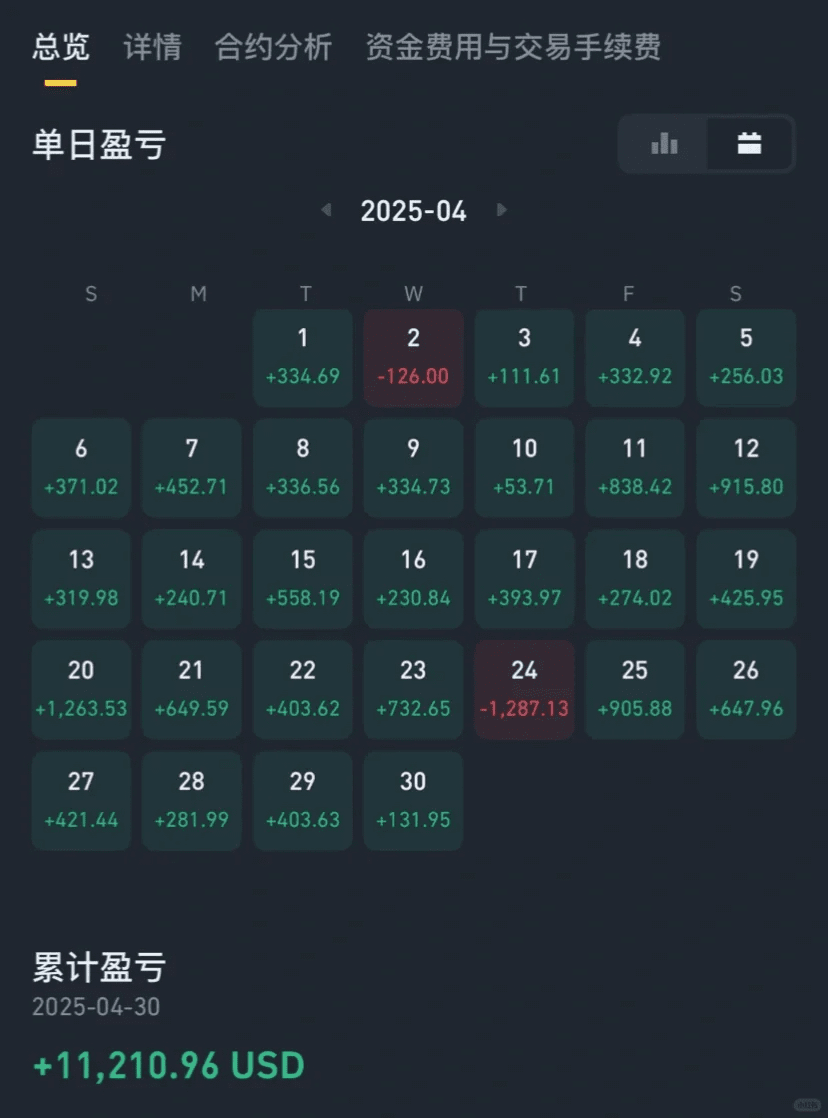
In investing, a stop-loss strategy is the core tool for controlling downside risk. Effective stop-loss requires anchoring three core elements: risk tolerance boundary, market volatility patterns, and investment cycle goals.
I. Three mainstream stop-loss methodologies
1. Fixed percentage stop-loss (preferred for beginners / systematic trading)
Set a hard stop-loss line of 5%-10% based on account capital or single investment:
Layered management: Million-level accounts refined into 3% gradients (reduce single transaction impact)
Cycle adaptation: Long-term investments can be relaxed to 12%-15% (filter out short-term fluctuations)
Execution iron rule: Exit upon breakdown, strictly prohibit averaging down costs (avoid getting trapped deeper)
2. Technical analysis stop-loss (essential for professional investors)
Build three lines of defense based on price action:
Key level stop-loss: Previous low support, trend line, 38.2% Fibonacci retracement level
Moving average breakdown: Confirmation of the death cross of the 20/60-day moving averages (daily breakdown requires weekly verification)
Pattern reversal: Head and shoulders neckline, triangle breakdown (only effective when there is significant volume break) ▍ Practical case: The 2020 oil crash, the 38.2% retracement level (about $27) became a concentrated stop-loss point for institutions, effectively avoiding subsequent halving risks.
3. Volatility adaptive stop-loss (preferred for high volatility varieties)
Dynamically calculate stop-loss distance using the ATR indicator:
Short-term trading: 3 times ATR (capture short-term extreme fluctuations)
Medium-term positions: 1.5 times ATR (track trends while filtering noise) Cryptocurrency empirical test: 14-period ATR ×2 strategy, reduces ineffective stop-loss by 23% compared to fixed percentage, significantly improves capital utilization efficiency.
II. Three dimensions of strategy optimization
1. Market environment calibration
Unilateral market: Expand stop-loss space to 1.5 times (trend trading allows for moderate pullbacks)
Volatile market: Tighten to 0.8 times + confirmation of range breakout (reduce false signals of box volatility)
Black swan event: VIX > 40 triggers circuit breaker mechanism (unconditional liquidation, prioritize survival)
2. Account status monitoring
Tiered risk control: ▶ Total asset drawdown 5%: Position reduced to 50% (actively retracting defense) ▶ Drawdown 8%: Pause trading for 1 week (mandatory cooling-off period)
Performance evaluation table: Regularly statistics win rate (probability of correct exit after stop-loss), profit-loss ratio (average profit / average stop-loss), stop-loss frequency (ideally ≤3 times per month)
III. Execution discipline: Three-fold firewall
Technical level: Trading software preset mandatory stop-loss (eliminate human intervention)
Institutional level: Daily loss red line ≤2% (regardless of market conditions, absolutely do not break the rules)
Cognitive level: Accept "stop-loss is the cost of risk pricing" - a single 5% stop-loss is to avoid a 20%+ fatal loss
The core of this system is to reduce subjective errors through quantitative rules, achieving a balance of risk and return in different market environments. Remember: stop-loss is not about fearing losses, but using a controllable cost to exchange for infinite possibilities - preserving capital to seize the next opportunity.$ETH $BTC #Strategy增持比特币 #币安Alpha上新