
The Struggles of Mining and Buying Bitcoin in 2009: Why You Shouldn't Feel Bad About Missing Out
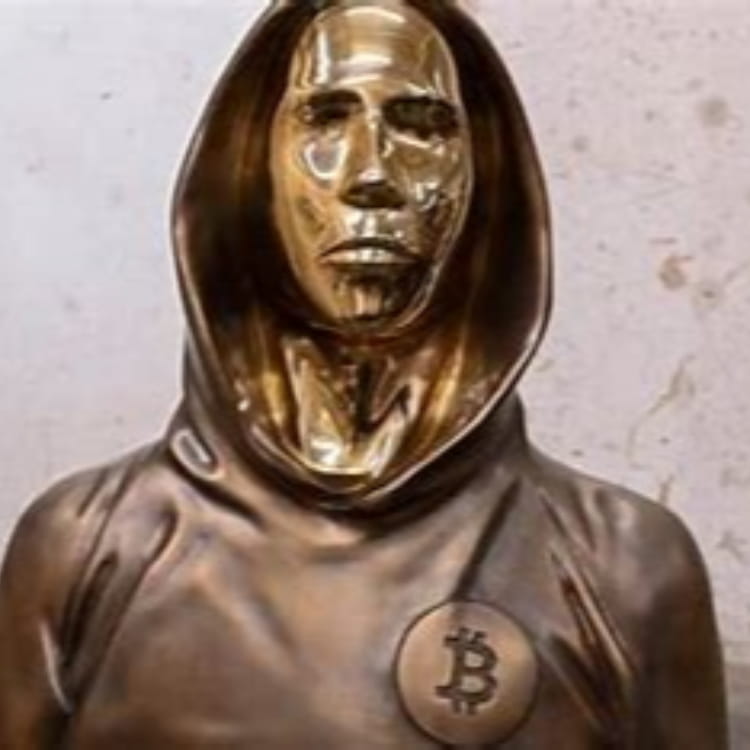
In 2009, Bitcoin was a completely new concept. Launched by Satoshi Nakamoto as a decentralized peer-to-peer currency, it had no real value, no exchanges, and no mainstream support. The idea of mining Bitcoin was possible, but it wasn’t as easy as it might sound. The mining process could be done on a regular computer, and the mining difficulty was low enough that you could mine several coins in a day. But here’s the catch: the average person lacked access to the resources needed.
In many parts of the world, especially in developing nations, reliable internet access and computers were scarce. For those who had access, high electricity costs made it difficult to run a computer 24/7 for mining. Even if you did have the necessary equipment, the knowledge and awareness of Bitcoin’s potential were extremely limited.
When it came to buying Bitcoin, the situation was even more challenging. There were no established exchanges like Binance. The only way to acquire Bitcoin was either by mining it or by participating in peer-to-peer transactions with others who had Bitcoin to sell. These transactions were often done in obscure forums or through private exchanges, which were hardly accessible to people in third-world countries, where even basic financial services were not available.
Looking back, it’s easy to feel regretful about not investing in Bitcoin when it was under $1. But it's important to remember that Bitcoin in 2009 was not a well-established asset—it was a highly speculative project with little to no infrastructure or support. The financial ecosystem we have today was nonexistent back then, and the idea of Bitcoin being worth thousands of dollars was a dream for only a handful of early adopters.
So, if you’re feeling bad about missing out, remember: The technology, infrastructure, and awareness simply weren’t there. Instead of regretting the past, focus on the present and future—there are plenty of opportunities left in the world of crypto.