


Original Author: @bored2boar
Translated by: Oliver, Mars Finance
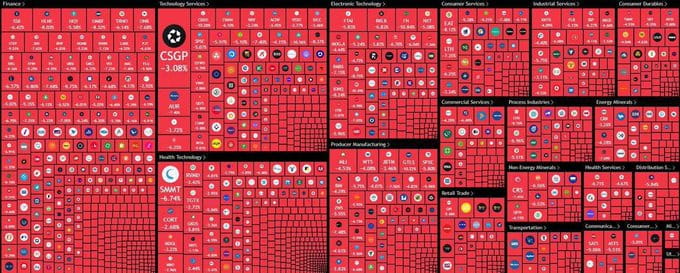
In the past few months, I have been providing the most accurate predictions for the market and have warned in advance about the risks of a market crash. Today, I will once again reveal an imminent crisis: the Great Recession of 2025. This crisis will replay the financial storm of 2008, banks will collapse, cryptocurrencies and the stock market will crash, and $BTC will drop below $40,000, while other cryptocurrencies (Alts) may face losses of up to 90%. Before this 'Black Monday' arrives, I will tell you the measures you must take.
1. Familiarity: The Replay of 2008
The current situation feels eerily familiar, as if we have returned to 2008. High debt, unstable banks, overheating markets, and political chaos—all warning signs are flashing bright red. However, market participants are overly optimistic and fail to perceive that a crisis is imminent. Just like before the 2008 crash, the system appears stable on the surface... until it suddenly collapses.
2. $7 Trillion Debt Crisis
The U.S. needs to refinance up to $7 trillion in debt within the next six months. The problem is that current high interest rates make refinancing costs extraordinarily high. The government's only 'solution' may be to force a market crash to drive up bond prices, thereby lowering interest rates. This is the script of history and the greatest risk at present.
3. Trump's Strategy
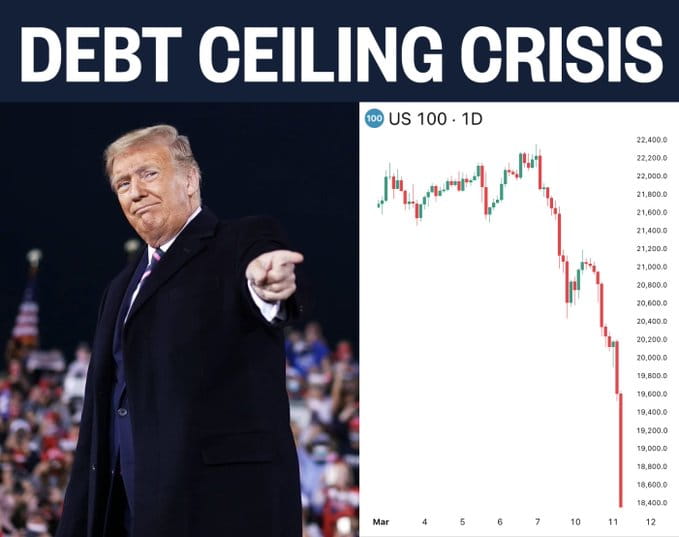
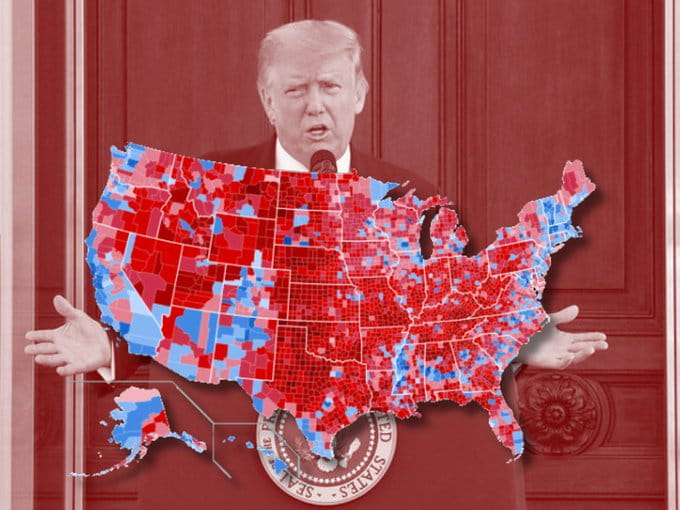
After regaining power, Trump adopted a tough economic strategy. He understands that a market crash can lower bond yields, thereby reducing the cost of debt refinancing. The faster the crash occurs, the lower the cost of economic recovery. This is an ugly game, and I warned you about it long ago.
4. The Key Role of the Bond Market
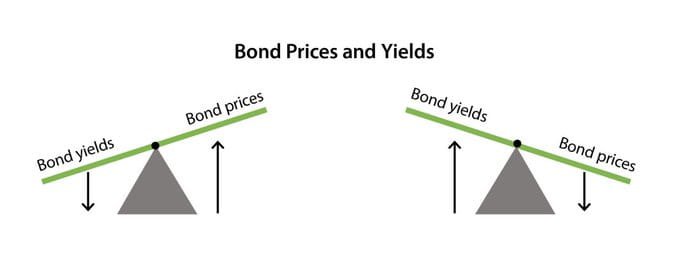
The core of this crisis lies in the bond market. If bond prices rise, yields fall, and the interest cost of government debt decreases. For bonds to be more attractive, the stock market must fall. This will force capital to shift from the stock market to the bond market, with bonds winning and stocks suffering heavy losses.
5. Tariff War: A Catalyst for Inflation
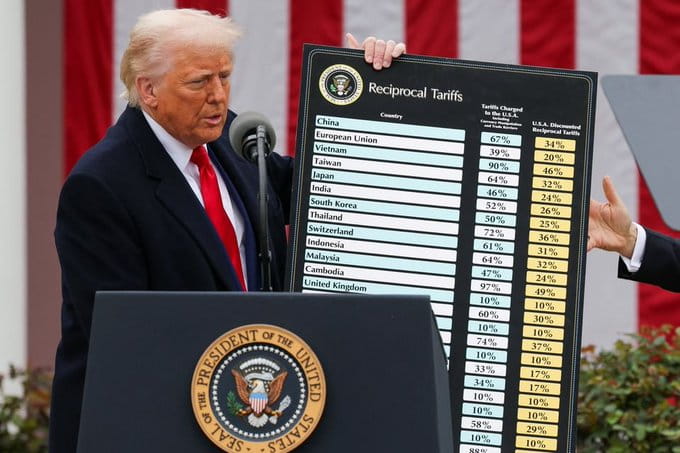
Trump recently announced a series of radical tariff policies: a 34% tariff on Chinese goods, 25% on South Korean goods, and up to 46% on Vietnamese goods. This is not just trade protectionism; it is more like a catalyst for inflation. Rising import prices will push up inflation, weaken consumer purchasing power, and further complicate the Fed's policy. A similar situation occurred in 2008.
6. Global Ripple Effects
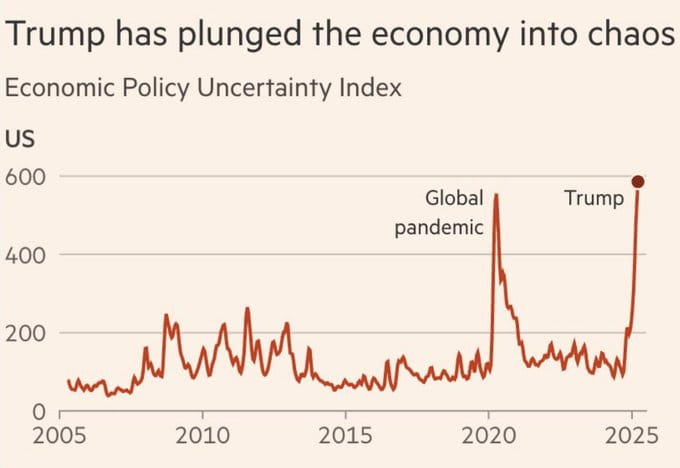
These tariffs will trigger retaliation from trading partner countries. U.S. exports will be impacted, multinational companies' profits will shrink, and supply chains will slow down. This is precisely the starting point of the global market's downward spiral, and this process has already quietly begun.
7. Hidden Liquidity Crisis
Behind the scenes, liquidity within the market is being quietly drained. Trading volume is gradually decreasing, and deep buy orders are disappearing. On the surface, the market appears stable, but in reality, it is a fragile shell. This was also the case on the eve of the 2008 financial crisis; everything seemed normal until Lehman Brothers' collapse triggered a chain reaction.
8. Shadow Risks: Potential Crisis in Banks
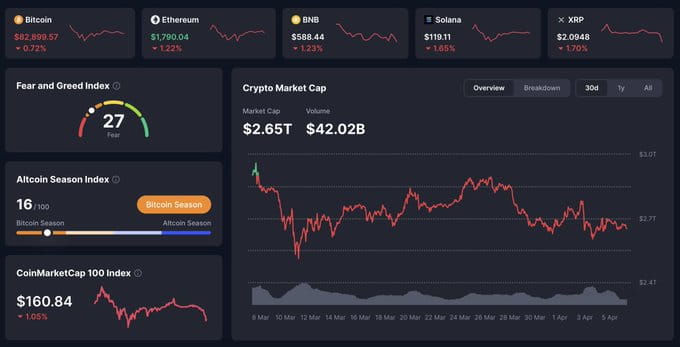
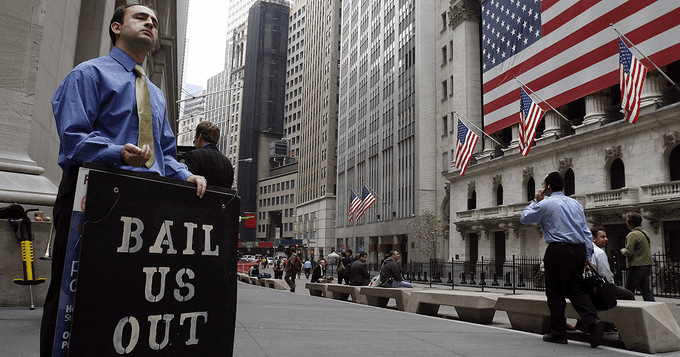
Although banks appear 'safe' on the surface, their derivative risk exposures are astonishingly high. Many financial institutions still hold high-risk debt products similar to those in 2008, just under new names. Credit is tightening, and default rates are rising. History is repeating itself.
9. The Impact on the Crypto Market
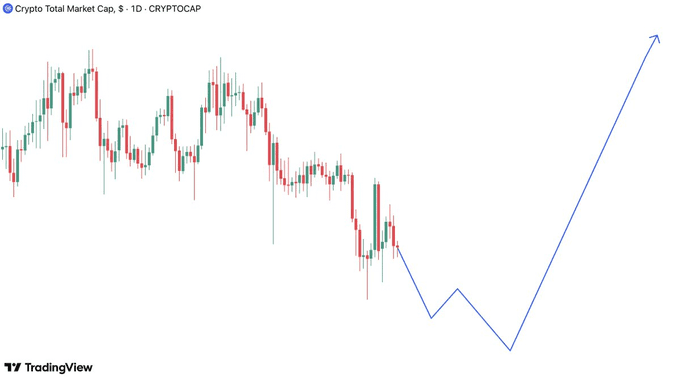
Theoretically, cryptocurrencies should benefit from this chaos. However, in the early stages of a market crash, all assets will decline. Institutional investors will sell $BTC and $ETH to cover losses, and other cryptocurrencies (Alts) will be hit the hardest. Only in the later stages of the crisis may cryptocurrencies rise from the ashes—much like the situation after 2020.
10. Bear Market Pattern Established
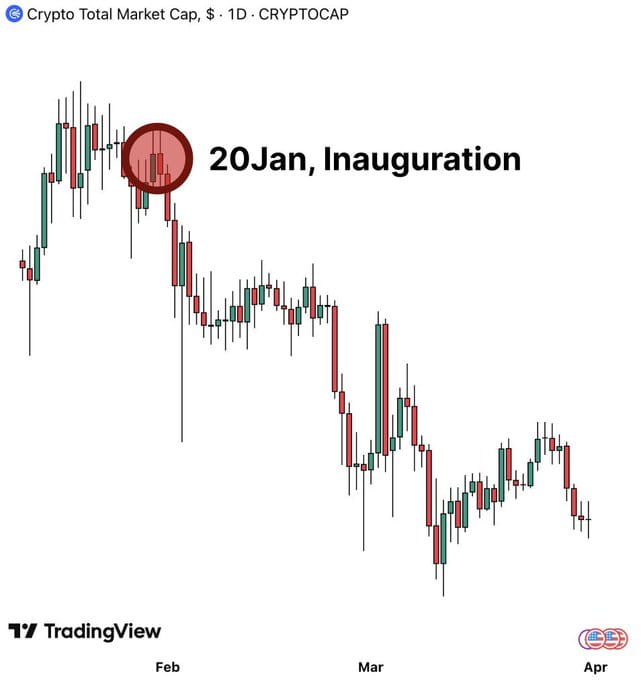
Retail investors remain in a frenzy, ignoring macroeconomic risks and blindly following Trump's optimistic rhetoric. However, since Trump took office, the market has fallen by 30%. This phase of 'refusal to believe' is a classic characteristic before destruction. Next, the market may drop more than 50%, just like in 2008.
11. The Fed's Predicament
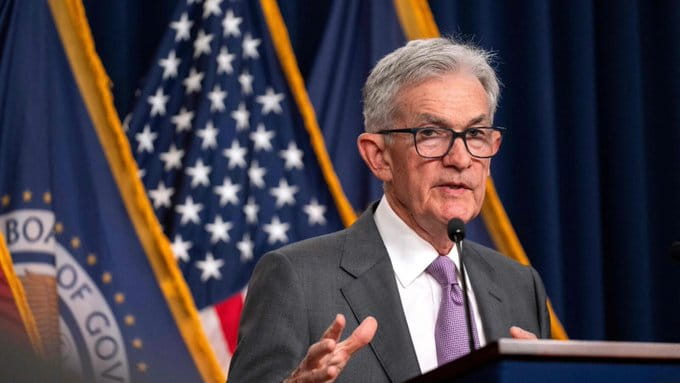
The Fed is caught in a dilemma: raising interest rates will stifle the economy, while lowering rates will reignite inflation. It is a lose-lose situation. In 2008, the Fed misjudged the timing; by 2025, they may have exhausted their options. If the market crashes, the Fed will have no effective solutions.
12. Political Pressure of Elections
Trump has sought to control the market narrative from the beginning. The market crash in 2025 will give him time to achieve economic recovery before the 2026 midterm elections or early 2028, thereby shaping his image as a 'savior.' By controlling the economic cycle, he can influence public opinion and ultimately affect the vote.
13. Final Thoughts: How to Respond
If this crash occurs as expected, it will become part of Trump's plan—a forced reset to clear the debt mess. If you are still in the market, be prepared to hedge; if you hold cryptocurrencies, maintain liquidity. If you followed my advice three months ago, you should have already moved your funds to stablecoins.