


Pi Network is facing new scrutiny after Justin Bons, the founder of CyberCapital, publicly labeled the project as a "Scam." Bons raised concerns about the technology, business model, and tokenomics of the project, arguing that they have serious flaws and could harm investors.
Is Pi Network a Scam? Justin Bons Thinks So
In a series of posts on X (formerly Twitter), Bons pointed out several issues with this network. He argued that contrary to its claims of decentralization, Pi Network is still very centralized.
“PI is entirely permissioned (centralized) and everything requires KYC, even simple transactions! PI is an investment scam; it's that bad,” he wrote.
Bons also criticized the five-year delay in launching the mainnet, calling the promises of innovation and decentralization from the network misleading. Notably, one of his main claims was that the core technology of Pi Network was copied from Stellar (XLM).
Nevertheless, he argued that the lack of a complete Turing-complete virtual machine (VM) limits Pi Network's potential for decentralized finance (DeFi), turning it into a "pipe dream." Furthermore, he explained that this makes the network non-scalable and non-programmable.
Bons also noted the network's referral program, which he compared to a Multi-Level Marketing (MLM) model. He argued that this system creates unnecessary costs for the network without providing real benefits to users.
Adding to his concerns, Bons highlighted a Ponzi-like mechanism in the "mining" process of Pi Network. He revealed that the lock-up period for insiders benefits from increasing token prices, allowing early investors to cash out with profits.
Transparency, or the lack thereof, is another significant issue that Bons raised. He criticized Pi Network for not disclosing token allocations to insiders despite enforcing KYC procedures. He noted that insiders could control up to 20% of the network's supply, which contradicts the project's fair claims.
“PI making it to the top 20 is an embarrassment for our industry,” Bons concluded.
Previously, Bybit's CEO, Ben Zhou, shared similar concerns, calling PI a scam and describing it as "more dangerous than meme coins."
Is Pi Coin Listed on Binance?
Meanwhile, the latest wave of criticism comes amid growing dissatisfaction among pioneers towards Binance. On March 19, the exchange revealed the first batch of Vote to List projects. This list includes meme coins related to the former CEO's dog and the Mubarak (MUBARAK) token, among others.
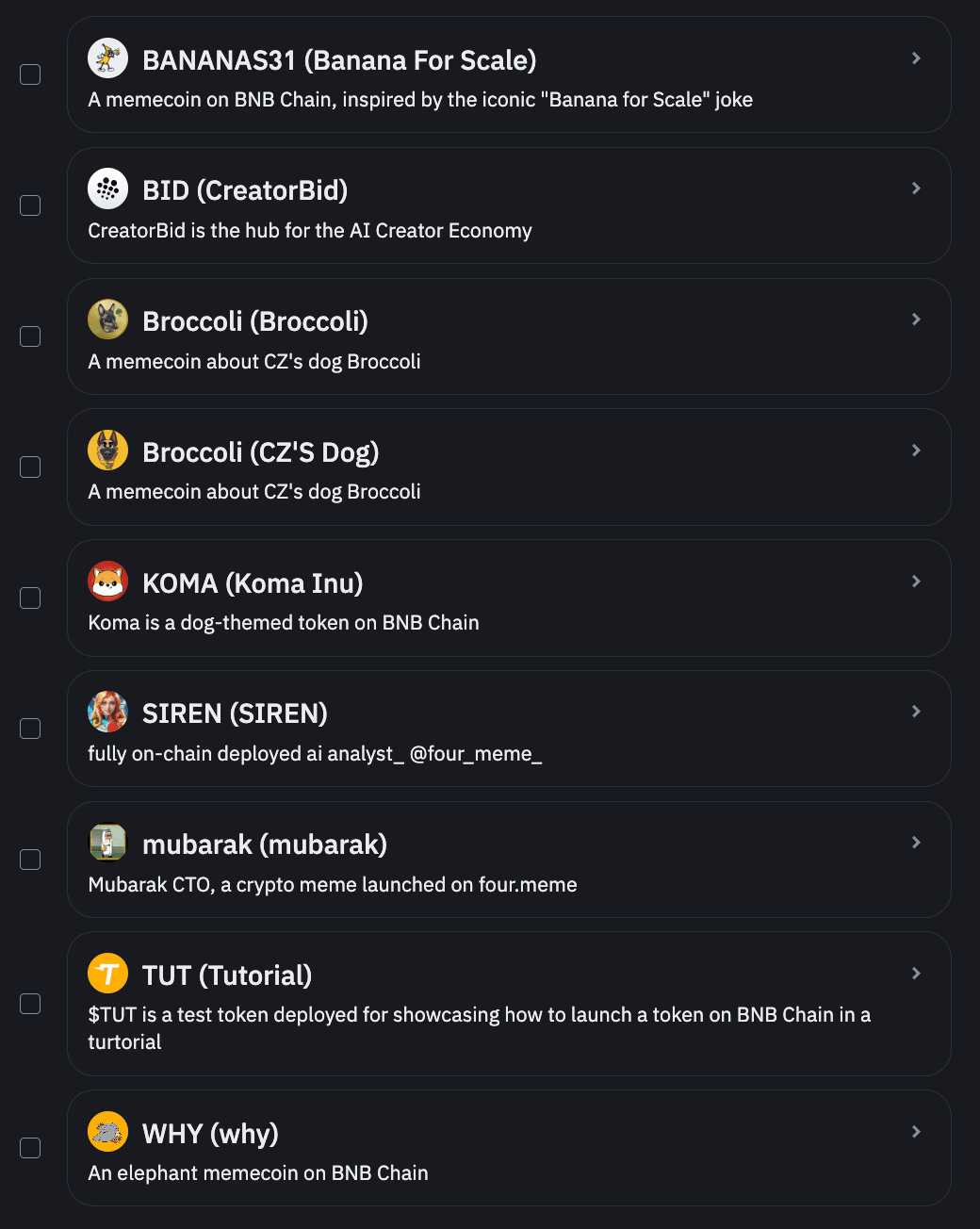
However, despite Pi Coin (PI) receiving 86% support votes, the community still expressed disappointment over Binance not listing it.
“Don't act like a third-rate garbage exchange and fulfill your promise before starting the next vote. I don't know if CZ would behave this way if he were still at Binance, he wouldn't be proud of your behavior,” a user wrote on X.
The community even rated Binance 1 star on Google Play Store. However, this may have worsened PI's prospects rather than improved them.
“Don't try to pressure us to list your coin by spreading FUD or making negative comments about Binance, or you will be blacklisted,” Binance noted.
The double shock from Bons's criticism and Binance's refusal coincided with a brutal market downturn for PI. The token's price dropped below 1.0 USD today for the first time since late February.
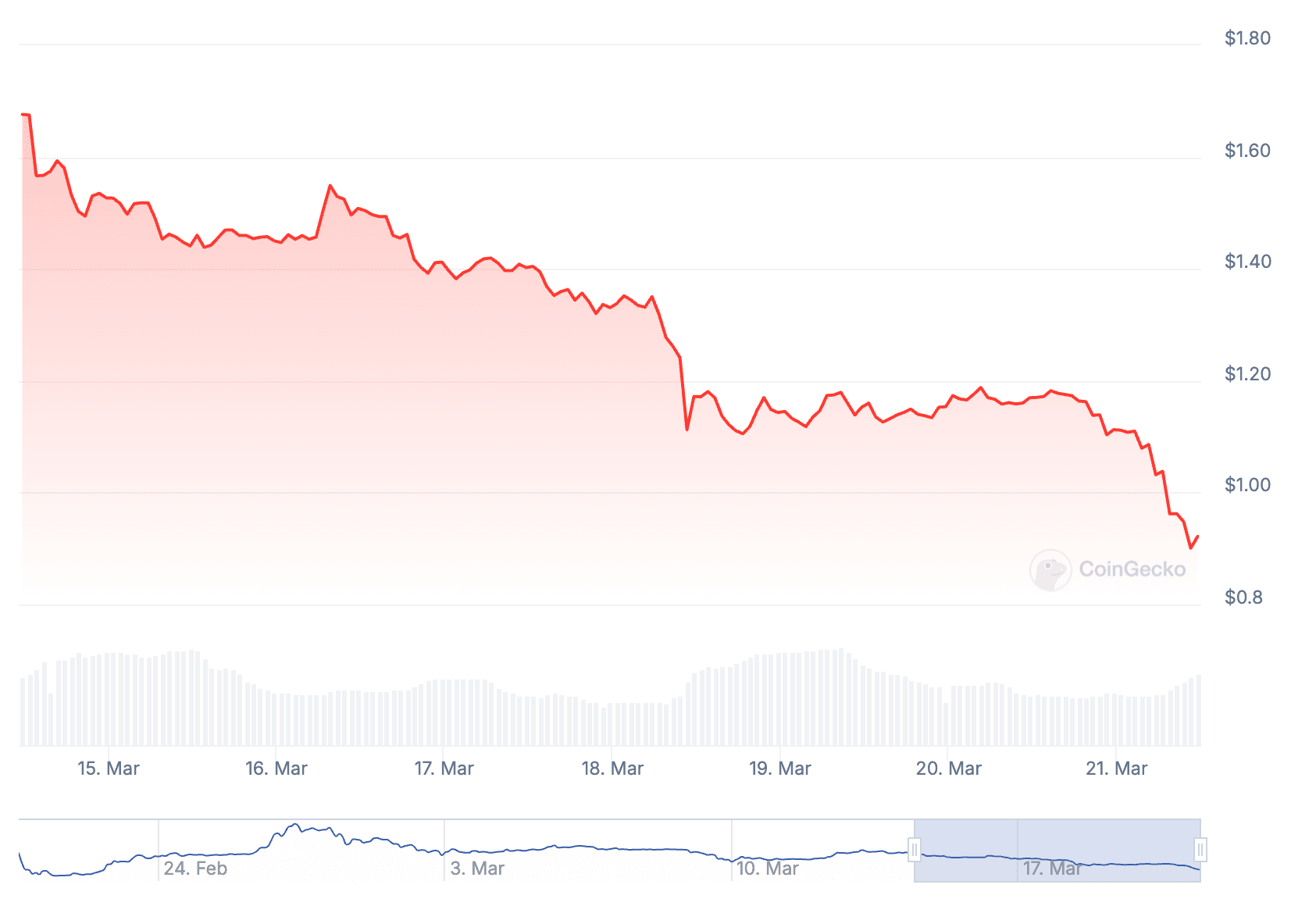
In the past day, PI has dropped 20.1%, with weekly losses reaching 48.7%. At the time of writing, Pi Coin is trading at 0.91 USD. Its ranking has also been affected, falling to 27th place on CoinGecko, a significant drop from its previous position.