


In 2024, Jupiter became the decentralized exchange (DEX) with the highest TVL in the Solana ecosystem, successfully surpassing the long-dominant Raydium. What unique technologies and strategies does Jupiter possess that allow it to stand out in the fiercely competitive DeFi market? Additionally, Jupiter's development process has not been smooth sailing; what difficulties and challenges have they faced? This article will take you deep into this innovative DeFi project.

Background of the Jupiter Project and Founder Meow
Jupiter is a DEX aggregator built on the Solana blockchain, dedicated to providing an efficient and low-cost trading experience. Compared to traditional DEXs, Jupiter offers better liquidity source integration, allowing users to obtain the best trading prices.
Jupiter's founder, Meow, is a highly influential figure in the DeFi space. He began researching blockchain technology in his early years and chose to create Jupiter during the bear market, demonstrating his long-term vision for decentralized finance. Meow has a rich technical background and excels in community operations, allowing Jupiter to quickly attract a large number of users and developers.

Jupiter's technical capabilities and core advantages
Jupiter's ability to become the largest DEX in the Solana ecosystem is mainly attributed to the following three core functions:
DEX Aggregation Feature: Jupiter integrates all major DEXs on Solana, such as Raydium, Orca, Serum, etc., through smart routing technology. This allows users to automatically obtain the best prices and lowest slippage when trading on Jupiter.
Limit Orders and Dollar-Cost Averaging (DCA): Unlike traditional DEXs, Jupiter offers advanced trading features like limit orders and DCA, enabling users to manage their trading strategies more flexibly.
Cross-chain Trading and Liquidity Integration: Jupiter is not limited to the Solana ecosystem but plans to integrate with other public chains to provide a broader DeFi trading landscape.
The realization of these features has allowed Jupiter to quickly establish a foothold in the Solana DeFi market and attract a large number of traders and developers to join its ecosystem.
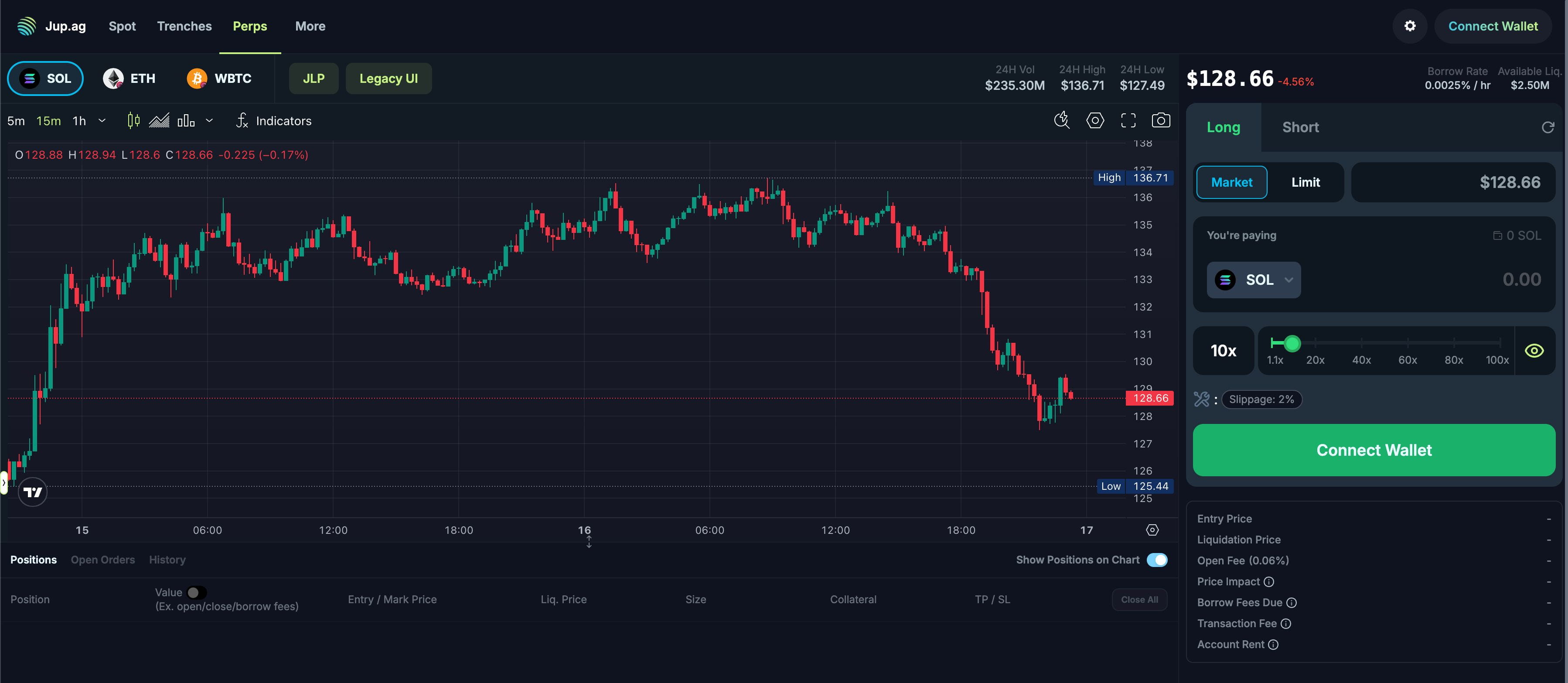
Jupiter Token Economics: JUP and JLP
Jupiter's development is supported by its token economic model, mainly based on two types of tokens:
JUP Token: Jupiter's native token, primarily used for governance, trading fee discounts, and liquidity mining rewards. JUP holders can participate in governance voting, determining the future direction of development.
JLP (Jupiter Liquidity Provider): Jupiter's liquidity provider token, allowing users to earn trading fees and rewards by providing liquidity. JLP plays a key role in stabilizing market liquidity within the Jupiter ecosystem.
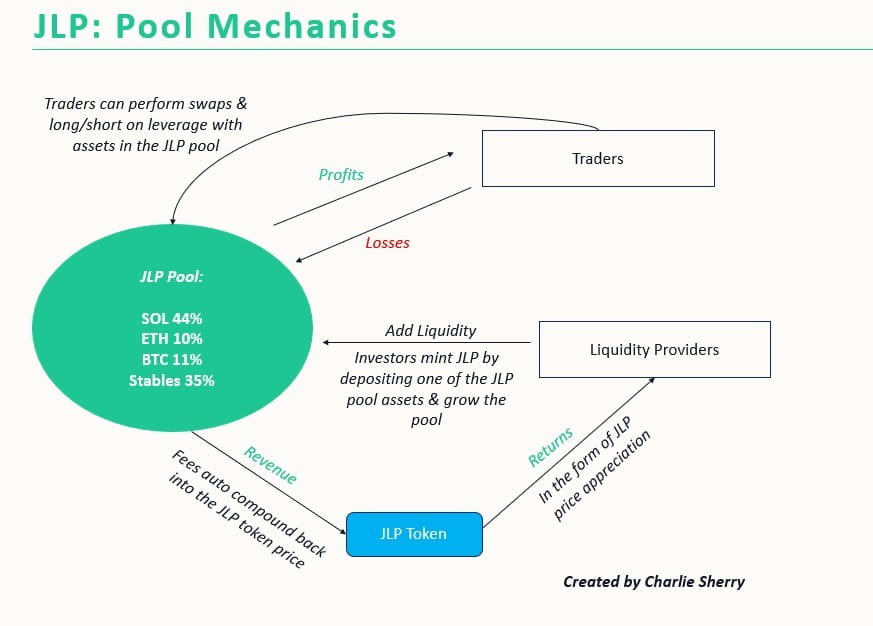
The complementary roles of these two enable Jupiter to maintain a healthy ecosystem economic cycle, further attracting more investors and traders.
Challenges in the Bear Market: FTX Collapse and Solana's Low Tide
Jupiter's rise is not accidental; they have experienced severe market tests. Between 2022 and 2023, the entire cryptocurrency market underwent a bear market, and Solana was also affected by the FTX collapse, temporarily dropping to $8. At that time, the DeFi ecosystem generally faced issues like liquidity exhaustion and low developer confidence.
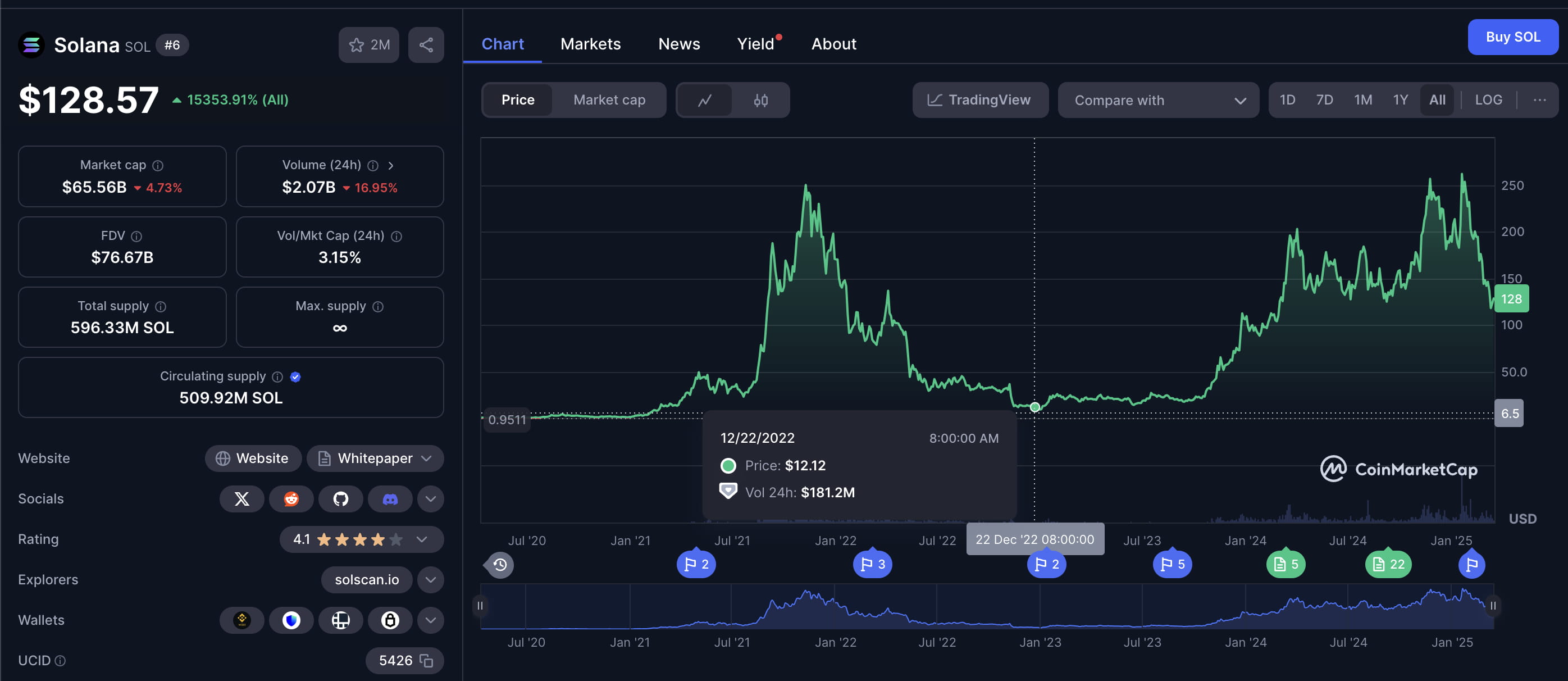
However, Jupiter did not stagnate but chose to continue building and innovating. They actively optimized trading routes to improve liquidity integration efficiency and maintained user engagement through community operations. This allowed Jupiter to rise rapidly when the market recovered, ultimately becoming a leader in the Solana ecosystem.

Acquisition of Moonshot and JUP Token Surge
In 2025, Jupiter announced the acquisition of a majority stake in Moonshot, sparking heated discussions in the DeFi community. Moonshot is an emerging decentralized trading platform focusing on the launch and presale of new projects. This acquisition not only expanded Jupiter's ecosystem but also caused the JUP token to surge significantly in a short period.

More notably, in early 2025, former U.S. President Trump announced the issuance of a cryptocurrency and chose to launch it on Moonshot. This news quickly ignited market enthusiasm, with a large influx of funds into the Moonshot and Jupiter platforms, leading many investors to achieve substantial returns in a short time. This event further solidified Jupiter's influence in the DeFi field.

The Argentine Government's Currency Issuance Controversy and Community Disputes
However, Jupiter is not without controversy. In February 2025, the Argentine government announced the issuance of the national cryptocurrency $LIBRA and chose to launch it on Jupiter. However, due to improper market operations, the coin plummeted 95% in a short time, causing significant losses for many investors.
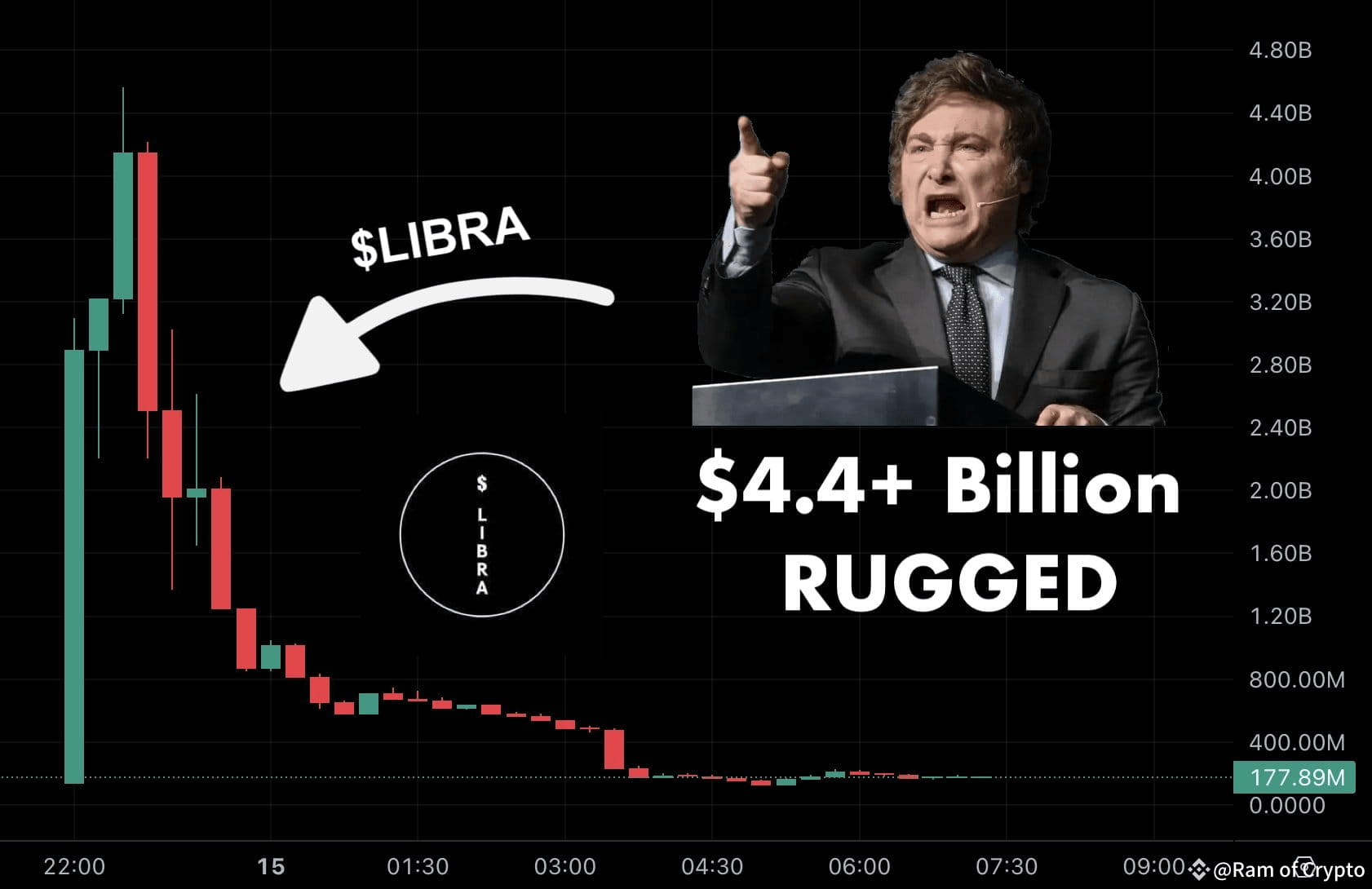
This incident raised market doubts about Jupiter, with rumors suggesting that Jupiter might have received huge rewards from it. In response to such allegations, Jupiter issued an official statement emphasizing that it merely provides a trading platform and did not directly participate in the issuance or manipulation of that coin. However, the community did not fully accept this explanation, leading Jupiter to face a certain trust crisis.
Jupiter's Future: Creating a Dedicated Blockchain Jupnet
Jupiter is not satisfied with the status quo but is actively exploring new technologies and applications. Among them, the most notable project is Jupnet.
Jupnet is a 'full-chain network' that the Jupiter team is developing, aimed at breaking down barriers between blockchains and aggregating liquidity across major networks. The main technologies of Jupnet include:
DOVE Network: A decentralized oracle used to verify and execute cross-chain transactions.
Omnichain Ledger Network: A fully distributed ledger that ensures the security and stability of cross-chain transactions.
Aggregated Decentralized Identity (ADI): Provides decentralized identity management, lowering the entry barrier for Web3 users.
The launch of Jupnet will transform Jupiter from a single Solana trading aggregator into a full-chain DeFi platform, further expanding its market influence. Jupiter's founder, Meow, also recently stated that the technical update for Jupnet is expected to be provided in April 2025, indicating that the project is progressing steadily.

Conclusion
Jupiter's growth journey is filled with challenges and opportunities, from its persistence in building during the bear market to becoming a leader in the Solana ecosystem, making its development worth the ongoing attention of investors.
When investing, we should focus on the actual actions of the project rather than just listening to market rumors. Jupiter's founder, Meow, has demonstrated a passion and commitment to decentralized finance, which allows Jupiter to focus on product and technological innovation even when facing FUD.
In the future, can Jupiter continue to break through itself and even change the landscape of DeFi? This remains to be seen.