


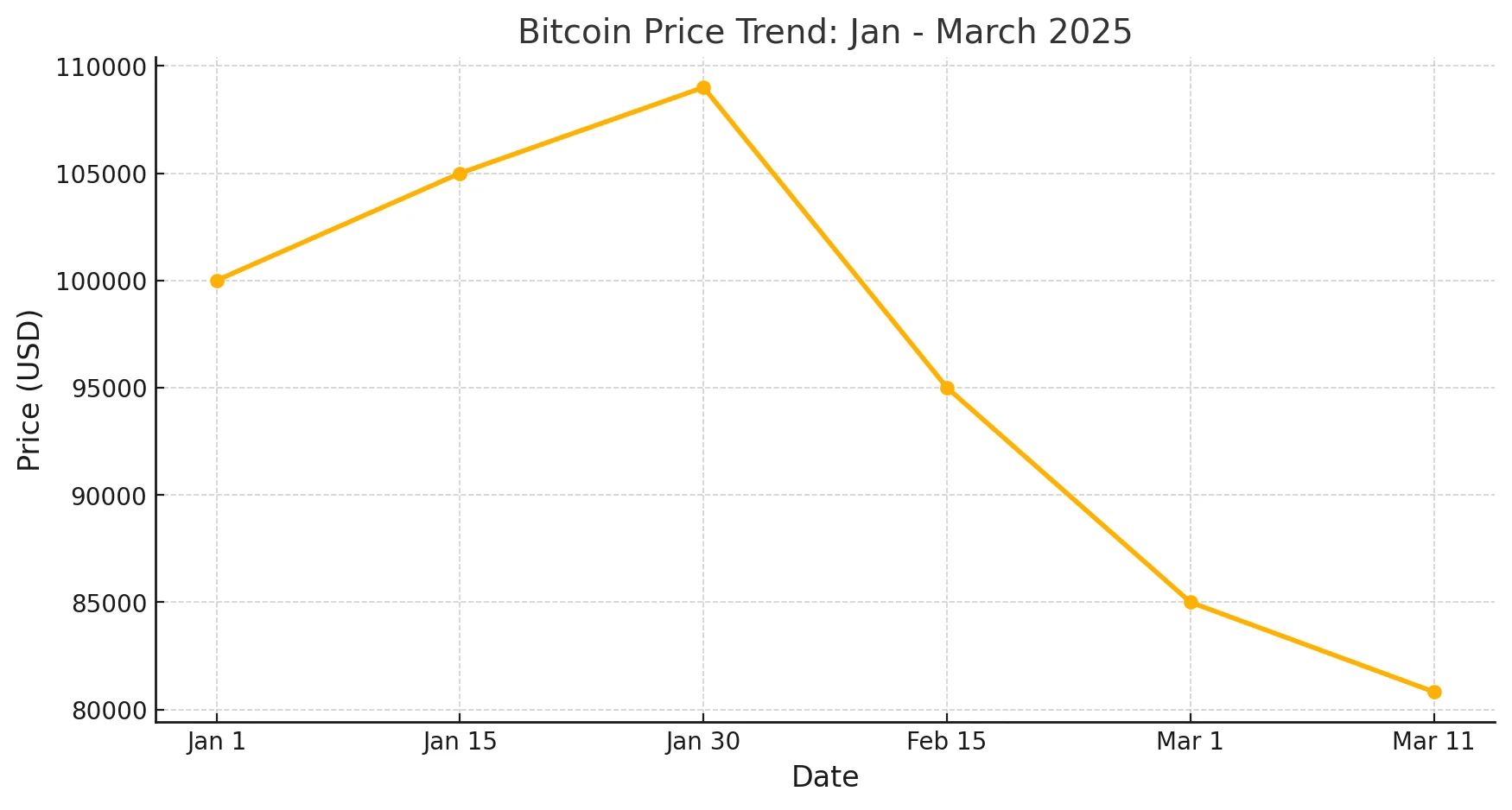
Bitcoin (BTC) has faced a significant price correction, dropping nearly 30% from its all-time high of $109,000 in January 2025 to around $77,000 in March. This decline has raised concerns among investors, questioning whether this is a sign of the beginning of a bear phase or a typical correction in an ongoing bull market.
Several key factors have contributed to this decline, including profit-taking by large holders, reduced institutional buying, changes in market sentiment, and broader macroeconomic instability. Despite the pullback, historical patterns indicate that such corrections are common in strong bull markets, prompting investors to analyze current trends and future prospects before making any market moves.
Key factors behind the decline in Bitcoin's price
1. Profit-taking by large holders
One of the main reasons behind Bitcoin's recent decline is the profit-taking by large holders (whales). Data from Santiment indicates that key stakeholders began selling off their BTC holdings in mid-February. From February 20 to March 8, approximately 22,702 BTC (worth nearly $1.8 billion) were moved from private wallets to exchanges, signaling a readiness to liquidate assets. This increase in selling pressure has significantly contributed to the downward trend.
2. Institutional accumulation decline
In the final months of 2024, institutional investors played a crucial role in Bitcoin's price surge above $100,000. However, institutional accumulation has significantly slowed down following the inauguration of the U.S. president, leading to reduced demand. While some institutional buyers continued to purchase on March 3, the volume of buying has not been sufficient to counter the sell-off from retail investors and whales.
3. Change in investor sentiment
Investor sentiment also plays a key role in the recent correction of Bitcoin. Market data shows that many retail investors who joined at the end of 2024 have now exited at a loss. Short-term traders are facing an average loss of 11%, while long-term holders have experienced a decline of 5% over the past year. Additionally, sentiment on social media has turned pessimistic, further reducing demand and leading to increased selling pressure.
4. Macroeconomic instability and policy concerns
Broader macroeconomic conditions are also impacting Bitcoin's price decline. Concerns over new tariff policies, global trade tensions, and the pace of regulatory developments in the U.S. have led to increased market volatility. Although the Biden administration generally has a positive attitude towards cryptocurrency, many investors are worried that delayed policy implementation and potential legal barriers could hinder Bitcoin's growth in the near future.
Is Bitcoin declining or ready to recover?
Cryptocurrency analysts, including BitMEX co-founder Arthur Hayes, believe that Bitcoin could continue to drop to $70,000 before finding strong support. Hayes believes this pullback is normal for a bull market, and historical patterns indicate that similar corrections have occurred before major price increases.
Moreover, the monetary easing by central banks could boost liquidity for the financial market, helping Bitcoin regain upward momentum in the coming months. Investors should closely monitor macroeconomic indicators, the Federal Reserve's policies, and institutional buying behavior for further insights into BTC's trajectory.
Conclusion
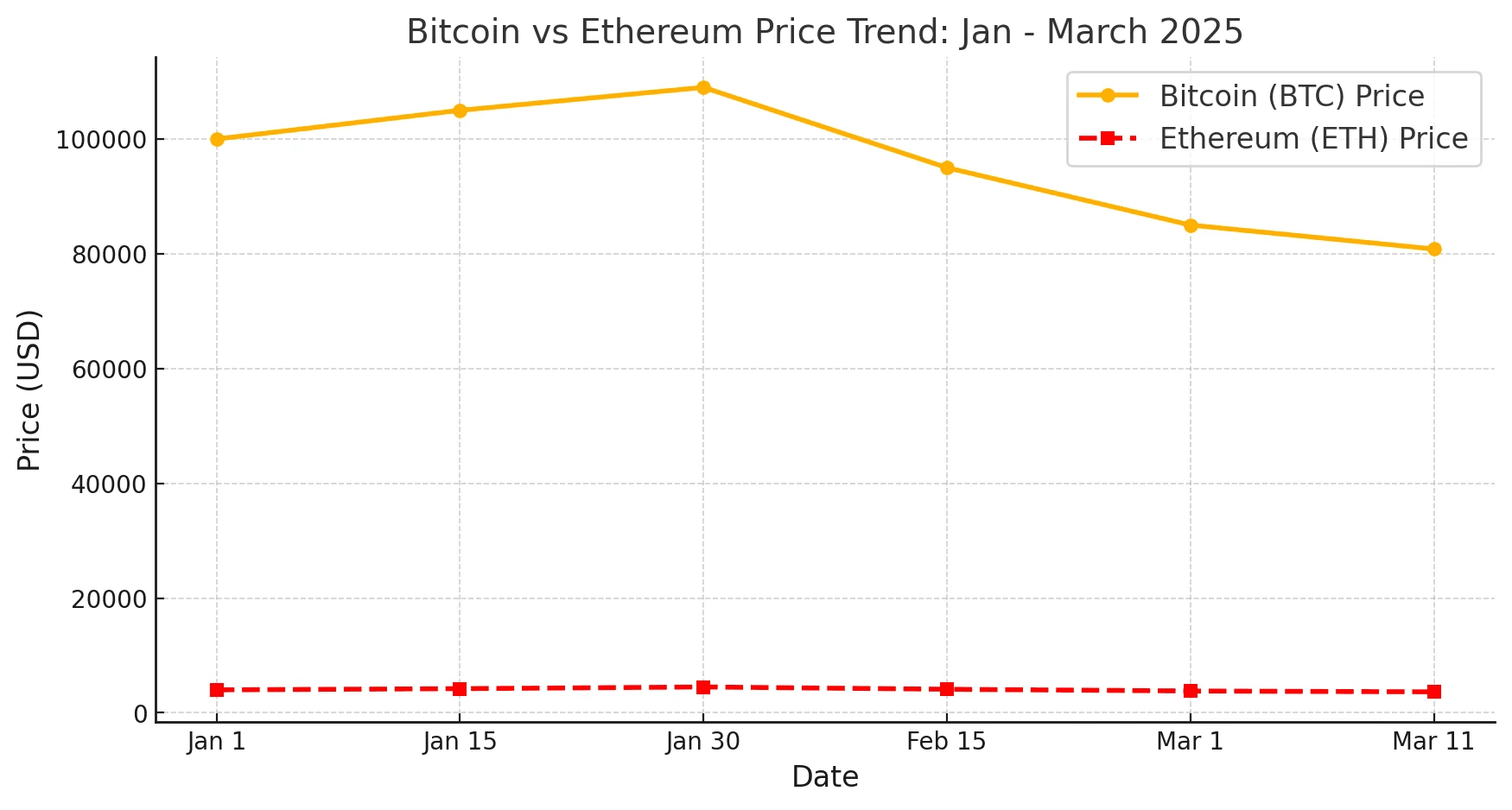
Bitcoin's recent price pullback reflects a combination of profit-taking, reduced institutional demand, shifts in investor sentiment, and macroeconomic factors. Although the decline may cause short-term instability, historical trends show that similar corrections have occurred before major price increases in previous bull markets. Investors should stay informed, analyze the market situation, and adopt a strategic approach to navigate the current landscape effectively.