
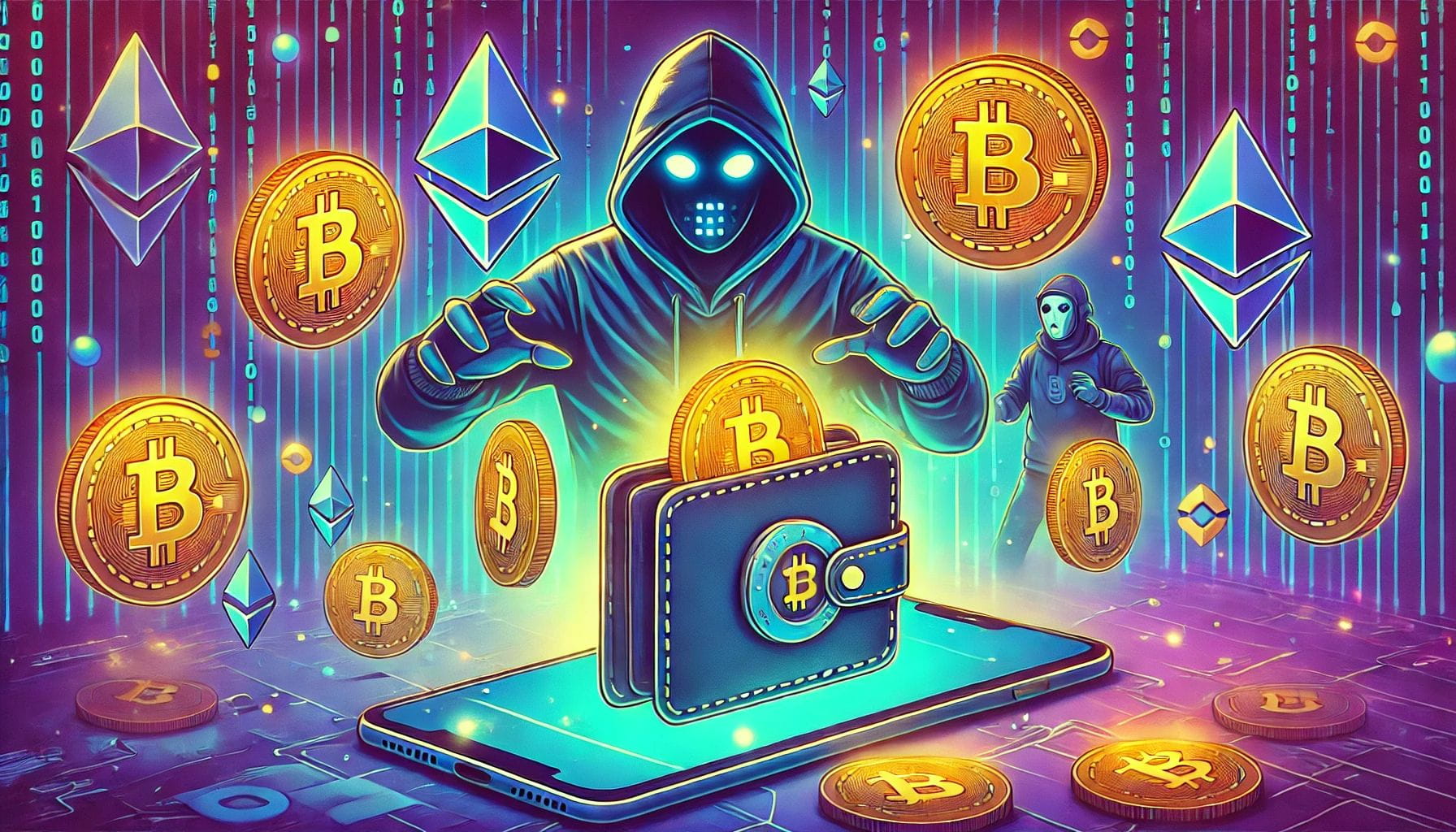
The biggest crypto theft case in history just happened! A total of $1.5 billion worth of Ethereum disappeared from B*bit in a hacker attack that shocked the crypto industry. This incident serves as a harsh reminder for all crypto investors: security is everything! If you don't want to lose the digital assets that you have worked hard to collect, you need to start caring more about protecting your crypto investments.
In this article, we will discuss five important tips to protect your crypto assets from increasingly smart and aggressive hackers in 2025. Let's pay close attention!
1. Use a Secure Wallet (Hardware Wallet is Better!)
One of the biggest mistakes crypto investors make is storing all their assets on exchanges without considering the risk of hacking. Remember, exchanges are not the best places to store crypto long-term!
The best solution? Use a hardware wallet!
Hardware wallets like Ledger or Trezor are the safest options because your private keys are stored offline, out of reach of hackers. Some advantages of hardware wallets over regular wallets:
Private keys stored offline → Cannot be hacked online.
High-level security → Protection against malware and phishing.
Multi-crypto support → Can store various types of coins.
If you're still hesitant to invest in hardware wallets, at least use non-custodial wallets like MetaMask or Trust Wallet. Also, make sure to write down your seed phrase in a safe place and never share it with anyone!
2. Enable 2FA (Two-Factor Authentication) on All Crypto Accounts
Never underestimate the power of Two-Factor Authentication (2FA)! Many people lose their crypto because they forget to activate this feature on their exchange or wallet accounts. With 2FA, even if hackers manage to get your password, they still need an additional verification code to log in.
The best tips for 2FA:
Use Google Authenticator or Authy, don't use SMS (SMS can be intercepted or hijacked).
Don't use the same password across multiple accounts.
Backup your 2FA recovery codes in a safe place.
Enable 2FA on all your crypto-related accounts, including exchanges, wallets, and connected emails. Don't be lazy, this small step can save your assets from hackers!
3. Be Wary of Emails & Fake Calls Asking for Sensitive Data
Phishing scams are becoming more sophisticated year by year. Many crypto investors lose their assets not because exchanges were hacked, but because they were tricked by fake emails or calls.
Some common phishing tactics:
Fake emails impersonating exchanges → Ask you to log in through a fake link.
Phone calls from fake "customer support" → Ask for 2FA codes or seed phrases.
Fake airdrops or giveaways → Ask you to send crypto first to receive a "reward."
How to avoid it?
Never click on links from suspicious emails or messages!
Always check the website URL before logging in (make sure it's HTTPS and the official domain is correct).
Never share sensitive information like seed phrases or 2FA codes with anyone.
Always remember, official exchanges or wallets will never ask for your personal information directly!
4. Choose a Secure & Trusted Exchange (Don't Just Sign Up!)
Don't just choose an exchange because of low fees or a cool appearance. The security of the exchange should be the top priority! Many exchange platforms are still vulnerable to hacker attacks, or worse, they could be scams that run away with users' funds.
Tips for choosing a secure exchange:
Check the reputation and track record of the exchange → Avoid platforms that often get hacked.
Make sure there are complete security features → Such as 2FA, cold storage, and insurance funds.
Look at regulations and compliance → Exchanges regulated by financial authorities are safer.
One of the exchanges that has proven to be safe and trustworthy is Binance. Binance has a world-class security system, an insurance fund (SAFU), and has been widely used by professional traders around the world. If you don't have an account yet, you can sign up here: Binance
5. Stay Updated with the Latest Cyber Threats & Security Practices
The crypto world is evolving rapidly, as are its security threats. Hackers are always looking for new ways to steal crypto assets, so we as investors must also stay updated with the latest news.
How to stay updated?
Follow the official Twitter or Telegram accounts of exchanges and crypto projects.
Read crypto news from trusted sources like CoinDesk, Cointelegraph, or Decrypt.
Join active crypto communities that discuss security.
Follow updates from the wallet developers you use.
Additionally, make sure to regularly check the security settings on all your crypto accounts. If there are new security features, enable them immediately!
Conclusion
No system is 100% hacker-proof, but with the steps above, you can minimize the risk of losing your crypto assets. Remember, crypto security is a personal responsibility, don't just trust anyone or any platform without doing your research first.
In short:
✅ Use a hardware wallet or non-custodial wallet.
✅ Enable 2FA on all crypto accounts.
✅ Don't easily trust emails or phone calls asking for personal data.
✅ Choose an exchange with a good reputation, like Binance.
✅ Stay updated with cyber threats and developments in crypto security.
Take good care of your assets, because in the crypto world, once lost, they can't be refunded! Stay safe & happy investing! 🚀