


Sonic is a Layer 1 blockchain compatible with the Ethereum Virtual Machine (EVM), featuring ultra-fast transaction processing capabilities, processing over 10,000 transactions per second (TPS), and achieving sub-second transaction confirmation. Its goal is to provide developers with robust infrastructure and attractive reward mechanisms to promote the development of decentralized applications (DApps).
Characteristics and Technical Foundation of Sonic
Sonic has extremely high transaction throughput, capable of supporting over 10,000 transactions per second, with transaction confirmation times of less than 1 second, providing a smoother user experience for decentralized applications. Additionally, Sonic seamlessly connects with Ethereum, offering secure cross-chain bridging capabilities through Sonic Gateway, enabling decentralized interoperability with the Ethereum ecosystem.
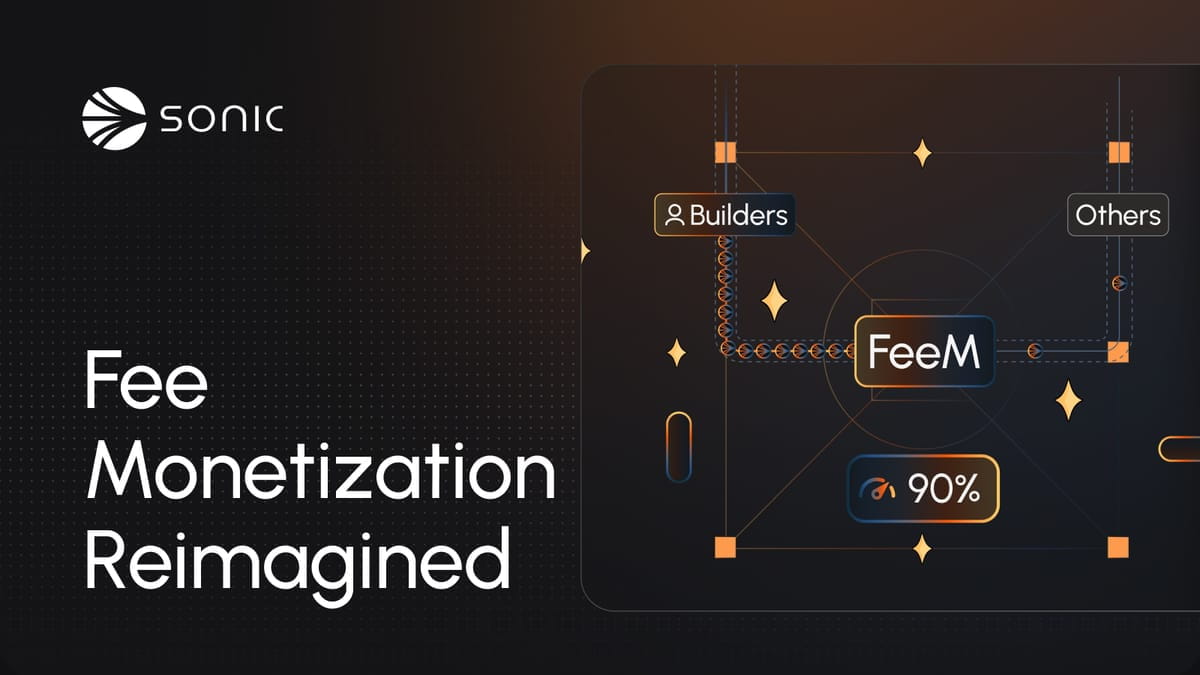
Sonic has adopted an innovative revenue-sharing mechanism; through the Fee Monetization (FeeM) model, developers can earn up to 90% of the network transaction fee revenue, similar to the advertising revenue-sharing model of traditional Web2 platforms, significantly enhancing developers' profit opportunities. Sonic Gateway provides a decentralized cross-chain solution, ensuring the secure transfer of assets between different chains. If the gateway fails to operate within 14 days, users can retrieve their assets on Ethereum, further enhancing asset security.
Sonic has also adopted Carmen data storage technology, significantly reducing on-chain storage requirements, decreasing node storage needs from 2000GB to 300GB, while historical data storage needs have dropped from 11TB to 1TB, greatly enhancing network operational efficiency.
The Predecessor and Transformation of Sonic
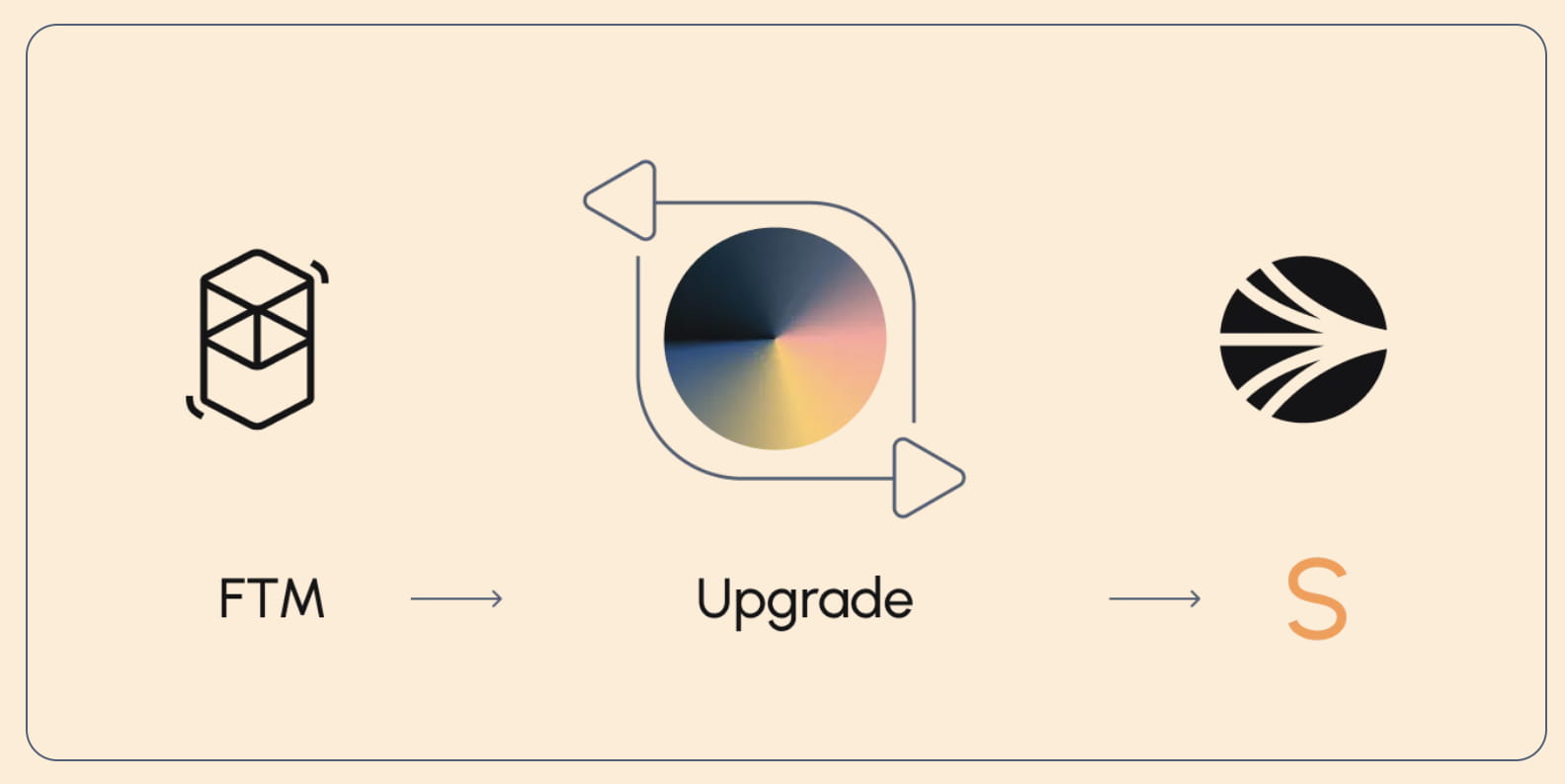
Sonic's predecessor is Fantom (FTM), which was a popular Layer 1 blockchain in the DeFi space. Fantom was created by Andre Cronje (the DeFi father) and others, becoming a key player in the DeFi boom of 2021 due to its high performance and low transaction fees. However, with increasing market competition, Fantom faced issues such as the hack of the cross-chain bridge Multichain, affecting its ecosystem development. To meet these challenges, the Fantom team decided to undergo a technical upgrade and rebranding, launching Sonic and introducing a new token $S to replace $FTM.

This transformation brings technological upgrades, a revolution in developer incentive mechanisms, and stronger Ethereum compatibility, making Sonic the infrastructure for the new generation of DeFi and blockchain applications.
Core Team of Sonic
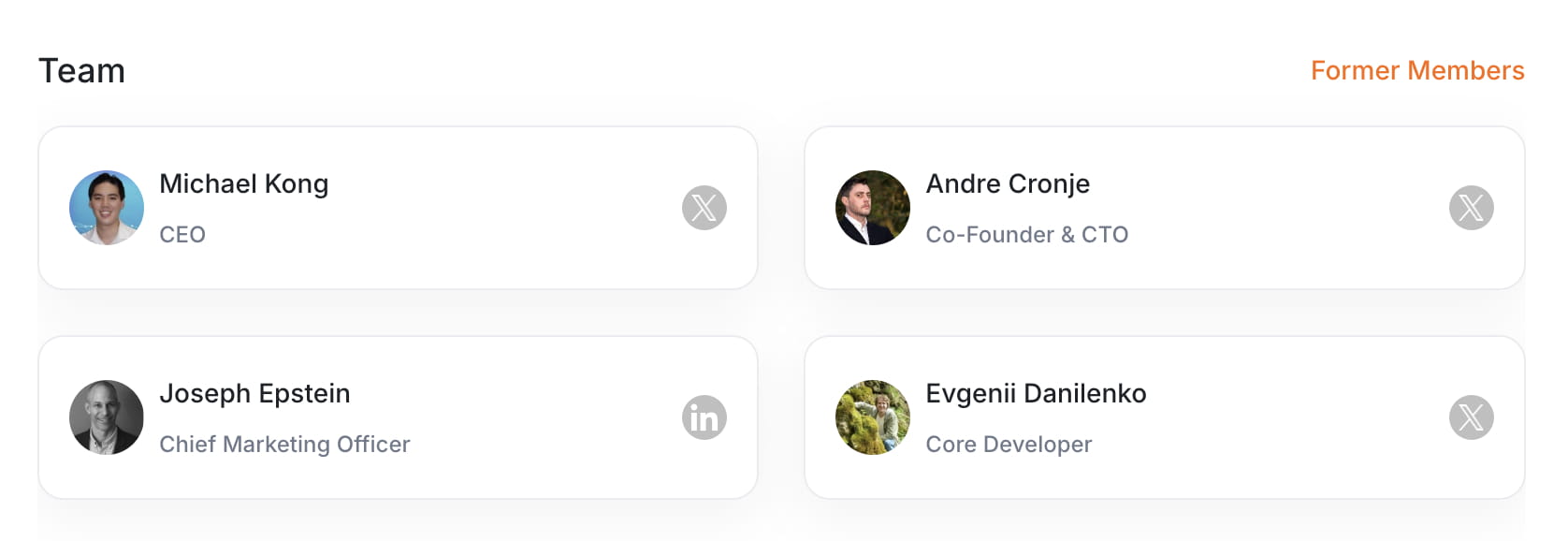
Sonic is developed by Sonic Labs (formerly Fantom Foundation), with core team members including Andre Cronje, who is the co-founder and CTO of Sonic and a legendary developer in the DeFi field. Additionally, Michael Kong serves as the CEO, responsible for strategy and technical development, Joseph Epstein serves as the CMO, responsible for promotion and ecosystem expansion, while core developer Evgenii Danilenko is in charge of network architecture and smart contract optimization. Sonic has also received support from several well-known investment institutions, such as Paradigm, Jump Trading, SoftBank, Aave, and Alameda Research.
Sonic's Locked Value and Market Heat
Currently, Sonic's total locked value (TVL) has surpassed $679 million, growing 125% this month, indicating a surge of users and projects entering the Sonic ecosystem, particularly to participate in airdrop events. This wave of enthusiasm is not only due to Sonic's technological advantages but also closely related to its generous incentive programs.

How to participate in Sonic airdrops?
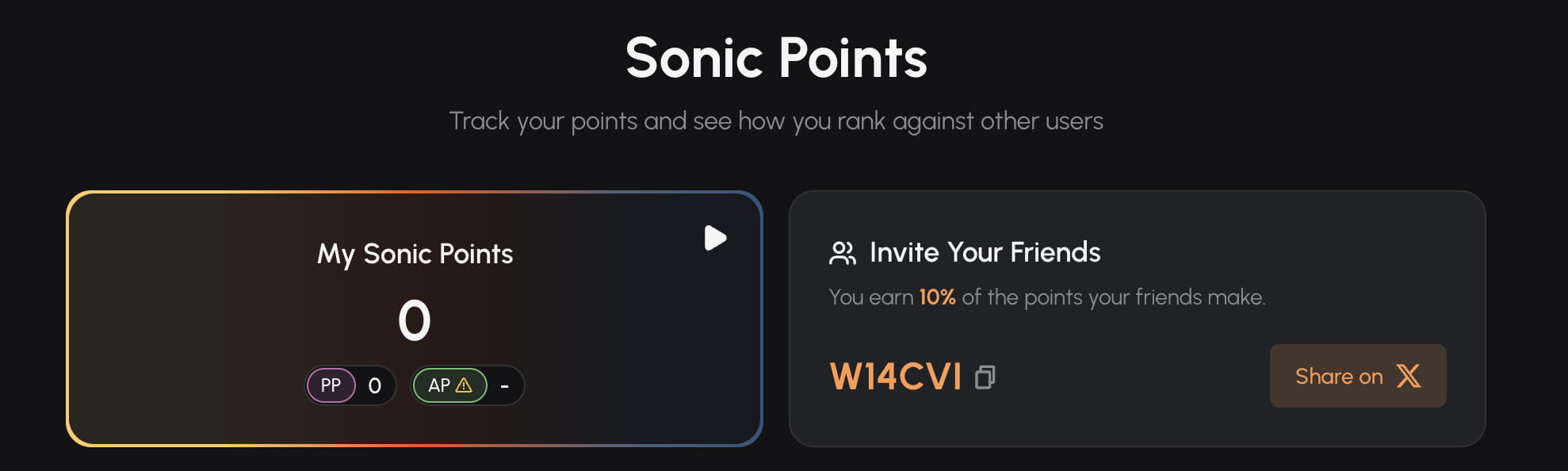
Sonic plans to distribute 190.5 million $S tokens through airdrops, mainly targeting developers and early users. Methods to participate in the airdrop include the Sonic Points program, where holding FTM tokens and swapping them 1:1 for $S can earn additional points. Moreover, providing liquidity to DEX on the Sonic chain or transferring assets through Sonic Gateway can also earn airdrop rewards.
Sonic Gems is a reward mechanism designed specifically for developers, allowing them to earn Sonic Gems by deploying applications and gaining more rewards by driving user participation. Developers creating DeFi, NFT, and GameFi applications can also obtain these rewards.
Sonic has also launched the Sonic Arcade airdrop program, suitable for beginners to participate. Players can connect their wallets to participate in daily tasks, such as trading, joining liquidity pools, etc., to accumulate Sonic Arcade points and unlock airdrop eligibility.
Notable Sonic Ecosystem Projects Worth Participating In
Currently, there are several popular projects in the Sonic ecosystem for users to participate in and obtain airdrop rewards. Among them, Shadow Exchange, as Sonic's native decentralized exchange (DEX), employs an innovative x(3,3) mechanism to enhance the earnings of liquidity providers. Currently, the TVL of Shadow Exchange has surpassed $120 million, with trading volume continuously increasing.
Silo Finance is the largest lending protocol within the Sonic ecosystem, with a TVL of $232 million, supporting Sonic tokens as collateral, and offering highly competitive interest rates. Additionally, Metropolis provides automated liquidity management, enhancing capital efficiency, and recently its token $METRO has surged over 672%, attracting considerable market attention.
In the gaming domain, Sacra RPG is a dark fantasy RPG game within the Sonic ecosystem, emphasizing complete on-chain functionality. Recently, it has attracted a large number of GameFi players, with trading volume accounting for 25% of the Sonic ecosystem. Additionally, Sonic is also holding a Meme coin competition where the top 10 Meme coin holders can share 1 million OS tokens, with well-known Meme coins such as $DERP, $GOGLZ, and $INDI receiving significant market attention.

Summary
As an upgraded version of Fantom, Sonic has become a new focus in the DeFi space through technological improvements and a brand-new incentive mechanism. Its high throughput, rapid transaction confirmation, and decentralized cross-chain capabilities provide developers and users with an unprecedented experience. With Sonic's locked value significantly increasing and airdrop programs driving ecosystem expansion, whether Sonic can become the new leader of Layer 1 is certainly something to look forward to.