
Nasreddin Hassan
57 Posts

Nasreddin Hassan
Report
Block User
Open Trade
Occasional Trader
1.9 Years
0 Following
118 Followers
157 Liked
Posts
Portfolio
All
Quotes
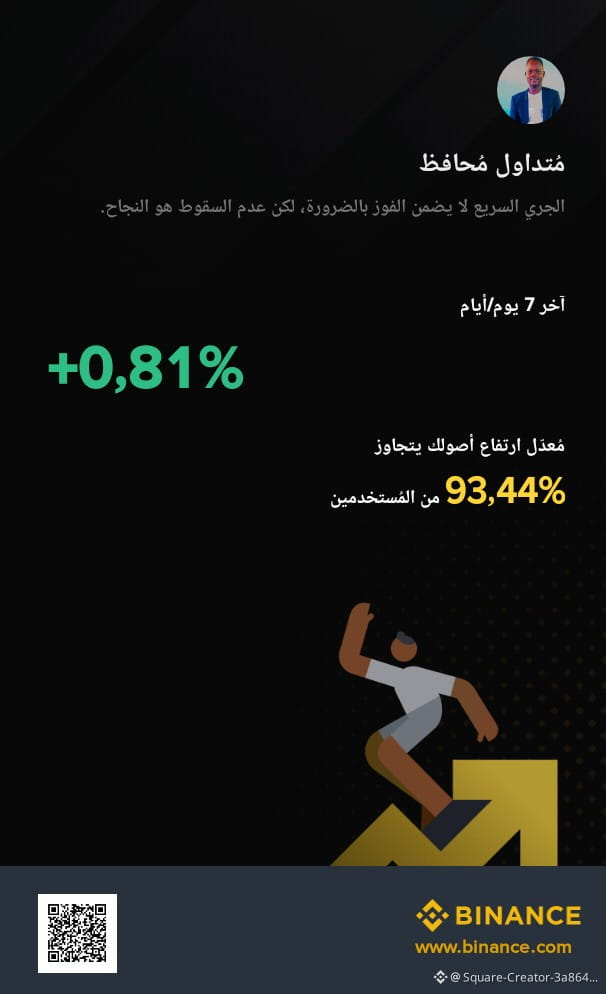
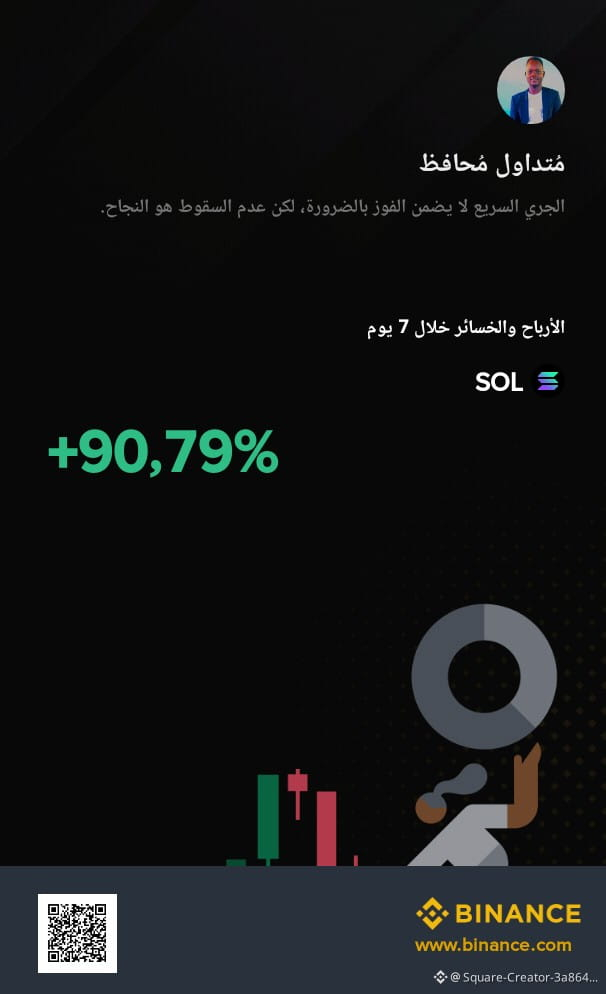
Promise us again on this platform #OndoFinanceFounderPassesAway
Promise us again on this platform #OndoFinanceFounderPassesAway
7
Trezor announced the launch of a new security update that provides advanced protection for its digital wallets against the risks of quantum computing.
The company stated that the new firmware version is 3.0, and it relies on post-quantum encryption techniques officially approved by the U.S. National Institute of Standards and Technology.
This update comes at a time when warnings are escalating about the potential of future quantum computers to break traditional encryption systems used to protect digital assets.
Trezor confirmed that the integration of the new algorithms was done in collaboration with international encryption experts, and after completing testing on the hardware and supporting devices.
This development represents an advanced step in the race to secure cold wallets, reflecting the shift of some companies from theoretical warnings to practical implementation.
Stay tuned
#Bitcoin
#Digital_Wallets
Trezor announced the launch of a new security update that provides advanced protection for its digital wallets against the risks of quantum computing.
The company stated that the new firmware version is 3.0, and it relies on post-quantum encryption techniques officially approved by the U.S. National Institute of Standards and Technology.
This update comes at a time when warnings are escalating about the potential of future quantum computers to break traditional encryption systems used to protect digital assets.
Trezor confirmed that the integration of the new algorithms was done in collaboration with international encryption experts, and after completing testing on the hardware and supporting devices.
This development represents an advanced step in the race to secure cold wallets, reflecting the shift of some companies from theoretical warnings to practical implementation.
Stay tuned
#Bitcoin
#Digital_Wallets
The company stated that the new firmware version is 3.0, and it relies on post-quantum encryption techniques officially approved by the U.S. National Institute of Standards and Technology.
This update comes at a time when warnings are escalating about the potential of future quantum computers to break traditional encryption systems used to protect digital assets.
Trezor confirmed that the integration of the new algorithms was done in collaboration with international encryption experts, and after completing testing on the hardware and supporting devices.
This development represents an advanced step in the race to secure cold wallets, reflecting the shift of some companies from theoretical warnings to practical implementation.
Stay tuned
#Bitcoin
#Digital_Wallets


24
Trezor has announced the launch of a new security update that provides advanced protection for its digital wallets against the risks of quantum computing.
The company clarified that the new firmware version is three point zero, and relies on post-quantum encryption techniques officially approved by the U.S. National Institute of Standards and Technology.
This update comes at a time when warnings are escalating about the future ability of quantum computers to break traditional encryption systems used to protect digital assets.
Trezor confirmed that the integration of the new algorithms was done in collaboration with international encryption experts, and after successfully testing them at the hardware level and with supporting devices.
This development represents a significant step in the race to secure cold wallets, reflecting the shift of some companies from theoretical warnings to practical implementation.
Stay tuned
#Bitcoin
#Digital_Wallets
Trezor has announced the launch of a new security update that provides advanced protection for its digital wallets against the risks of quantum computing.
The company clarified that the new firmware version is three point zero, and relies on post-quantum encryption techniques officially approved by the U.S. National Institute of Standards and Technology.
This update comes at a time when warnings are escalating about the future ability of quantum computers to break traditional encryption systems used to protect digital assets.
Trezor confirmed that the integration of the new algorithms was done in collaboration with international encryption experts, and after successfully testing them at the hardware level and with supporting devices.
This development represents a significant step in the race to secure cold wallets, reflecting the shift of some companies from theoretical warnings to practical implementation.
Stay tuned
#Bitcoin
#Digital_Wallets
The company clarified that the new firmware version is three point zero, and relies on post-quantum encryption techniques officially approved by the U.S. National Institute of Standards and Technology.
This update comes at a time when warnings are escalating about the future ability of quantum computers to break traditional encryption systems used to protect digital assets.
Trezor confirmed that the integration of the new algorithms was done in collaboration with international encryption experts, and after successfully testing them at the hardware level and with supporting devices.
This development represents a significant step in the race to secure cold wallets, reflecting the shift of some companies from theoretical warnings to practical implementation.
Stay tuned
#Bitcoin
#Digital_Wallets


9
Trezor announced the release of a new security update that provides advanced protection for its digital wallets against the risks of quantum computing.
The company stated that the new firmware version is numbered 3.0, and relies on post-quantum encryption techniques officially approved by the U.S. National Institute of Standards and Technology.
This update comes at a time when warnings are escalating about the future capabilities of quantum computers to break traditional encryption systems used to protect digital assets.
Trezor confirmed that the integration of the new algorithms was done in collaboration with international encryption experts, and after successfully testing them at the hardware level and the supporting devices.
This development represents a significant step in the race to secure cold wallets, and reflects the transition of some companies from theoretical warnings to practical implementation.
Follow us
#Bitcoin
#Digital_Wallets
Trezor announced the release of a new security update that provides advanced protection for its digital wallets against the risks of quantum computing.
The company stated that the new firmware version is numbered 3.0, and relies on post-quantum encryption techniques officially approved by the U.S. National Institute of Standards and Technology.
This update comes at a time when warnings are escalating about the future capabilities of quantum computers to break traditional encryption systems used to protect digital assets.
Trezor confirmed that the integration of the new algorithms was done in collaboration with international encryption experts, and after successfully testing them at the hardware level and the supporting devices.
This development represents a significant step in the race to secure cold wallets, and reflects the transition of some companies from theoretical warnings to practical implementation.
Follow us
#Bitcoin
#Digital_Wallets
The company stated that the new firmware version is numbered 3.0, and relies on post-quantum encryption techniques officially approved by the U.S. National Institute of Standards and Technology.
This update comes at a time when warnings are escalating about the future capabilities of quantum computers to break traditional encryption systems used to protect digital assets.
Trezor confirmed that the integration of the new algorithms was done in collaboration with international encryption experts, and after successfully testing them at the hardware level and the supporting devices.
This development represents a significant step in the race to secure cold wallets, and reflects the transition of some companies from theoretical warnings to practical implementation.
Follow us
#Bitcoin
#Digital_Wallets


2
147
If 5 dollars is the best trade, what is it?
If 5 dollars is the best trade, what is it?

eeva_mottanabi
·
--
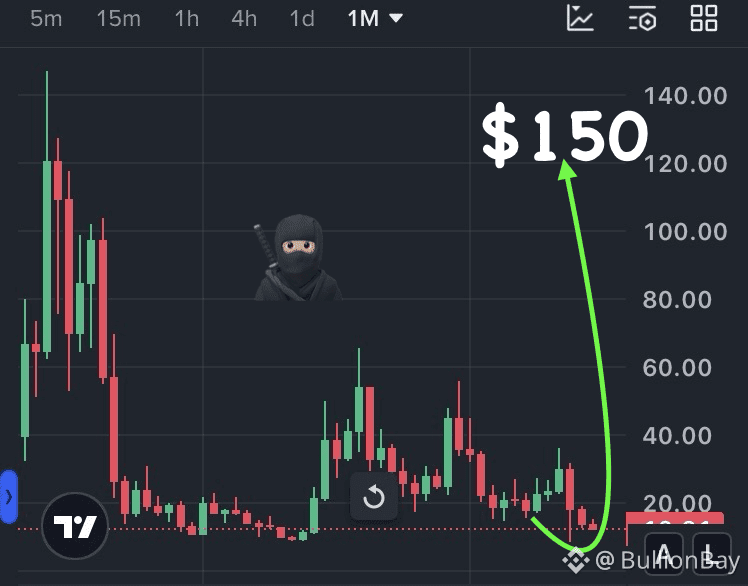
🔥 Hey guys, do you want to turn 10 dollars into more than 100 dollars? 😍💸
$AVAX 150 → 12 🥶
The fear is intense, the trust has vanished - exactly where smart money turns aggressive 🧠
This area screams accumulation + long + rebound 💪
I'm not waiting for comfort - I'm putting in while I feel ugly ⏳
Target → 150🚀
Remember:
The biggest opportunities are born in the greatest fear 🏆
#AVAX
#Binance
$AVAX 150 → 12 🥶
The fear is intense, the trust has vanished - exactly where smart money turns aggressive 🧠
This area screams accumulation + long + rebound 💪
I'm not waiting for comfort - I'm putting in while I feel ugly ⏳
Target → 150🚀
Remember:
The biggest opportunities are born in the greatest fear 🏆
#AVAX
#Binance
3
3
#BinanceBlockchainWeek What do you think today?
#BinanceBlockchainWeek What do you think today?
1
10
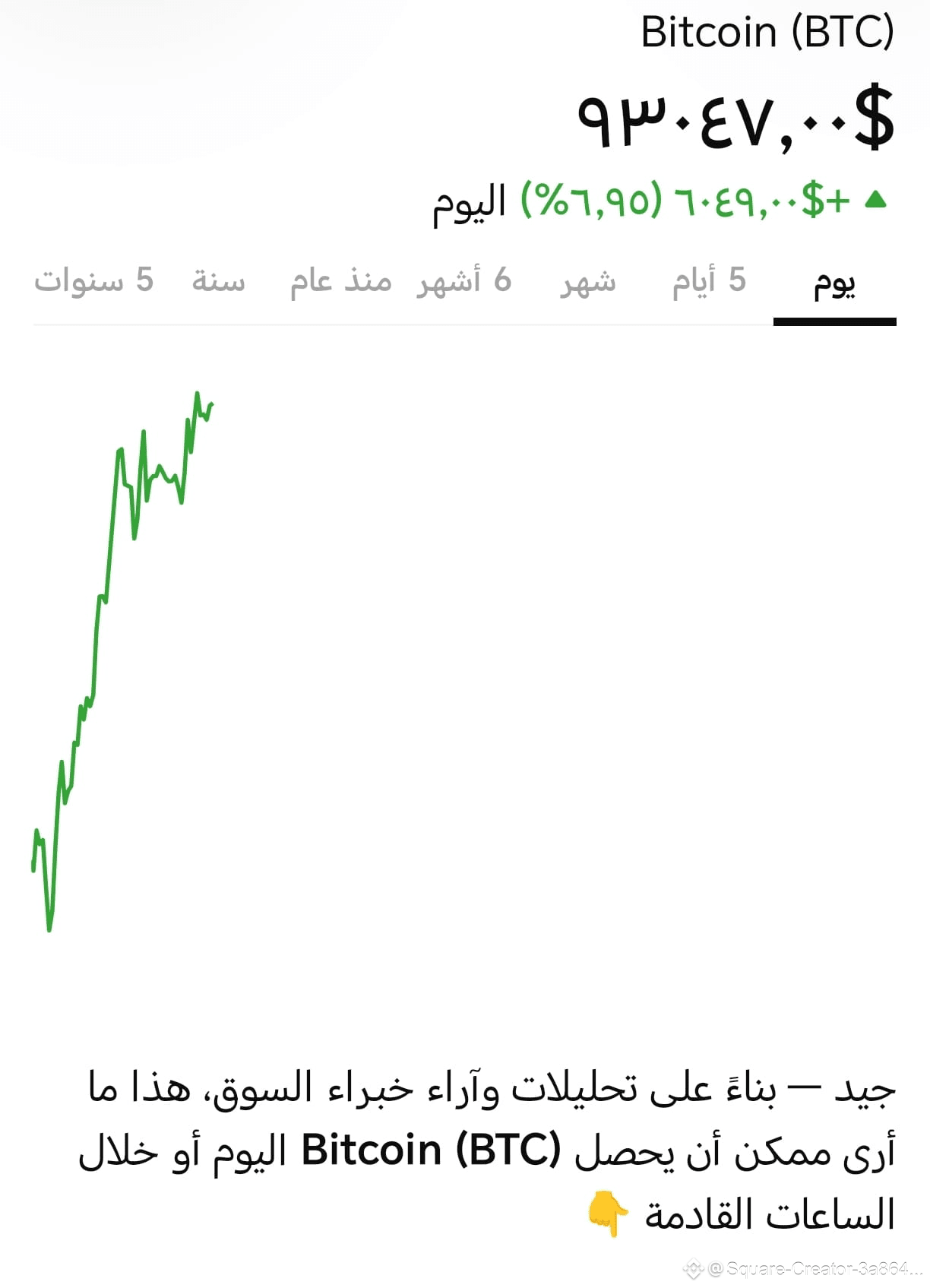
🔎 Today's Bitcoin Forecast
If the price remains above an important support level — around ≈ $85,500–$86,000 — Bitcoin may try to climb to ≈ $87,500–$88,000.
If it succeeds in breaking the next resistance area, it may see a rebound towards ≈ $89,000–$90,000, then potentially attempt towards ≈ $92,000–$93,000.
However, if it fails to hold the support, or selling pressures return — it could see a decline towards ≈ $83,000–$85,000 before any rebound attempt.
⚠️ Probabilities based on the situation
Positive Scenario (Rebound + Resilience): The price fluctuates between ~ $87,000 and $90,000 today, with a chance of touching ~ $92,000.
Neutral Scenario (Stabilization or Fluctuation): The price stays between ~ $85,500 and $88,000 with no strong upward or downward movement.
Negative Scenario (Decline + Selling Pressure): Break of support → potential decline towards ~ $83,000–$84,000.
🔎 Today's Bitcoin Forecast
If the price remains above an important support level — around ≈ $85,500–$86,000 — Bitcoin may try to climb to ≈ $87,500–$88,000.
If it succeeds in breaking the next resistance area, it may see a rebound towards ≈ $89,000–$90,000, then potentially attempt towards ≈ $92,000–$93,000.
However, if it fails to hold the support, or selling pressures return — it could see a decline towards ≈ $83,000–$85,000 before any rebound attempt.
⚠️ Probabilities based on the situation
Positive Scenario (Rebound + Resilience): The price fluctuates between ~ $87,000 and $90,000 today, with a chance of touching ~ $92,000.
Neutral Scenario (Stabilization or Fluctuation): The price stays between ~ $85,500 and $88,000 with no strong upward or downward movement.
Negative Scenario (Decline + Selling Pressure): Break of support → potential decline towards ~ $83,000–$84,000.
If the price remains above an important support level — around ≈ $85,500–$86,000 — Bitcoin may try to climb to ≈ $87,500–$88,000.
If it succeeds in breaking the next resistance area, it may see a rebound towards ≈ $89,000–$90,000, then potentially attempt towards ≈ $92,000–$93,000.
However, if it fails to hold the support, or selling pressures return — it could see a decline towards ≈ $83,000–$85,000 before any rebound attempt.
⚠️ Probabilities based on the situation
Positive Scenario (Rebound + Resilience): The price fluctuates between ~ $87,000 and $90,000 today, with a chance of touching ~ $92,000.
Neutral Scenario (Stabilization or Fluctuation): The price stays between ~ $85,500 and $88,000 with no strong upward or downward movement.
Negative Scenario (Decline + Selling Pressure): Break of support → potential decline towards ~ $83,000–$84,000.
1
164
get used to
get used to

CRYPTO_STAR_PROBNB
·
--
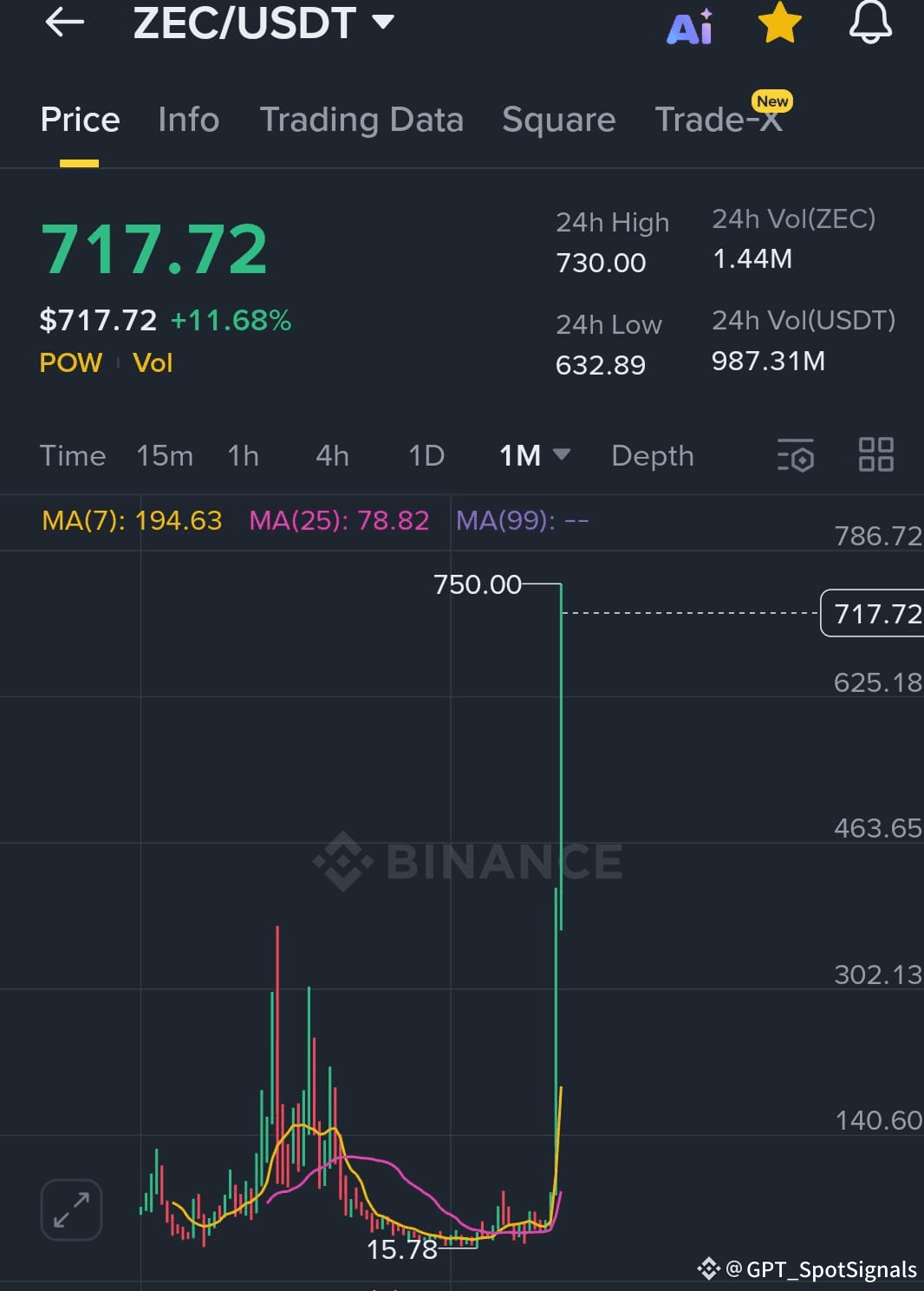
Bullish😭 Hey guys, my experience has been really tough. I bought $ZEC for $15, but I lost my phone and couldn't access my account because I forgot my password. And when I came back, $ZEC had risen to $700 - something I never even imagined. And now, just a huge loss. Losing my phone was bad enough, but this really made things worse.
2
7
·
--
Bullish
The rise in Bitcoin prices is driven by institutional demand more than speculation
By Baturaja Morugabopathi
July 14, 2025, 5:09 PM GMT +2, updated on July 14, 2025
#BinancehodlerSOMI $BNB #
The rise in Bitcoin prices is driven by institutional demand more than speculation
By Baturaja Morugabopathi
July 14, 2025, 5:09 PM GMT +2, updated on July 14, 2025
#BinancehodlerSOMI $BNB #
By Baturaja Morugabopathi
July 14, 2025, 5:09 PM GMT +2, updated on July 14, 2025
#BinancehodlerSOMI $BNB #
2
3
216
Urgent, $57,446 (#BTC 567
USD) has been transferred from Binance#
to an unknown wallet
#المصدر Whale Alert
Urgent, $57,446 (#BTC 567
USD) has been transferred from Binance#
to an unknown wallet
#المصدر Whale Alert
USD) has been transferred from Binance#
to an unknown wallet
#المصدر Whale Alert
4
225
Is the United States stifling blockchain innovation? Texas-based blockchain developer Michael Llewellyn thinks so. And he’s suing the Department of Justice to prove it. In a lawsuit that could have far-reaching consequences for the crypto industry, Llewellyn alleges that the Justice Department’s attempt to classify non-custodial software as unauthorized money transfer is a regulatory overreach. It could deter developers from building the next wave of blockchain applications. With the United States already lagging behind in crypto-friendly policies, the case could drive innovation overseas, fueling concerns that U.S. regulators are pushing the industry away rather than fostering responsible development.
Is the United States stifling blockchain innovation? Texas-based blockchain developer Michael Llewellyn thinks so. And he’s suing the Department of Justice to prove it. In a lawsuit that could have far-reaching consequences for the crypto industry, Llewellyn alleges that the Justice Department’s attempt to classify non-custodial software as unauthorized money transfer is a regulatory overreach. It could deter developers from building the next wave of blockchain applications. With the United States already lagging behind in crypto-friendly policies, the case could drive innovation overseas, fueling concerns that U.S. regulators are pushing the industry away rather than fostering responsible development.

3
610
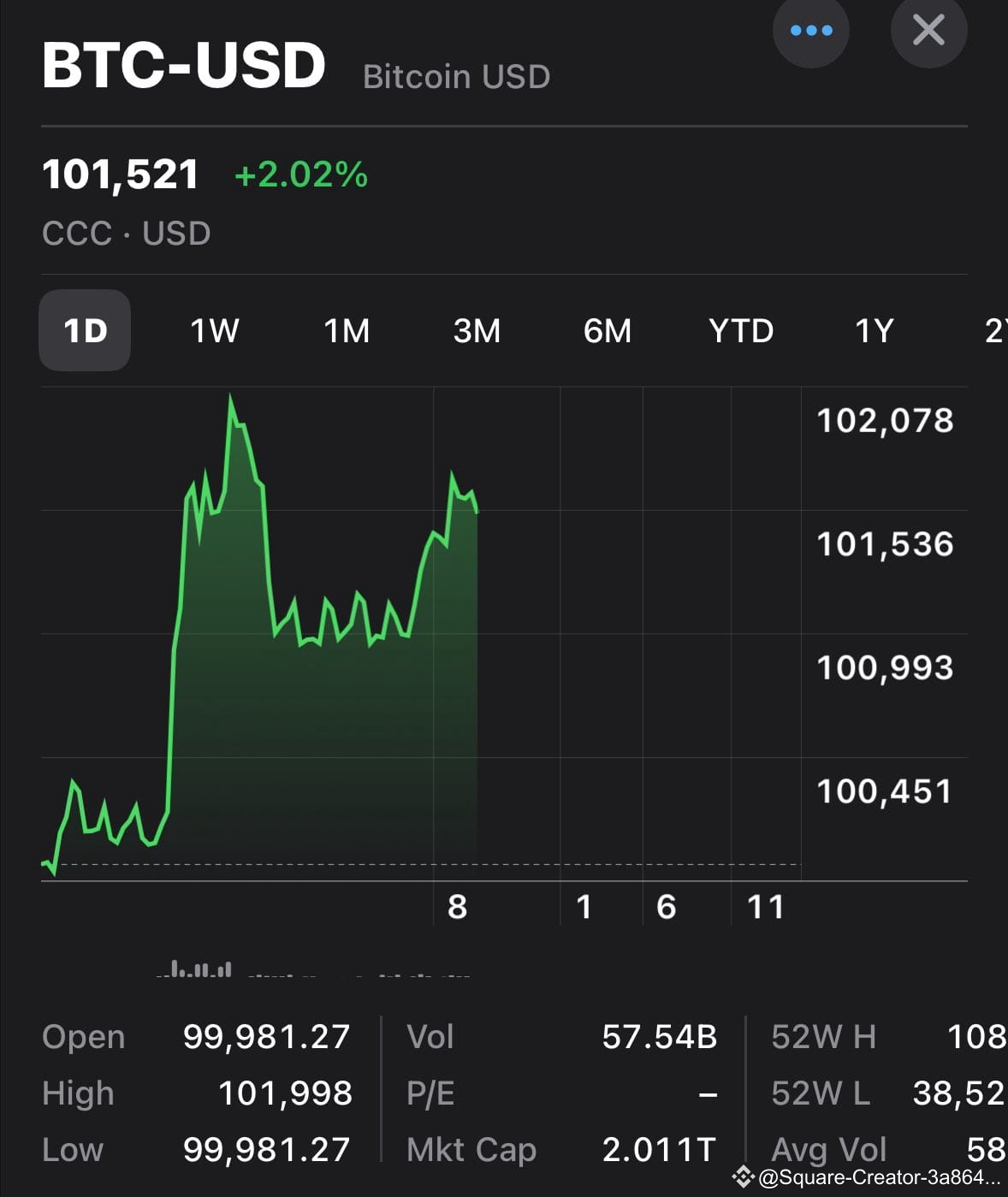
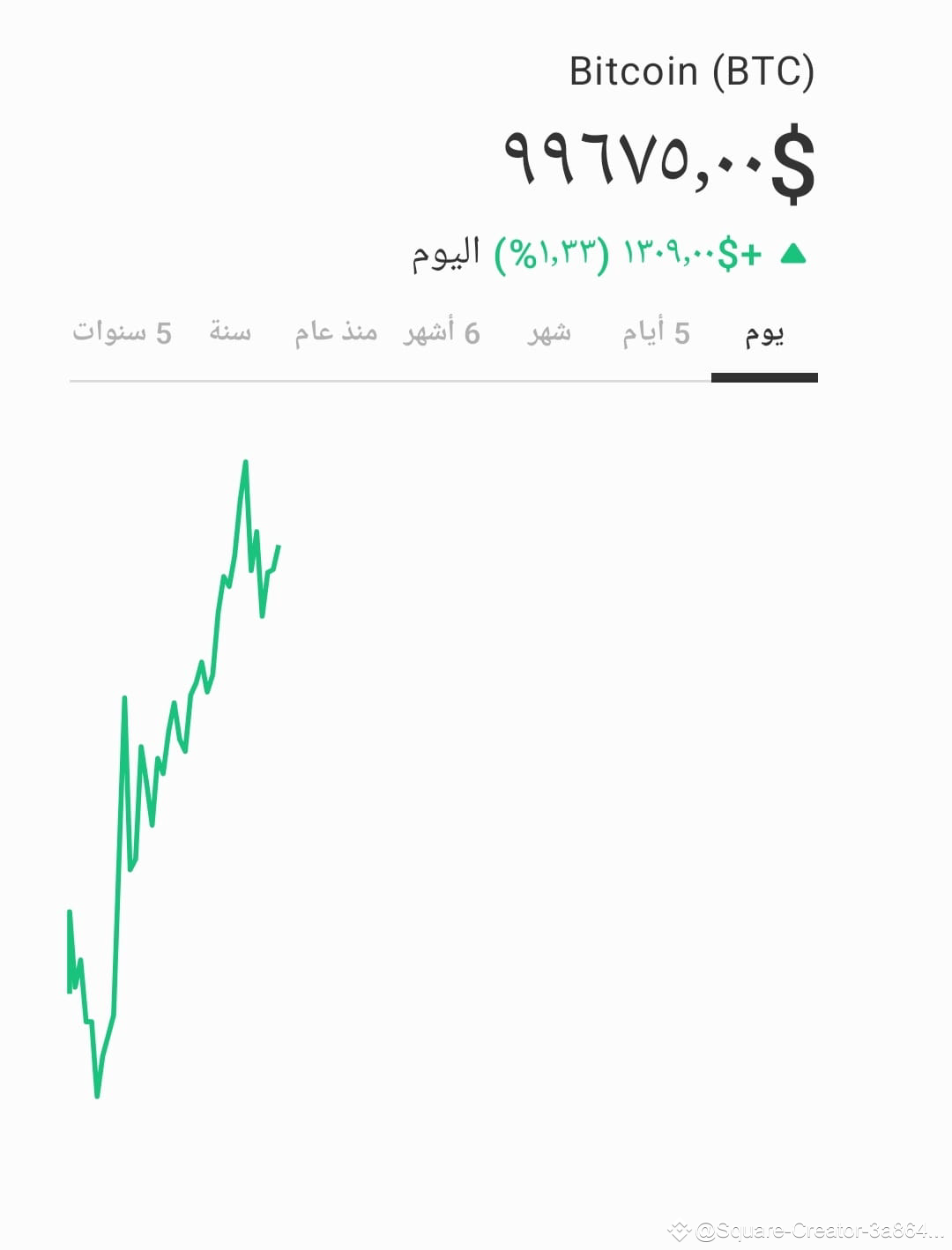
Like the pre-Trump appointment notice that took us from 66k to 80k in a few days!
Here's another note:
Big moves coming
Trump's appointment day is in 3 days
If strong decisions are issued, we may see higher levels +120k dollars
We will bid farewell to under 100k for a long time, some say maybe forever
Like the pre-Trump appointment notice that took us from 66k to 80k in a few days!
Here's another note:
Big moves coming
Trump's appointment day is in 3 days
If strong decisions are issued, we may see higher levels +120k dollars
We will bid farewell to under 100k for a long time, some say maybe forever
Here's another note:
Big moves coming
Trump's appointment day is in 3 days
If strong decisions are issued, we may see higher levels +120k dollars
We will bid farewell to under 100k for a long time, some say maybe forever
11
16k
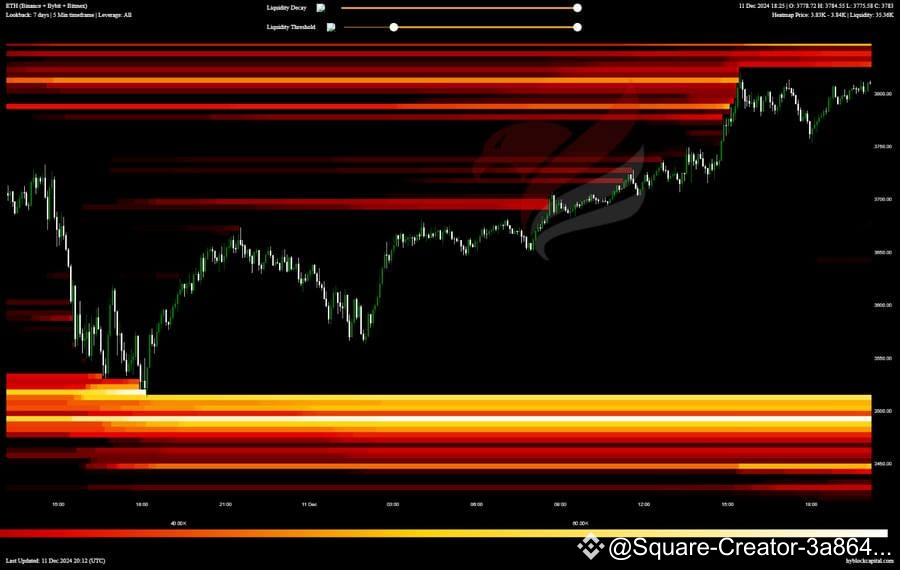
Ethereum rebounded and the currencies followed ✅
The level of 3,500$ has turned into a steel support area. I don't think there will be an attempt to retest it soon.
The drop that occurred two days ago was beneficial for the market to calm the futures market and liquidate the high-leverage owners, and these are things that support the continuation of the rise.
Now, God willing, Ethereum begins its journey to discover new highs. We have strong liquidity available up to the $4,700 level.
Ethereum's move towards that liquidity will be directly positive for altcoins, especially Ethereum coins, God willing.
⚡️⚡️⚡️⚡️⚡️
✈️
Ethereum rebounded and the currencies followed ✅
The level of 3,500$ has turned into a steel support area. I don't think there will be an attempt to retest it soon.
The drop that occurred two days ago was beneficial for the market to calm the futures market and liquidate the high-leverage owners, and these are things that support the continuation of the rise.
Now, God willing, Ethereum begins its journey to discover new highs. We have strong liquidity available up to the $4,700 level.
Ethereum's move towards that liquidity will be directly positive for altcoins, especially Ethereum coins, God willing.
⚡️⚡️⚡️⚡️⚡️
✈️
The level of 3,500$ has turned into a steel support area. I don't think there will be an attempt to retest it soon.
The drop that occurred two days ago was beneficial for the market to calm the futures market and liquidate the high-leverage owners, and these are things that support the continuation of the rise.
Now, God willing, Ethereum begins its journey to discover new highs. We have strong liquidity available up to the $4,700 level.
Ethereum's move towards that liquidity will be directly positive for altcoins, especially Ethereum coins, God willing.
⚡️⚡️⚡️⚡️⚡️
✈️
2
24
What do you think about the future of artificial intelligence in cryptocurrencies 🤔
What do you think about the future of artificial intelligence in cryptocurrencies 🤔
3
146
Log in to explore more content
Join global crypto users on Binance Square
⚡️ Get latest and useful information about crypto.
💬 Trusted by the world’s largest crypto exchange.
👍 Discover real insights from verified creators.
Email / Phone number
Trending Topics
AIStocksWhatNext
141,962 views
1,732 Discussing
Share & Win Traffic Reward in our Trending Hashtag Campaign
✨Topic: What Other Investment Opportunities Remain as AI Stocks Keep Rising?
👉How to Join:
Publish a short post or article with hashtag #AIStocksWhatNext
Share whether you’re bullish or bearish, and post your AI stock holdings or trade — using the trade widget may improve your eligibility.
You can also strengthen your post by sharing data or charts, and avoiding AI-generated images.
✍️Create content based on the below angles:
- Nvidia says chip sales will double next year, and top AI companies keep hitting record revenue, the compute spend behind it is just as staggering. Is AI demand really taking off? And how long can it last? AI stocks are up across the board. Is this a real breakout, or just a short-term bounce?
- Industry leaders are calling to slow down AI development, while Trump plans to build an “AI Force”, claiming AI could account for 25% of U.S. GDP in the future. Whose side are you on? Will state-level backing be a long-term win for AI stocks?
- Are you buying AI stocks? Share your AI-related trade/holdings with our trade sharing widget.
⏰Campaign Period:
- 2026-09-22 7:00 - 2026-09-24 4:00 UTC
🎁Reward:
- Qualified posts that comply with the above guidelines and contain more than 100 words will be reviewed and may receive a random traffic boost of 500 to 3,000 views. You will receive a notification from your feed secretary if your post is selected.
- Get a chance to have your article featured on Binance Square Official
Need ideas for your post? Visit the topic page #AIStocksWhatNext or the Square Guide on How to Post for Better Reach.
Binance Square Official
·252 Likes
·475.1k views
BitcoinBreaksAboveMayHighNears$86K
3,831 views
72 Discussing
DogecoinRises15%
9,516 views
417 Discussing