
CoinQuest
25.1k Posts
CoinQuest
 Square Verified+
X(Twitter):@CQuestOfficial_

#BinanceTurns7

Top Voices
High-Frequency Trader
3.5 Years
385 Following
125.3K+ Followers
227.5K+ Liked
2 Badges
Posts
All
Quotes
Videos
Live
Verified
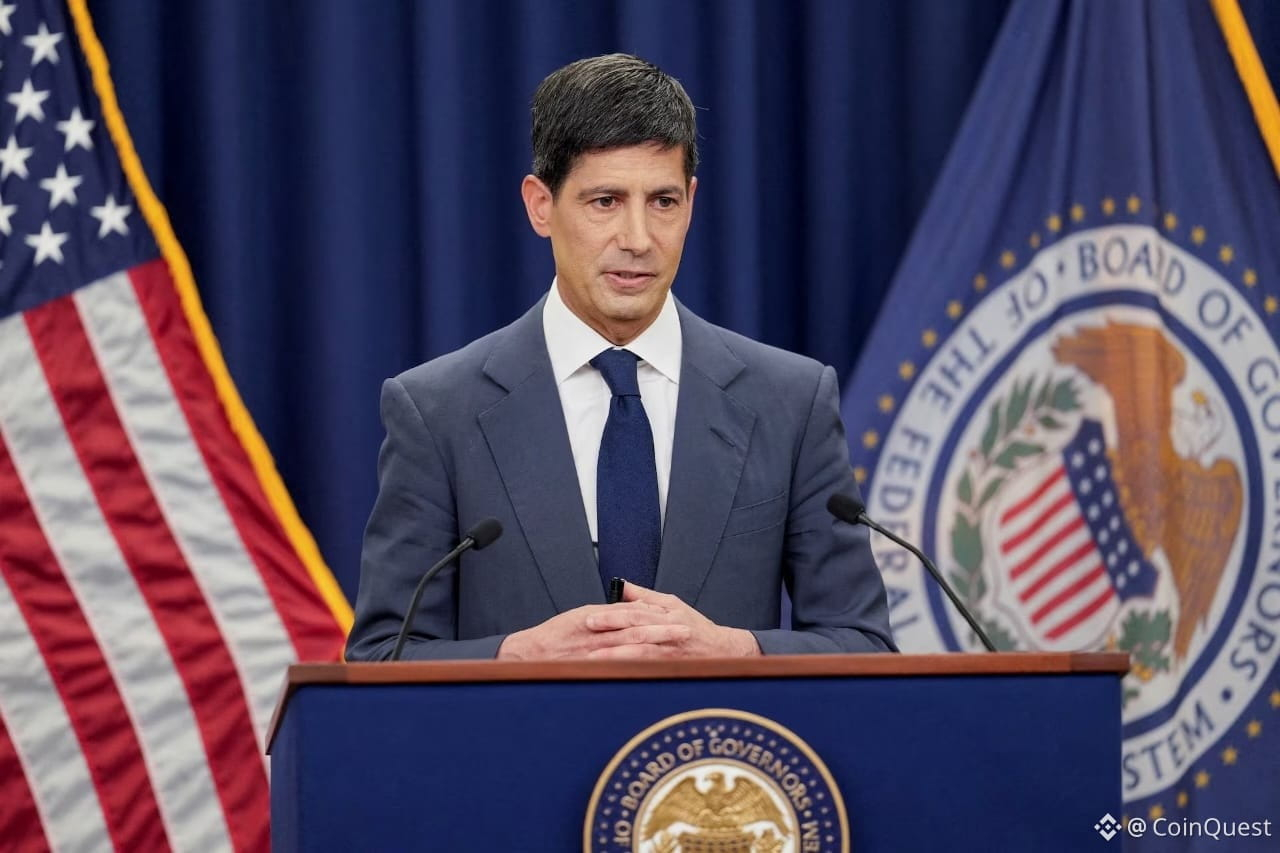
🚨 BIG DATA DROP TODAY 🇺🇸
US PCE Inflation at 8:30 AM ET
🇵🇰 5:30 PM Pakistan Time
Previous 3.7%
Forecast 3.6%
📈 Above 3.6% → Pressure on crypto
📉 Below 3.6% → Boost for crypto
$BTC could get volatile ⚡
Eyes on PCE 👀
US PCE Inflation at 8:30 AM ET
🇵🇰 5:30 PM Pakistan Time
Previous 3.7%
Forecast 3.6%
📈 Above 3.6% → Pressure on crypto
📉 Below 3.6% → Boost for crypto
$BTC could get volatile ⚡
Eyes on PCE 👀
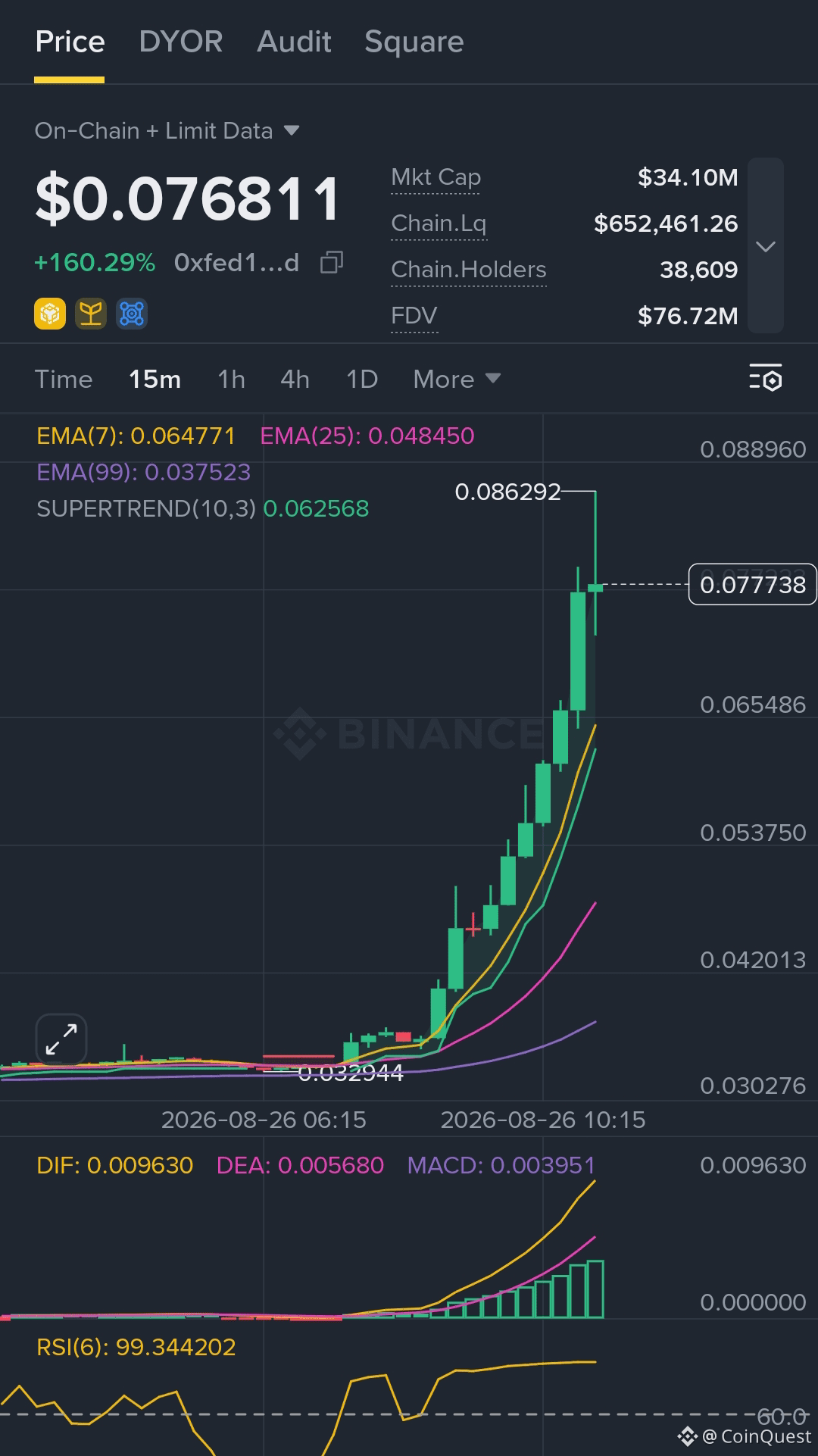
$BTR Short Signal Alert💯
Entry : Now at Market price
TP : 0.070,0.065 ,0.060
SL : 0.095 ( To be safe from Wick Liquidations )
#BTR
Entry : Now at Market price
TP : 0.070,0.065 ,0.060
SL : 0.095 ( To be safe from Wick Liquidations )
#BTR
Okay....so I actually read through one of Dusk's release cycle updates instead of skimming the headline, and ngl there's more happening under the hood than most people posting about this project seem to realize.
They just added support for contracts to handle state sizes up to 4TB (up from 4GB). That's not a flashy feature, but it basically means the network isn't going to hit a wall as usage scales up which is the kind of unsexy infrastructure work that either gets done early or becomes a huge problem later.
They also got their first Rust-only cluster running, which is a real step toward letting outside devs spin up their own Dusk network instances instead of relying only on the core team's setup.
None of this trends. All of it matters more than most price talk does.
Which part of Dusk's tech matters most to you?
#BinanceSquare #dusk $DUSK @Dusk
They just added support for contracts to handle state sizes up to 4TB (up from 4GB). That's not a flashy feature, but it basically means the network isn't going to hit a wall as usage scales up which is the kind of unsexy infrastructure work that either gets done early or becomes a huge problem later.
They also got their first Rust-only cluster running, which is a real step toward letting outside devs spin up their own Dusk network instances instead of relying only on the core team's setup.
None of this trends. All of it matters more than most price talk does.
Which part of Dusk's tech matters most to you?
#BinanceSquare #dusk $DUSK @Dusk
4TB contract scaling Piecrust
Devs running their own network
DuskEVM / Hedger privacy layer
NPEX RWA partnership
6 day(s) left
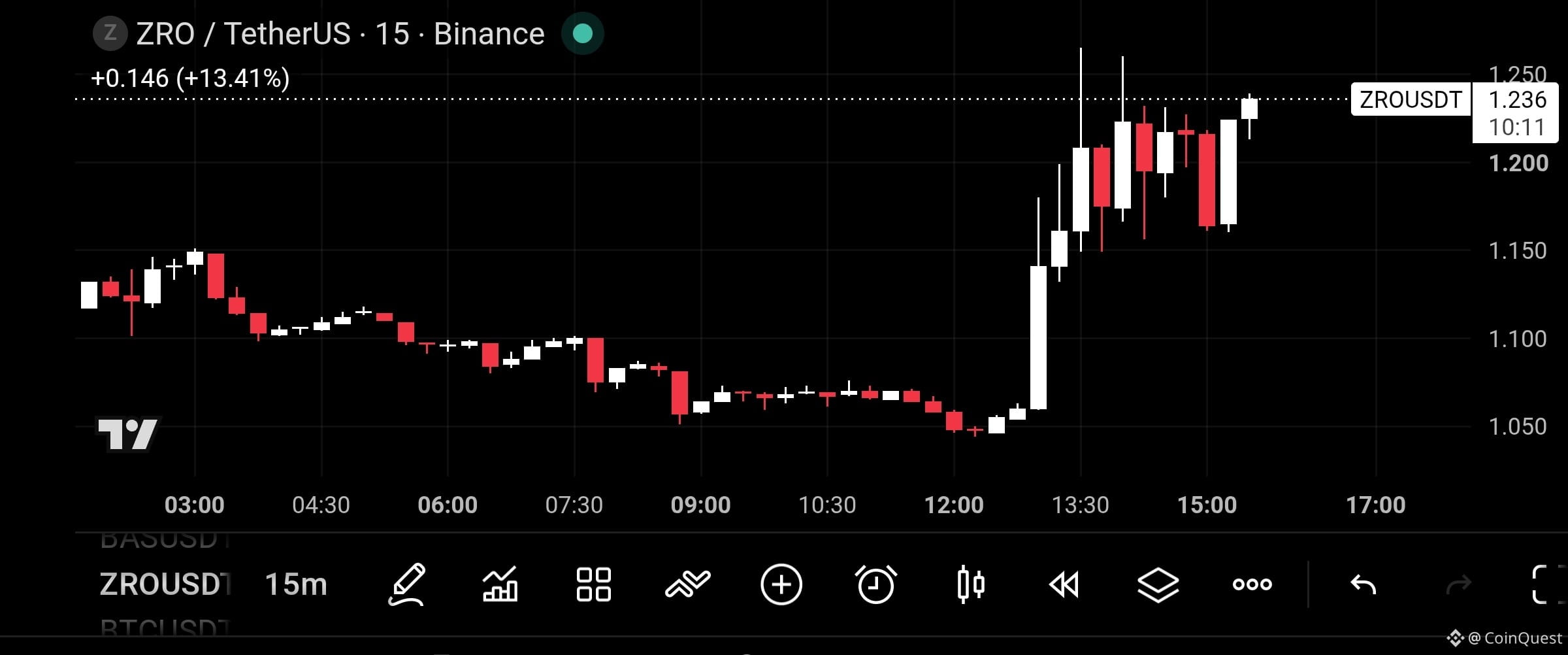
🚨 $ZRO TO $2 OR JUST ANOTHER TRAP? 👀
$ZRO is looking strong here. Breakout coming?
Entry: $1.15–$1.20
🎯 TP: $1.25 / $1.30 / $1.40
🛑 SL: $1.05
Can $ZRO reach $2? 🔥
#ZROUDT #BinanceSquare #KazakhstanCutsOilOutputForecastTo96MTons
$ZRO is looking strong here. Breakout coming?
Entry: $1.15–$1.20
🎯 TP: $1.25 / $1.30 / $1.40
🛑 SL: $1.05
Can $ZRO reach $2? 🔥
#ZROUDT #BinanceSquare #KazakhstanCutsOilOutputForecastTo96MTons
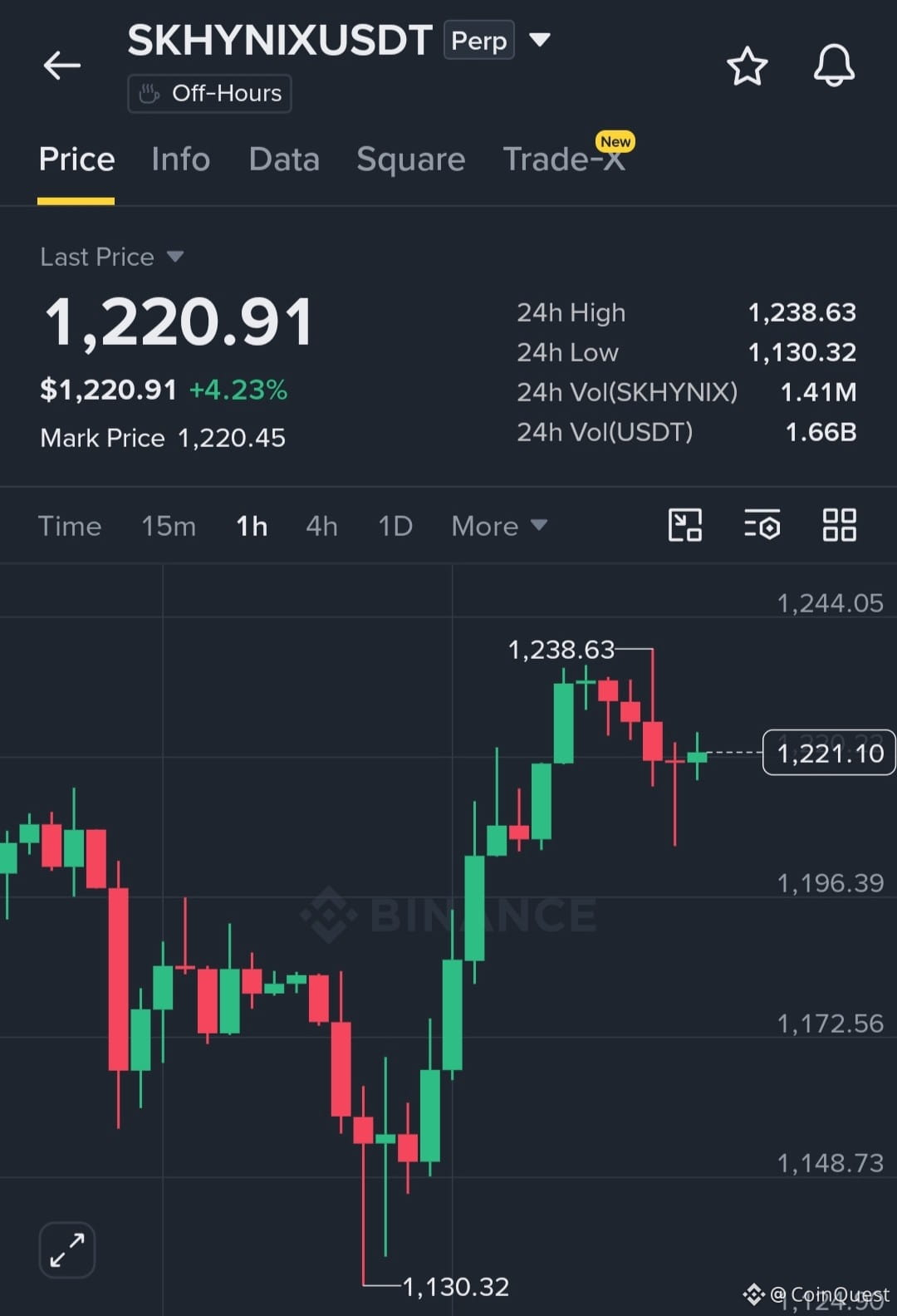
$SKHYNIX is holding the FVG. If bulls defend it, price could retest the highs.
Entry Long: $1,216–$1,220
TP1: $1,240
TP2: $1,260
SL: $1,187.22
Best to wait for confirmation around the FVG instead of chasing the move. 📈
Wait for FVG confirmation before entering. 📈
#SKHYNIX #TradingSignals #Binance
Entry Long: $1,216–$1,220
TP1: $1,240
TP2: $1,260
SL: $1,187.22
Best to wait for confirmation around the FVG instead of chasing the move. 📈
Wait for FVG confirmation before entering. 📈
#SKHYNIX #TradingSignals #Binance
Verified
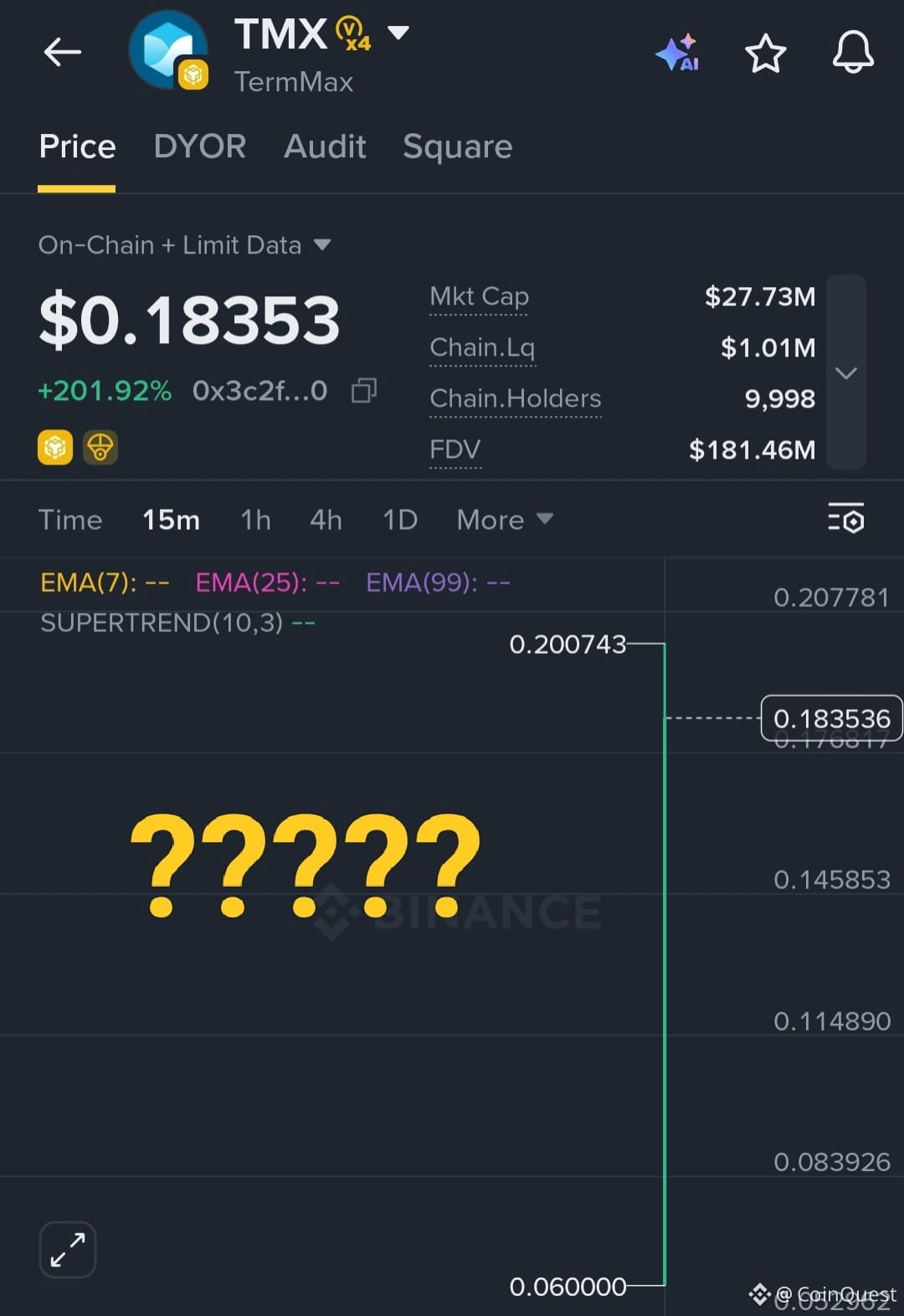
GUYS… $TMX is now live on Binance Alpha
🔥 How much TMX did you manage to earn from CreatorPad? 👀
🔥 How much TMX did you manage to earn from CreatorPad? 👀
Verified
The most exclusive room in finance is not always Wall Street. It’s private markets🤔
For most people, investing in SME equity, small business bonds or early stage financing has traditionally meant facing high minimums, limited liquidity & a lot of paperwork. In practice, access often stays with funds, banks & larger investors.
That’s why Dusk’s recent focus on tokenizing private markets caught my attention.
The idea is not just to put an existing asset on a blockchain. It is to give SMEs a more digital route to raise capital, while creating infrastructure that could make these markets easier to access, manage, and settle over time.
This also connects to Dusk’s work with NPEX, where the broader goal includes bringing regulated assets and SME financing into an onchain environment.
Of course, wider access does not remove risk. Private-market assets can still be illiquid, complex, and harder to value than public-market stocks. But the question is worth asking:
If tokenization made SME and private-market investing more accessible, would you be interested?
$DUSK #dusk @Dusk
Would you invest in tokenized SME/private-market assets?
For most people, investing in SME equity, small business bonds or early stage financing has traditionally meant facing high minimums, limited liquidity & a lot of paperwork. In practice, access often stays with funds, banks & larger investors.
That’s why Dusk’s recent focus on tokenizing private markets caught my attention.
The idea is not just to put an existing asset on a blockchain. It is to give SMEs a more digital route to raise capital, while creating infrastructure that could make these markets easier to access, manage, and settle over time.
This also connects to Dusk’s work with NPEX, where the broader goal includes bringing regulated assets and SME financing into an onchain environment.
Of course, wider access does not remove risk. Private-market assets can still be illiquid, complex, and harder to value than public-market stocks. But the question is worth asking:
If tokenization made SME and private-market investing more accessible, would you be interested?
$DUSK #dusk @Dusk
Would you invest in tokenized SME/private-market assets?
Yes, I’d explore it
100%
Maybe, need more info
0%
No, risk is too high
0%
Prefer public markets
0%
5 votes • Voting closed
Verified
$DUSK #dusk @Dusk
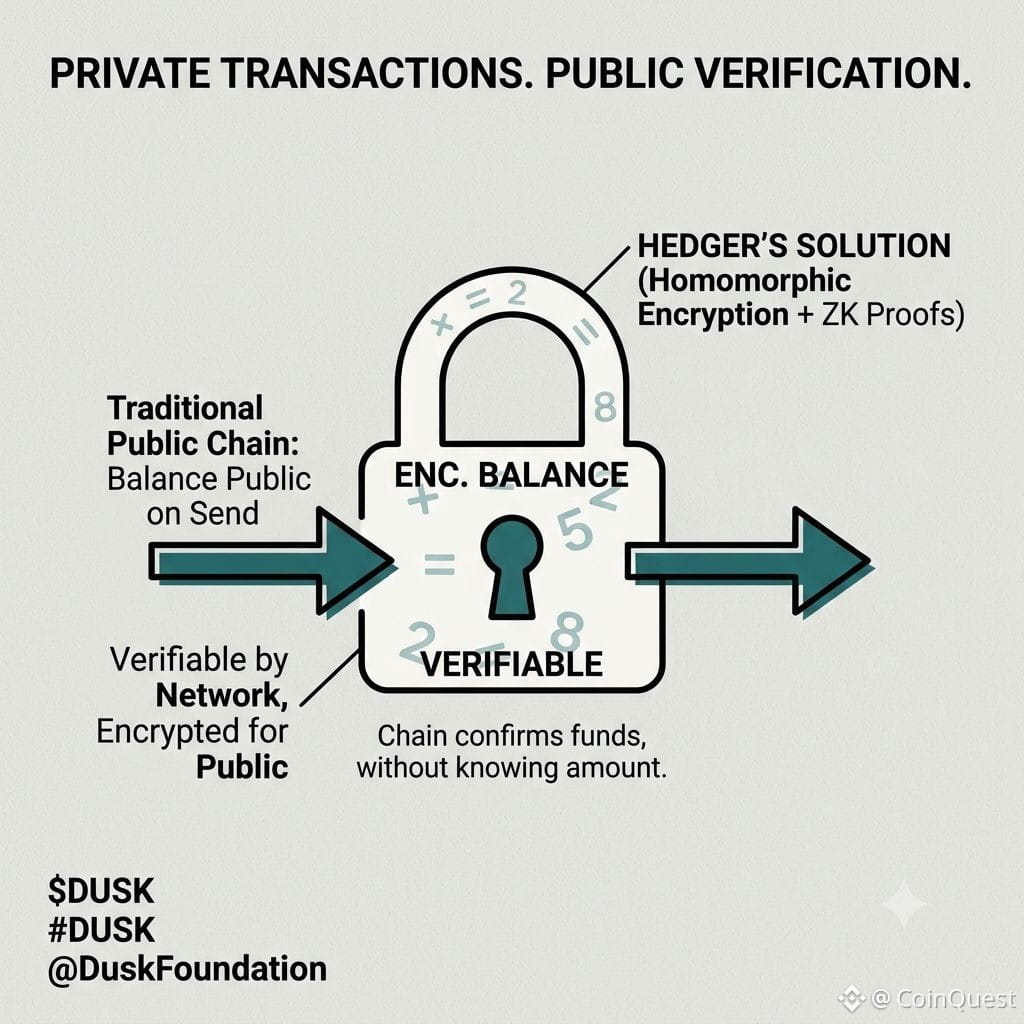
Your balance should not have to become public just because you pressed “send.”
That sounds obvious but on most public blockchains, the moment a transaction happens, the numbers are there for anyone to trace: how much you hold, how much you moved & often where it went.
What caught my attention about Hedger is that it tries to change the rule without removing verification.
It combines homomorphic encryption with zero-knowledge proofs: the balance can stay encrypted, computations can still be performed on those encrypted values, and the network can verify the transaction was valid without seeing the amount itself.
In simple terms: the chain can confirm you have enough funds but it does not need to know your balance to do it.
The part that makes this feel less like a cryptography whitepaper is the user experience. Hedger is built for DuskEVM, so it is designed around familiar EVM flows and tools rather than asking developers to abandon the ecosystem they already use.
That is the real challenge with privacy tech: not just making it mathematically possible but making it practical enough to fit into real applications.
Encrypted for the public. Verifiable for the network. Built for applications that cannot treat user financial data like public content.
Your balance should not have to become public just because you pressed “send.”
That sounds obvious but on most public blockchains, the moment a transaction happens, the numbers are there for anyone to trace: how much you hold, how much you moved & often where it went.
What caught my attention about Hedger is that it tries to change the rule without removing verification.
It combines homomorphic encryption with zero-knowledge proofs: the balance can stay encrypted, computations can still be performed on those encrypted values, and the network can verify the transaction was valid without seeing the amount itself.
In simple terms: the chain can confirm you have enough funds but it does not need to know your balance to do it.
The part that makes this feel less like a cryptography whitepaper is the user experience. Hedger is built for DuskEVM, so it is designed around familiar EVM flows and tools rather than asking developers to abandon the ecosystem they already use.
That is the real challenge with privacy tech: not just making it mathematically possible but making it practical enough to fit into real applications.
Encrypted for the public. Verifiable for the network. Built for applications that cannot treat user financial data like public content.
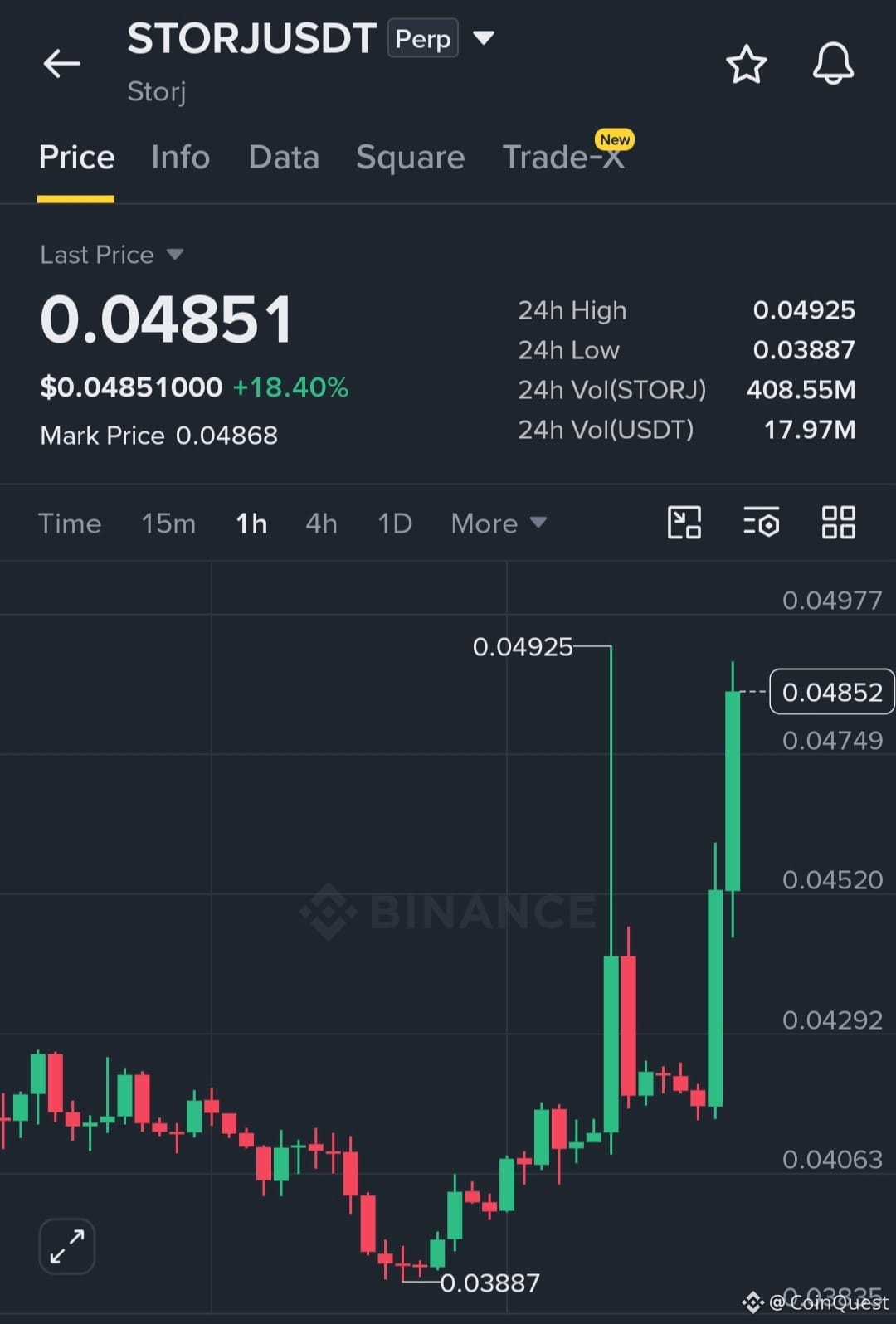
⚡ $STORJ Has a Level to Prove
$STORJ is catching buyers’ attention after the 1H breakout, with volume supporting the move.
Now I’m watching one thing: can $STORJ defend $0.0478?
📍 Entry: $0.0478–$0.0484
🎯 $0.0505
🎯 $0.0535
🛑 $0.0463
Hold the zone → bullish continuation stays on the table.
Lose it → setup needs a rethink.
Would you enter here or wait for a stronger confirmation? 👇
#STORJ #BinanceSquare
$STORJ is catching buyers’ attention after the 1H breakout, with volume supporting the move.
Now I’m watching one thing: can $STORJ defend $0.0478?
📍 Entry: $0.0478–$0.0484
🎯 $0.0505
🎯 $0.0535
🛑 $0.0463
Hold the zone → bullish continuation stays on the table.
Lose it → setup needs a rethink.
Would you enter here or wait for a stronger confirmation? 👇
#STORJ #BinanceSquare
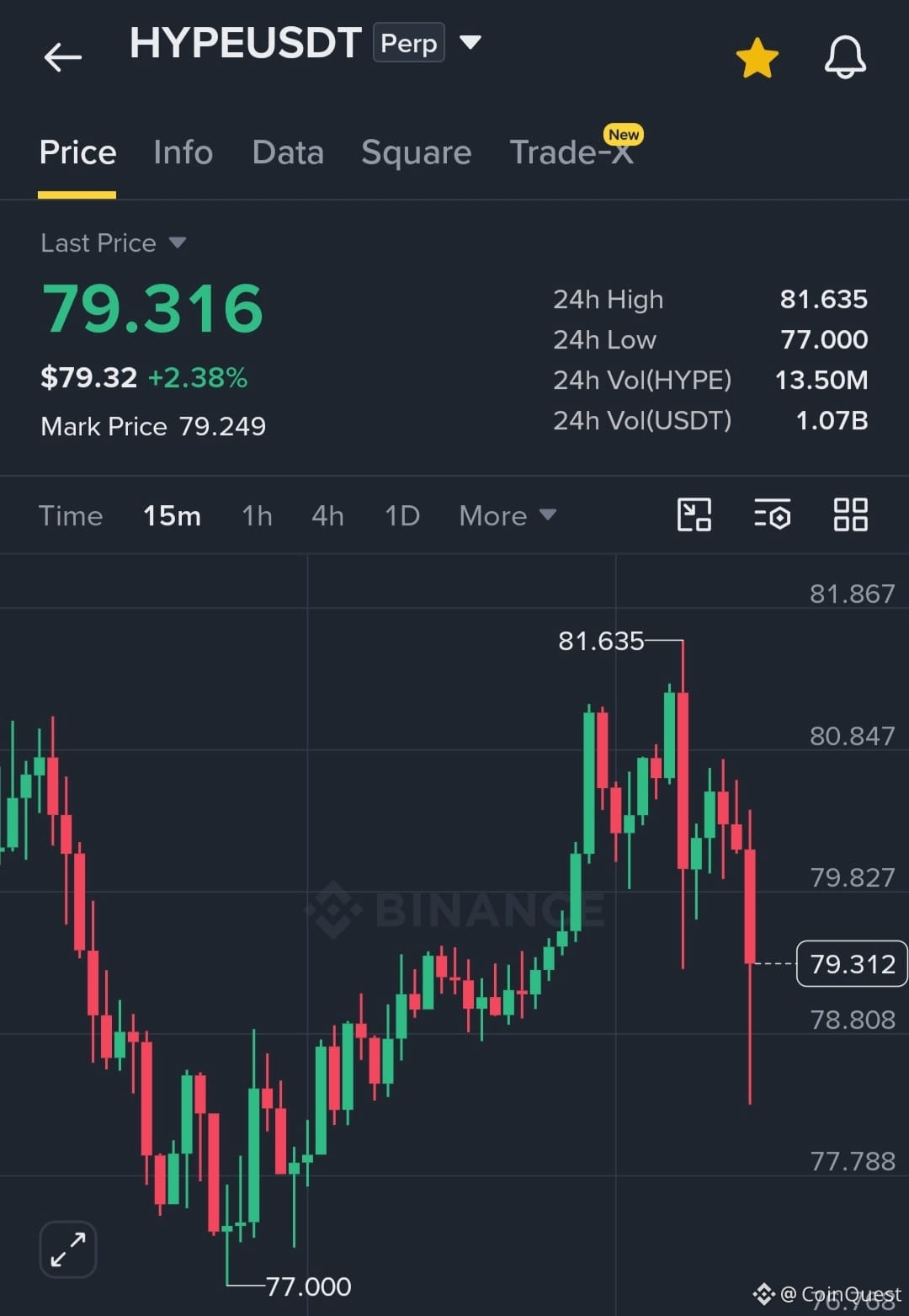
$HYPE just hit a new ATH. 🚀
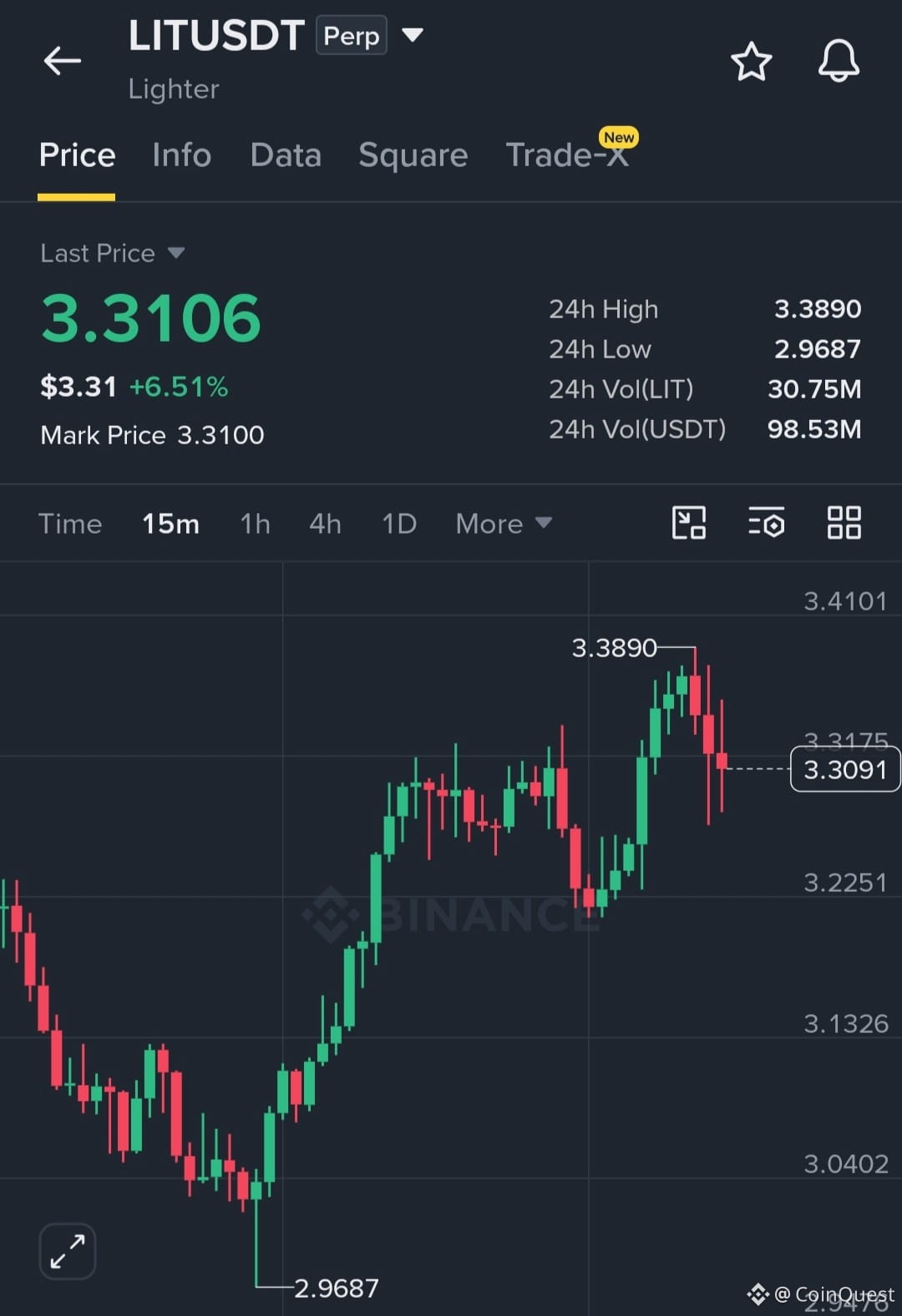
$LIT just hit a new ATH. 🔥
Which altcoin is next to break into price discovery? 👀
#hype #Lıt #altcoins #BitcoinStrongestWeekSinceMarch2023
$LIT just hit a new ATH. 🔥
Which altcoin is next to break into price discovery? 👀
#hype #Lıt #altcoins #BitcoinStrongestWeekSinceMarch2023
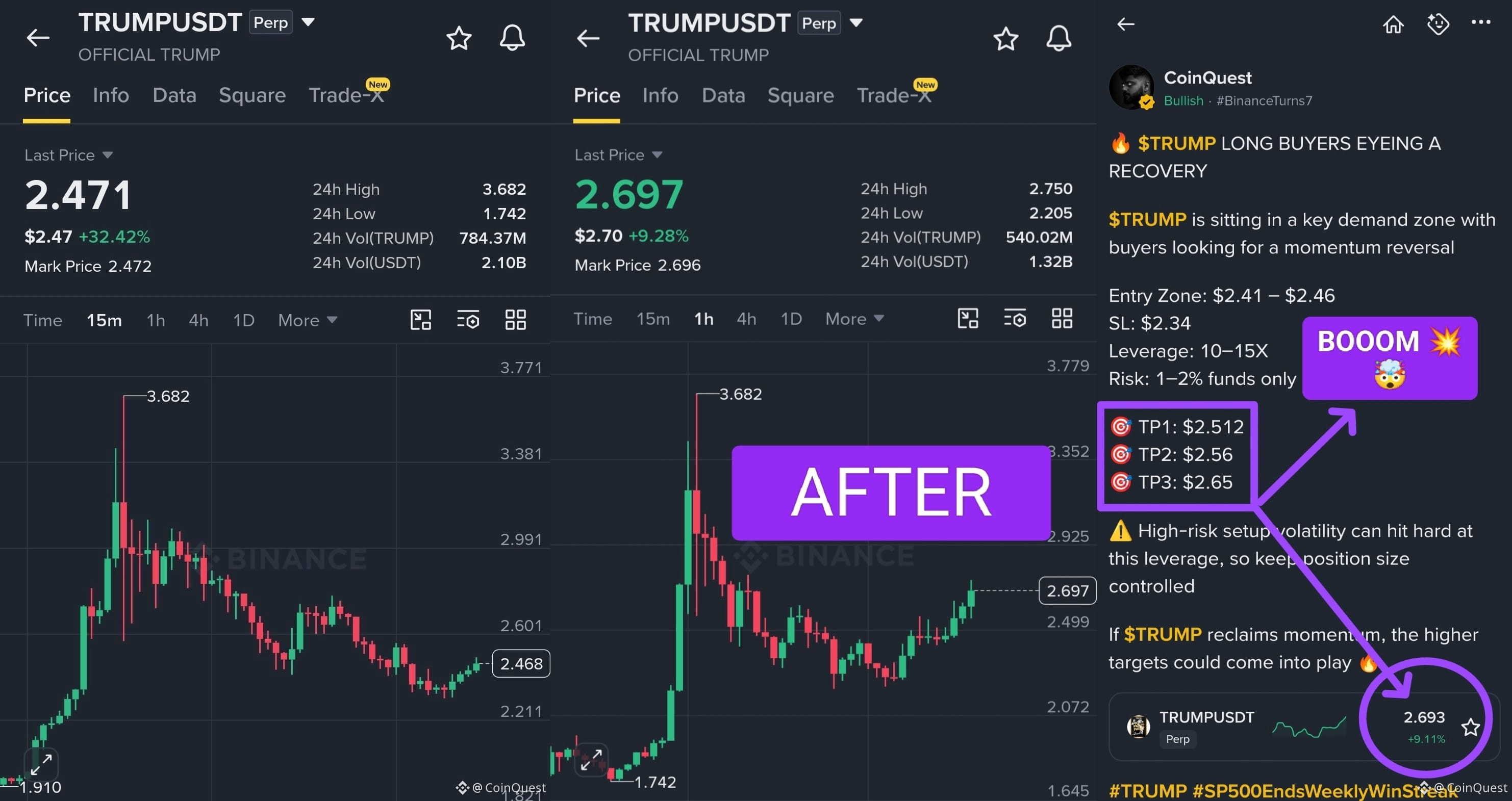
🚨 Is $TRUMP Going to Crash After This Run? 👀
$TRUMP just pushed toward $2.69 after completing our setup but now comes the interesting part. 📈
The trade played out beautifully, with all targets reached ✅🎯
But after a strong move, the big question is:
Is $TRUMP ready for another leg higher, or are sellers about to step in? 🤔
What do you think bullish or bearish from here? 👇
#TRUMP #CryptoTradingInsights #BinanceSquare #TradingResults
$TRUMP just pushed toward $2.69 after completing our setup but now comes the interesting part. 📈
The trade played out beautifully, with all targets reached ✅🎯
But after a strong move, the big question is:
Is $TRUMP ready for another leg higher, or are sellers about to step in? 🤔
What do you think bullish or bearish from here? 👇
#TRUMP #CryptoTradingInsights #BinanceSquare #TradingResults
$DUSK #DUSK @Dusk
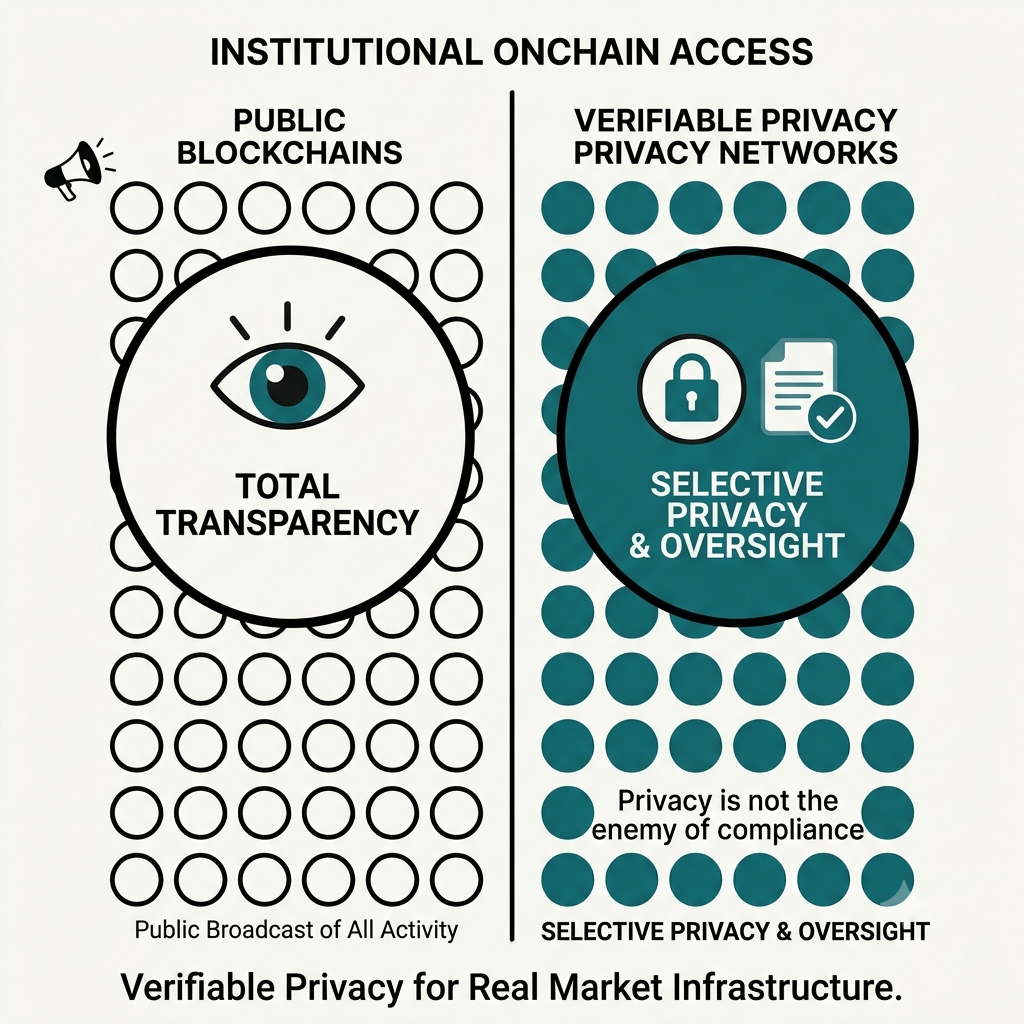
If everyone can see your trade before it settles, are you really going to place it onchain?🤔
That is one reason regulated institutions have never been able to treat public blockchains like real market infrastructure.
Full transparency sounds ideal in theory. But for a market maker, fund, or large investor, broadcasting every balance, bid, and trade can expose strategy, liquidity & positioning in real time.
That is not an edge. It is a risk.
What interests me about DUSK is its different framing: privacy is not the enemy of compliance.
The goal is not hiding activity from regulators. It is allowing transactions and market activity to remain private by default, while authorized parties can still verify what they need for oversight and compliance.
That distinction matters.
Because the future of regulated onchain markets may not be “everything visible forever.”
It may be: private for participants, verifiable for regulators.
That is a much harder model to build but far closer to how serious financial markets actually work.
Can institutions move meaningful volume onchain without privacy?
If everyone can see your trade before it settles, are you really going to place it onchain?🤔
That is one reason regulated institutions have never been able to treat public blockchains like real market infrastructure.
Full transparency sounds ideal in theory. But for a market maker, fund, or large investor, broadcasting every balance, bid, and trade can expose strategy, liquidity & positioning in real time.
That is not an edge. It is a risk.
What interests me about DUSK is its different framing: privacy is not the enemy of compliance.
The goal is not hiding activity from regulators. It is allowing transactions and market activity to remain private by default, while authorized parties can still verify what they need for oversight and compliance.
That distinction matters.
Because the future of regulated onchain markets may not be “everything visible forever.”
It may be: private for participants, verifiable for regulators.
That is a much harder model to build but far closer to how serious financial markets actually work.
Can institutions move meaningful volume onchain without privacy?
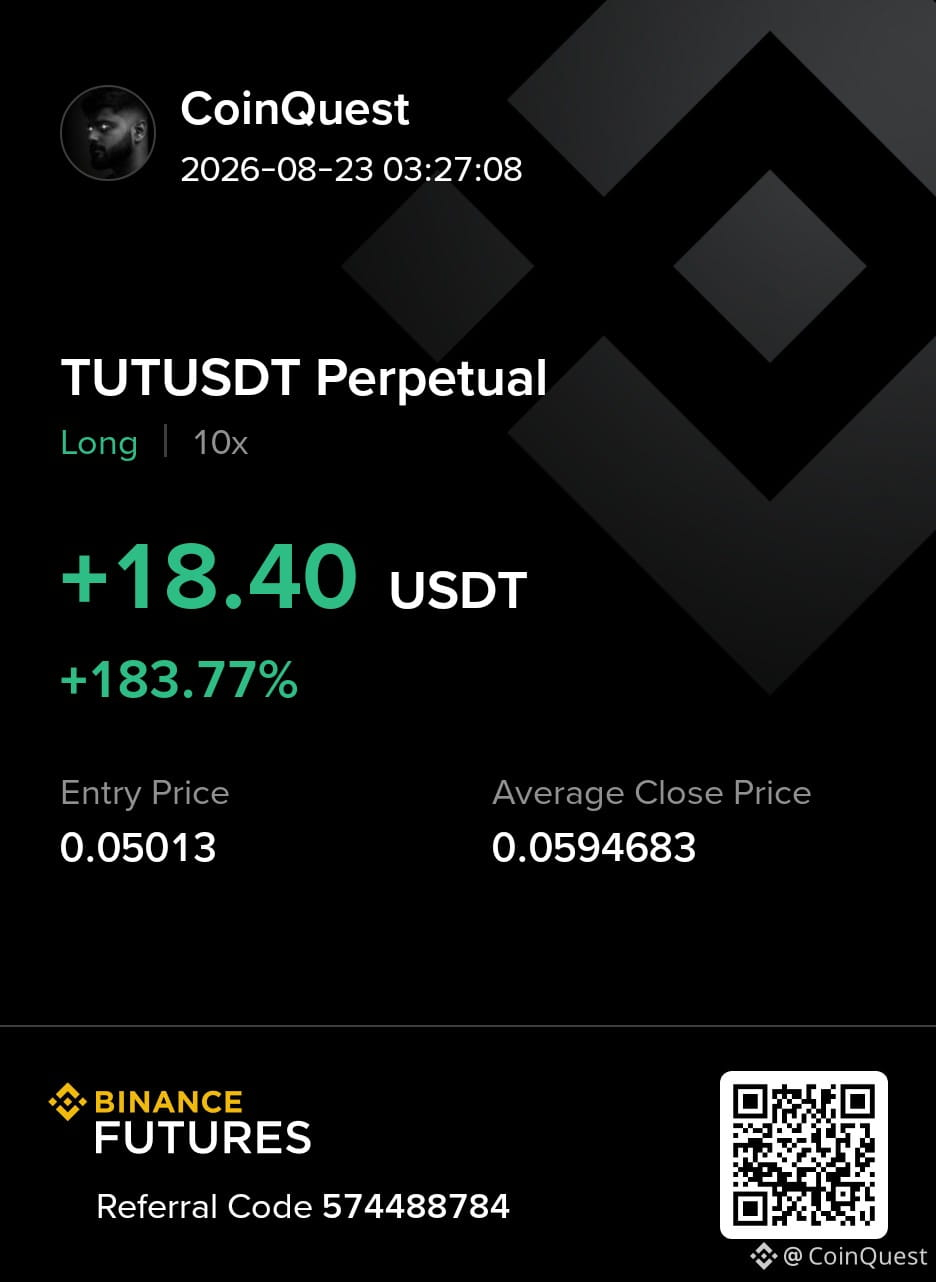
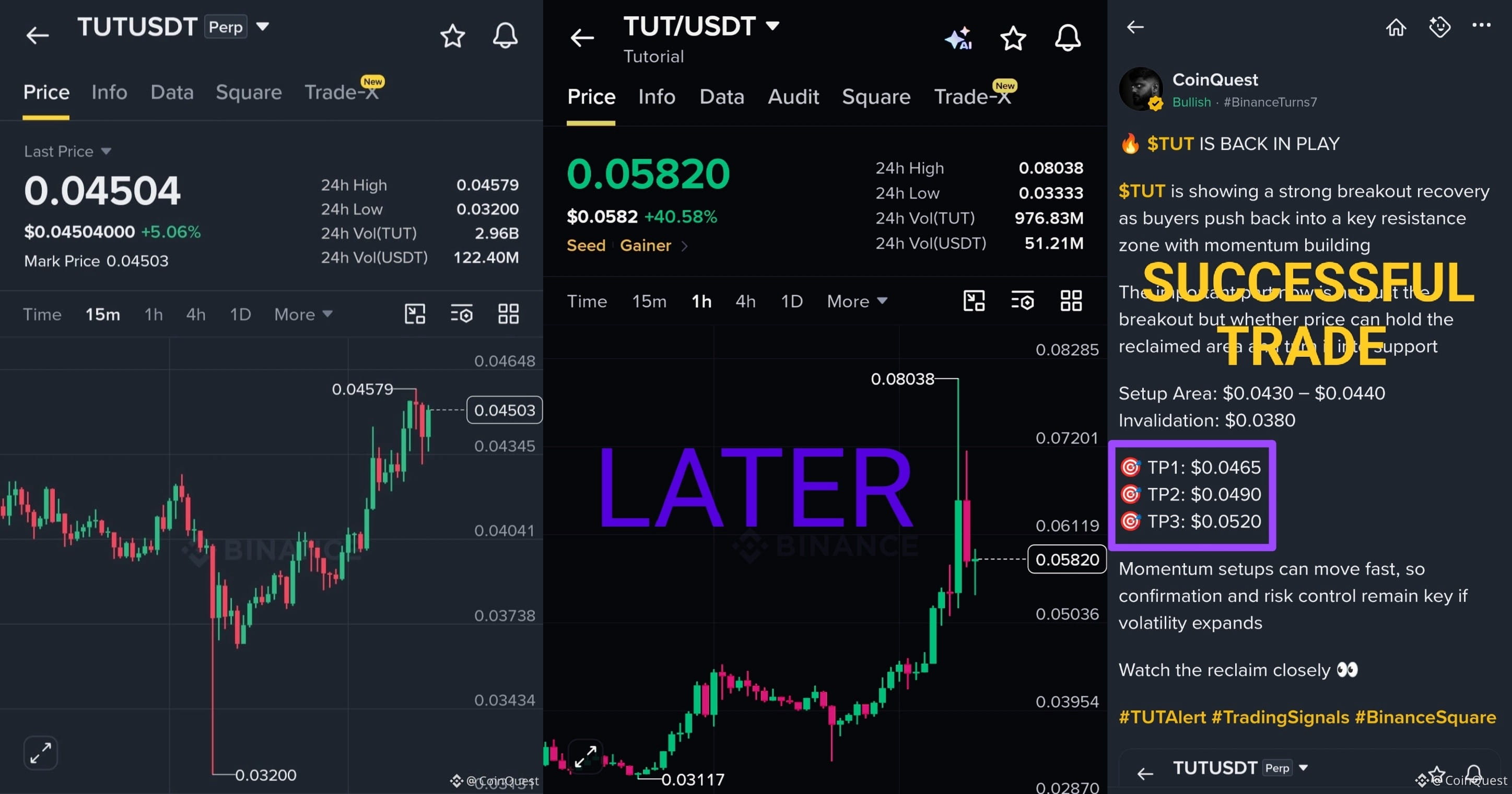
🌟 Did you catch this $TUT move?
A few hours ago, we were watching $TUT after buyers reclaimed the key zone... Now look where it went 👀
That’s the part I love about trading — the setup doesn't need hype when the price action does the talking 📈
Be honest:
Did you catch this one, or did you watch it move without entering? 😂
If you were in, tell me your entry + profit % below 👇
What should I analyze next? ⬇️
#TUTAlert #TradingResults #SP500EndsWeeklyWinStreak
A few hours ago, we were watching $TUT after buyers reclaimed the key zone... Now look where it went 👀
That’s the part I love about trading — the setup doesn't need hype when the price action does the talking 📈
Be honest:
Did you catch this one, or did you watch it move without entering? 😂
If you were in, tell me your entry + profit % below 👇
What should I analyze next? ⬇️
#TUTAlert #TradingResults #SP500EndsWeeklyWinStreak
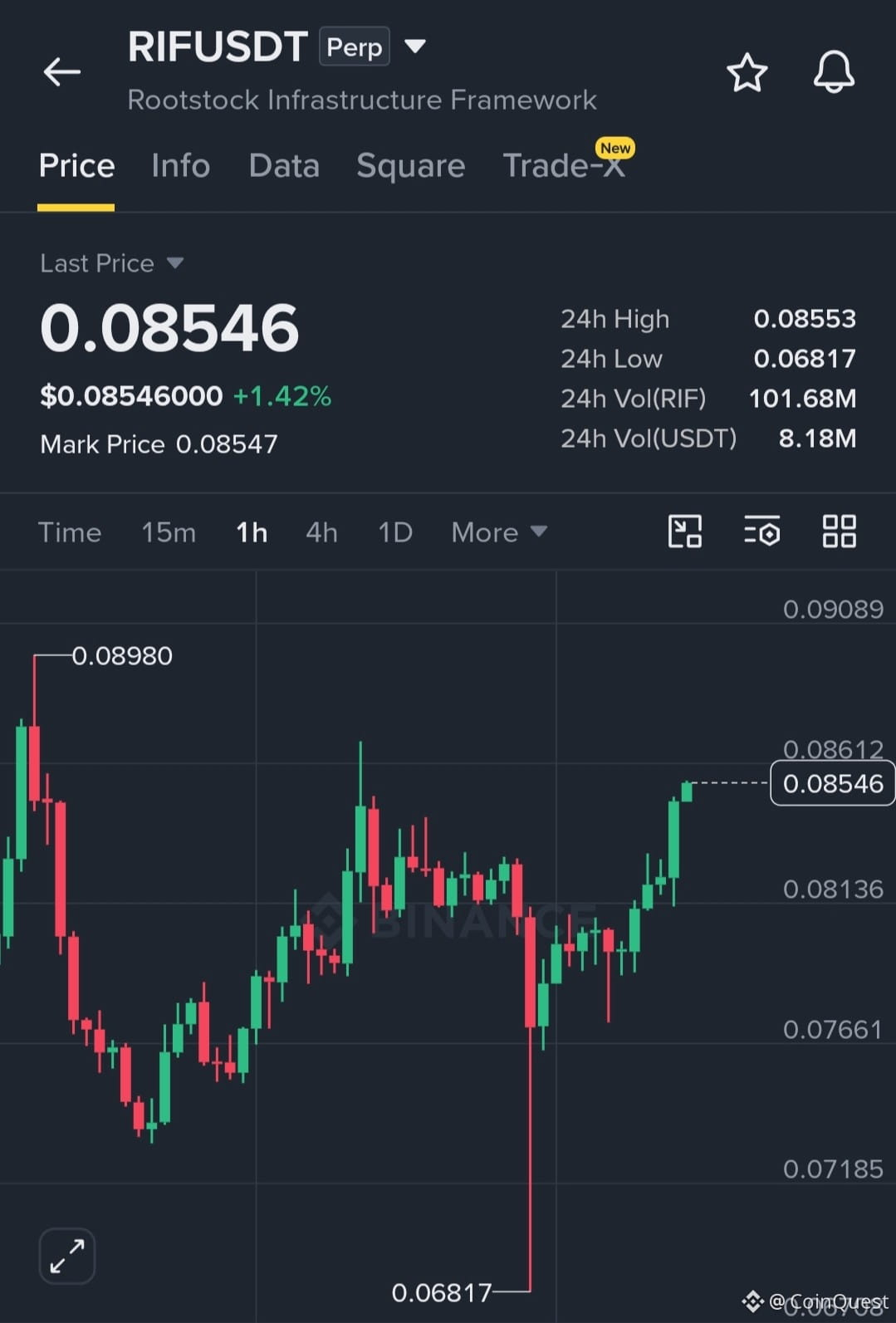
👀 $RIF THIS ONE IS ON MY WATCHLIST
$RIF is sitting in an interesting zone, and I’m watching for a bullish move from here.
📍 LONG ENTRY: $0.08520 – $0.08538
If buyers step in and momentum follows:
🎯 TP1: $0.09655
🎯 TP2: $0.10435
🛑 SL: $0.08188
What makes this setup interesting is the potential upside relative to the defined risk but I’m not chasing it if the setup breaks.
The key question: Can $RIF hold the entry zone and attract buyers? 👀
#RIF #crypto #BinanceSquare #trading #altcoins
$RIF is sitting in an interesting zone, and I’m watching for a bullish move from here.
📍 LONG ENTRY: $0.08520 – $0.08538
If buyers step in and momentum follows:
🎯 TP1: $0.09655
🎯 TP2: $0.10435
🛑 SL: $0.08188
What makes this setup interesting is the potential upside relative to the defined risk but I’m not chasing it if the setup breaks.
The key question: Can $RIF hold the entry zone and attract buyers? 👀
#RIF #crypto #BinanceSquare #trading #altcoins
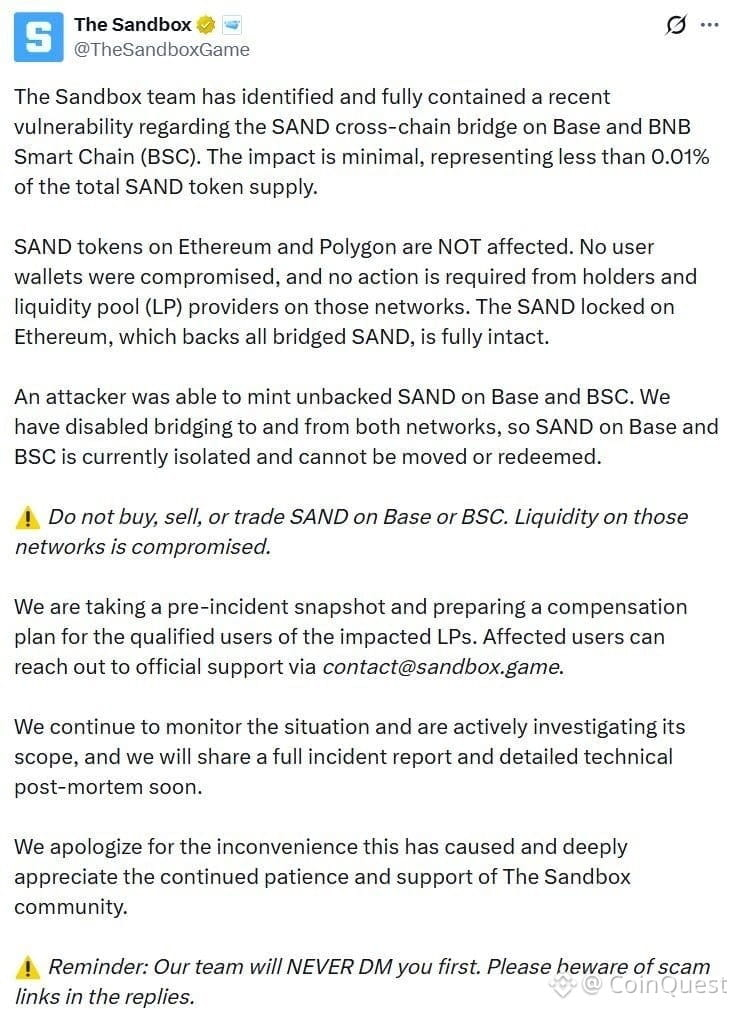
🚨 $SAND HOLDERS THIS IS IMPORTANT
Not gonna lie, this is the kind of update $SAND holders don’t want to wake up to.
The Sandbox has confirmed a security vulnerability in the SAND cross-chain bridge affecting Base and BSC.
Some unbacked SAND was minted on the affected networks, and bridging there has been disabled while the team contains the issue.
The good news? The affected amount is reportedly less than 0.01% of total SAND supply, and Ethereum/Polygon SAND and user wallets were not compromised.
Still, I’d be careful here. 👀
If you hold or trade $SAND on Base or BSC, keep an eye on the official updates before making any move.
This is a serious situation, but there’s also no reason to panic without understanding the actual scale of the incident.
Stay safe, protect your funds. 🛡️
#SANDUSTD #TheSandbox #crypto #BinanceSquare #CryptoNews
Not gonna lie, this is the kind of update $SAND holders don’t want to wake up to.
The Sandbox has confirmed a security vulnerability in the SAND cross-chain bridge affecting Base and BSC.
Some unbacked SAND was minted on the affected networks, and bridging there has been disabled while the team contains the issue.
The good news? The affected amount is reportedly less than 0.01% of total SAND supply, and Ethereum/Polygon SAND and user wallets were not compromised.
Still, I’d be careful here. 👀
If you hold or trade $SAND on Base or BSC, keep an eye on the official updates before making any move.
This is a serious situation, but there’s also no reason to panic without understanding the actual scale of the incident.
Stay safe, protect your funds. 🛡️
#SANDUSTD #TheSandbox #crypto #BinanceSquare #CryptoNews
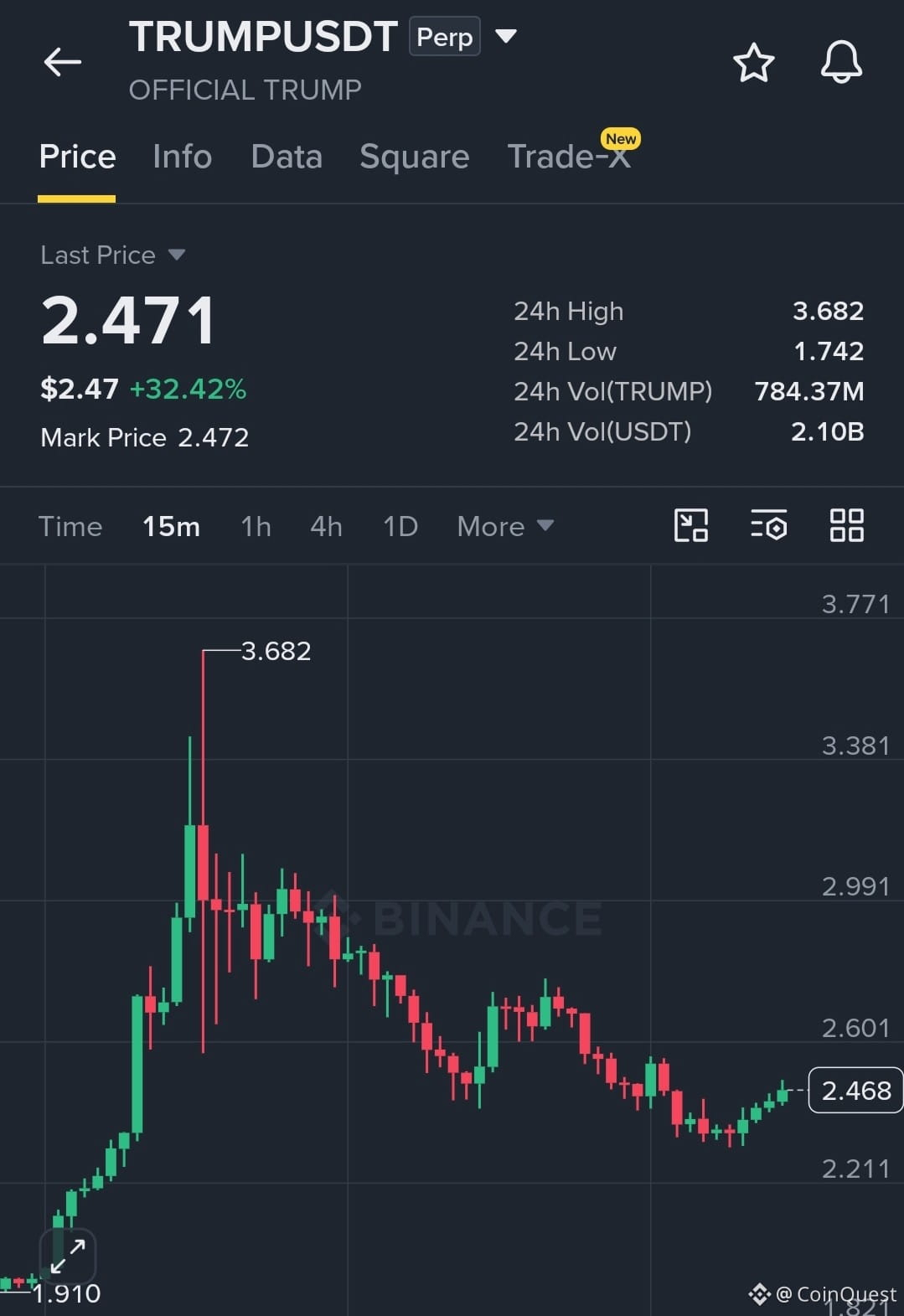
🔥 $TRUMP LONG BUYERS EYEING A RECOVERY
$TRUMP is sitting in a key demand zone with buyers looking for a momentum reversal
Entry Zone: $2.41 – $2.46
SL: $2.34
Leverage: 10–15X
Risk: 1–2% funds only
🎯 TP1: $2.512
🎯 TP2: $2.56
🎯 TP3: $2.65
⚠️ High-risk setup volatility can hit hard at this leverage, so keep position size controlled
If $TRUMP reclaims momentum, the higher targets could come into play 🔥
#TRUMP #SP500EndsWeeklyWinStreak
$TRUMP is sitting in a key demand zone with buyers looking for a momentum reversal
Entry Zone: $2.41 – $2.46
SL: $2.34
Leverage: 10–15X
Risk: 1–2% funds only
🎯 TP1: $2.512
🎯 TP2: $2.56
🎯 TP3: $2.65
⚠️ High-risk setup volatility can hit hard at this leverage, so keep position size controlled
If $TRUMP reclaims momentum, the higher targets could come into play 🔥
#TRUMP #SP500EndsWeeklyWinStreak
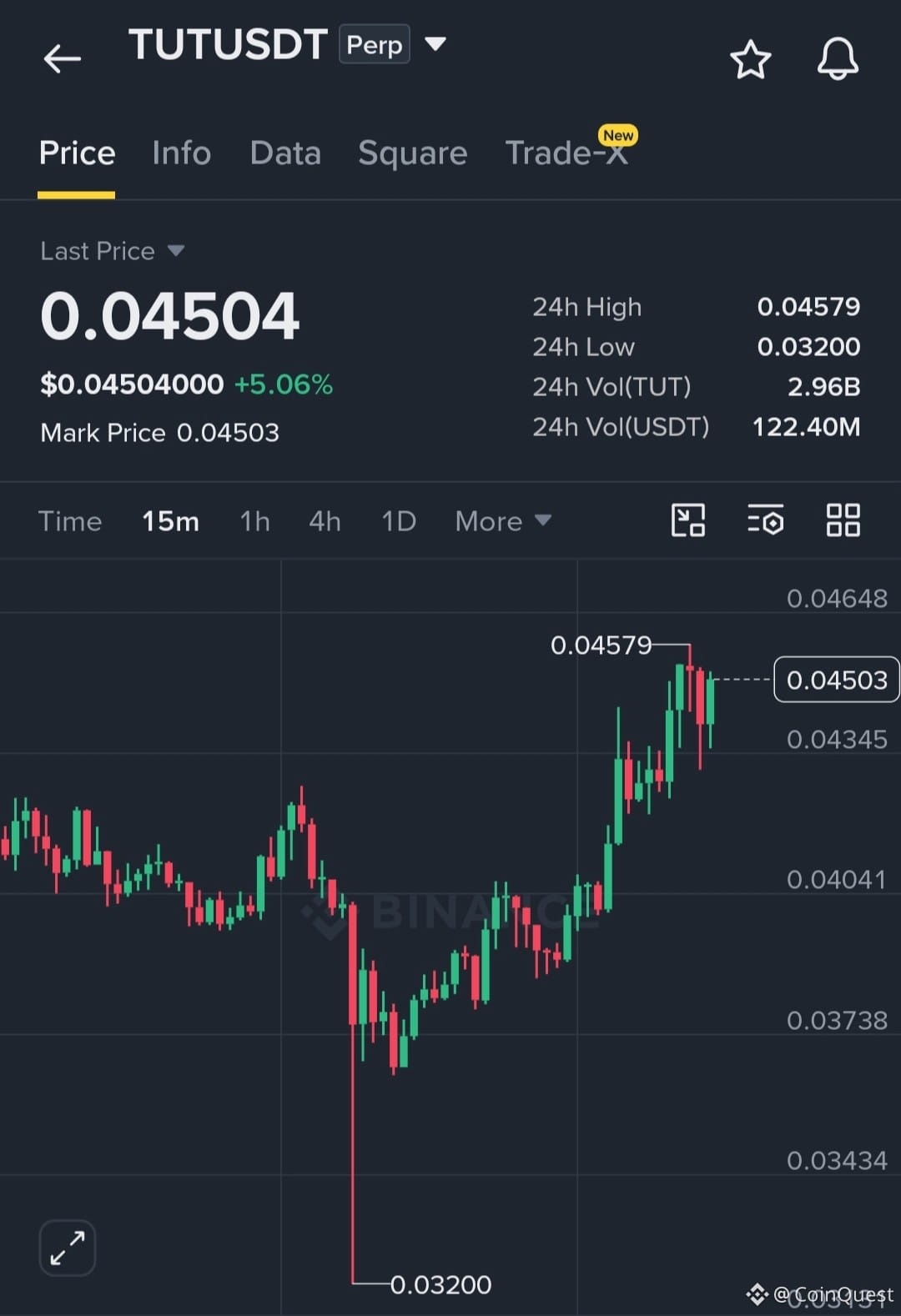
🔥 $TUT IS BACK IN PLAY
$TUT is showing a strong breakout recovery as buyers push back into a key resistance zone with momentum building
The important part now is not just the breakout but whether price can hold the reclaimed area and turn it into support
Setup Area: $0.0430 – $0.0440
Invalidation: $0.0380
🎯 TP1: $0.0465
🎯 TP2: $0.0490
🎯 TP3: $0.0520
Momentum setups can move fast, so confirmation and risk control remain key if volatility expands
Watch the reclaim closely 👀
#TUTAlert #TradingSignals #BinanceSquare
$TUT is showing a strong breakout recovery as buyers push back into a key resistance zone with momentum building
The important part now is not just the breakout but whether price can hold the reclaimed area and turn it into support
Setup Area: $0.0430 – $0.0440
Invalidation: $0.0380
🎯 TP1: $0.0465
🎯 TP2: $0.0490
🎯 TP3: $0.0520
Momentum setups can move fast, so confirmation and risk control remain key if volatility expands
Watch the reclaim closely 👀
#TUTAlert #TradingSignals #BinanceSquare
Verified
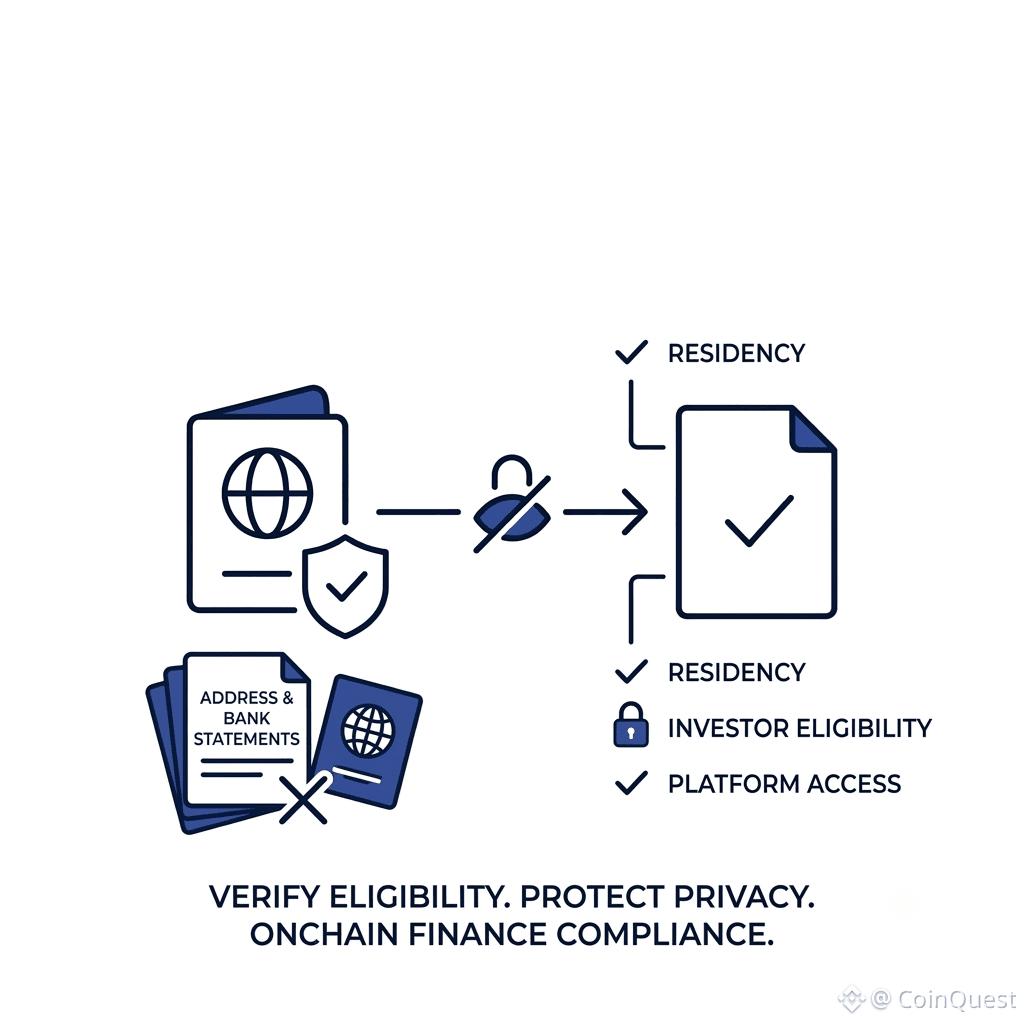
Ever had to hand over your passport, address & bank statements just to prove you’re allowed to invest?
That’s still the usual trade-off in regulated finance: access often means sharing far more personal information than the platform actually needs.
What caught my attention about $DUSK Trade is the attempt to change that.
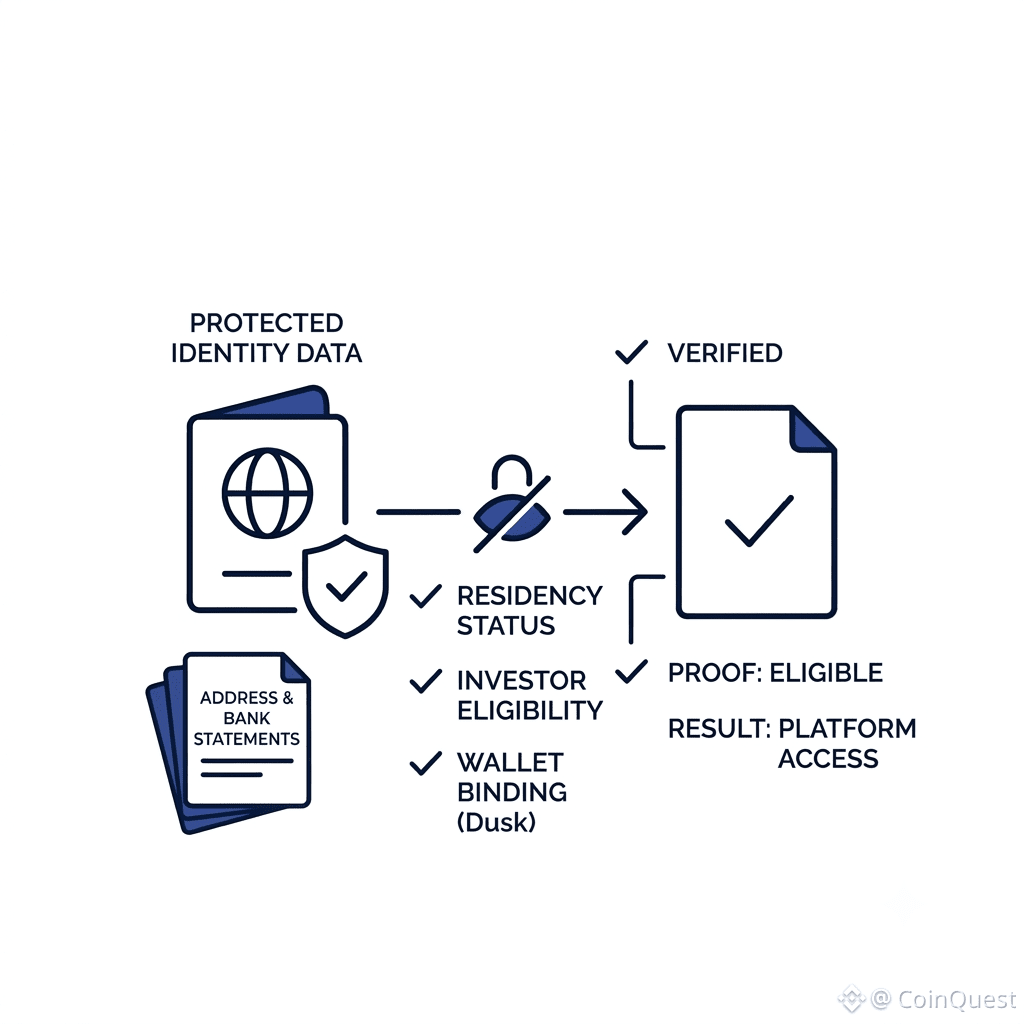
Built around Dusk’s regulated-market infrastructure and its work with NPEX, the platform is designed for investor onboarding, wallet binding, controlled transfers, payment coordination & compliant settlement. All as part of one connected workflow.
But the detail that matters most is selective disclosure.
The idea is simple: prove that you meet a requirement such as residency or investor eligibility without exposing every piece of personal data behind that proof.
You prove you qualify. The application only receives what it needs to know.
That may sound like a small product feature, but it addresses a much bigger conflict in onchain finance: how do you build compliant investing without treating privacy as something users must surrender first?
The real test will be execution once the product is live. But this is a more meaningful problem to solve than simply putting another brokerage interface on a blockchain.
Would you use a regulated investing platform that could verify eligibility while revealing less of your personal data?
@Dusk $DUSK #DUSK
That’s still the usual trade-off in regulated finance: access often means sharing far more personal information than the platform actually needs.
What caught my attention about $DUSK Trade is the attempt to change that.
Built around Dusk’s regulated-market infrastructure and its work with NPEX, the platform is designed for investor onboarding, wallet binding, controlled transfers, payment coordination & compliant settlement. All as part of one connected workflow.
But the detail that matters most is selective disclosure.
The idea is simple: prove that you meet a requirement such as residency or investor eligibility without exposing every piece of personal data behind that proof.
You prove you qualify. The application only receives what it needs to know.
That may sound like a small product feature, but it addresses a much bigger conflict in onchain finance: how do you build compliant investing without treating privacy as something users must surrender first?
The real test will be execution once the product is live. But this is a more meaningful problem to solve than simply putting another brokerage interface on a blockchain.
Would you use a regulated investing platform that could verify eligibility while revealing less of your personal data?
@Dusk $DUSK #DUSK
🔥 $MAGMA MADE A SERIOUS MOVE
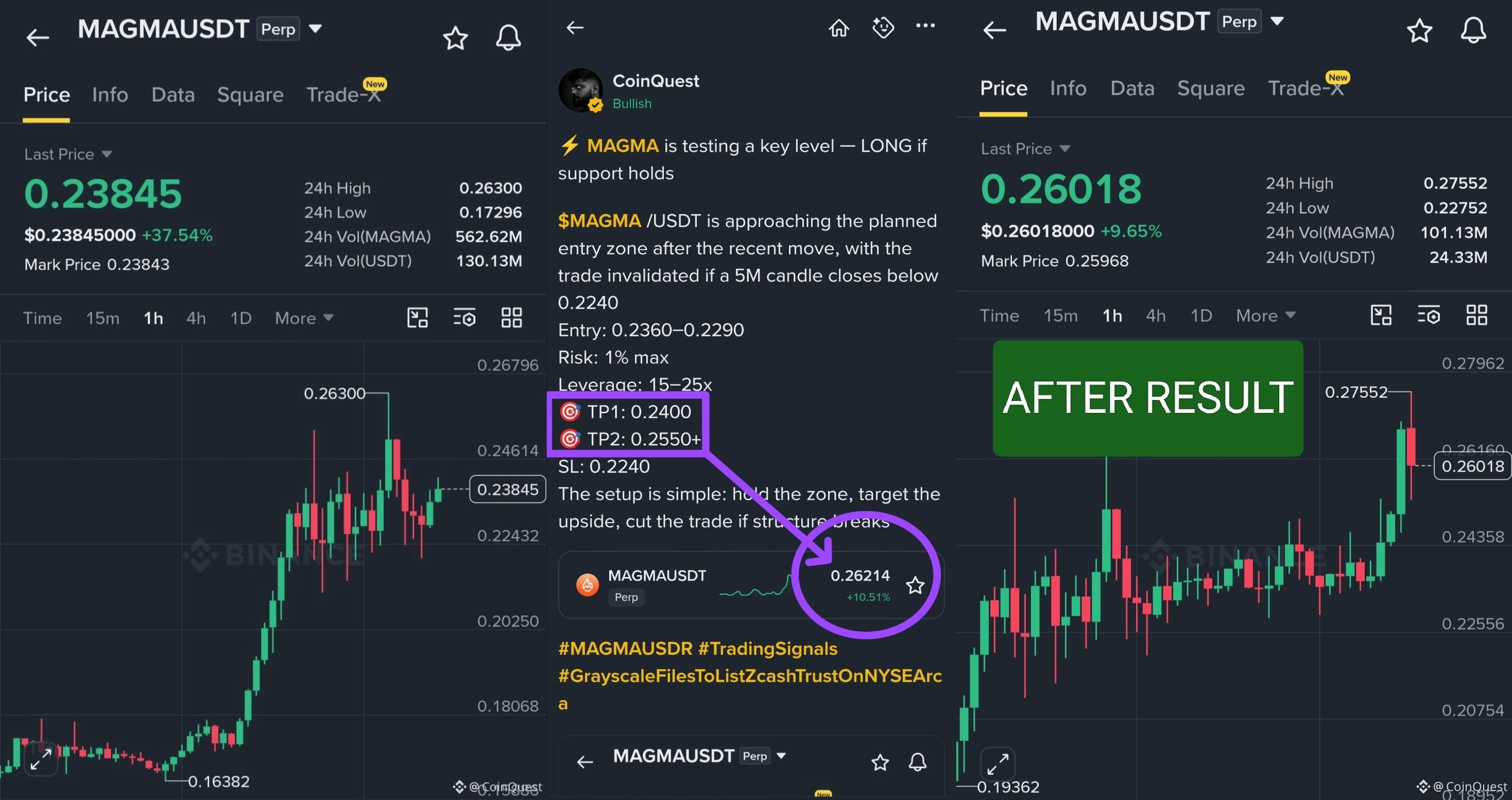
Alhamdulillah ❤️ yesterday’s $MAGMA /USDT setup played out beautifully. We identified the long zone around 0.2360 to 0.2290 while price was holding support, and the market respected the structure exactly as expected
MAGMA first moved through 0.2400, then pushed beyond 0.2550 and kept running all the way to a 24H high of 0.2755 🚀 That’s a strong move from the zone we were watching, and both planned targets were achieved before the bigger extension
The important part wasn’t predicting every candle. It was having a clear invalidation at 0.2240, keeping risk controlled and allowing the setup enough room to develop
Alhamdulillah for another successful trade 🤲❤️ CoinQuestFamily keeps delivering. Who was riding this MAGMA move with us? 👀
#MAGMAUSDR #TradingResults #Binance #GoldReboundsNearly5%
Alhamdulillah ❤️ yesterday’s $MAGMA /USDT setup played out beautifully. We identified the long zone around 0.2360 to 0.2290 while price was holding support, and the market respected the structure exactly as expected
MAGMA first moved through 0.2400, then pushed beyond 0.2550 and kept running all the way to a 24H high of 0.2755 🚀 That’s a strong move from the zone we were watching, and both planned targets were achieved before the bigger extension
The important part wasn’t predicting every candle. It was having a clear invalidation at 0.2240, keeping risk controlled and allowing the setup enough room to develop
Alhamdulillah for another successful trade 🤲❤️ CoinQuestFamily keeps delivering. Who was riding this MAGMA move with us? 👀
#MAGMAUSDR #TradingResults #Binance #GoldReboundsNearly5%
Log in to explore more content