



In 2024, the yield tokenization protocol Pendle successfully established its leadership in the DeFi fixed income market, with a total locked value of $5.1 billion and a trading volume skyrocketing 100 times. In 2025, Pendle will further expand into TradFi and Islamic finance markets through V2 enhancements, Citadels expansion, and Boros contract yield hedging, aiming to become the core of the global yield market.
(In-depth understanding: LSDFi dark horse Pendle Finance popularization: Overview of the features of Equilibria and Penpie protocols in the ecosystem)
Pendle 2025: Towards the peak of DeFi yield trading
Pendle co-founder TN recently released Pendle's 2025 Roadmap, reflecting on the protocol's breakthroughs in 2024 across various aspects, establishing the fixed income market and significantly promoting the development of yield trading. The following chain news provides a detailed translation and organization of this.
Highlights of Pendle in 2024
The fixed income market is booming
TN first points out that 2024 is a turning point for Pendle. The demand for fixed income markets has gradually established itself, driving the protocol's scale from hundreds of millions to billions of dollars.
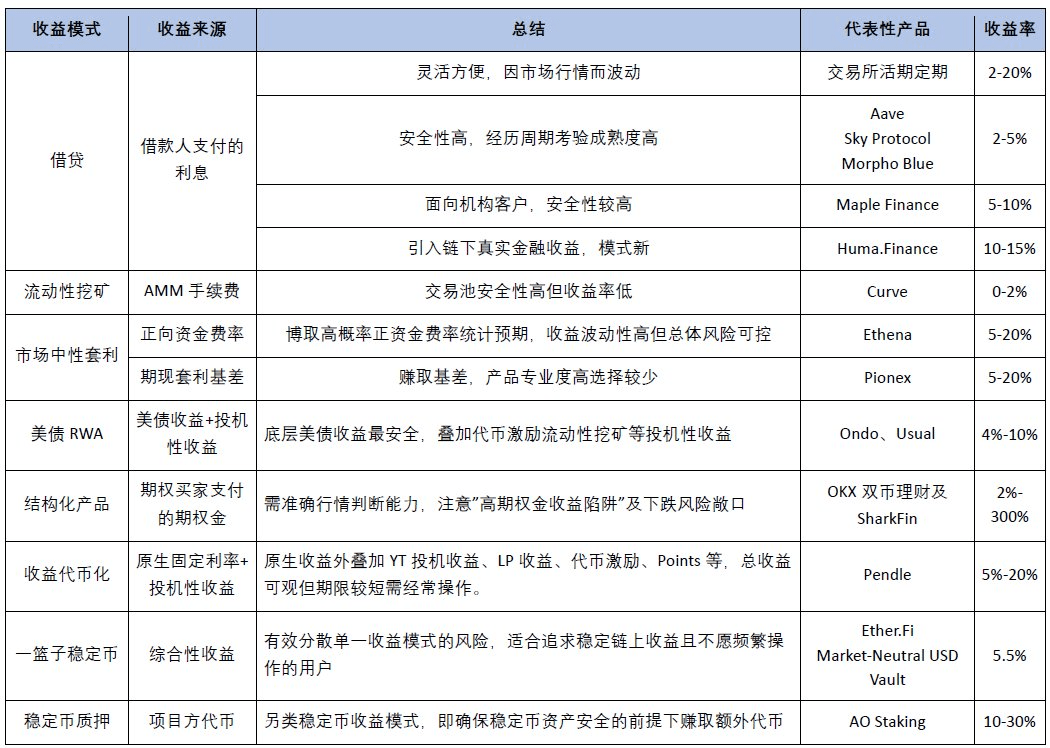
TVL (Total Locked Value) grew over 20 times: from $230 million in 2023 to the current $5.17 billion.
Occupying half of the DeFi yield market: Currently, Pendle accounts for over 50% of the yield category on DefiLlama.
Trading volume surged nearly 100 times: from $1.1 million daily in 2023 to $964 million daily in 2024.
In June 2024, Pendle successfully settled $3.8 billion in liquid re-staking derivatives expiry positions, demonstrating the protocol's strong stability.
The core engine driving the DeFi ecosystem
At the same time, Pendle has become not just a yield trading platform, but an important pillar for the liquidity growth of many DeFi projects, including stablecoin protocols Ethena, stablecoin startups Usual, L2 Arbitrum, yield protocols Zircuit, and the new public chain Berachain.
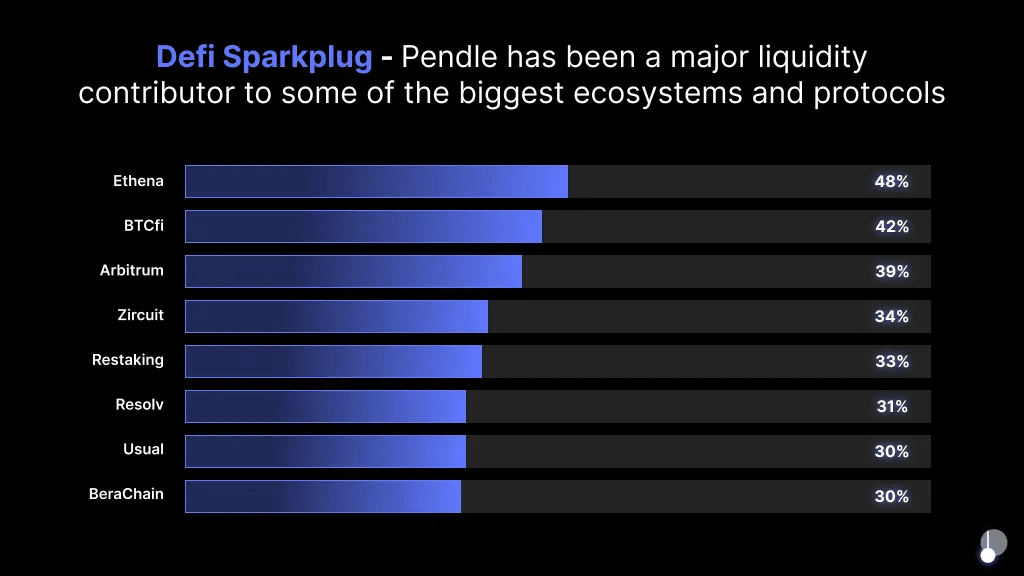
TN states that Pendle's Principal Token (PT) has formed an economic market worth $1.2 billion, accounting for 3.3% of the total collateral in the lending market on EVM chains. In the lending protocol Morpho, 20% of deposits come from Pendle.
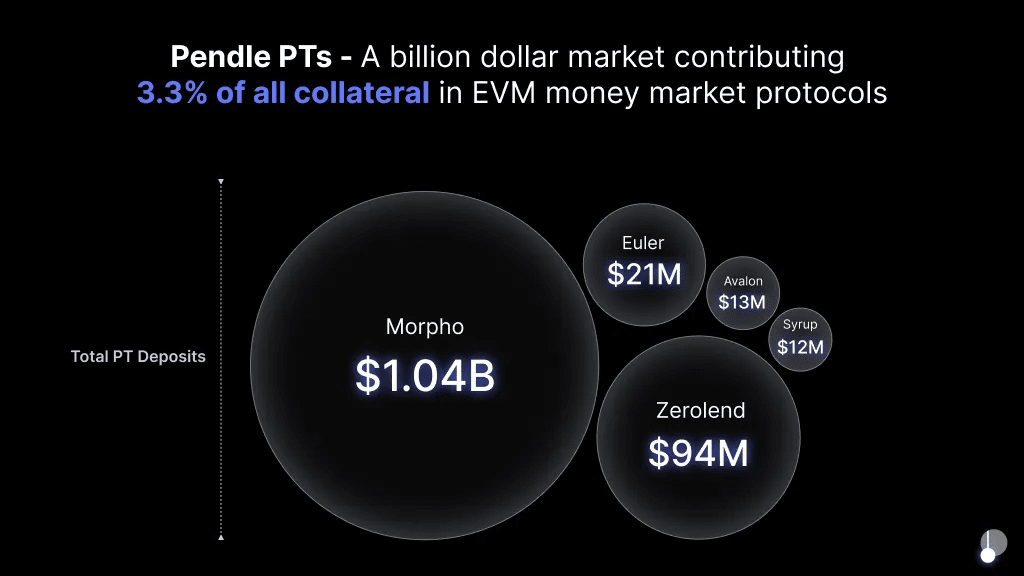
Where there are yields, there is Pendle.
Pendle's three major development pillars
Further improvements in Pendle V2
TN points out that the current on-chain yield market is approximately $17.7 billion, with only 4.97% (about $880 million) of the yield being traded by Pendle, indicating that the market still has a lot of untapped opportunities.
To expand market coverage, Pendle V2 is making the following improvements:
Open enhancement: Allowing community users to create their own yield markets through a UI interface without technical backgrounds, making Pendle's technology accessible.
Dynamic Fees Adjustment: Automatically balance the fee structure for liquidity providers (LPs), users, and protocols to maintain optimal capital liquidity and yields.
vePENDLE Improvement: Expanding the old voting mechanism to involve more token holders and optimizing the yield distribution mechanism.
These improvements will further solidify Pendle's position as the main yield trading platform in DeFi.
Citadels Plan: Expanding the DeFi user base
Currently, Pendle's products are mainly used in the EVM ecosystem, but the global yield market extends far beyond that. The 'Citadels Plan' is expected to bring Pendle's yield trading model to broader markets, aiming to expand from billions to trillions of dollars.
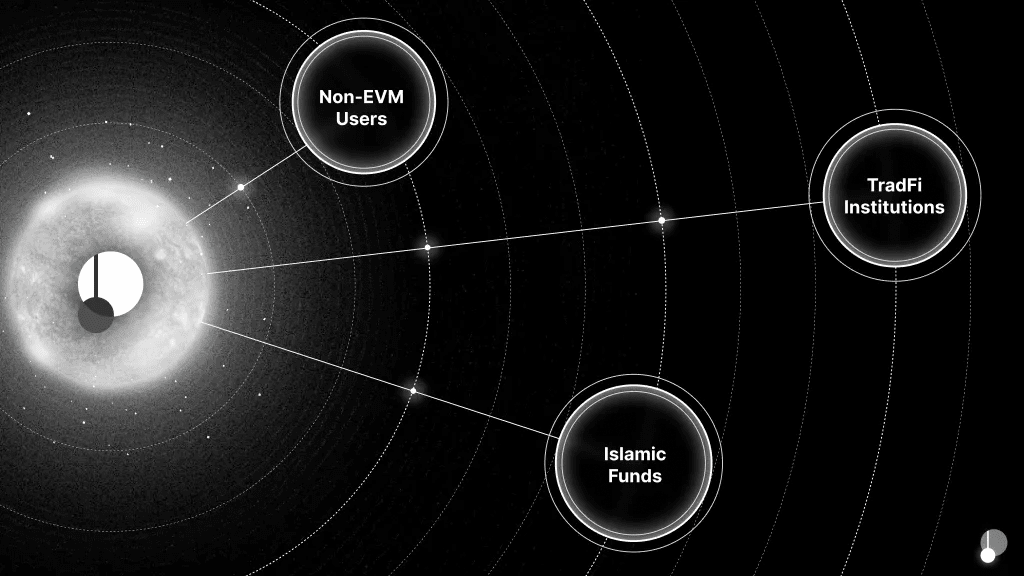
Pendle will establish three Citadels to further expand the yield market:
PT for Non-EVM Ecosystem: Expand to non-EVM chains such as Solana, TON, HYPE, etc., to attract more users.
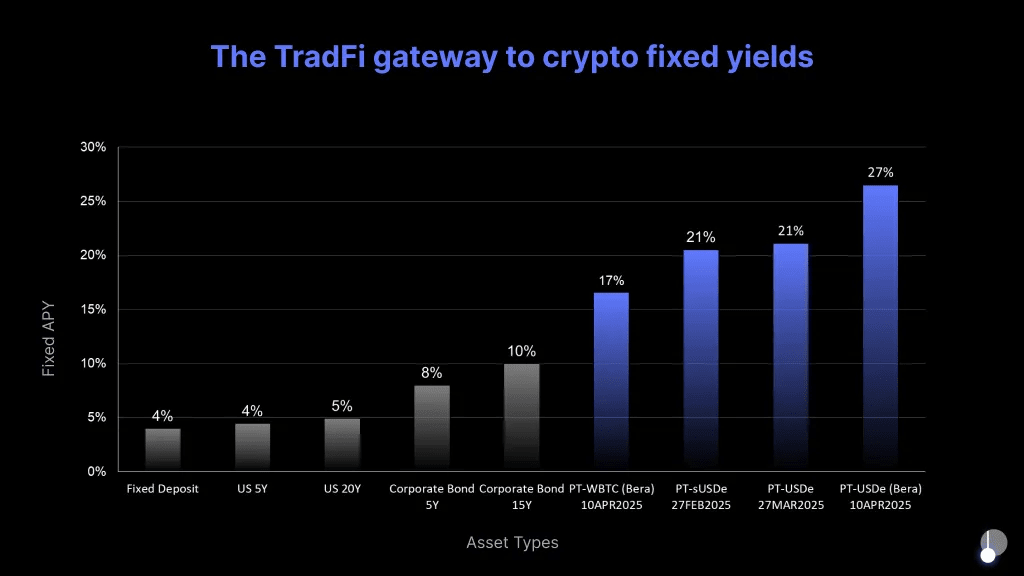
PT for Traditional Finance (TradFi): Designing products that comply with KYC regulations, allowing institutional investors to obtain crypto yields through partners like Ethena.
PT for Islamic finance market: Developing yield products that comply with the region's standards for the $3.9 trillion Islamic finance market, expanding the global user base.
Boros: Disruptive yield hedging products in the market
Additionally, as a new product for Pendle's further expansion into the yield market, Boros aims to address the lack of hedging mechanisms in the market.
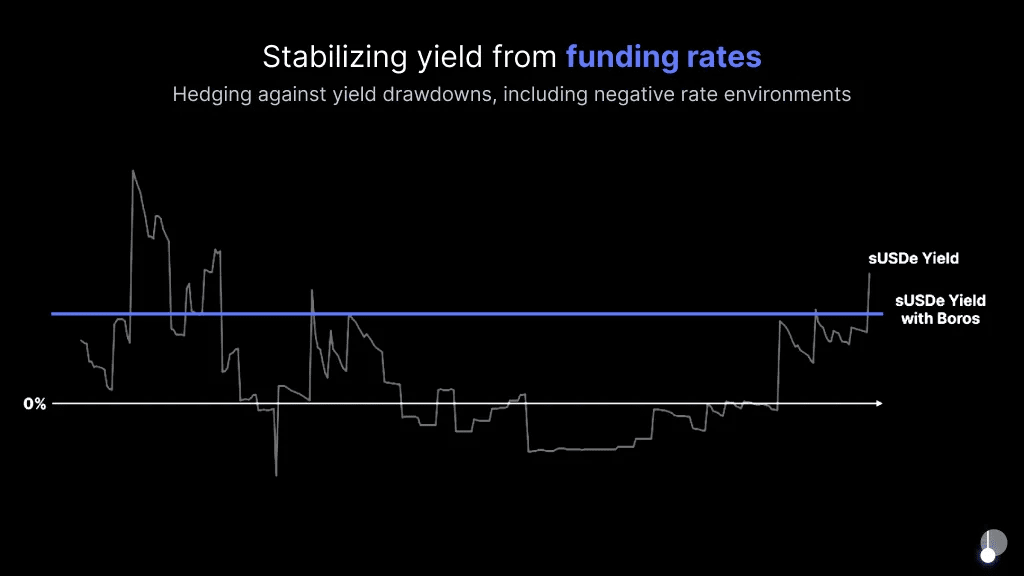
The perpetual contract market is the largest derivative in the DeFi market, with a daily trading volume exceeding $150 billion. However, there is currently a lack of effective hedging tools in the market to stabilize traders' returns, especially against the volatility of funding rates.
TN points out that extreme funding rates like those seen at the launch of the TRUMP/USDT contract, alongside high trading costs, often deter traders.
Here, Boros can provide yield hedging tools, allowing traders to convert floating funding rates into fixed rates, ensuring stable returns and reducing market risks.
Endgame: To become the core of the global yield market
Finally, TN emphasizes that Pendle's vision has never changed: to become the core protocol of the global DeFi yield market. Following market developments closely, Pendle also expects to cover more markets and aims to be the yield management platform for DeFi investors, institutional fund managers, and sovereign funds.
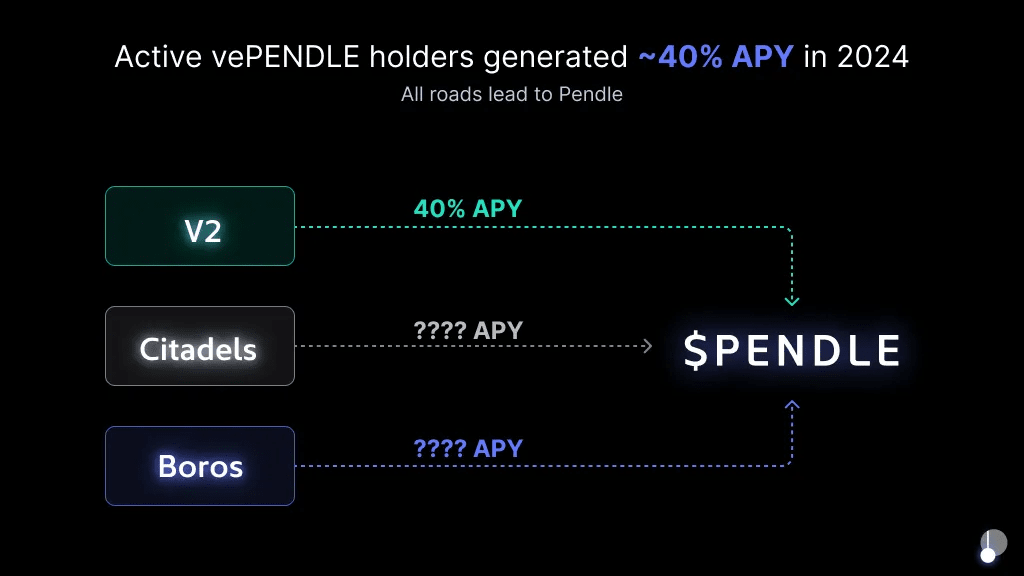
In 2025, Pendle will not only expand V2 but also launch two new verticals: Citadels and Boros. This is a long journey, but the Pendle team is ready to face the challenges ahead.
This article delves into Pendle's 2025 Roadmap: Pendle V2 improvements, advancing perpetual contract yield hedging products, originally published in Chain News ABMedia.