

Huang Yiping, a former member of the Monetary Policy Committee of the People’s Bank of China, expressed this in a speech last December:
“Banning cryptocurrencies may be practical in the short term, but whether it is sustainable in the long term deserves in-depth analysis. Some new digital technologies brought by cryptocurrencies are very valuable to the formal financial system, including tokenization, distributed ledgers, blockchain technology, etc. If cryptocurrency transactions and related activities are banned for a long time, some important digital technology development opportunities may be missed, and the ban may not be effective in the long run. There is no particularly good way to regulate cryptocurrencies, especially for a developing country, which can ensure stability and effectiveness, but it may still be necessary to find an effective way to deal with it in the end.”
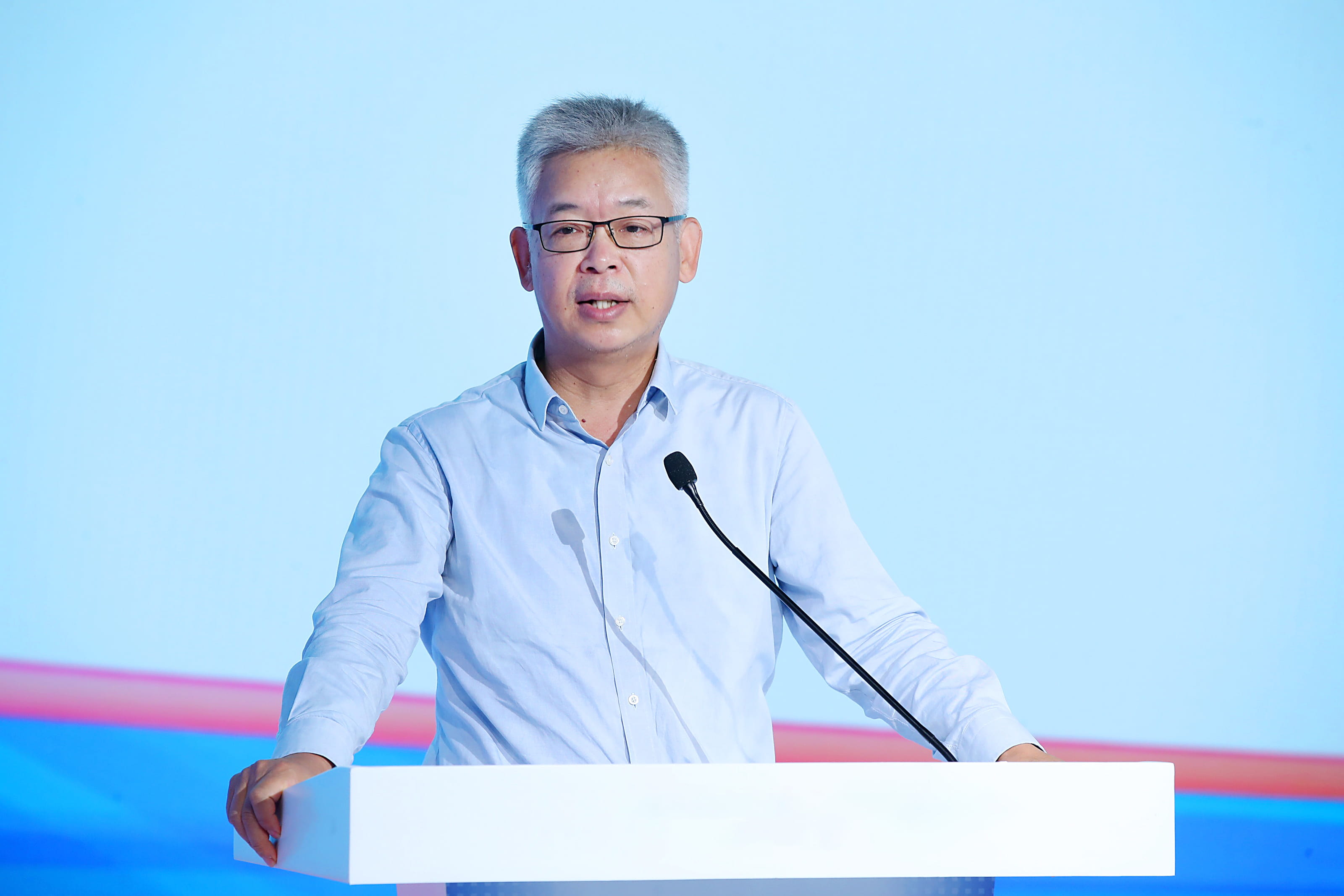
Huang Yiping, now a professor of economics at the National School of Development at Peking University, made the comments as China pushes for a digital yuan. He suggested the government should weigh the pros and cons of allowing private institutions to issue digital yuan-linked stablecoins to help facilitate the process, but he also acknowledged that it was a “very sensitive” issue.
China has long taken a "blockchain, not bitcoin" stance, and Huang Yiping believes the concerns are legitimate and acknowledges that there are many risks with cryptocurrencies such as bitcoin, which he says lacks intrinsic value and has a large number of transactions linked to illegal activities.
Of course, the above remarks are just the opinions of experts, but they also show that top policymakers are thinking about the correctness of the "one-size-fits-all" strategy. In any case, it is hoped that the country can embrace digital currency as a new financial technology and market, which is also an important driving force for the development of this industry!
#web3#crypto2023 #BTC