Update about $RUNE
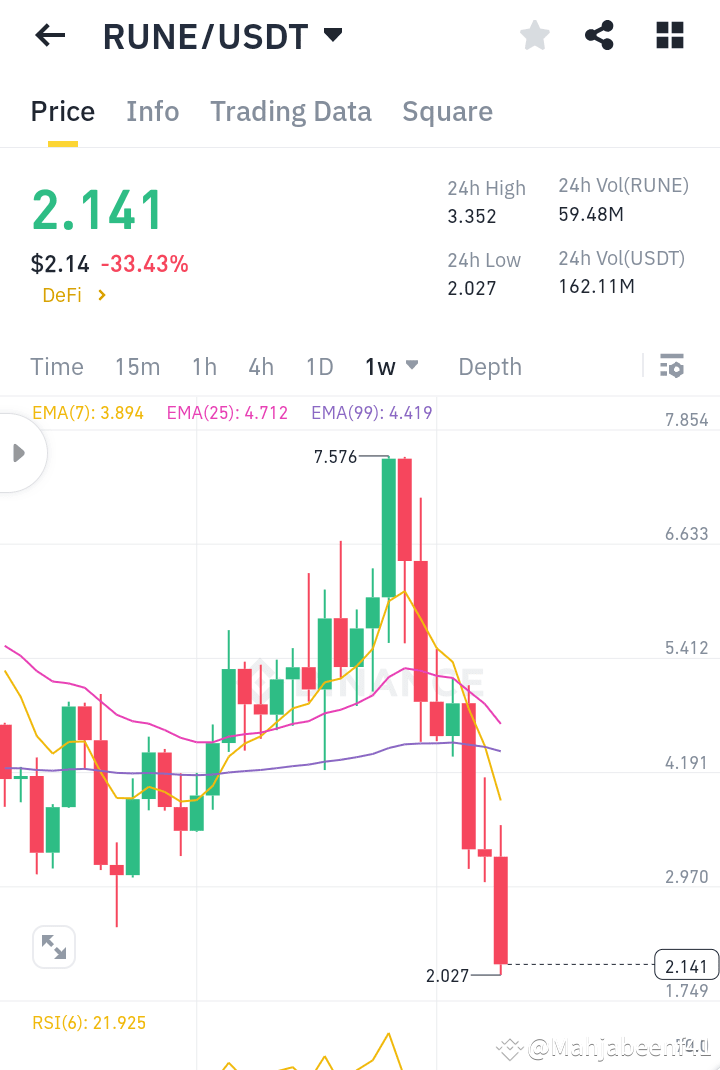
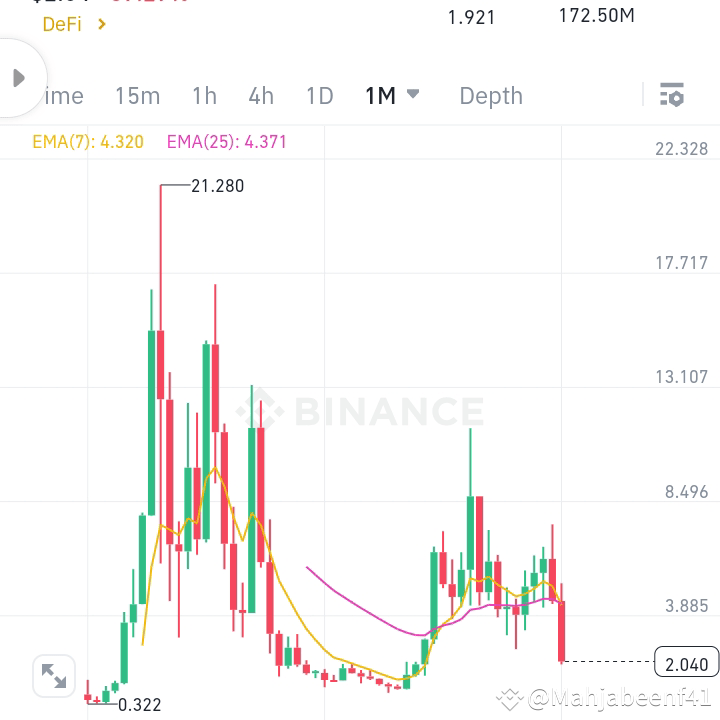
What happened to RUNE? Why is it falling more than 38%?
THORChain's native token, RUNE, has faced several challenges recently. A significant factor contributing to its price decline is the inflation of RUNE's circulating supply. Mechanisms such as block rewards for validators and programs like Savers and Lending have increased the token's supply, leading to downward pressure on its price. The Savers program, intended to create buy pressure for RUNE, has inadvertently caused substantial sell pressure during user withdrawals, creating a feedback loop that further depresses the token's value. Similarly, the Lending program has introduced inflationary effects, with loans and collateral primarily backed by BTC and ETH creating liabilities that are challenging to repay as RUNE's value declines. In response, the ThorChain team has decided to pause the ThorFi Savers and Lending programs for the next 12 months to address these structural weaknesses and ensure the protocol's long-term viability.
What happened to RUNE? Why is it falling more than 38%?
THORChain's native token, RUNE, has faced several challenges recently. A significant factor contributing to its price decline is the inflation of RUNE's circulating supply. Mechanisms such as block rewards for validators and programs like Savers and Lending have increased the token's supply, leading to downward pressure on its price. The Savers program, intended to create buy pressure for RUNE, has inadvertently caused substantial sell pressure during user withdrawals, creating a feedback loop that further depresses the token's value. Similarly, the Lending program has introduced inflationary effects, with loans and collateral primarily backed by BTC and ETH creating liabilities that are challenging to repay as RUNE's value declines. In response, the ThorChain team has decided to pause the ThorFi Savers and Lending programs for the next 12 months to address these structural weaknesses and ensure the protocol's long-term viability.