



 Here are some important regulations and trends by 2025.
On the side of the United States of America 🇺🇸 🔥🔥
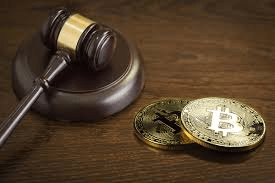
SEC and CFTC: The Securities and Exchange Commission (SEC) and the Commodity Futures Trading Commission (CFTC) continue to tighten their oversight of cryptocurrencies in the United States. In particular, they are trying to clarify whether digital assets like Bitcoin and Ethereum are securities or commodities.
Bitcoin Futures ETFs: Bitcoin futures ETFs approved in 2024 have brought more institutional investors into the market. The number of these funds is expected to increase in 2025.
Regulatory clarity: Cryptocurrencies are expected to receive more friendly regulations under the Trump administration, but this process may change with the new administration.
European Union🇩🇪🏴🇮🇹🇪🇸🇬🇷🇫🇷🇨🇰 🔥🔥
MiCA (Markets in Crypto-Assets): MiCA is the European regulation that provides a comprehensive framework for cryptocurrencies. This regulation includes licensing of digital asset service providers, investor protection, and anti-money laundering measures.
Stablecoins: MiCA offers particularly strict regulation of stablecoins, highlighting the transparency of reserves and oversight among them.
Türkiye 🇹🇷 🔥🔥
SPK and MASAK: The Financial Markets Authority (SPK) and the Financial Crimes Investigation Authority (MASAK) continue to regulate cryptocurrency exchanges. Digital asset providers must obtain a license and perform certain obligations.
Payment ban: A ban on payments with digital assets was imposed in 2021 and clearer regulations are expected to be implemented by 2025.
Asia 🇨🇳🇯🇵🇸🇬🇮🇳🇵🇰🇧🇩 🔥🔥
China is taking a tough stance on banning cryptocurrency trading and mining, but work is underway on a CBDC (digital yuan).
Singapore and Hong Kong: Countries like Singapore and Hong Kong are imposing more positive regulations to support the crypto market. These countries are seeking to provide attractive environments for fintech and crypto companies.
Other countries 🔥🔥
El Salvador: El Salvador, the first country to recognize Bitcoin as legal tender, is known for its friendly policies toward cryptocurrencies.
Switzerland: Known for its crypto-friendly regulations and the “Crypto Valley” in Zug, Switzerland has become an important hub for blockchain and crypto projects.
KYC (Know Your Customer) and AML (Anti-Money Laundering) applications have become mandatory for cryptocurrency exchanges around the world. Although taxes on cryptocurrency profits vary from country to country, many countries have clear rules in place.
Cryptocurrency companies must comply with the regulations of the countries in which they operate, which contributes to the development of the sector.
When it comes to regulating markets, it can increase the credibility of the cryptocurrency market while also impacting innovation and growth. This process helps the market reach a wider audience and may reduce risk for some investors. It consists of open and anonymous information.


