

What is Reserve Rights (RSR)?
Reserve Rights (RSR) is a token within the ecosystem of the Reserve Protocol project, a decentralized finance (DeFi) platform aimed at providing decentralized and anti-inflation stablecoins for global economies. Reserve Protocol operates based on two main types of tokens:
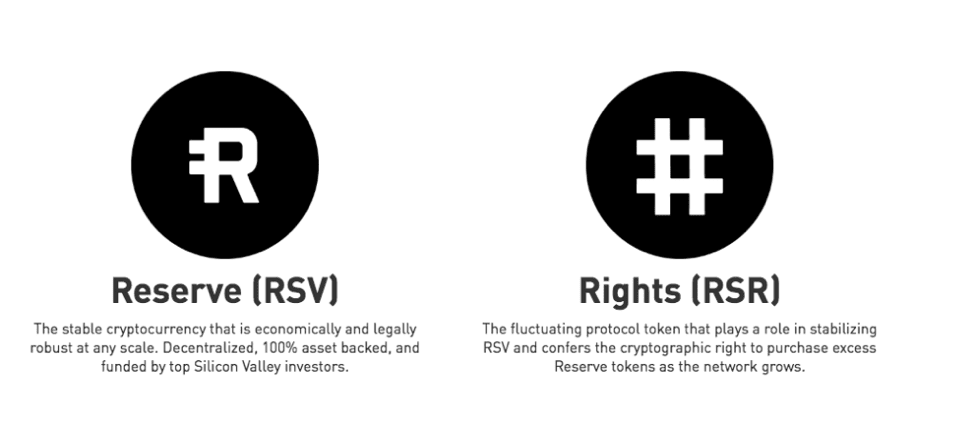
1. Reserve (RSV): A stablecoin pegged 1:1 to USD and backed by a basket of collateral assets.
2. Reserve Rights (RSR): The utility and governance token of the ecosystem, plays a role in protecting the stability of RSV and participating in protocol management.
RSR not only supports maintaining the value of the stablecoin RSV but also allows users to participate in governance decisions and earn profits through staking.
How Reserve Protocol Works
Reserve Protocol maintains the stability of RSV by using a balancing mechanism between collateral assets and the market.
1. Stablecoin RSV
• RSV is pegged to USD and backed by a basket of collateral assets, including stablecoins like USDT, USDC, or other assets.
• When the price of RSV deviates from 1 USD, the protocol automatically adjusts the supply of RSV to bring the price back into balance.
2. Role of RSR
RSR plays an important role in ensuring the stability of RSV through:
• Arbitrage: If the price of RSV is below 1 USD, RSR holders can buy RSV at a lower price and sell it at 1 USD to make a profit, thereby stabilizing the price of RSV.
• Collateral protection: RSR is used as an additional layer of protection for a basket of collateral assets if the main asset loses value.
Key features of Reserve Protocol
1. Decentralized and anti-inflation stablecoin
• RSV is a decentralized stablecoin, not dependent on any centralized organization.
• The project aims to provide anti-inflation financial solutions in countries with severely devalued currencies.
2. Flexible collateral model
• Reserve Protocol uses a diverse basket of collateral assets to protect the value of RSV, reducing the risk of concentration in a single asset.
3. Governance role of RSR
• RSR holders have the right to participate in protocol governance decisions, such as adjusting collateral asset ratios or upgrading the protocol.
4. Global applications
• Reserve Protocol has been implemented in many developing countries, providing payment and saving solutions for users in high-inflation markets.
Tokenomics of Reserve Rights (RSR)
1. Basic information about RSR Token
• Token Name: Reserve Rights
• Symbol: RSR
• Blockchain: Ethereum (ERC-20)
• Maximum supply: 100 billion RSR
• Circulating supply (12/2024): Approximately 45 billion RSR
2. Role of RSR Token
• Governance: RSR is used to participate in protocol governance, including adjusting key parameters.
• Staking: Users can stake RSR to protect collateral assets and receive rewards.
• Arbitrage: RSR helps maintain the stable price of RSV through the mechanism of buying and selling discrepancies.
3. Token allocation
• Investors and partners: 35%
• Staking rewards: 30%
• Projects and ecosystem: 20%
• Development team: 15%
Practical applications of Reserve Protocol
1. Anti-inflation
• Reserve Protocol has been applied in countries like Venezuela and Argentina, where high inflation devalues local currency.
• RSV provides a more stable option for savings and daily payments.
2. Payments and savings
• Users can use RSV for payments, trading, and saving without worrying about losing value due to inflation.
3. DeFi applications
• RSV can be integrated into DeFi platforms to provide liquidity, lending, and other financial services.
Development team and partners of Reserve Protocol
1. Development team
Reserve Protocol was established by a team of blockchain and finance experts, including:
• Nevin Freeman: Co-founder and CEO, an expert in economics and asset management.
• Matt Elder: CTO, software developer with extensive experience in blockchain.
2. Strategic partners
• Coinbase Ventures: One of the major investors in the project.
• Binance Labs: Supports Reserve Protocol in expanding its ecosystem and listing RSR.
• Chainlink: Provides oracles to ensure accurate and secure price data.
Investment potential and risks of RSR Token
1. Investment potential
• High practical application: Reserve Protocol has been implemented in many countries, demonstrating its applicability and scalability.
• Decentralized stablecoin: RSV provides a stable solution for markets with high inflation, facilitating the growth of RSR.
• Support from major organizations: With backing from Coinbase and Binance, Reserve Protocol has a solid foundation for expansion.
2. Investment risks
• Competition: Reserve Protocol faces competition from other stablecoin projects such as MakerDAO (DAI) and Frax Protocol.
• Market volatility: The price of RSR can be strongly affected by fluctuations in the cryptocurrency market.
Where to buy RSR Token?
$RSR is currently listed on many cryptocurrency exchanges, including:
• Binance: Supports RSR/USDT, RSR/BTC trading pairs. (Sign up to buy)
• Coinbase: One of the reputable exchanges.
• Uniswap: Trade RSR on a decentralized platform.
Note: RSR tokens are highly volatile, investors need to research thoroughly before participating.
Source: BLOGTIENAO - @Blog Tiền Ảo