

In the first half of 2022, the M2E project STEPN launched, which offers the opportunity to earn money by walking or running. However, against the backdrop of the crypto winter and unstable tokenomics, prices for in-game assets fell, which also led to a drop in user income. Despite this, other M2E projects are appearing and developing on the market, which bring freshness to this segment and may gain wide popularity after the end of the crypto winter. We decided to understand the current situation in the M2E market and tell you about promising projects.
What is Move-to-Earn
The development of the cryptocurrency industry, although wave-like, still brings new interesting projects and even entire concepts that simply did not exist before. One of these concepts is Move-to-Earn (Move and Earn), which gained enormous popularity in 2022, even in the conditions of the crypto winter that has already begun. Although the term itself was popularized by the STEPN project, the principle of making money through movement existed long before it.
Move-to-Earn (M2E) is a concept that pays rewards for walking or running outdoors. It is a continuation of the previously popular concept of Play-to-Earn (P2E, Play and Earn). The idea is to pay users to move around outdoors. By receiving rewards for walking or running, the user is given a good incentive to exercise. Thus, the user improves both his health and financial situation (although in some cases the costs of starting the game may exceed earnings).
Typically, M2E applications work like this:
The user downloads the application and allows access to GPS, which tracks activity.
The user turns on the workout in the application and begins to move around in the fresh air.
The application reads the activity and, based on the received data, awards rewards in the form of in-game tokens.
Tokens can be sold, exchanged for sports paraphernalia, or used within the game.
The amount of earnings may vary depending on different conditions and different tokenomics of M2E projects. For example, in STEPN there are different types of sneakers with different speed modes, and you need to improve them to increase your income. When you leave the speed range or the GPS signal drops, the amount of accrued rewards may decrease.
Although the M2E concept was popularized by the STEPN project, it is not a pioneer in this field. And the stimulation of activity itself was invented even before the advent of Bitcoin, not to mention other cryptocurrencies or areas in the crypto industry. Thus, back in 2006, Nintendo introduced the Wii console, which required active interaction from the player. Another example is the acclaimed augmented reality game Pokemon Go, in which players searched for cartoon characters on city streets.
Sweatcoin (SWEAT)
The first M2E application can be considered Sweatcoin (from the English sweat - sweat, coin - coin), which was created by Oleg Fomenko and Anton Derlyatka long before the popularization of the Move-to-Earn concept - back in 2016. Initially, the idea was simple: rewarding users with internal tokens for an active lifestyle. For every 1,000 steps, a certain number of tokens are awarded, and then, having accumulated in sufficient quantities, they can be exchanged for various goods and services in the store. These could be online courses, trainings, subscriptions to fitness programs and Netflix, vouchers for Amazon and Adidas stores, and so on.
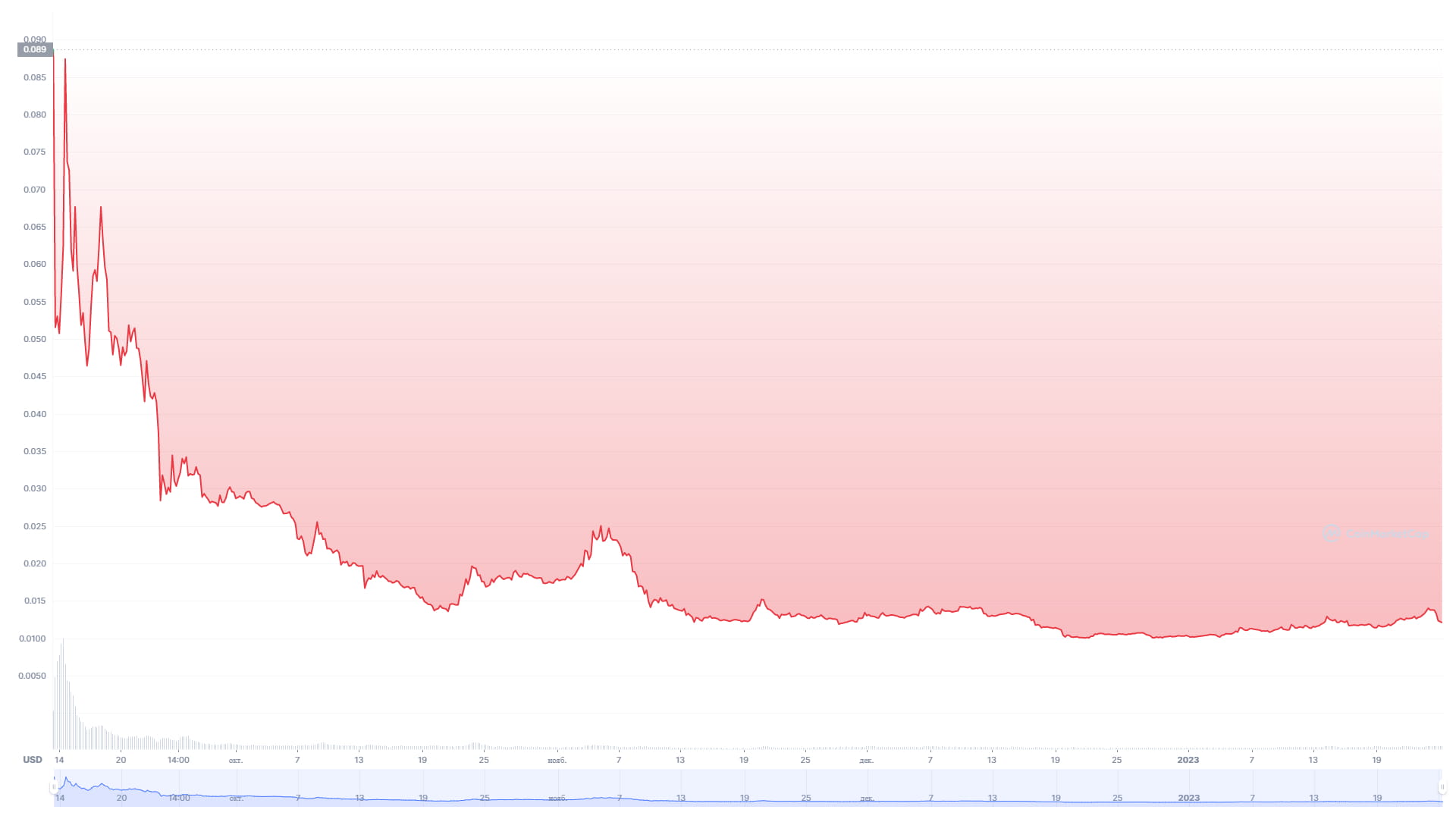
Today Sweatcoin is very popular, largely due to the possibility of earning money without investment. The game's user base numbers more than 120 million people. Against the backdrop of the success of STEPN, Sweatcoin decided to rebrand - rename itself Sweat Economy and launch the ERC-20 and NEP-141 SWEAT token. All users who previously earned in-game tokens were given the opportunity to exchange them for new SWEAT tokens and sell them. At the time of writing, the SWEAT rate is $0.012, and at its peak in September it was $0.089.
HealthyWage
Unlike Sweatcoin, few people have heard about the HealthyWage project, but it appeared back in 2009 and offers the opportunity to make money by losing weight. How does he work?
The user uses a special calculator to select a weight loss goal and place a bet. For example, you can set a goal to lose 13.61 kg in 9 months and bet $50 on it. The calculator will show you your potential winnings, for example $600.
The user then begins to lose weight. He needs to achieve the desired result. At the end of the test, the weight will be checked, and if the user has achieved the goal, he will receive a reward. If the goal is not achieved, his bet is lost.
The HealthyWage service is most likely aimed at Western users, because there are very few mentions of it in the Russian-speaking Internet space.
STEPN
STEPN is considered the first M2E project in the crypto industry, as it popularized the term and the direction itself. Although its user base is much inferior to Sweatcoin (at the peak of popularity in the spring of 2022, the user base reached 2 million people), the hype around this project was much higher - almost all media and crypto experts talked about it.
STEPN was launched in November 2021 by an Australian development team that has received over $5 million in investment from renowned funds including Folius Ventures, Sequoia Capital India and Solana Ventures. STEPN gained great popularity almost immediately and within a few months almost everyone in the crypto space was talking about it, and in April the developers received strategic investment from Binance’s venture capital arm. Against this background, the project’s own token rose to $4.17, and the capitalization was almost $2.5 billion.
STEPN has several mechanisms for earning money:
GST token farming is an inflation token that is used for some in-game functions, such as minting new NFT sneakers or repairing them.
Farm token GMT is the main and more “important” token with limited emission and burning. To farm it, you need to upgrade your sneakers to level 30. The developers are primarily interested in the growth of GMT prices and are doing everything for this.
Farm gems are stones that improve your sneakers and can be sold.
In many ways, the sharp and enormous popularity of STEPN is due to:
Huge profits and quick return on investment. Unlike Sweatcoin, with STEPN you could earn hundreds and thousands of dollars every day.
The need for minimal loads. To earn $30–50 a day, it was enough to train for 10 minutes. As investments increased, training time and earnings also increased.
Simple and intuitive interface.
Interesting gamification elements.
A distinctive feature of STEPN compared to Sweatcoin is the need for an initial investment. To earn money you need to buy NFT Sneakers. Because of this, the project now has a lot of haters, because at the beginning of summer the situation changed. NFT Sneakers, GMT, GST and stones have dropped significantly in price, which is why earnings have also decreased significantly. If previously the payback period for one pair of gray sneakers was just over a month, today it is several months. And users who bought sneakers at maximum prices ($1,300–1,500 gray sneakers on the Solana network) are unlikely to ever be able to recoup them. Some gray sneakers are worth pennies today.
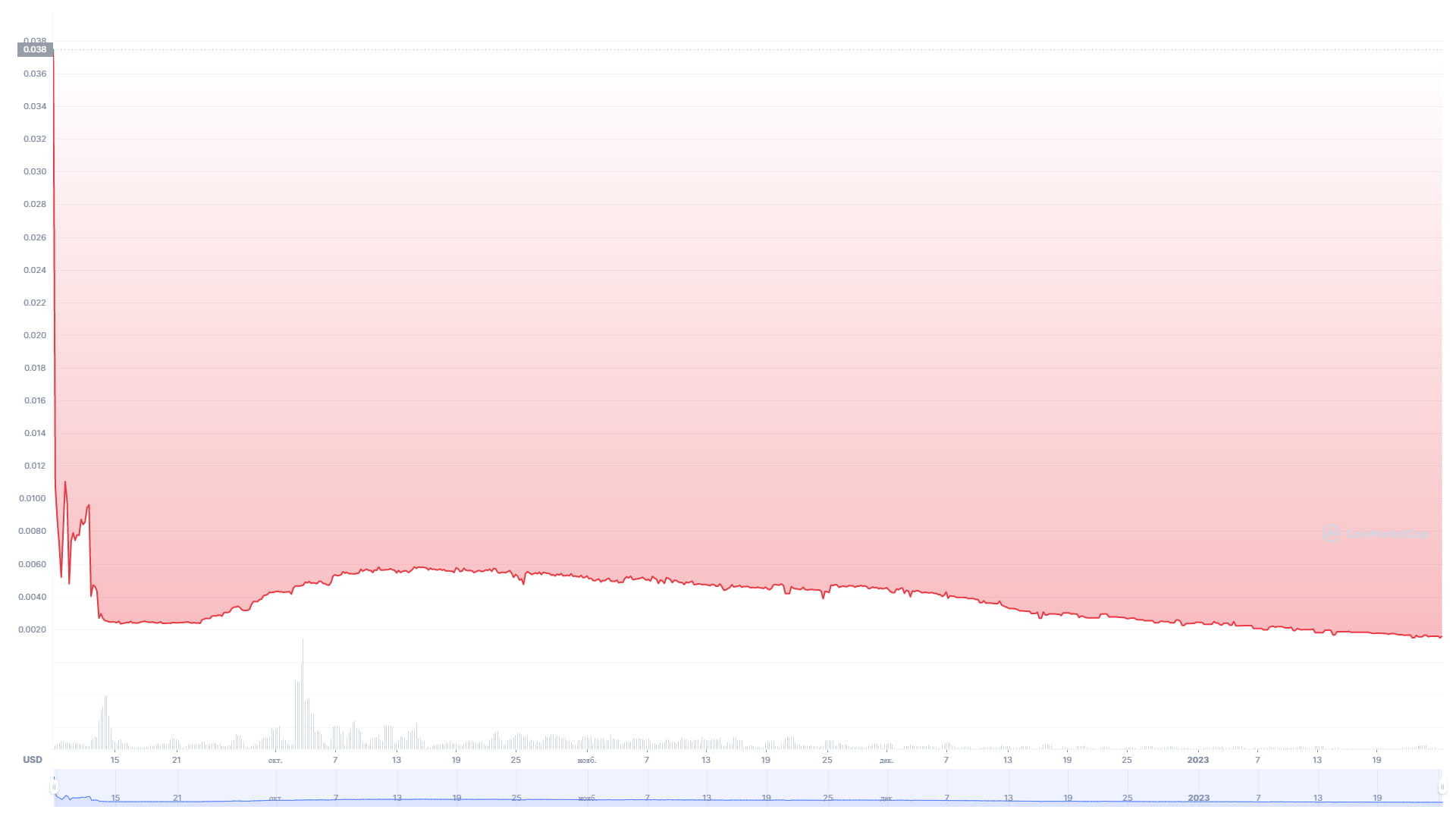
The appeal of STEPN is clearly reflected in the pricing of its native GMT token.
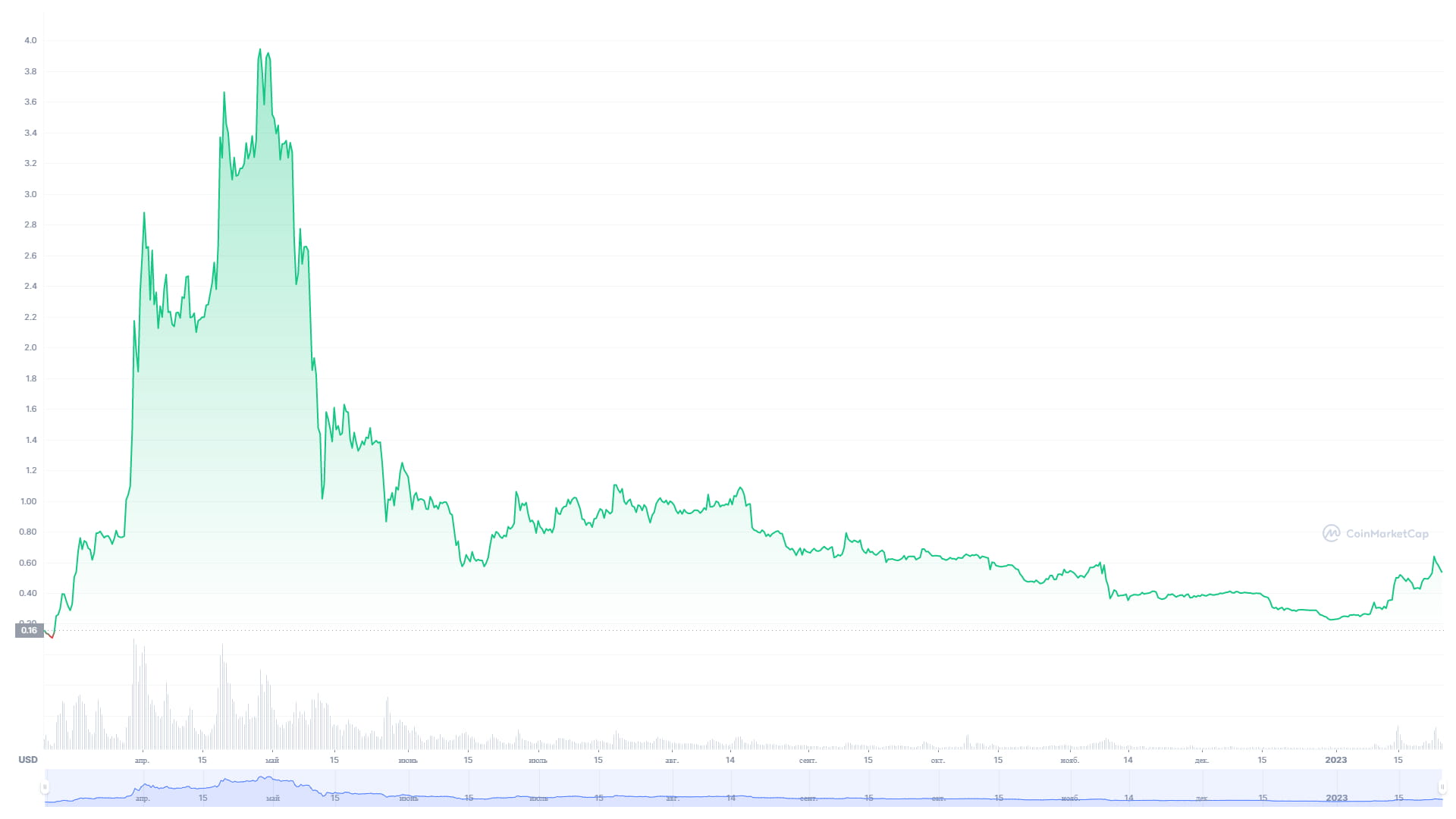
As we can see, at first there was a sharp demand for the token, but gradually interest in the project began to fade. Nevertheless, the application continues to exist and develop. The developers regularly integrate various innovations to maintain interest in the game. Thus, the opportunity to earn the native GMT application token was recently added, which, unlike GST, has not fallen so much from its peak levels. Along with this, a new type of sneaker called Rainbow was added. They can be obtained with a very low probability by burning regular sneakers. They allow you to earn more GMT tokens.
Other M2E projects
The rapid growth in popularity of STEPN has led to the emergence of similar applications. Some completely copy all the mechanics of STEPN, others bring something new. Let's take a quick look at other interesting M2E applications.
Genopets is a game that combines three mechanics: Play-to-Earn, Tamagochi and Pokémon GO. It was presented a month earlier than STEPN, also on the Solana blockchain. Here, instead of NFT Sneakers, “genopet” are used - pets that need to be raised using in-game energy obtained through physical activity in the real world. Various GameFi mechanics are integrated into the game to increase interest. So, each genepet has its own Mood level, which affects the conversion rate of steps into energy. Pets can be fed to increase their Satiety stat, giving them unusual properties or benefits. There are also parameters Joy and Love.
The Genopets game uses two tokens: KI and GENE. The first has unlimited emission and is used to carry out various operations within the game. GENE has management functions and can be used for staking. GENE also opens up access to various benefits, such as closed tests, airdrops, energy boosts and others.
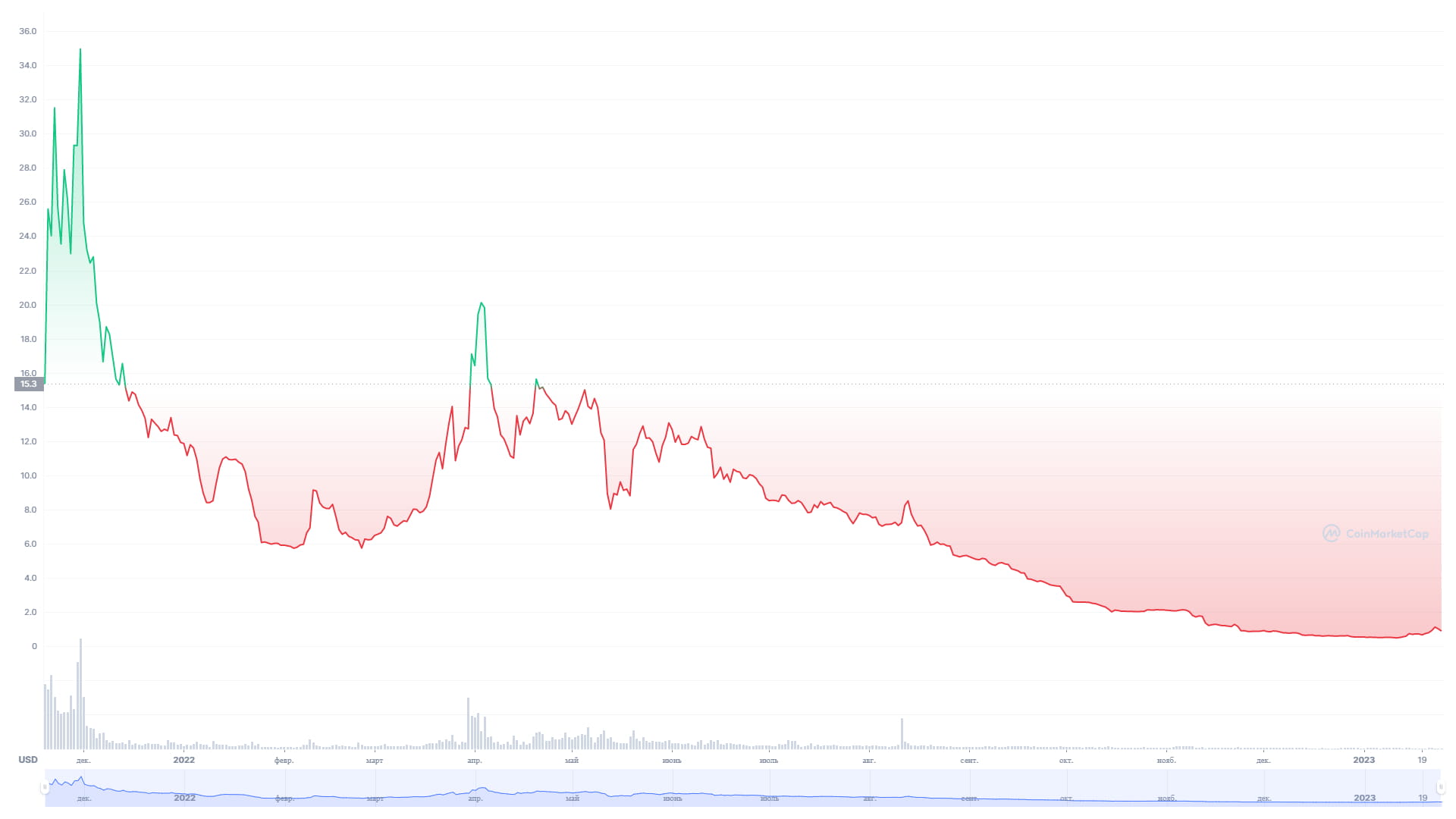
Walken is an M2E game that allows you to earn money from physical activity. Here you need to upgrade your CAThletes character. To do this, you need to walk outside, earning GEM tokens, which are used to level up your pet. Increasing the level of a CUTlet improves its characteristics - strength, speed and endurance. This, in turn, will allow the owner of KOTlet to more often win tournaments that take place between two people, and earn more than other tokens - WLKN. The entire tokenomics is built around WLKN, which has a limited emission and serves as the main token of the project. Also, increasing the level of your pet will allow you to sell it at a higher price on the marketplace.
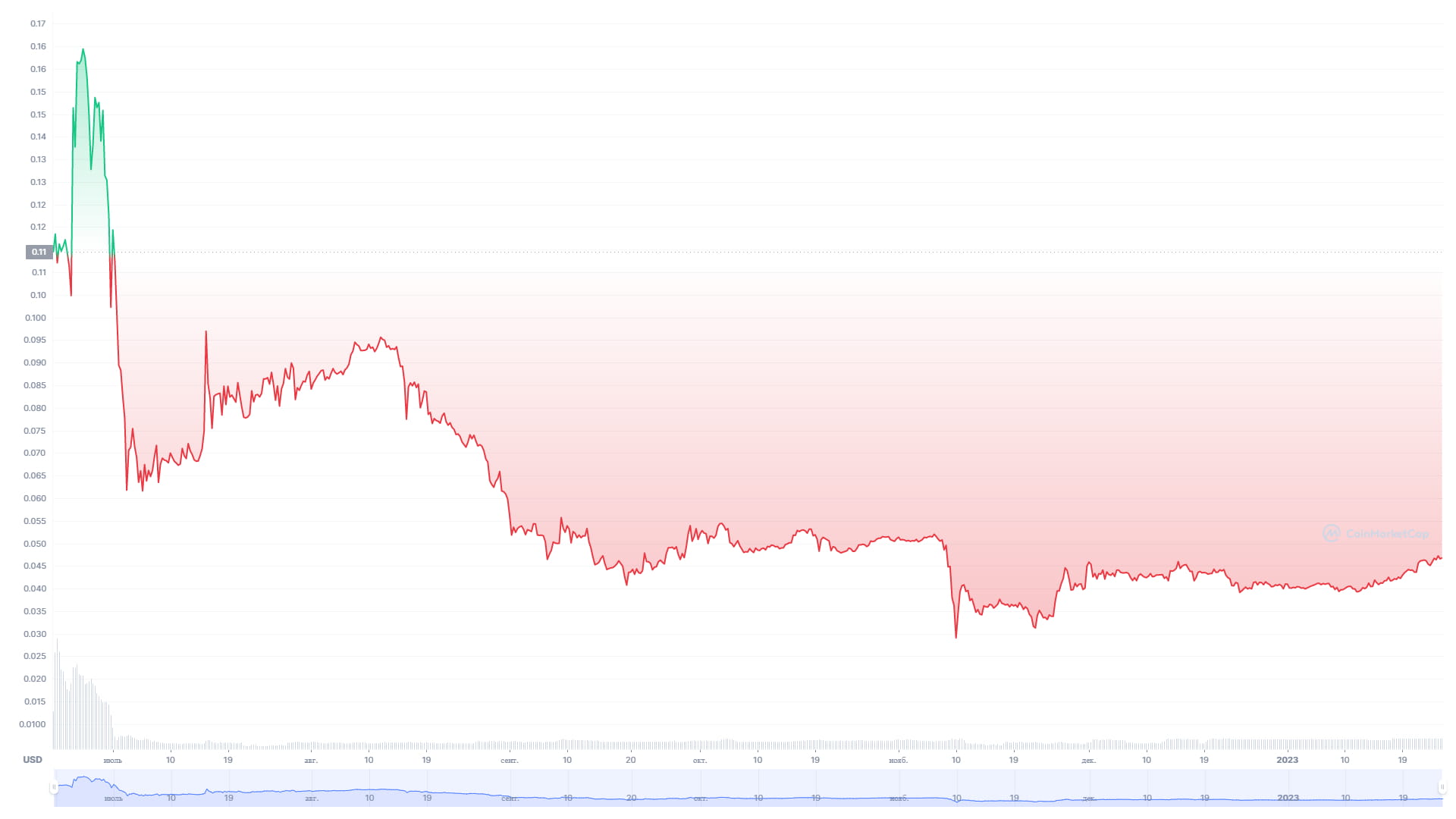
Calo Run is another competitor to STEPN, which, unlike the ones listed above, is a complete copy of the project. The difference from STEPN here is only in the design, but there are also four types of sneakers, different speed modes, and level and stat upgrades. It also uses two tokens, FIT and CALO, which have the same functions as GST and GMT in STEPN.
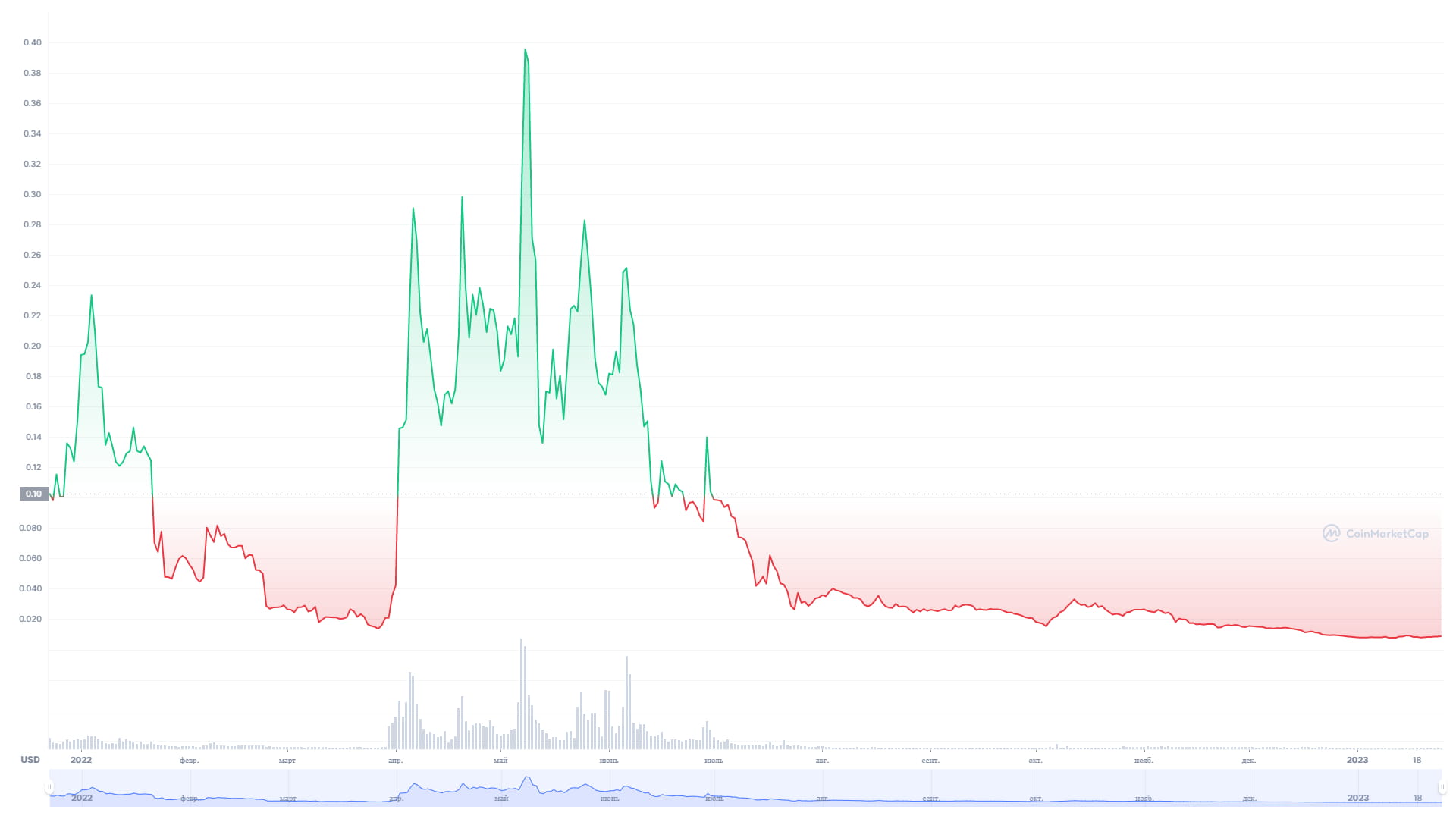
DeFit - The special feature of this app is that it has a Free-to-Play mode. The user can download the application, link their crypto wallet to it, then select one of four available sports (running, swimming, cycling or walking) and receive 1 DEFIT token ($0.084) for every 30 minutes of activity. However, if you become a member of the Club Member, your earnings will double. But for this you need to have at least 10,000 DEFIT. In addition to increased earnings, users receive discounts on products from partner brands. An even greater increase in earnings can be achieved by purchasing NFT - BabyFit.
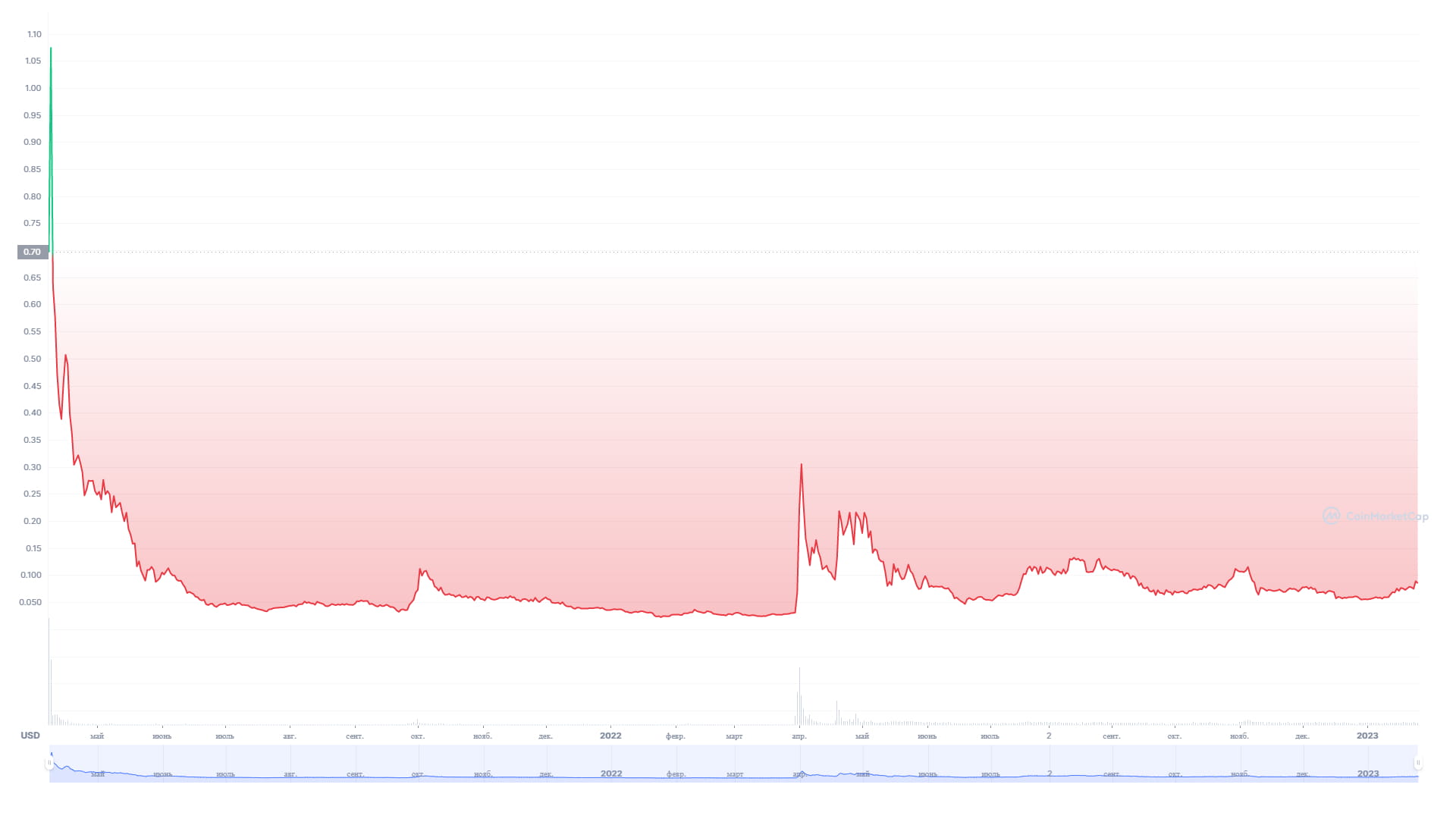
AMAZY - like in other M2E, here you need to go for a walk or jog every day in virtual sneakers and earn crypto assets for it. The game uses two tokens: AMT (analogous to GST in STEPN) and AZY (analogous to GMT). AMAZY has four types of sneakers with different speed modes and four different stats, which are responsible for AMT earnings, drop probability and box quality, energy burning rate and sneaker wear.
How to make money on M2E
As you may have already noticed, the charts of native tokens of M2E projects most often have a downward trend. The thing is that such applications have not yet managed to find a balance in tokenomics and create a concept that will be sustainable and durable. As a rule, M2E applications are successful only due to the influx of new users and hype at the start. When this resource is exhausted, a turning point occurs, after which the price of in-game items, and, accordingly, earnings begin to decline.
Of course, the crypto winter, which lasted about a year, also played a significant role in its popularity, or rather in its decline. As a rule, during stagnation and falling prices on the crypto market, investors are not inclined to take on increased risks, which is why many, even promising projects, fail. But if some of them do manage to survive, they may have big gains during the next bull cycle.
Therefore, if you want to make money on M2E games, first of all you should look for projects with more thoughtful tokenomics, which are not so dependent on the influx of new users. It is also advisable to enter into such projects at the start of their existence. As we see from history, early adopters most often end up in the black.
Which M2E projects are just starting their journey?
Finally, let’s look at several promising M2E projects that are just launching or have recently launched and may have a great chance of success. Especially if the crypto winter ends and a new bull cycle begins.
1. STEP APP - The project aims to provide users with a gamified metaverse based on the economics of fitness. Some components of this world include:
Augmented reality - users create a character in the metaverse and develop it.
Gamification - There are quests and events between players to improve the social experience.
Earnings - rewards are awarded for completing tasks and achieving certain milestones.
The Step App tokenomics is built on the basis of two tokens - FITFI and KCAL. The first acts as a management token, the second as an in-game currency. To make money on the Stepp App you need NFT sneakers called SNEAK NFT.
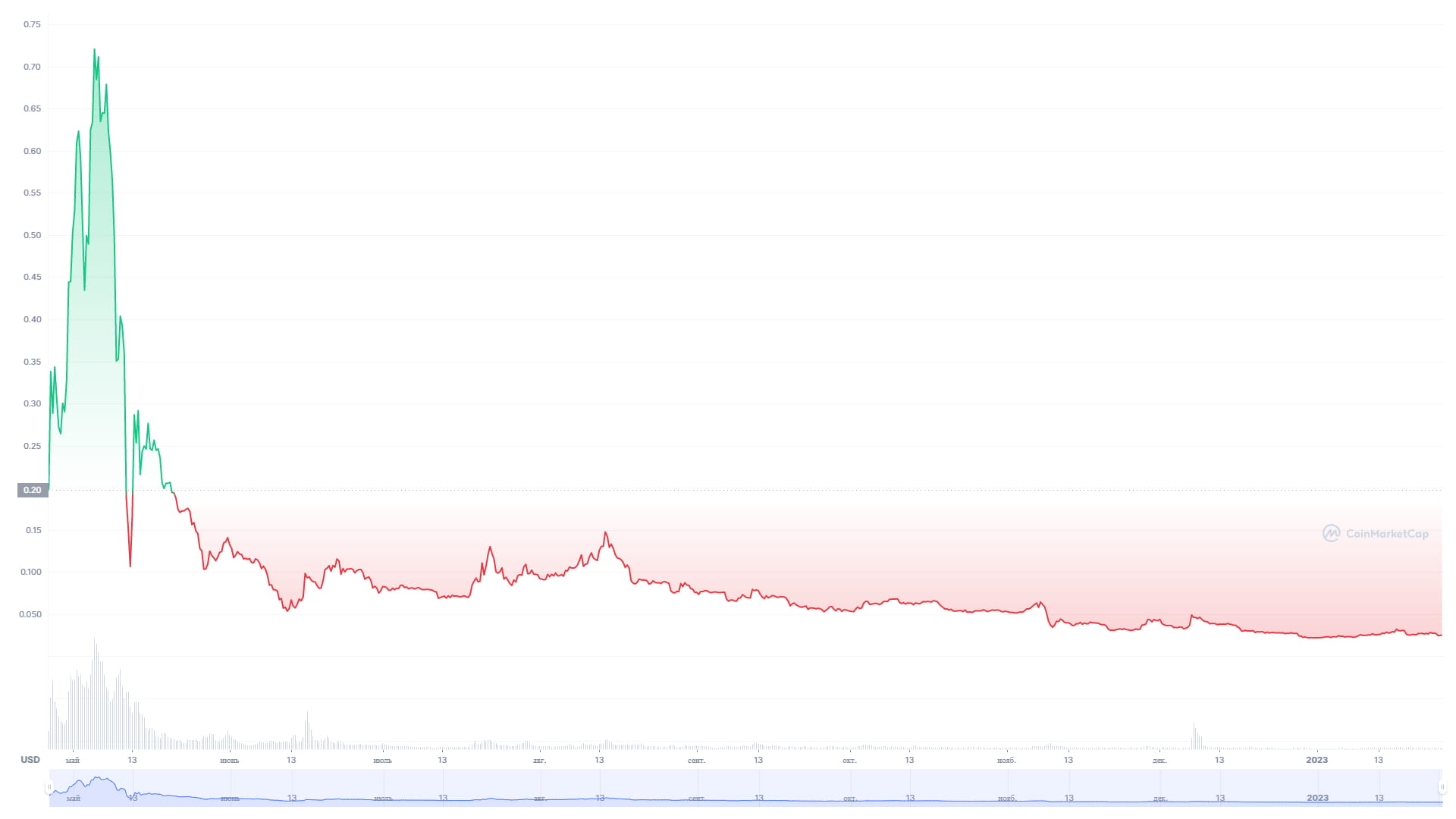
Although the FITFI token has been trading since May 2022, the official launch of the application took place recently.
2. EZZY Game - The application positions itself as “the simplest M2E game” with carefully thought-out tokenomics. The game developers, unlike their competitors, decided not to copy the GameFi mechanics of STEPN; on the contrary, they provided users with the opportunity to earn money by walking or running without complex gamified elements. There is no need to upgrade sneaker levels, stats, cross them, burn them, improve them with additional attributes, and so on. The earning principle is as follows:
The user downloads the application, buys EZY tokens and mints NFT sneakers for them.
The user walks in the sneakers every day for 10 minutes until they break.
When the sneakers break, he buys new ones.
And so on in a circle.
All sneakers have the same speed limit, and the duration of their work and the amount of earnings are known in advance, so you can predict the level of your income. For example, the simplest $100 sneakers will bring in $110 in 10 days. And the best sneakers that cost $800 will bring you $900 in 10 days. In this case, the sneakers themselves will break and you will need to buy new ones, the same or different. You can buy several sneakers and thereby increase your training time and your earnings.
The EZZY Game application uses one EZY token to both mint sneakers and receive rewards for walking, which makes the game easier and more convenient, unlike projects that use two tokens. The developers have included a number of mechanics to create sustainable tokenomics, including:
Burning 90% of tokens that are used for mint.
Limited number of sneakers available for purchase.
Sneakers break down over time.
And others.
Due to this, the EZY token remains in a relatively stable price range.
EZZY Game has a limited Free-to-Play mode - immediately after registration, users are given free test sneakers, with which they can test the application and earn one EZY token daily for 30 days without investment. However, you won’t be able to earn a significant amount with their help. To do this, you need to mint normal NFT sneakers.
The first version of the EZZY Game application was launched in early November, and the mint of the first sneakers took place at the end of November.
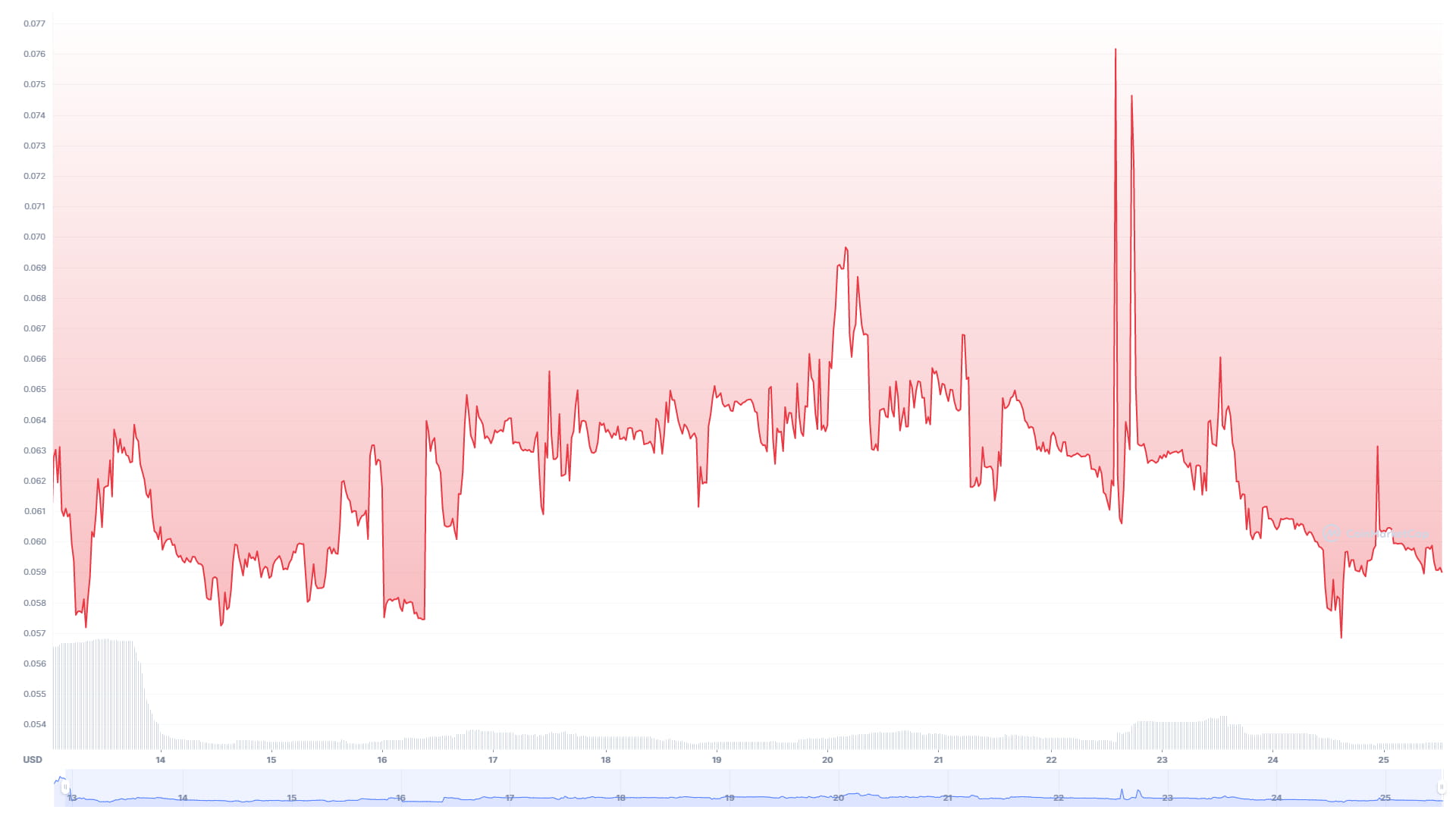
3. Fitmint is another young M2E project that allows you to earn money from training. Here, as in many other M2E applications, at the start you need to buy NFT sneakers, and then go out and be active to earn the in-game currency FITT. It can then be used to upgrade sneakers, unlock features and rewards, repair sneakers, or craft them. You can also sell tokens to cash out profits. A special feature of the game is the ability to personalize sneakers - you can choose different colors and shapes for them. This feature is under development.
The basic mechanics and principle of the game are similar to STEPN - the user buys sneakers and receives energy that needs to be used for training. Sneakers come in different qualities and have certain characteristics:
Power - determines the speed of movement. Higher power brings more FITT.
Durability - Determines how quickly a shoe wears out. The higher the indicator, the slower the wear.
Endurance - this attribute is under development.
Comfort is an attribute under development.
Sneaker attributes can be upgraded, increasing their level up to 50. To increase the level, you need to burn FITT tokens. You can also earn extra points to upgrade your sneakers by completing full workouts every day. At the same time, in case of long breaks (more than 5 days), the strength of the sneakers decreases.
Prospects for the new M2E segment
Despite the fact that the M2E concept has appeared relatively recently, it has already gained widespread popularity. We observed this both against the background of the explosive growth in the popularity of STEPN, and against the background of the emergence of a large number of applications similar to this project. Some offer new mechanics and concepts, others strive to make M2E applications much simpler, and others simply copy the flagship of this segment by integrating their own token.
Even despite the decline in activity in the entire crypto market and in the M2E segment in particular, such projects will continue to develop, because the very idea of earning money by walking or running is quite attractive to many users and has the right to life. But in order not to lose your money and actually make money from training, you should choose promising projects with good tokenomics that can exist and develop for many years.