

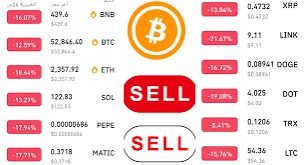
introduction:
The cryptocurrency market is a highly volatile market, and can experience sharp fluctuations in value. Therefore, it is essential for every investor in this market to have a clear contingency plan to deal with any potential collapses. This plan should be personal and depend on the size of the investment, risk tolerance, and financial goals of each investor.
Pillars of the plan:
Identify investment risks:
High Volatility: Cryptocurrency prices fluctuate greatly in short periods.
Lack of regulation: Cryptocurrencies are not fully regulated by the government in most countries, which increases the risks.
Scam: There are many scams in this market.
Technology: Cryptocurrencies rely on complex technologies that may be vulnerable to security vulnerabilities.
Diversification of investments:
Don't focus on one currency: Spreading investments across several different currencies mitigates risk.
Investing in other assets: Adding other assets to the portfolio such as stocks, bonds, and real estate.
Set a clear goal:
Why invest? Is it for long term investment or short term trading?
How much do you want to earn? Setting a clear goal helps you make better investment decisions.
How much can you lose? Setting a maximum loss helps avoid huge losses.
Set a realistic budget:
Don't invest more than you can afford to lose: Investing in cryptocurrencies should be a small portion of your investment portfolio.
Track Expenses: All expenses related to investing in cryptocurrencies should be tracked.
Stay up to date:
Follow the news: You must follow the market news continuously.
Continuous learning: You must keep up with developments in the world of cryptocurrencies.
Benefit from experts: Expert advice can be sought in the field of investment.
Determine exit points:
Sell Price: Set a specific price to sell cryptocurrencies in case the price drops significantly.
Right time to exit: Set a specific time to exit the investment if the goals are not achieved.
Digital Asset Protection:
Use secure wallets: Store cryptocurrencies in secure, encrypted wallets.
Ensure software is updated: Wallet software should be updated regularly.
Backup: You should back up your wallet access keys.
Practical steps in the event of a collapse:
Stay calm: Avoid making hasty decisions under the influence of panic.
Situation assessment: Analyze the causes that led to the collapse.
Implement the emergency plan: Follow the steps that were previously identified.
Prepare for the worst: Be prepared to lose part of your investment.
Searching for new opportunities: After the crisis is over, new investment opportunities can be searched for.
Important Notes:
Do not rely on the advice of others: Investment decisions should be made based on personal analysis.
Don't invest money that you need in the near future: investing in cryptocurrencies should be extra money.
Don't let emotions interfere with your decisions: Decisions should be made based on logic, not emotions.
Finally:
An emergency plan is essential for every investor in the cryptocurrency market. By following this plan, investors can reduce risks and protect their investments.
Note: This text is a general guide and should not be considered investment advice. Every investor should consult a financial professional before making any investment decisions.