

Part 1: Why Deposit Management is Your Foundation

Your deposit is your foundation. Without proper management, even the most promising strategy will lead to losses. Imagine your capital as building material from which you construct a house. If you mismanage it, the house will collapse.
3 reasons why deposit management is the key to success:
1. Capital protection: Your first goal is not to lose everything in one trade.
2. Emotional stability: When risks are under control, it’s easier to remain calm.
3. Long-term opportunities: By managing your deposit, you can stay in the market even if your initial trades are losing.
Part 2: How to Properly Allocate Capital

Don't put all your eggs in one basket. Diversifying your deposit is protection against significant losses. Here’s how to do it:
• 60% for active trading: This is your main tool for spot or futures.
• 30% in stablecoins ($FDUSD): Reserve for purchases during market downturns.
• 10% for experiments: Altcoins, Launchpad or testing new strategies.
Example: If your deposit is $1000:
• $600 for trades.
• $300 in reserve.
• $100 for risky assets.
Why does this work?
With this distribution, you are protected from losses while maintaining growth potential.
Part 3: Three Questions Before Each Trade
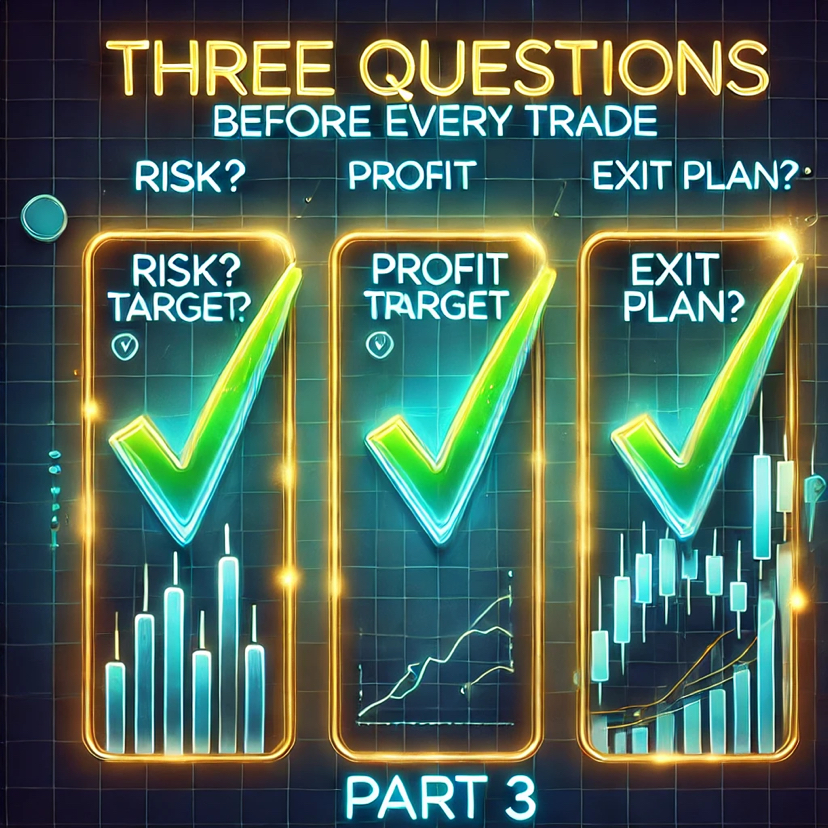
Before opening a trade, ask yourself:
1. What is my acceptable risk? Determine how much you are willing to lose if the market turns against you.
2. Where is my profit target? Determine take-profit levels in advance.
3. When to exit a trade? Set a stop-loss to avoid large losses.
Example calculation:
• Purchase for $50, two assets.
• Stop-loss level = $50 - ($20 ÷ 2) = $40.
• Profit target with a ratio of 1:2 = $70.
Life hacks:
• Follow the 2% rule for each trade.
• Keep a trading journal to analyze your actions.
Part 4: Dollar-Cost Averaging — Your Path to Stability

In a volatile market, it’s hard to catch the perfect moment to buy. The DCA strategy solves this problem:
What is DCA?
A method where you invest equal amounts at regular intervals regardless of price.
Example:
Instead of a one-time purchase of $500, split the amount into 5 parts of $100 and buy each week. This reduces risks and allows you to gradually accumulate assets.
Benefits:
• Reducing the impact of volatility.
• Less stress.
• Simplicity of automation.
Part 5: Loss and Profit Limits
Stop-loss and take-profit are your protective tools.
Example:
• Risk = 2% of deposit ($20).
• Buying an asset for $50.
• Stop-loss at $40, take-profit at $70 (ratio 1:2).
Life hack: Use dynamic stop-losses (trailing stop) to lock in profits as prices rise.
Part 6: Common Trader Mistakes

1. Ignoring stop-loss: Can wipe out your deposit.
2. Greed and panic: Lead to wrong decisions.
3. Overtrading: Too frequent trades increase risks.
How to avoid mistakes?
• Always use stop-loss.
• Trade only according to plan.
• Take breaks after a series of trades.
Part 7: How to Stay Calm in Trading
Emotions are your main enemy. Controlling them will help you maintain stability.
Tips:
1. Set daily loss limits.
2. Practice meditation before starting trading.
3. Take breaks after a series of losing trades.
4. Document your actions for analysis.
Motivation:
Remember, trading is a marathon, not a sprint. Calmness and discipline are your keys to success.
If this article helped you understand the basics of trading and protect your deposit, support it with a like and share with friends! Want more useful materials? Subscribe to my profile to not miss new ideas and strategies that will help you become a successful trader.